Holistic wellness in 2025 emphasizes the interconnectedness of physical, mental, and emotional health. This approach integrates various practices to promote overall well-being.
Key Components of Holistic Wellness:
Mindfulness and Meditation: Techniques that reduce stress and enhance mental clarity
Balanced Nutrition: Consuming a variety of nutrient-rich foods to support bodily functions.
Physical Activity: Engaging in regular exercise to maintain physical health.
Adequate Sleep: Ensuring sufficient rest for recovery and energy.
Benefits of Holistic Wellness:
Improved Mental Health: Reduces anxiety and depression through mindfulness practices.
Enhanced Physical Health: Supports immune function and reduces the risk of chronic diseases.
Emotional Balance: Promotes emotional stability and resilience.
Conclusion: Adopting a holistic approach to wellness leads to a balanced and fulfilling life, addressing the root causes of health issues rather than just symptoms.
In 2025, Artificial Intelligence (AI) has revolutionized the fitness industry by offering personalized workout plans tailored to individual needs. AI analyzes data such as age, fitness level, goals, and recovery patterns to create optimized training regimens.
Benefits of AI in Fitness:
Personalized Workouts: AI customizes exercises based on user data, ensuring effective and safe training sessions.
Progress Tracking: Continuous monitoring allows for real-time adjustments to workout plans, maximizing results.
Accessibility: AI-driven apps provide guidance to users at home or in the gym, making fitness more accessible.
Popular AI Fitness Apps:
FitnessAI: Offers personalized strength training plans with progressive overload algorithms.
Athletica AI Coaching: Provides science-backed coaching with adaptive training plans.
Conclusion: AI-powered fitness plans are transforming how individuals approach training, offering personalized, efficient, and accessible solutions to meet diverse fitness goals.
Investment in global smart grids is set to surge, driven by the growing role of AI-powered data centers, according to a recent report by Telecom Review Asia. Transmission infrastructure investment is projected to jump from USD 372.6 billion in 2025 to USD 573.7 billion by 2030, marking a compound annual growth rate (CAGR) of 9.2%.
AI technologies are revolutionizing smart grids by analyzing real-time data for demand forecasting, predictive maintenance, and renewable energy integration. This optimization ensures better power flow, balanced supply and demand, and automated responses to grid instabilities, reducing outages, preventing equipment failures, and cutting energy waste.
Data centers are central to this transformation. Programs like DCFlex, which bring together utilities and data center technology firms, are enabling seamless integration of data centers with grid operations, enhancing operational flexibility and grid efficiency. The rising demand for data processing, fueled by AI growth, has further accelerated data center projects worldwide.
Experts say that the combination of AI and data center innovation is not only reshaping computing capabilities but also driving significant investment in smart grid infrastructure, paving the way for a more sustainable and resilient energy future.
Australian telecommunications provider Optus, the country’s second-largest telco, experienced a fresh outage affecting emergency calls on Sunday, September 28. The disruption impacted approximately 4,500 people in Dapto, south of Sydney.
The incident follows a major emergency call outage on September 18, which was linked to delayed emergency responses and reportedly contributed to four fatalities. The latest disruption was caused by a faulty mobile tower, temporarily affecting emergency services between 3:00 a.m. and 12:20 p.m. Optus has since restored the service and confirmed that all attempted emergency calls were successfully accounted for.
The Australian government has condemned the outage as an “absolutely shocking failure” and is seeking answers from Optus’ parent company, Singapore Telecommunications (Singtel). Singtel Group CEO Yuen Kuan Moon and Optus executives are scheduled to meet with Australia’s Communications Minister Anika Wells to address the ongoing concerns.
This recurring issue has intensified scrutiny over Optus’ infrastructure and its ability to reliably manage emergency services. An independent review of the September 18 outage is underway, with findings expected by the end of 2025.
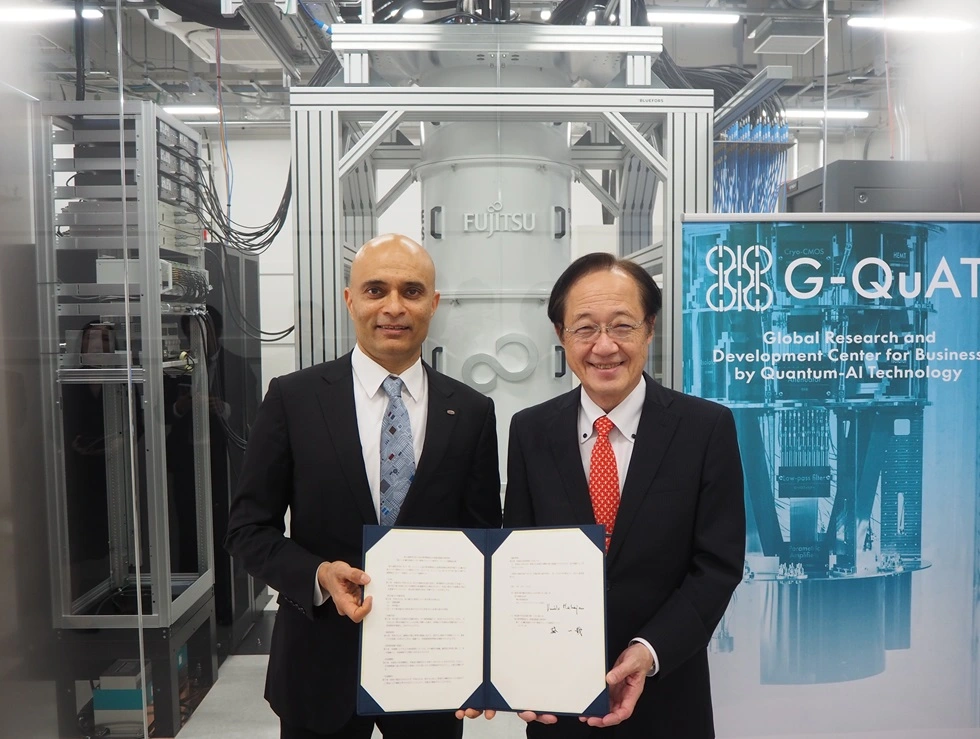
Fujitsu has unveiled its latest innovation, the Fujitsu Quantum-Inspired Computing Platform, designed to accelerate scientific discovery and optimize complex systems across industries. This platform combines advanced quantum-inspired algorithms with high-performance computing, tackling problems that traditional computing methods struggle to solve.
The new platform has far-reaching applications in sectors such as pharmaceuticals, logistics, finance, and energy, enabling companies to handle intricate simulations, optimization, and data analysis with unprecedented efficiency.
Strategic partnerships with top research institutions and industry leaders have strengthened the platform’s real-world applicability, ensuring it addresses pressing challenges across multiple domains. Fujitsu positions this initiative as a bridge toward broader quantum computing adoption, signaling a significant step forward in next-generation computational technology.
“By harnessing the power of quantum-inspired computing, we aim to provide solutions that drive innovation and tackle global challenges effectively,” said a Fujitsu spokesperson.
The platform reinforces Fujitsu’s commitment to technological advancement, helping industries worldwide solve complex problems faster and more efficiently.
OpenAI has announced a groundbreaking step in personal AI with the introduction of “Operator”, an autonomous AI agent designed to handle complex tasks independently across multiple digital platforms. This development promises to redefine how AI assistants interact with users and manage daily workflows.
Unlike traditional AI assistants that require constant user input, Operator can proactively perform tasks such as coding, scheduling, and workflow management without ongoing supervision. This move represents a significant step toward creating AI systems that are more integrated, efficient, and capable of autonomous decision-making.
The new AI agent is expected to be available as a research preview in January 2025, with API access for developers looking to integrate its functionalities into their applications. By making AI assistants more proactive, OpenAI aims to expand the scope of tasks that AI can handle, making them increasingly useful in professional and personal environments.
This launch reflects OpenAI’s broader strategy to enhance AI utility and autonomy, marking a shift from reactive assistants to AI agents that can anticipate user needs and act independently. Analysts suggest that this development could have major implications for sectors like software development, project management, and digital productivity.
As AI continues to evolve, Operator may pave the way for the next generation of personal assistants, combining intelligence, efficiency, and autonomy in a single platform.
Iranian Adviser Calls Pact a “Positive Development”
Major General Yahya Rahim Safavi, a senior adviser to Iran’s Supreme Leader Ayatollah Ali Khamenei, has suggested that Iran join the recently signed Strategic Mutual Defence Agreement (SMDA) between Saudi Arabia and Pakistan. Safavi emphasized that Iran, along with Iraq, could potentially form a broader regional defense alliance, citing the United States’ waning influence in the region as an opportunity for regional powers to strengthen security ties. Source: Tehran Times
Overview of the Saudi-Pakistan Defense Pact
The SMDA, signed on September 17, 2025, commits both nations to consider any attack on one as an act of aggression against both. The agreement has sparked discussions about its implications, particularly regarding Pakistan’s nuclear capabilities. Pakistan’s Defence Minister Khawaja Asif clarified that the pact does not involve sharing nuclear weapons with Saudi Arabia. Source: AP News
The Crown Prince and Prime Minister of the Kingdom of Saudi Arabia H.R.H. Muhammad bin Salman bin Abdulaziz Al Saud and Prime Minister Muhammad Shehbaz Sharif exchange the documents of Strategic Mutual Defense Agreement (SMDA) in Riyadh. #PakistanSaudiPartnership (17 September… pic.twitter.com/unSTIgQx98
Iran’s interest in joining the pact reflects a broader desire to enhance regional cooperation and security. This proposal may lead to a new alignment among key Middle Eastern nations, potentially reshaping existing alliances and affecting regional stability.
Global and Regional Response
The international community is closely monitoring developments, especially the reactions of other regional powers. Analysts suggest that such moves could redefine geopolitical strategies in the Middle East and create new security dynamics.