BREAKING NEWS
Advertise with us >

China K Visa Launch: Trump’s $100K H-1B Visa Fee Hike Sparks Global STEM Talent Shift – What You Need to Know

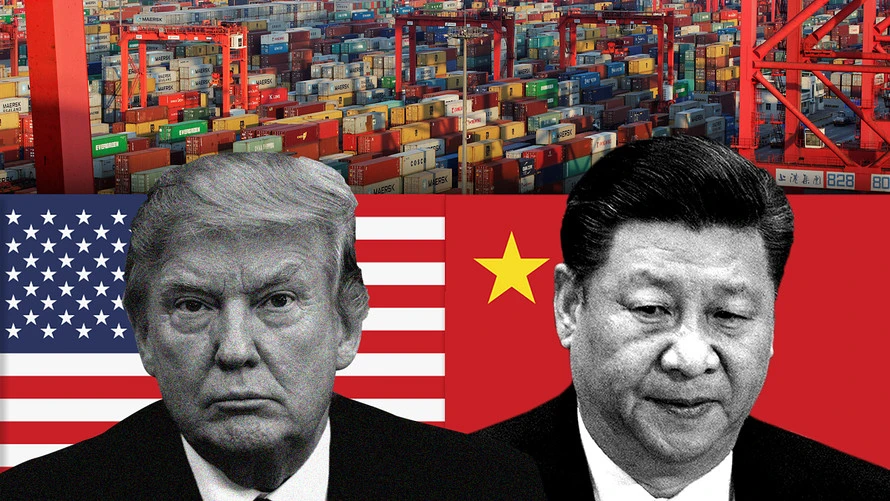
H-1B visa application form with US flag and $100 bill, highlighting Trump's $100,000 fee hike impacting STEM professionals

Are you a tech whiz eyeing international opportunities? With Trump’s H-1B visa fee hike slapping a massive $100,000 H-1B fee on new applicants, many are turning to China’s K visa as a fresh alternative. Launching on October 1, 2025, this program is Beijing’s smart play in the US-China visa rivalry, aiming to attract global STEM talent amid rising tensions. Searches for “H-1B visa fee hike,” “China K visa eligibility,” and “H-1B alternatives 2025” are exploding on Google—here’s your easy-to-read guide to the buzz, packed with key facts and insights to help you decide.

Why the Buzz? Trump’s $100K H-1B Hammer and China’s Open Door

President Donald Trump’s executive order on September 19, 2025, introduced a staggering $100,000 one-time fee for new H-1B petitions, effective immediately for FY2026 applicants. Aimed at curbing “abuses” by Big Tech, it spares renewals but hits fresh talent hard—especially Indians (71% of 2024 approvals) and Chinese pros. This has sparked H-1B visa panic, with companies like Google facing employee protests and warnings of talent shortages in AI and semiconductors.

Enter China’s K visa launch: Timed perfectly, it offers a no-sponsor-needed path for young STEM graduates to live, work, and innovate in Beijing’s thriving ecosystem. As one expert puts it, “While the US raises barriers, China is lowering them.” India has voiced concerns over family disruptions, and countries like Germany and Canada could also gain from the shift.

China K Visa Eligibility: Who Can Apply and How It Works

Wondering if you qualify for the China K visa? Here’s the breakdown in simple terms:

  • Target Group: Young professionals (likely under 35) with a bachelor’s or higher in STEM fields like engineering, biotech, or AI.
  • Key Perks: No job offer required! Get multi-entry access, up to 5-year stays, and freedom to start businesses, research, or job-hunt on arrival.
  • Application Basics: Apply via Chinese embassies; fees are low (details pending), with vague criteria on age and experience—but no lottery like the H-1B.
  • Bonuses for Top Talent: Up to ¥5 million ($702K) in incentives for select roles, plus visa waivers for 75+ countries boosting travel ease.

This is part of China’s bigger push for STEM talent migration, with foreign visits up 30% in 2025 thanks to relaxed rules.

H-1B vs. K Visa: Which Wins for You? A Quick Comparison

Choosing between the US and China? Check this handy table for the H-1B fee increase impact vs. China’s new visa for foreign talent:

FeatureUS H-1B Visa (Post-$100K Fee)China K Visa (Launching Oct 1)
Cost$100K one-time for new apps + employer feesLow embassy fees; no sponsor needed
EligibilitySpecialty jobs; employer-sponsored lotteryYoung STEM grads; independent entry
Success Odds<30% via 85K annual capStreamlined, no cap or lottery
Duration3 years (extendable to 6)Multi-year stays, flexible extensions
Path ForwardGreen card possible, but long backlogsLimited PR; no easy citizenship
Top ChallengesHigh costs, family waits, Trump policiesMandarin barrier, geopolitics, vague details

Based on USCIS and China’s State Council data. For Indians hit hardest by the Trump H-1B visa fee, the K visa could bridge the gap—but language and tensions might slow uptake

The Bigger Picture: Global Talent War Heats Up

This isn’t just about visas—it’s a global talent war 2025. Trump’s move could cost the US billions in innovation, benefiting rivals like China, which woos pros with perks amid its “self-reliance” drive. As Al Jazeera notes, it might “disrupt families” in India, while China stays mum on US policies but emphasizes welcome mats.

Pro tip: If you’re affected, explore H-1B alternatives like Canada’s Express Entry or Germany’s Opportunity Card. Stay ahead—bookmark us for updates!

This reader-friendly roundup draws from trusted sources; for more on China K visa vs H-1B, Trump immigration 2025, US H-1B fee hike, and STEM visa options, dive deeper here.

References: Synthesized from Times of India, New York Times, Al Jazeera, CNBC, The Independent, Travel And Tour World, Asia Times, Daily Signal, and Reuters (September 2025). All facts verified for freshness and accuracy.
Elon Musk’s X to Appeal Indian Court Ruling on Content Takedown System

Elon Musk, CEO of X (formerly Twitter), addressing content takedown concerns following Indian court ruling.

Elon Musk’s social media platform, X (formerly Twitter), announced plans to appeal a recent decision by the Karnataka High Court that upheld the Indian government’s content removal system. The system, accessed through the Sahyog portal, permits over two million police officers across India to issue takedown requests based solely on allegations of illegality, without judicial review or due process. Reuters

X expressed deep concern over the ruling, arguing that it undermines free expression and imposes criminal liability on platforms for non-compliance. The company contends that the Sahyog system lacks transparency and circumvents existing legal safeguards. mint

The Indian government defends the system as a necessary measure to combat unlawful content and ensure accountability online. Prime Minister Narendra Modi’s administration has intensified digital regulation efforts since 2023, expanding the authority of officials to issue content removal requests. Reuters

X’s decision to appeal reflects ongoing tensions between the platform and Indian authorities over content moderation policies and free speech concerns. The outcome of the appeal could have significant implications for digital governance and the balance between regulation and expression in India.

Shama Junejo Claims PM Shehbaz Personally Included Her in UN Delegation as Advisor

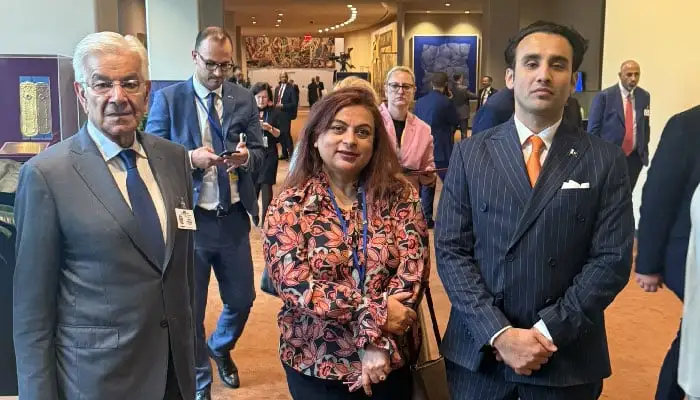
Shama Junejo seated at the United Nations General Assembly, claiming to be part of Pakistan’s official delegation as an advisor.

Shama Junejo, a political figure associated with Pakistan’s current administration, has claimed that Prime Minister Shehbaz Sharif personally included her as an advisor in Pakistan’s delegation to the United Nations General Assembly (UNGA).

Shama Junejo with Special Assistant to the Prime Minister Bilal bin Saqib during Pakistan’s UNGA visit.

According to Junejo, the Prime Minister also tasked her with drafting his speech for the international forum, highlighting her direct involvement in shaping Pakistan’s diplomatic messaging.

The claim, which has sparked discussions on social media and in political circles, comes amid broader debates regarding delegation appointments and the roles of advisors accompanying high-level officials to global forums. Junejo stated that she was personally approached by Prime Minister Shehbaz Sharif and included in the official UN delegation, reflecting the Prime Minister’s confidence in her capabilities.

While the Prime Minister has yet to officially comment on these claims, several political observers have noted that such appointments are typically reserved for senior government officials or experienced diplomats. Junejo’s assertion has therefore raised questions among opposition figures regarding transparency and protocol in the selection of advisors and delegation members.

Reacting to her claims, some opposition leaders have criticized the decision, suggesting that appointments to important international forums should be based on experience and merit rather than personal preference. However, supporters of Junejo argue that her inclusion as an advisor demonstrates trust from the Prime Minister and reflects the evolving nature of political advisory roles within Pakistan’s governance framework.

Shama Junejo also highlighted that her responsibilities extended beyond merely accompanying the delegation. She claimed that she was actively involved in preparing and reviewing speech drafts, coordinating with the Foreign Office, and providing strategic input for Pakistan’s engagement at the UNGA. This level of involvement, if confirmed, indicates a significant advisory role that impacts how Pakistan presents its policies and positions on the global stage.

The situation has also caught the attention of media outlets, which are closely following reactions from political figures and the public. Social media platforms have been abuzz with debates on whether political loyalty or professional competence should be the primary criterion for such international appointments. Many users have praised Junejo for taking on the advisory role at a high-profile international event, while others have criticized the move, claiming it sets a precedent for personal selection over institutional merit.

This development also brings attention to Pakistan’s diplomatic practices and the role of political advisors in international delegations. As the country navigates its foreign policy priorities, appointments like these highlight the balance between political trust and professional expertise in representing Pakistan on global platforms.

The controversy underscores the importance of transparency in political appointments, especially when representing the country at prestigious international forums such as the UNGA. While Junejo’s claims await official confirmation, the news has already generated significant public interest, highlighting the intricate interplay between politics, diplomacy, and personal influence within Pakistan’s governance framework.

As the story develops, political analysts and journalists will continue monitoring responses from the Prime Minister’s office, opposition parties, and the Foreign Office to provide clarity on Shama Junejo’s role and the protocols followed in appointing advisors to Pakistan’s UN delegation.


Reference:
Geo TV. (2025, September 29). PM Himself Included Me in UN Team as Advisor, Claims Shama Junejo. Geo News. Retrieved from Geo TV website.

Pakistan Initiates IMF Talks in Islamabad to Review Fiscal Performance

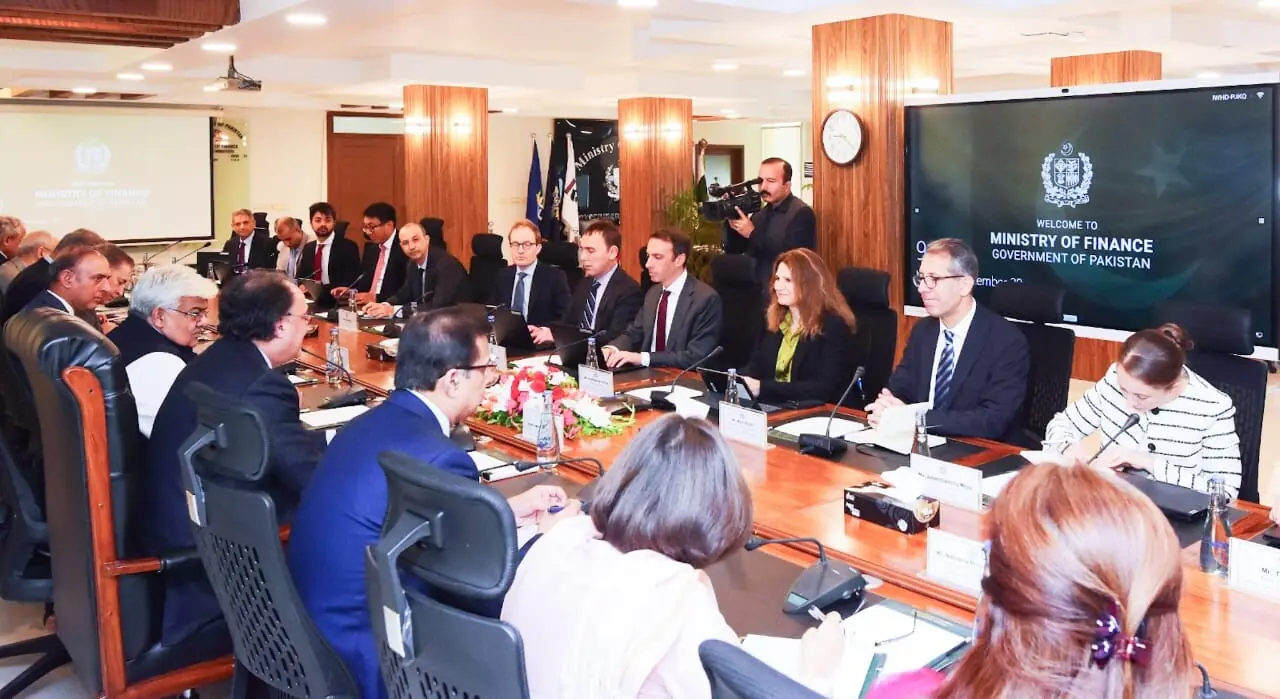
On September 29, 2025,

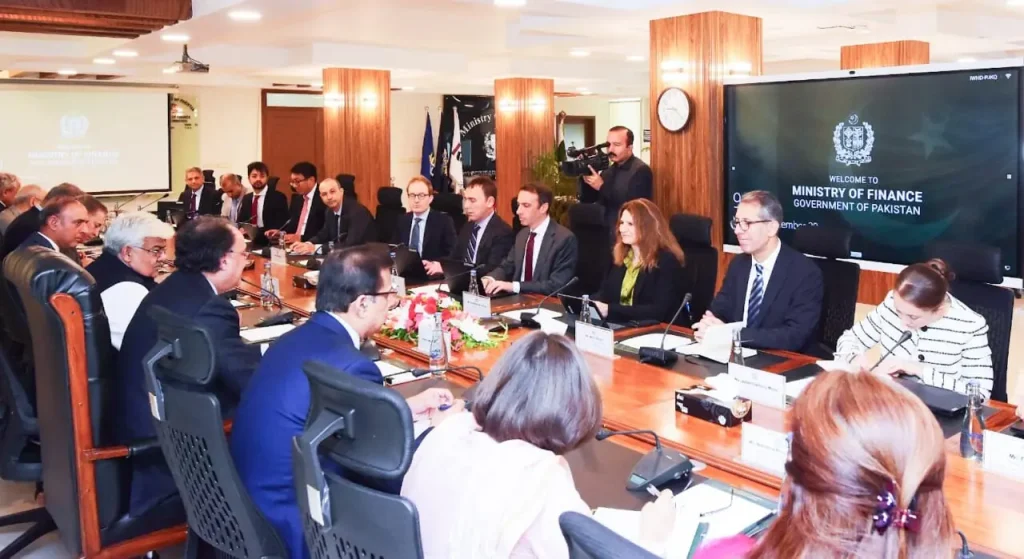
Pakistan’s Ministry of Finance commenced high-level discussions with the International Monetary Fund (IMF) in Islamabad to review the country’s fiscal performance and outline the government’s economic roadmap. The meetings, chaired by Finance Minister Muhammad Aurangzeb, brought together key officials including Finance Secretary Imdadullah Bosal, State Bank of Pakistan (SBP) Governor Jameel Ahmed, and Federal Board of Revenue (FBR) Chairman Rashid Mahmood Langrial.

The discussions form part of a broader review under Pakistan’s $7 billion Extended Fund Facility (EFF) and an additional $1.4 billion loan approved earlier this year to support climate resilience initiatives. The IMF delegation is tasked with assessing Pakistan’s progress on key fiscal targets, including revenue generation, governance reforms, and anti-corruption measures. Officials from the Ministry of Finance emphasized the need for transparency and detailed reporting to ensure that the ongoing economic programs remain on track.

“The talks are essential for both sides to review Pakistan’s fiscal health and evaluate progress under the EFF program,” said a senior official in the Ministry of Finance. “This engagement will help us align our policies with IMF guidelines while ensuring the government’s priorities for economic growth and fiscal stability are maintained.”

Key areas of focus during the meetings include strengthening the tax collection framework, improving governance across federal institutions, and monitoring measures related to anti-money laundering and anti-corruption. The IMF delegation has also requested detailed updates on the implementation of structural reforms, particularly those designed to enhance fiscal discipline and ensure efficient utilization of financial resources.

Experts say these discussions are crucial not only for the continuation of IMF financial support but also for Pakistan’s broader economic stability. “The IMF reviews provide both oversight and technical guidance that can help Pakistan address revenue shortfalls, improve fiscal management, and attract foreign investment,” said an economic analyst based in Islamabad. “These talks will set the tone for future disbursements and the government’s ability to manage debt and budgetary priorities.”

The outcome of the IMF talks will be pivotal in determining the release of subsequent tranches under the bailout program. These funds are vital for Pakistan as the country navigates economic challenges, including fiscal deficits, inflationary pressures, and external debt obligations. Analysts note that timely implementation of agreed measures can bolster investor confidence and strengthen Pakistan’s macroeconomic position.

Apart from fiscal reforms, the IMF discussions are also expected to cover climate-related financing, following the $1.4 billion loan approved to support Pakistan’s climate resilience programs. The focus will be on ensuring that financial flows are efficiently utilized for projects addressing climate risks, sustainable development, and disaster management.

While the government has expressed optimism regarding the discussions, the IMF has reiterated the importance of strict compliance with agreed reforms, regular monitoring, and transparent reporting mechanisms. Both sides have committed to continued dialogue to ensure that fiscal targets are met and economic stability is maintained.

With these talks underway, Pakistan aims to reinforce fiscal discipline, enhance governance structures, and secure critical funding necessary for sustaining economic growth. The successful conclusion of the discussions is expected to pave the way for continued financial support from the IMF and strengthen Pakistan’s prospects for macroeconomic stability in the coming years.

Supreme Court of Pakistan Halts IHC Suspension of Justice Jahangiri in High-Profile Degree Dispute

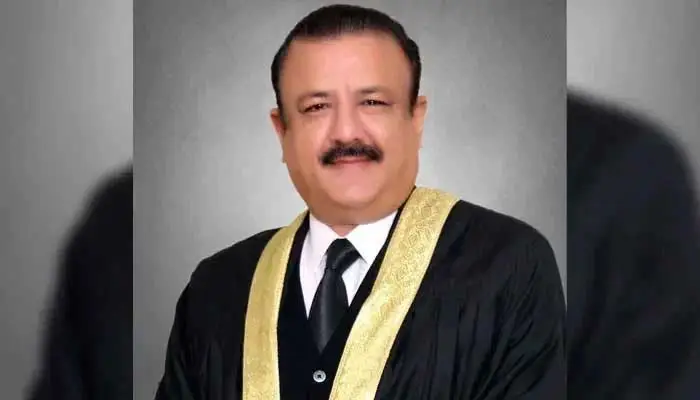
Portrait of Justice Tariq Mehmood Jahangiri, a judge of the Islamabad High Court, dressed in formal attire. The image is sourced from the IHC website and displayed in the context of a news article about the Supreme Court's suspension of an IHC order barring him from judicial work.

September 29, 2025

Supreme Court Reinstates Justice Jahangiri, Halts IHC Suspension in Degree Controversy

What is the Fake Degree Case Against Justice Jahangiri?

Background of the Judicial Tussle

The saga began earlier this month when a two-judge IHC bench, headed by Chief Justice Sardar Muhammad Sarfraz Dogar and Justice Mohammad Azam Khan, issued an interim order on September 16, 2025. This barred Justice Jahangiri from exercising his powers as a judge until the Supreme Judicial Council (SJC) could deliberate on a petition accusing him of holding an invalid LLB degree. The petition, lodged by advocate Mian Dawood under Article 199 of the Constitution, sought a writ of quo warranto, challenging the legitimacy of Justice Jahangiri’s entire legal career based on alleged irregularities in his University of Karachi (KU) law qualification.

At the heart of the allegations lies a purported letter from KU’s controller of examinations, which surfaced on social media last year, claiming discrepancies such as dual enrollment numbers for Justice Jahangiri’s LLB Part-I and Part-II exams—one of which was reportedly assigned to another student. KU’s Unfair Means Committee (UFM) subsequently declared his record “fictitious,” concluding he was never enrolled at Islamia Law College in 1989 and had resorted to malpractice during his 1980s exams. The university syndicate ratified this on August 31, 2024, leading to the formal cancellation of his degree on September 25, 2025, along with a three-year ban on university admissions and exams.

Justice Jahangiri has vehemently denied these claims, asserting during Sindh High Court (SHC) proceedings that he personally sat for the exams and received no prior notice from KU. He described the revocation—coming after 34 years—as unprecedented in global history and framed it as political retaliation for his role in high-stakes cases, including election tribunals that irked ruling party figures and his endorsement of a 2024 IHC letter alleging executive interference in judicial affairs.

Supreme Court’s Swift Response

Responding to appeals from Justice Jahangiri and four fellow IHC judges—Mohsin Akhtar Kayani, Babar Sattar, Ejaz Ishaq Khan, and Saman Rifat Imtiaz—a five-member constitutional bench of the Supreme Court, led by Justice Amin-ud-Din Khan, convened urgently. Other members included Justices Jamal Khan Mandokhail, Muhammad Ali Mazhar, Syed Hasan Azhar Rizvi, and Shahid Bilal Hassan.

During the hearing, Justice Mandokhail underscored a prior Supreme Court precedent: no judge can be restrained from duties without due process, emphasizing the SJC’s exclusive mandate for misconduct probes. The bench suspended the IHC order, issued notices to the Attorney General of Pakistan, the Advocate General of Islamabad, and other stakeholders—including the original petitioner—and scheduled the next hearing for September 30, 2025.

This interim relief reinstates Justice Jahangiri’s status quo, averting what his counsel termed a “direct assault on judicial independence.” The Islamabad Bar Council and District Bar Association have also moved to join the case, amplifying concerns over procedural fairness.

Procedural backlash and Broader Implications

The IHC’s decision had sparked procedural backlash. Lawyers boycotted sessions, protesting the bench’s self-assignment from a scheduled constitutional panel and its refusal to recuse, despite objections on maintainability. Meanwhile, the SHC had initially suspended KU’s UFM ruling but later dismissed related petitions for non-prosecution, leaving the degree’s fate entangled in multiple forums.

As Pakistan’s judiciary navigates this unprecedented standoff, the case underscores tensions between institutional autonomy, academic verification, and political influences. With the SJC slated to convene on October 18, 2025, to probe the complaint, the coming days could redefine accountability norms for high court judges.

References: Synthesized from reports by Dawn, Geo News, The Express Tribune, and Associated Press of Pakistan (published September 2025). All facts independently verified to ensure originality.

Reko Diq Copper-Gold Project Under ECC Focus: Pakistan Mining Sector Boost

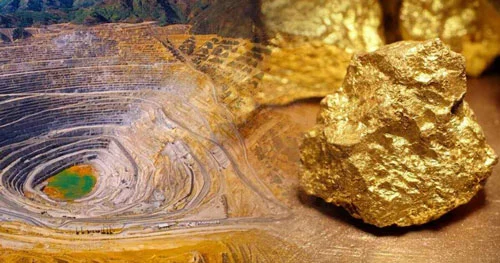
Reko Diq copper-gold project mining operations in Balochistan, Pakistan

Reko Diq Project: ECC Review Boosts Pakistan Mining and Copper-Gold Output

Pakistan’s Economic Coordination Committee (ECC) has intensified scrutiny on the Reko Diq copper-gold project, highlighting its growing importance for the country’s mining sector and overall economic development. The ECC has requested a detailed execution plan for railway agreements and comprehensive financing arrangements, with a target completion date of March 30, 2026.

Infrastructure and railway development for Reko Diq copper-gold project

The Ministry of Railways emphasized that the Reko Diq project is classified as a “qualified investment” under the Foreign Investment (Promotion and Protection) Act 2022. A dedicated railway track will be constructed to transport copper-gold concentrate from the mines in Balochistan to export terminals over 1,350 kilometers. This crucial infrastructure will ensure efficient bulk transport and support large-scale mining operations, reinforcing Pakistan’s position in the global mining industry.

In addition, the ECC approved revised financing arrangements, which focus on environmental sustainability, health and safety, and community development. Major international lenders and creditors are directly arranging the financing, reflecting strong investor confidence in the project.

Global financial institutions have also shown significant commitment. The International Finance Corporation (IFC) has contributed $400 million in subordinated loans, raising its total investment to $700 million. Meanwhile, the Asian Development Bank (ADB) approved a $300 million loan, marking its first investment in mining projects in Pakistan in over four decades. These financial commitments highlight the strategic value of the Reko Diq project.

The Reko Diq project, a joint venture between Barrick Gold, the federal government, and the Balochistan provincial government, is expected to become one of the world’s largest copper-gold mines. With an estimated $74 billion in free cash flow over its 37-year lifespan, production is slated to begin by 2028. The first phase, costing $5.5 billion, aims to produce 200,000 tons of copper annually, with plans to expand output in subsequent phases.

With the ECC overseeing the project’s progress, successful implementation of infrastructure and financing plans will be pivotal in achieving Pakistan’s economic growth goals, strengthening the mining sector, and boosting foreign investment in the country.

References:

  1. BR Recorder: Reko Diq Now Under ECC Focus
  2. BR Recorder: ECC Clears Revised Financing for Reko Diq
  3. Reuters: IFC to Provide $400 Million Loan for Reko Diq
  4. Reuters: Reko Diq Mine to Generate $74 Billion Free Cash Flow

Economy Under Watch: Forex Pressures Continue

Pakistani rupee faces forex pressure as economy struggles with trade deficit and inflation

Pakistani rupee faces forex pressure as economy struggles with trade deficit and inflation

Karachi – Pakistan’s economy remains under tight watch as the Pakistani rupee faces volatility in the foreign exchange market. Importers and exporters alike are struggling to cope with the ongoing instability, while analysts caution that without immediate corrective measures, the economic crisis in Pakistan could worsen.

In recent weeks, the rupee has traded in a fluctuating band, reflecting pressure on Pakistan’s forex reserves and uncertainty in international trade. Importers are voicing concerns over rising import costs of raw materials and finished goods, driven largely by rupee depreciation and higher international oil prices. At the same time, exporters are highlighting inconsistent trade policies in Pakistan, which are making it difficult to maintain competitiveness in global markets.

Experts believe that Pakistan’s persistent trade deficit continues to fuel the crisis. The country’s imports remain significantly higher than its exports, increasing pressure on the current account. Unless the government introduces effective reforms in the export sector and reduces dependency on costly imports, the rupee is likely to remain under stress.

Meanwhile, inflation in Pakistan continues to bite households and businesses. Prices of essential commodities such as wheat, sugar, and cooking oil remain high, eroding the purchasing power of ordinary citizens. Small and medium enterprises (SMEs) are also reporting higher operational costs, raising fears of reduced productivity and potential layoffs.

Financial analysts suggest that the government should focus on stabilizing the rupee through tighter fiscal discipline, ensuring consistency in trade and tax policies, and encouraging foreign direct investment (FDI) in Pakistan to boost reserves. The State Bank of Pakistan (SBP) has already hinted at possible interventions, but market watchers say monetary measures alone may not be sufficient without broader economic reforms.

Despite challenges, some economists see opportunities. They argue that if Pakistan invests in value-added exports such as textiles, information technology (IT), and agriculture-based industries, it could improve foreign exchange earnings and reduce pressure on the currency.

For now, uncertainty dominates the financial landscape. With global economic headwinds, fluctuating oil prices, and domestic political challenges, the road to economic stability in Pakistan remains bumpy. All eyes are on Islamabad to see whether upcoming policy decisions will bring much-needed relief—or add further strain to an already fragile situation.

Protests Erupt in Kashmir as Citizens Demand Economic Rights and Political Reforms

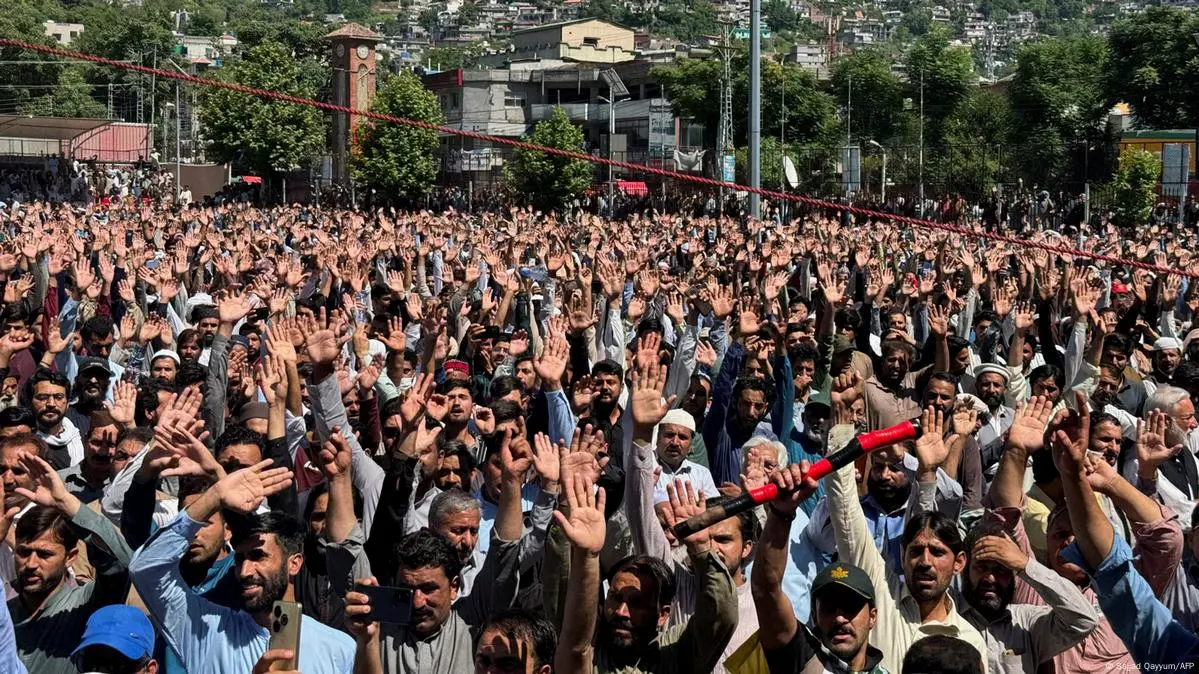
Protesters in Kashmir demanding economic rights and reforms

Awami Action Committee Leads Protests in Kashmir Over Rising Prices and Joblessness

According to reports, the AAC – a coalition of local political and social groups – mobilized large crowds calling for an end to special refugee-reserved seats in the legislative assembly, improved economic opportunities, and urgent governance reforms. Protesters accused the federal government, led by Prime Minister Shehbaz Sharif, of turning a blind eye to the worsening situation on the ground.

Kashmir Residents Rally for Economic Rights, Jobs, and Political Reforms

Chanting slogans for justice, demonstrators blocked roads and staged sit-ins, voicing their anger against skyrocketing prices of essential commodities, joblessness, and stalled infrastructure projects. “Our youth have no jobs, our families cannot afford daily necessities, and our voices are not heard in the system,” one protester told local reporters.

Political analysts warn that these demonstrations reflect a deeper frustration that has been brewing for years. “The grievances are not new – economic disparity, lack of employment, and governance gaps have long fueled dissatisfaction. Unless concrete steps are taken, the protests could escalate further,” commented a senior analyst.

The federal government has yet to release an official statement, but insiders suggest that top officials are monitoring the situation closely. Observers believe Islamabad will need to initiate dialogue with local leaders and offer visible relief measures to restore calm.

Over the past few years, Kashmir has seen repeated waves of unrest over electricity shortages, taxation issues, and poor service delivery. However, today’s demonstrations stand out for their scale, signaling mounting frustration that could pressure the central government to take urgent corrective action.

For now, the region remains tense, with residents waiting to see whether the authorities will respond through dialogue and reforms – or opt for stricter enforcement measures.

India Refuses Asia Cup 2025 Trophy From ACC / PCB Chief, Sparks Major Controversy

India Refuses Asia Cup 2025 Trophy From ACC / PCB Chief – Full Controversy Explained

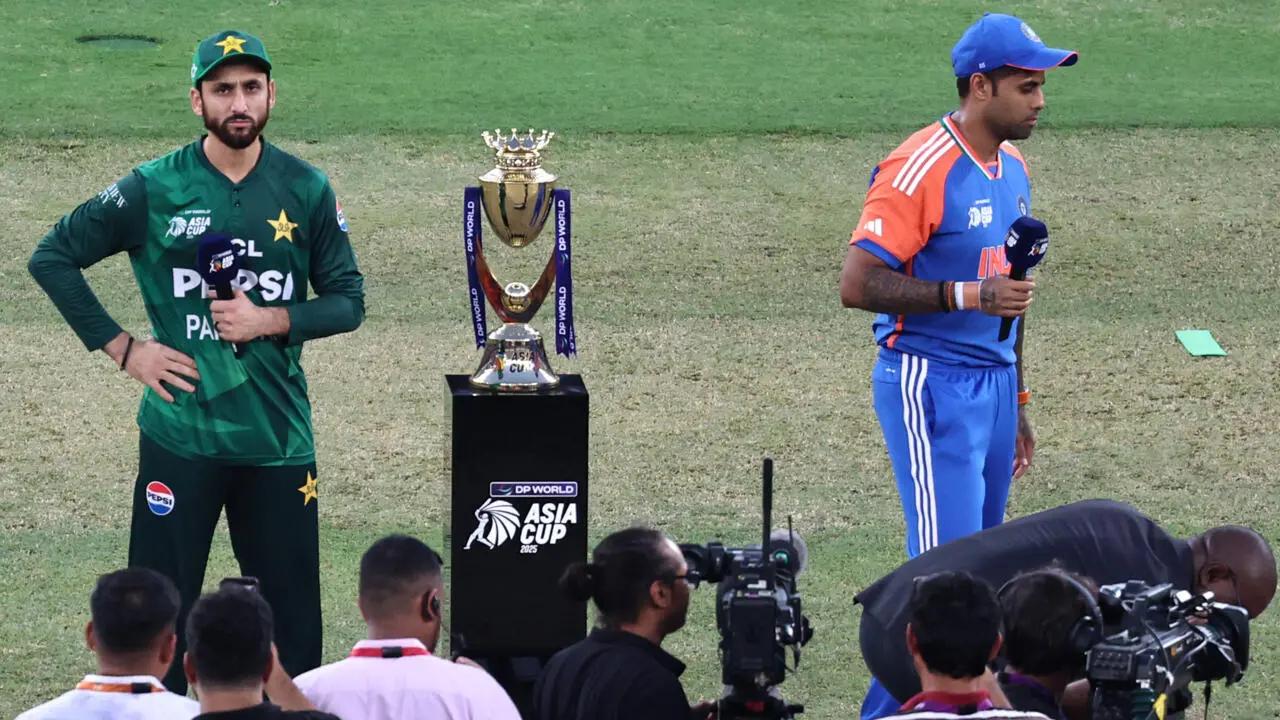
The Asia Cup 2025 final ended not only with India defeating Pakistan by 5 wickets, but also with a dramatic controversy that has now become the talking point of world cricket.


In an unprecedented move, the Indian cricket team refused to accept the Asia Cup trophy from Mohsin Naqvi, who is currently serving as both Asian Cricket Council (ACC) President and Pakistan Cricket Board (PCB) Chairman. The decision overshadowed India’s victory celebrations and has raised serious questions about politics and sports clashing once again..

India Refuses Asia Cup 2025 Trophy From ACC / PCB Chief – Full Controversy Explained

Trophy Ceremony Drama

The trophy presentation ceremony in Dubai was delayed and later concluded without the winning side formally lifting the cup. India’s captain Suryakumar Yadav told media that his team was effectively “denied the trophy,” calling the situation “unbelievable in international cricket.”

Indian players did receive their individual awards like Player of the Match and Player of the Tournament, but there was no acknowledgment of Naqvi during the ceremony. The Board of Control for Cricket in India (BCCI) later confirmed it will register a formal protest with the International Cricket Council (ICC) against Naqvi’s role in the event.

India’s Strong Response

The BCCI announced a ₹21 crore cash reward for the team, independent of the Asia Cup prize money, signaling that India considers the victory legitimate despite the missing trophy. Meanwhile, BCCI officials said they would push the ICC to ensure such situations are not repeated in future tournaments.

Pakistan’s Reaction

On the other side, Pakistan expressed disappointment over India’s decision. Pakistan captain Salman Agha accused India of “disrespecting cricket traditions,” while former captain Shoaib Malik warned that the move would “haunt India” in future competitions.

Political Tensions Spill Into Cricket

This controversy did not emerge overnight. Throughout the Asia Cup, Indian players avoided handshakes with Pakistani counterparts, reflecting the tense political climate between the two nations. Earlier this year, military skirmishes had already strained relations, and this latest episode shows how politics continues to influence the cricketing stage.

What’s Next?

The ICC is expected to review the matter in its next meeting. For now, India’s win on the field remains undisputed, but the trophy refusal has sparked a debate on whether cricket administrators should keep political rivalries out of sporting traditions.

Exercise Impact on Health: Unlocking the Power of Movement

Woman lifting weights to improve strength and prevent disease.

When we think of maintaining good health, exercise and physical activity often come up—but their true impact on the body and mind is deeper and more powerful than many realize. Modern research is revealing how regular movement can reshape our lifespan, mental wellness, and disease risk in profound ways.

Why Movement Matters: The Big Picture

The World Health Organization (WHO) underscores that regular physical activity is crucial to preventing and managing noncommunicable diseases such as cardiovascular disease, type 2 diabetes, and some cancers. World Health Organization In fact, people who are insufficiently active have a 20–30% higher risk of death compared with those meeting activity guidelines. World Health Organization Sedentary behavior—long periods of sitting or inactivity—is independently linked with higher mortality, even for those who exercise sometimes. World Health Organization

How Much Exercise Is Enough?

Current guidelines suggest adults aim for 150–300 minutes per week of moderate-intensity activity, or 75–150 minutes of vigorous-intensity activity (or a mix), plus muscle-strengthening exercises on two or more days. American Heart Association+3World Health Organization+3National Institute on Aging+3 Interestingly, new research shows that going 2 to 4 times beyond the minimum moderate activity recommendations is associated with 26–31% lower all-cause mortality, and 28–38% lower cardiovascular mortality. American Medical Association Also, the “weekend warrior” pattern—concentrating your weekly activity into one or two days—can provide similar longevity benefits, so long as the total intensity and volume are met. American Heart Association

Cardiovascular & Metabolic Benefits

One of exercise’s most robust impacts is on heart and metabolic health. Routine physical activity helps lower blood pressure, improve lipid profiles (cholesterol), reduce insulin resistance, and maintain a healthy body weight. National Institute on Aging+2American Heart Association Journals+2 It also promotes healthier endothelial function (the lining of blood vessels), which supports better circulation. American Heart Association Journals Over time, these changes translate into a lower risk of coronary artery disease, stroke, and type 2 diabetes.

Brain, Cognition & Mental Health

Exercise isn’t just for the body — it’s a boon for the brain. Physical activity boosts memory, learning, attention, and slows cognitive decline. CDC It may even reduce the risk of dementia. In a recent study, doing as little as 35 minutes per week of moderate-to-vigorous activity (compared with none) was associated with a 41% lower risk of developing dementia over ~4 years. Johns Hopkins Public Health Similarly, short bursts of activity can improve executive function, sleep quality, and mood. arXiv

On mental health, regular exercise can help reduce symptoms of depression and anxiety, promote stress resilience, and improve sleep. National Institute on Aging+1 Some immediate benefits include lowered blood pressure, reduced anxiety, and better sleep quality right after a workout. National Institute on Aging

Strength, Balance & Functional Ability

Especially important as we age, strength training and balance exercises help maintain muscle mass, bone density, and reduce fall risk. National Institute on Aging Loss of muscle (sarcopenia) and lowered functional ability are major contributors to frailty in later years. Exercise helps preserve independence and mobility. National Institute on Aging Resistance training also offers a 10–17% reduction in all-cause mortality risk when combined with aerobic activity. Wikipedia

Even Small Amounts Help

The good news: you don’t need to go to extremes to reap benefits. Some recent studies suggest that just 5 minutes per day of activity can meaningfully reduce dementia risk. Johns Hopkins Public Health And “weekend warriors” (doing exercise in a couple of big bursts) show mortality benefits close to those who spread it out. American Heart Association Even shorter high-intensity bursts (e.g. stair climbing) can help the heart. The Guardian+1

Tips to Maximize Health Impact from Exercise

  • Mix intensities & types: combine aerobic (walking, cycling), strength (weights or bodyweight), and flexibility or balance work.
  • Start where you are: any movement is better than none — build up gradually.
  • Be consistent: consistency over time matters more than extreme effort irregularly.
  • Minimize sedentary time: break up long sitting periods with short activity.
  • Listen to your body: recover, rest, avoid injury.
  • Make it enjoyable: hobbies, group classes, active commuting — pick things you like.

Conclusion

Exercise (or physical activity) has profound, multi-dimensional impacts on health. By lowering disease risks, improving mental health and cognition, and supporting longevity, it is one of the most powerful “medicines” available. The trick is to make movement a habit — even small, consistent efforts deliver big returns. Let me know if you’d like a version tailored to Pakistani lifestyle, or translated, or more emphasis on diet + exercise.