
Reko Diq Copper-Gold Project Under ECC Focus: Pakistan Mining Sector Boost
Reko Diq Project: ECC Review Boosts Pakistan Mining and Copper-Gold Output
Pakistan’s Economic Coordination Committee (ECC) has intensified scrutiny on the Reko Diq copper-gold project, highlighting its growing importance for the country’s mining sector and overall economic development. The ECC has requested a detailed execution plan for railway agreements and comprehensive financing arrangements, with a target completion date of March 30, 2026.
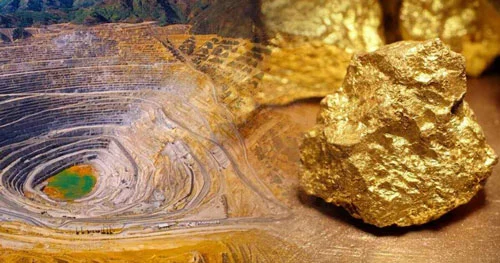
The Ministry of Railways emphasized that the Reko Diq project is classified as a “qualified investment” under the Foreign Investment (Promotion and Protection) Act 2022. A dedicated railway track will be constructed to transport copper-gold concentrate from the mines in Balochistan to export terminals over 1,350 kilometers. This crucial infrastructure will ensure efficient bulk transport and support large-scale mining operations, reinforcing Pakistan’s position in the global mining industry.
In addition, the ECC approved revised financing arrangements, which focus on environmental sustainability, health and safety, and community development. Major international lenders and creditors are directly arranging the financing, reflecting strong investor confidence in the project.
Global financial institutions have also shown significant commitment. The International Finance Corporation (IFC) has contributed $400 million in subordinated loans, raising its total investment to $700 million. Meanwhile, the Asian Development Bank (ADB) approved a $300 million loan, marking its first investment in mining projects in Pakistan in over four decades. These financial commitments highlight the strategic value of the Reko Diq project.
The Reko Diq project, a joint venture between Barrick Gold, the federal government, and the Balochistan provincial government, is expected to become one of the world’s largest copper-gold mines. With an estimated $74 billion in free cash flow over its 37-year lifespan, production is slated to begin by 2028. The first phase, costing $5.5 billion, aims to produce 200,000 tons of copper annually, with plans to expand output in subsequent phases.
With the ECC overseeing the project’s progress, successful implementation of infrastructure and financing plans will be pivotal in achieving Pakistan’s economic growth goals, strengthening the mining sector, and boosting foreign investment in the country.
References: