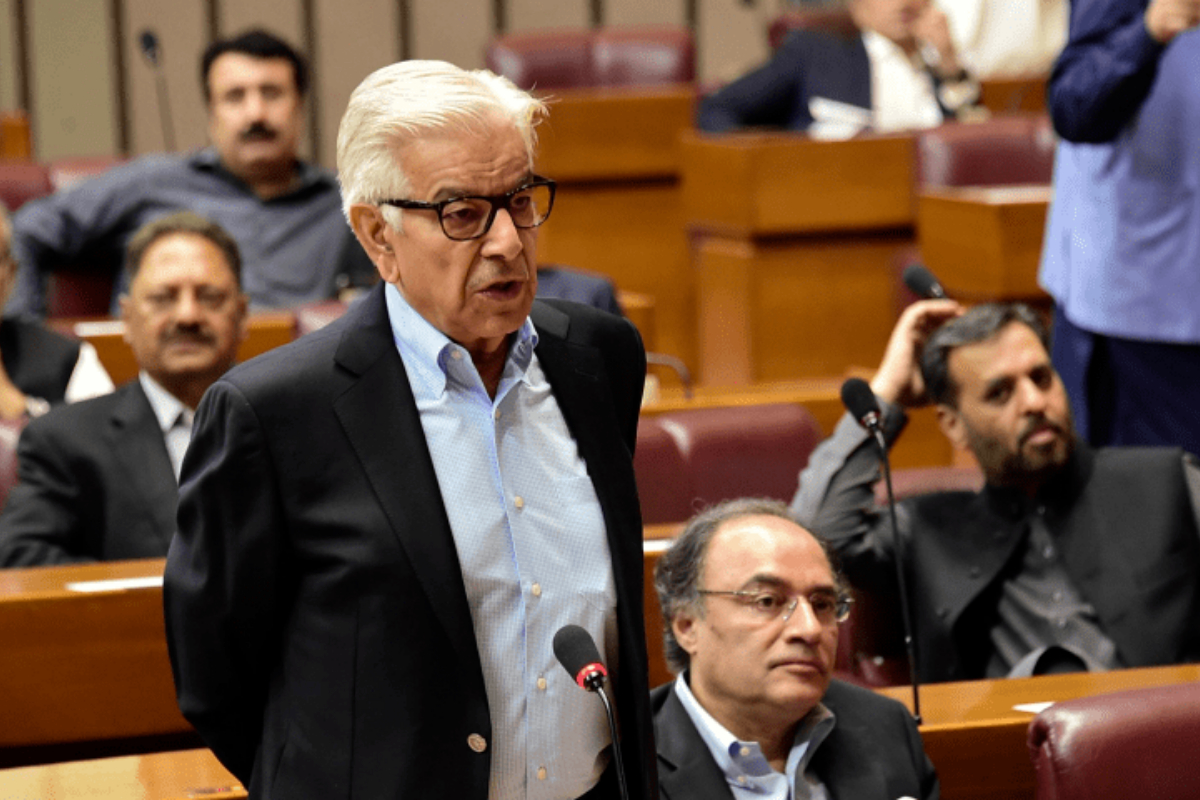
ISLAMABAD: According to the agenda released for today’s sitting, Defence Minister Khawaja Asif will move the Army Act Amendment Bill in the Senate for its formal approval.
As per the agenda, the minister will also table the Pakistan Air Force Act Amendment Bill for approval, while the Pakistan Navy Ordinance Amendment Bill is similarly scheduled to be presented in the Upper House.
Law Minister Azam Nazeer Tarar will lay before the Senate the Supreme Court Practice and Procedure (Amendment) Bill for final approval. All these bills have already been passed by the National Assembly and will now be taken up by the Senate.
The National Assembly, following the passage of the 27th Constitutional Amendment, has already approved the Army Act 2025. Under this act, a fresh notification will be issued appointing the Army Chief as the Chief of Defence Forces, after which the Army Chief’s tenure will restart.
According to the amended Army Act, the Army Chief, in the capacity of Chief of Defence Forces, will oversee the restructuring and integration of all branches of the Pakistan Army. The Prime Minister, on the Army Chief’s recommendation, will appoint the Commander of the National Strategic Command.
The Commander of the National Strategic Command will have a three-year term, extendable for another three years. The act also states that the post of Chairman Joint Chiefs of Staff Committee will stand abolished from November 27.
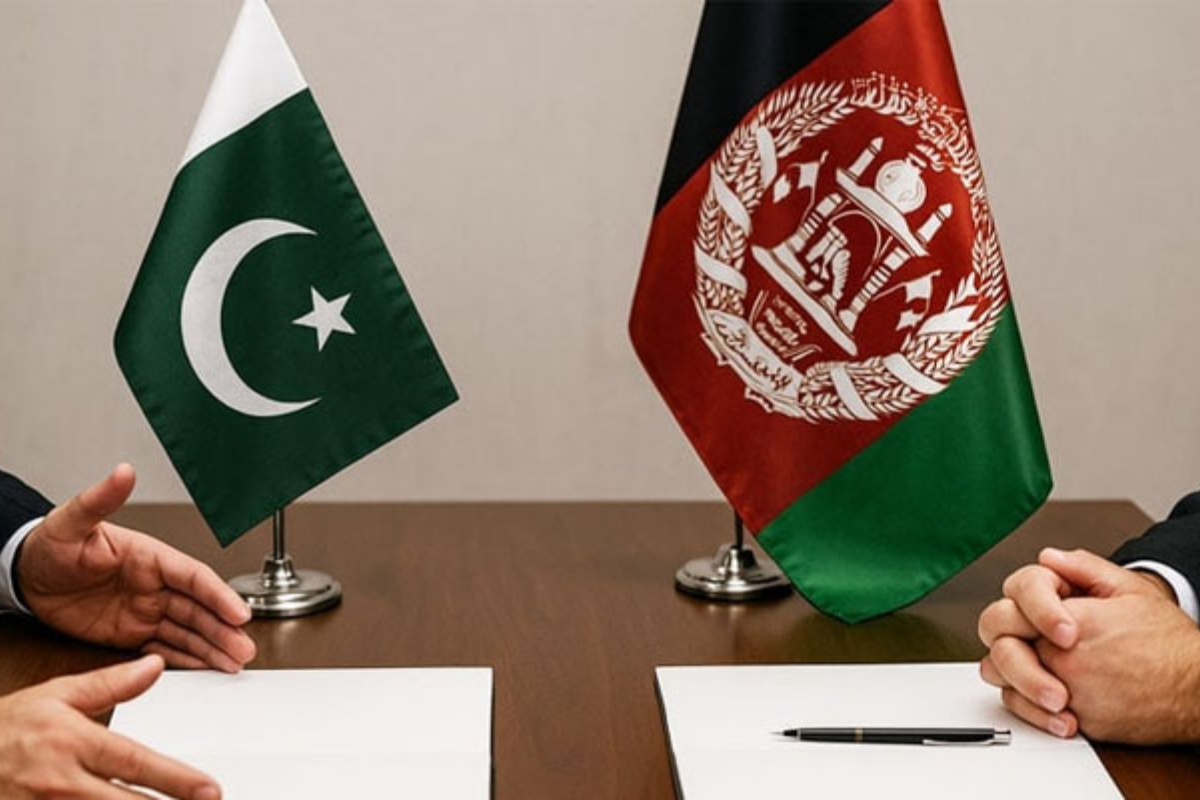
ISLAMABAD: Pakistan and the Afghan Taliban are set to resume high-level negotiations in Istanbul on Thursday, aiming to address security concerns and cross-border militant activity.
Defence Minister Khawaja Asif said that talks are pursued only when there is a possibility of progress. “If there is no chance of advancement, it’s merely a waste of time,” he remarked.
He reiterated Pakistan’s consistent stance that attacks on its territory from across the Afghan border must stop, expressing hope that the Taliban leadership would act wisely for the sake of regional peace.
The previous round of Pakistan-Afghan talks was held on October 25 in Istanbul. The lengthy and tense negotiations failed to yield results on Pakistan’s key demand — an end to terrorism originating from Afghan territory.
During the earlier session, the Afghan delegation reportedly kept seeking instructions from Kabul and Kandahar, delaying the process and causing frustration among participants. After the talks collapsed, the Pakistani delegation had departed for home but returned to Istanbul at Turkey’s request to give the dialogue one final chance.
According to a statement issued by Turkey’s Ministry of Foreign Affairs, both sides have agreed to maintain a ceasefire, establish a monitoring and verification mechanism for peace implementation, and introduce penalties for violations. The two parties will resume high-level discussions today, November 6, in Istanbul.
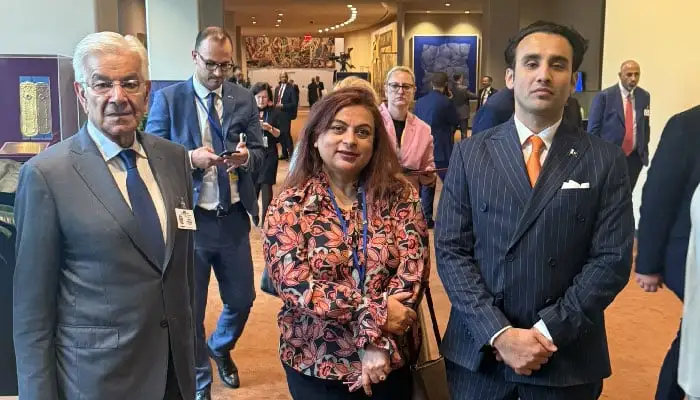
Shama Junejo, a political figure associated with Pakistan’s current administration, has claimed that Prime Minister Shehbaz Sharif personally included her as an advisor in Pakistan’s delegation to the United Nations General Assembly (UNGA).
According to Junejo, the Prime Minister also tasked her with drafting his speech for the international forum, highlighting her direct involvement in shaping Pakistan’s diplomatic messaging.
میں پچھلے کئی مہینوں سے پاکستان اور وزیراعظم صاحب @CMShehbaz کے لئے کام کر رہی تھی! پاک بھارت جنگ کے دوران میرے پالیسی بریفس، ایڈوائس، اور پوائنٹس، سب کچھ ریکارڈ کا حصہ ہے اور محفوظ ہے۔ مجھے وزیراعظم صاحب نے اقوام متحدہ کی تقریر لکھنے کا ٹاسک دیا۔ اور خود وفد کا حصہ بنایا۔… pic.twitter.com/YTED1ZKx1N
The claim, which has sparked discussions on social media and in political circles, comes amid broader debates regarding delegation appointments and the roles of advisors accompanying high-level officials to global forums. Junejo stated that she was personally approached by Prime Minister Shehbaz Sharif and included in the official UN delegation, reflecting the Prime Minister’s confidence in her capabilities.
While the Prime Minister has yet to officially comment on these claims, several political observers have noted that such appointments are typically reserved for senior government officials or experienced diplomats. Junejo’s assertion has therefore raised questions among opposition figures regarding transparency and protocol in the selection of advisors and delegation members.
Reacting to her claims, some opposition leaders have criticized the decision, suggesting that appointments to important international forums should be based on experience and merit rather than personal preference. However, supporters of Junejo argue that her inclusion as an advisor demonstrates trust from the Prime Minister and reflects the evolving nature of political advisory roles within Pakistan’s governance framework.
Shama Junejo also highlighted that her responsibilities extended beyond merely accompanying the delegation. She claimed that she was actively involved in preparing and reviewing speech drafts, coordinating with the Foreign Office, and providing strategic input for Pakistan’s engagement at the UNGA. This level of involvement, if confirmed, indicates a significant advisory role that impacts how Pakistan presents its policies and positions on the global stage.
The Ministry of Foreign Affairs has noted queries regarding the seating of a certain individual behind the Defence Minister at a recent meeting of the UNSC. To clarify, the individual in question was not listed in the official letter of credence for the Pakistan delegation to the… https://t.co/60w0te9hLX
— Ministry of Foreign Affairs – Pakistan (@ForeignOfficePk) September 26, 2025
The situation has also caught the attention of media outlets, which are closely following reactions from political figures and the public. Social media platforms have been abuzz with debates on whether political loyalty or professional competence should be the primary criterion for such international appointments. Many users have praised Junejo for taking on the advisory role at a high-profile international event, while others have criticized the move, claiming it sets a precedent for personal selection over institutional merit.
This development also brings attention to Pakistan’s diplomatic practices and the role of political advisors in international delegations. As the country navigates its foreign policy priorities, appointments like these highlight the balance between political trust and professional expertise in representing Pakistan on global platforms.
The controversy underscores the importance of transparency in political appointments, especially when representing the country at prestigious international forums such as the UNGA. While Junejo’s claims await official confirmation, the news has already generated significant public interest, highlighting the intricate interplay between politics, diplomacy, and personal influence within Pakistan’s governance framework.
As the story develops, political analysts and journalists will continue monitoring responses from the Prime Minister’s office, opposition parties, and the Foreign Office to provide clarity on Shama Junejo’s role and the protocols followed in appointing advisors to Pakistan’s UN delegation.
Reference: Geo TV. (2025, September 29). PM Himself Included Me in UN Team as Advisor, Claims Shama Junejo. Geo News. Retrieved from Geo TV website.