
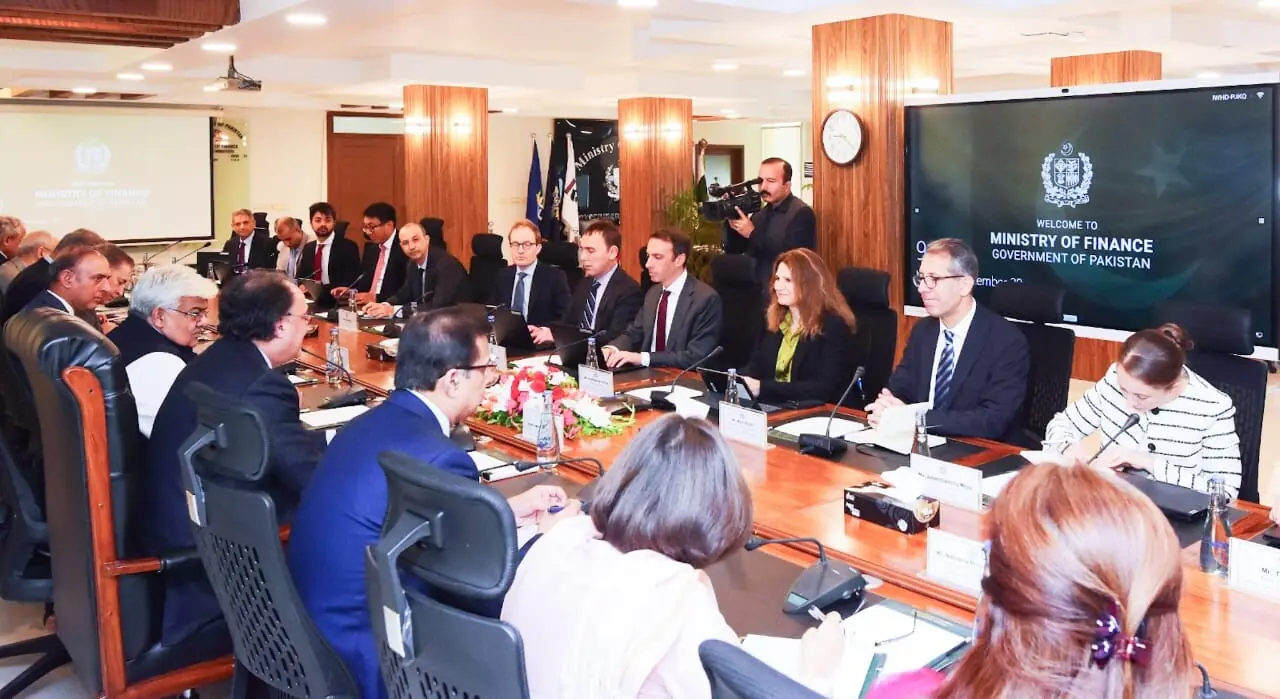
On September 29, 2025,
“The talks are essential for both sides to review Pakistan’s fiscal health and evaluate progress under the EFF program,” said a senior official in the Ministry of Finance. “This engagement will help us align our policies with IMF guidelines while ensuring the government’s priorities for economic growth and fiscal stability are maintained.”
Key areas of focus during the meetings include strengthening the tax collection framework, improving governance across federal institutions, and monitoring measures related to anti-money laundering and anti-corruption. The IMF delegation has also requested detailed updates on the implementation of structural reforms, particularly those designed to enhance fiscal discipline and ensure efficient utilization of financial resources.
Experts say these discussions are crucial not only for the continuation of IMF financial support but also for Pakistan’s broader economic stability. “The IMF reviews provide both oversight and technical guidance that can help Pakistan address revenue shortfalls, improve fiscal management, and attract foreign investment,” said an economic analyst based in Islamabad. “These talks will set the tone for future disbursements and the government’s ability to manage debt and budgetary priorities.”
The outcome of the IMF talks will be pivotal in determining the release of subsequent tranches under the bailout program. These funds are vital for Pakistan as the country navigates economic challenges, including fiscal deficits, inflationary pressures, and external debt obligations. Analysts note that timely implementation of agreed measures can bolster investor confidence and strengthen Pakistan’s macroeconomic position.
Apart from fiscal reforms, the IMF discussions are also expected to cover climate-related financing, following the $1.4 billion loan approved to support Pakistan’s climate resilience programs. The focus will be on ensuring that financial flows are efficiently utilized for projects addressing climate risks, sustainable development, and disaster management.
While the government has expressed optimism regarding the discussions, the IMF has reiterated the importance of strict compliance with agreed reforms, regular monitoring, and transparent reporting mechanisms. Both sides have committed to continued dialogue to ensure that fiscal targets are met and economic stability is maintained.
With these talks underway, Pakistan aims to reinforce fiscal discipline, enhance governance structures, and secure critical funding necessary for sustaining economic growth. The successful conclusion of the discussions is expected to pave the way for continued financial support from the IMF and strengthen Pakistan’s prospects for macroeconomic stability in the coming years.