From mindfulness apps to sleep tourism, wellness is no longer just a habit — it’s a trillion-dollar movement transforming how the world works, travels, and lives.
The Business of Feeling Better
In 2025, the global wellness economy is valued at over $8.5 trillion, according to the Global Wellness Institute. What started as a niche market of yoga retreats and spa products has evolved into a lifestyle revolution — merging health, technology, travel, and productivity.
Across Asia, the Middle East, and Europe, consumers are spending more on mental health, fitness tech, holistic medicine, and mindful living than ever before. The message is universal: people are tired of burnout.
“Wellness is the new wealth,” says Dr. Leena Arora, a behavioral scientist based in Singapore. “The future consumer isn’t chasing status — they’re chasing peace.”
Tech-Enabled Calm
Technology, once blamed for stress, is now a key driver of wellness. AI-powered meditation tools like CalmMind AI, wearable stress trackers, and sleep-optimization apps have turned mental health into a daily routine.
In Pakistan, startups such as MindEase and HappiFi are launching AI-based therapy platforms, offering affordable counseling in Urdu and English. Globally, digital detox retreats are booming — offering phone-free weekends for professionals seeking real connection.
Travel Meets Wellness
“Transformational travel” is now one of the fastest-growing global tourism segments. Instead of sightseeing, travelers are booking eco-retreats, silent meditation camps, and yoga-infused safaris.
Destinations like Bali, Bhutan, Hunza, and Cappadocia are becoming sanctuaries for self-care. Pakistan’s northern valleys are attracting wellness tourists seeking high-altitude healing, traditional herbal remedies, and digital silence.
Travel companies are partnering with mental-health experts and nutritionists to curate itineraries designed to restore, not exhaust.
Corporate Wellness Goes Mainstream
Global corporations are realizing that burnout is expensive. Companies in Japan, the U.K., and the UAE now offer mental-health stipends, mindfulness breaks, and flexible schedules.
The four-day workweek trend (covered earlier by Future Soch) is part of this same movement — employees perform better when they’re balanced. In Pakistan, major firms like Engro, Jazz, and Unilever have begun investing in corporate wellness programs, counseling hotlines, and hybrid work policies.
Mindful Consumption
The 2025 consumer wants authenticity. Organic skincare, clean nutrition, and ethical products are replacing fast trends. Wellness is not just about yoga mats — it’s about values.
Gen Z, especially, is driving this shift. They prefer brands that care about the planet, mental health, and inclusivity. Hashtags like #SlowLiving, #SelfCareSunday, and #WellnessAtWork dominate global social feeds, reflecting a shared pursuit of balance in a noisy world.
The Future: From Wellness to Wholeness
Wellness in 2025 is no longer luxury — it’s survival. As mental-health awareness spreads and technology integrates into lifestyle choices, the wellness economy is set to define the next decade.
Whether through mindful travel, AI therapy, or community fitness, the world is collectively realizing one truth: a healthy mind is the foundation of every future.
As consumerism loses its charm, a quiet revolution is taking root across Pakistan — one that values simplicity, space, and sustainability over status.
A Shift in Mindset
In a world obsessed with more — more possessions, more upgrades, more distractions — a growing number of Pakistanis are choosing less. From Karachi’s urban professionals to Lahore’s creative freelancers, the concept of minimalist living is redefining how people view comfort and success in 2025.
Minimalism, once seen as a Western aesthetic, is now being reinterpreted within Pakistani culture. It’s not just about decluttering homes — it’s about decluttering life. People are questioning consumer habits, rethinking waste, and seeking fulfillment through experiences rather than material possessions.
“I realized my apartment was full of things I never used,” says 30-year-old interior designer Sana Iqbal. “Once I let go of unnecessary stuff, I felt lighter — mentally and financially.”
Minimalism in Pakistani Homes
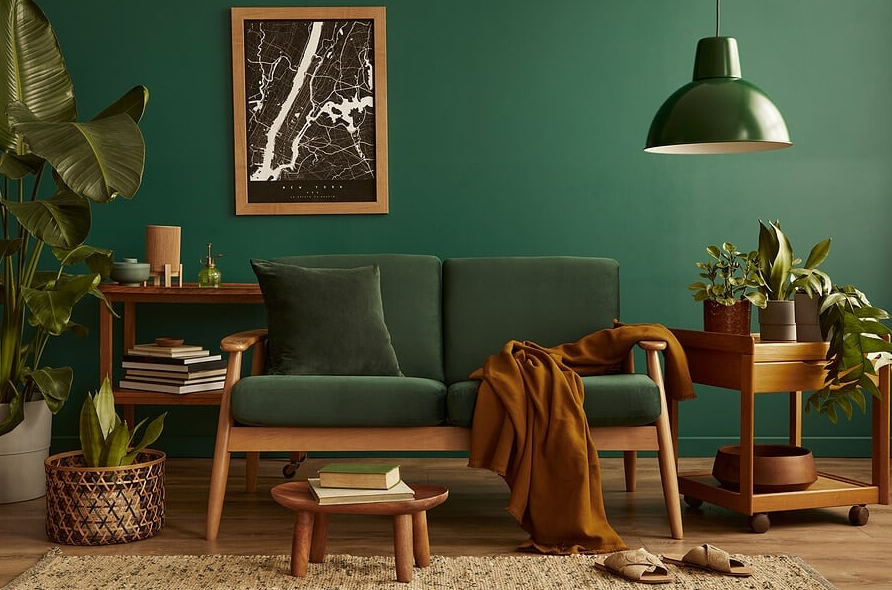
The trend has begun to reshape interior design. Clean lines, open spaces, and neutral tones are replacing heavy furniture and ornate decor. Designers are focusing on functionality — each object has a purpose.
Architectural firms in major cities report increased demand for compact, multi-functional spaces. “Clients want homes that breathe,” explains architect Ahmed Shah from Islamabad. “They prefer natural light, fewer partitions, and sustainable materials like wood and clay.”
Even small apartments are becoming models of mindful living. Instead of filling rooms with furniture, people are investing in quality over quantity — a single handcrafted chair rather than a full, mismatched set.
Minimalism Meets Sustainability
Minimalism in Pakistan isn’t just aesthetic — it’s also environmental. With climate awareness growing, consumers are turning toward sustainable fashion, reusable products, and eco-friendly brands.
Platforms like Daachi Foundation and Polly & Other Stories are promoting local craftsmanship and upcycled design. The younger generation, especially Gen Z, is driving the “buy less, buy better” movement. Thrift stores and pre-loved clothing markets are thriving on Instagram, giving new life to what was once seen as waste.
This mindset is also influencing weddings and events — once known for extravagance. More couples are opting for intimate, minimalist ceremonies, emphasizing experience and meaning over scale and spectacle.
The Mental Freedom of Having Less
Psychologists note a direct link between clutter and stress. In Pakistan’s fast-paced cities, minimalism is becoming a form of mental wellness.
Decluttering spaces — both digital and physical — helps reduce anxiety and decision fatigue. “It’s about controlling your environment instead of being controlled by it,” explains therapist Dr. Huma Asif.
Digital minimalism is also on the rise. Many professionals are limiting screen time, curating social media, and switching to minimalist phone setups to focus on priorities. Apps like Notion and Forest are helping users stay organized and intentional.
Influencers and the Minimalist Aesthetic
Social media, ironically, has helped spread the minimalist lifestyle. Instagram accounts like Minimalist Pakistan and YouTube channels by Pakistani vloggers living abroad are inspiring thousands to adopt simplicity.
Content creators are promoting slow fashion, decluttering tips, and minimalist meal prep ideas that resonate with urban youth. The aesthetic of clean photography, neutral tones, and thoughtful design aligns perfectly with Gen Z’s craving for authenticity.
Minimalism as Freedom, Not Restriction
Critics often misunderstand minimalism as deprivation — but in truth, it’s liberation. It’s not about owning nothing; it’s about owning what matters.
For many Pakistanis, especially young families and freelancers, the shift toward minimalist living is also practical. With rising inflation and limited urban space, simplicity brings stability and peace. It allows individuals to focus on financial independence, creativity, and experiences rather than constant consumption.
“Luxury today isn’t having more,” says entrepreneur Bilal Hasan. “It’s about having time — time to think, to rest, and to live.”
A Global Trend, A Local Heart
While minimalism has roots in global design philosophy, Pakistan’s version carries a local spirit — blending simplicity with culture. Traditional homes in rural Punjab or Gilgit already embody this lifestyle — modest, functional, and connected to nature.
Now, that ethos is returning to urban life. The minimalist movement is inspiring Pakistanis to live consciously, create mindfully, and build spaces that reflect balance.
As the world rushes toward excess, Pakistan’s youth are quietly embracing a timeless truth: happiness doesn’t come from having everything — it comes from needing less.
Constant notifications, digital pressure, and screen fatigue are pushing young Pakistanis to take a break from social media — rediscovering mindfulness and real-life connection.
In 2025, a quiet movement is spreading among Pakistan’s youth — the digital detox. Overwhelmed by endless scrolling, online comparisons, and algorithmic stress, many young people are intentionally logging off for days or weeks to regain focus, creativity, and peace of mind.
From Karachi to Islamabad, university students and young professionals are practicing “screen-free weekends” and attending wellness retreats focused on mental reset. “Social media made me feel like I was constantly behind in life,” says Zara Malik, a 24-year-old designer. “Disconnecting for a week helped me sleep better and think clearer.”
Experts say this shift reflects a global trend. A recent study by We Are Social found that nearly 40% of Gen Z users plan to reduce their screen time in 2025. In Pakistan, digital fatigue is amplified by the pressure to appear productive and successful online — a side effect of influencer culture and competitive workplaces.
Therapists and educators are now encouraging young people to balance online engagement with mindfulness, outdoor time, and community-based hobbies. Apps like “Forest” and “One Sec” are also gaining popularity for helping users manage screen time.
As one psychologist put it, “Logging off isn’t rejection — it’s recovery.”
Poor sleep affects immunity, mental health, and productivity. Explore the health risks of sleep deprivation and practical tips for better rest.
In today’s busy lifestyle, sleep and health are often overlooked. Yet, research shows that good sleep is more powerful than medicine when it comes to improving immunity, productivity, and mental wellness.
Why Sleep Matters
During sleep, the body repairs cells, strengthens memory, balances hormones, and restores energy. Adults generally need 7–9 hours of sleep per night, but many people get less than six hours, which severely affects health.
Health Risks of Poor Sleep
Higher risk of heart disease and diabetes
Weak immune system
Memory problems and lack of focus
Anxiety, stress, and depression
Weight gain due to hormone imbalance
Tips for Better Sleep
Maintain a sleep schedule – go to bed and wake up at the same time daily.
Limit screen time at least one hour before bed.
Avoid caffeine and heavy meals in the evening.
Create a calm sleep environment – dark, quiet, and cool room.
Exercise regularly but not too close to bedtime.
Conclusion
When it comes to sleep and health, consistency matters most. By practicing good sleep hygiene, you can improve mood, focus, and protect yourself from long-term health problems.
When we think of maintaining good health, exercise and physical activity often come up—but their true impact on the body and mind is deeper and more powerful than many realize. Modern research is revealing how regular movement can reshape our lifespan, mental wellness, and disease risk in profound ways.
Why Movement Matters: The Big Picture
The World Health Organization (WHO) underscores that regular physical activity is crucial to preventing and managing noncommunicable diseases such as cardiovascular disease, type 2 diabetes, and some cancers. World Health Organization In fact, people who are insufficiently active have a 20–30% higher risk of death compared with those meeting activity guidelines. World Health Organization Sedentary behavior—long periods of sitting or inactivity—is independently linked with higher mortality, even for those who exercise sometimes. World Health Organization
How Much Exercise Is Enough?
Current guidelines suggest adults aim for 150–300 minutes per week of moderate-intensity activity, or 75–150 minutes of vigorous-intensity activity (or a mix), plus muscle-strengthening exercises on two or more days. American Heart Association+3World Health Organization+3National Institute on Aging+3 Interestingly, new research shows that going 2 to 4 times beyond the minimum moderate activity recommendations is associated with 26–31% lower all-cause mortality, and 28–38% lower cardiovascular mortality. American Medical Association Also, the “weekend warrior” pattern—concentrating your weekly activity into one or two days—can provide similar longevity benefits, so long as the total intensity and volume are met. American Heart Association
Cardiovascular & Metabolic Benefits
One of exercise’s most robust impacts is on heart and metabolic health. Routine physical activity helps lower blood pressure, improve lipid profiles (cholesterol), reduce insulin resistance, and maintain a healthy body weight. National Institute on Aging+2American Heart Association Journals+2 It also promotes healthier endothelial function (the lining of blood vessels), which supports better circulation. American Heart Association Journals Over time, these changes translate into a lower risk of coronary artery disease, stroke, and type 2 diabetes.
Brain, Cognition & Mental Health
Exercise isn’t just for the body — it’s a boon for the brain. Physical activity boosts memory, learning, attention, and slows cognitive decline. CDC It may even reduce the risk of dementia. In a recent study, doing as little as 35 minutes per week of moderate-to-vigorous activity (compared with none) was associated with a 41% lower risk of developing dementia over ~4 years. Johns Hopkins Public Health Similarly, short bursts of activity can improve executive function, sleep quality, and mood. arXiv
On mental health, regular exercise can help reduce symptoms of depression and anxiety, promote stress resilience, and improve sleep. National Institute on Aging+1 Some immediate benefits include lowered blood pressure, reduced anxiety, and better sleep quality right after a workout. National Institute on Aging
Strength, Balance & Functional Ability
Especially important as we age, strength training and balance exercises help maintain muscle mass, bone density, and reduce fall risk. National Institute on Aging Loss of muscle (sarcopenia) and lowered functional ability are major contributors to frailty in later years. Exercise helps preserve independence and mobility. National Institute on Aging Resistance training also offers a 10–17% reduction in all-cause mortality risk when combined with aerobic activity. Wikipedia
Even Small Amounts Help
The good news: you don’t need to go to extremes to reap benefits. Some recent studies suggest that just 5 minutes per day of activity can meaningfully reduce dementia risk. Johns Hopkins Public Health And “weekend warriors” (doing exercise in a couple of big bursts) show mortality benefits close to those who spread it out. American Heart Association Even shorter high-intensity bursts (e.g. stair climbing) can help the heart. The Guardian+1
Tips to Maximize Health Impact from Exercise
Mix intensities & types: combine aerobic (walking, cycling), strength (weights or bodyweight), and flexibility or balance work.
Start where you are: any movement is better than none — build up gradually.
Be consistent: consistency over time matters more than extreme effort irregularly.
Minimize sedentary time: break up long sitting periods with short activity.
Listen to your body: recover, rest, avoid injury.
Make it enjoyable: hobbies, group classes, active commuting — pick things you like.
Conclusion
Exercise (or physical activity) has profound, multi-dimensional impacts on health. By lowering disease risks, improving mental health and cognition, and supporting longevity, it is one of the most powerful “medicines” available. The trick is to make movement a habit — even small, consistent efforts deliver big returns. Let me know if you’d like a version tailored to Pakistani lifestyle, or translated, or more emphasis on diet + exercise.