From mindfulness apps to sleep tourism, wellness is no longer just a habit — it’s a trillion-dollar movement transforming how the world works, travels, and lives.
The Business of Feeling Better
In 2025, the global wellness economy is valued at over $8.5 trillion, according to the Global Wellness Institute. What started as a niche market of yoga retreats and spa products has evolved into a lifestyle revolution — merging health, technology, travel, and productivity.
Across Asia, the Middle East, and Europe, consumers are spending more on mental health, fitness tech, holistic medicine, and mindful living than ever before. The message is universal: people are tired of burnout.
“Wellness is the new wealth,” says Dr. Leena Arora, a behavioral scientist based in Singapore. “The future consumer isn’t chasing status — they’re chasing peace.”
Tech-Enabled Calm
Technology, once blamed for stress, is now a key driver of wellness. AI-powered meditation tools like CalmMind AI, wearable stress trackers, and sleep-optimization apps have turned mental health into a daily routine.
In Pakistan, startups such as MindEase and HappiFi are launching AI-based therapy platforms, offering affordable counseling in Urdu and English. Globally, digital detox retreats are booming — offering phone-free weekends for professionals seeking real connection.
Travel Meets Wellness
“Transformational travel” is now one of the fastest-growing global tourism segments. Instead of sightseeing, travelers are booking eco-retreats, silent meditation camps, and yoga-infused safaris.
Destinations like Bali, Bhutan, Hunza, and Cappadocia are becoming sanctuaries for self-care. Pakistan’s northern valleys are attracting wellness tourists seeking high-altitude healing, traditional herbal remedies, and digital silence.
Travel companies are partnering with mental-health experts and nutritionists to curate itineraries designed to restore, not exhaust.
Corporate Wellness Goes Mainstream
Global corporations are realizing that burnout is expensive. Companies in Japan, the U.K., and the UAE now offer mental-health stipends, mindfulness breaks, and flexible schedules.
The four-day workweek trend (covered earlier by Future Soch) is part of this same movement — employees perform better when they’re balanced. In Pakistan, major firms like Engro, Jazz, and Unilever have begun investing in corporate wellness programs, counseling hotlines, and hybrid work policies.
Mindful Consumption
The 2025 consumer wants authenticity. Organic skincare, clean nutrition, and ethical products are replacing fast trends. Wellness is not just about yoga mats — it’s about values.
Gen Z, especially, is driving this shift. They prefer brands that care about the planet, mental health, and inclusivity. Hashtags like #SlowLiving, #SelfCareSunday, and #WellnessAtWork dominate global social feeds, reflecting a shared pursuit of balance in a noisy world.
The Future: From Wellness to Wholeness
Wellness in 2025 is no longer luxury — it’s survival. As mental-health awareness spreads and technology integrates into lifestyle choices, the wellness economy is set to define the next decade.
Whether through mindful travel, AI therapy, or community fitness, the world is collectively realizing one truth: a healthy mind is the foundation of every future.
From Gilgit’s mountain cafés to Karachi’s coworking hubs, a new class of Pakistani professionals is redefining work-life balance through flexible, location-free careers.
As the global workplace continues to evolve in 2025, Pakistan is witnessing its own version of the “remote living” revolution. The pandemic-era trend of working from home has matured into something bigger — work from anywhere.
Thousands of Pakistani freelancers, tech workers, and entrepreneurs are now choosing mobility and freedom over traditional 9-to-5 routines. Many are relocating temporarily to scenic destinations like Hunza, Swat, and Skardu — turning cafés and guest houses into part-time offices. “All I need is my laptop and good Wi-Fi,” says Umar Zaman, a digital marketer from Lahore. “I’ve worked from three cities this year — and productivity hasn’t dropped.”
The rise of coworking spaces across Pakistan’s major cities has further fueled the trend. Startups like Daftarkhwan, Kickstart, and The Hive offer flexible memberships, allowing professionals to work from multiple locations with reliable connectivity and creative networking.
Experts believe this shift will reshape urban planning and employment patterns in the coming decade. With global companies increasingly hiring remote talent from Pakistan, the future workforce is more mobile, self-directed, and mentally balanced.
As one HR consultant put it, “Work-life balance in 2025 is not about less work — it’s about choosing where and how to work.”
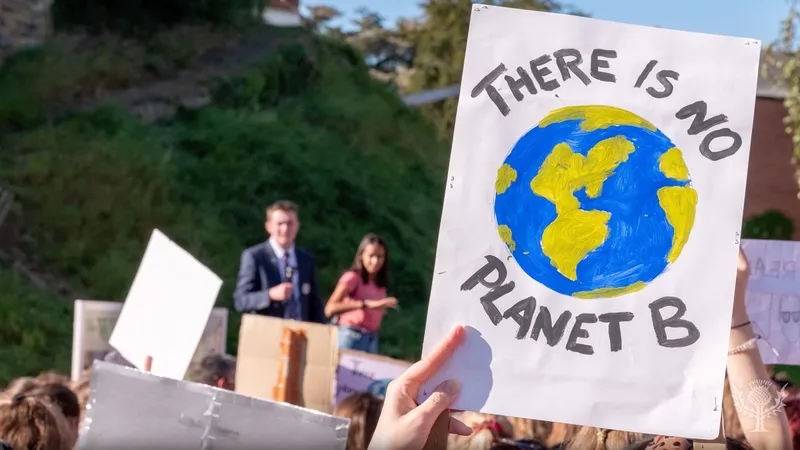
Learn the causes, effects, and solutions of climate change. Discover how global warming impacts our world and what we can do to fight it.
What Is Climate Change?
Climate change is the greatest global issue of our time. Driven largely by human activity, it is reshaping weather patterns, melting glaciers, raising sea levels, and threatening health, food, and economies. Understanding the causes of climate change, its far-reaching effects, and practical solutions is critical for every individual and nation
Causes of Climate Change
The main causes of climate change can be traced to human activity:
Energy production – Power plants burning coal, oil, and natural gas remain the largest contributors to global emissions.
Transportation – Cars, trucks, ships, and airplanes release significant amounts of CO₂ and other pollutants.
Deforestation – Cutting down forests for agriculture or urbanization reduces the Earth’s ability to absorb CO₂.
Industrial activity – Manufacturing processes, cement production, and mining add large amounts of GHGs.
Agriculture – Livestock farming produces methane, while the use of fertilizers releases nitrous oxide.
These activities are fueling the warming of our planet, causing a ripple effect across ecosystems, weather, and human life.
Effects of Climate Change
The effects of climate change are visible across the globe and impact every aspect of our lives:
Rising global temperatures – The last decade has been the hottest on record.
Melting ice caps and glaciers – Leading to rising sea levels and threatening coastal cities.
Extreme weather events – More frequent hurricanes, floods, droughts, and wildfires.
Loss of biodiversity – Animals and plants face extinction due to habitat destruction.
Food insecurity – Changing rainfall patterns affect crops, leading to shortages and higher prices.
Health risks – Air pollution, heatwaves, and waterborne diseases increase human health challenges.
If left unchecked, climate change could push millions into poverty, create climate refugees, and disrupt economies globally.
Solutions to Climate Change
The good news is that solutions to climate change exist, but they require urgent global action:
Shift to renewable energy – Investing in solar, wind, and hydropower can cut reliance on fossil fuels.
Energy efficiency – Using energy-saving appliances and improving building designs reduce overall consumption.
Reforestation – Planting trees and protecting forests can absorb large amounts of CO₂.
Sustainable transport – Promoting electric vehicles, cycling, and public transport reduces emissions.
Green agriculture – Organic farming, reducing food waste, and sustainable livestock management help lower methane and nitrous oxide emissions.
Policy and awareness – Strong climate policies, international agreements like the Paris Accord, and educating communities are essential for long-term change.
Why Taking Action Matters
Every individual, organization, and government has a role to play in combating climate change. From switching to clean energy and reducing waste to supporting eco-friendly businesses and demanding stronger policies, collective action can create a sustainable future.
Conclusion
Climate change is no longer a distant threat; it is a present reality. By addressing the causes of climate change, mitigating its effects, and implementing innovative solutions, we can protect our planet for future generations. The time to act is now—because the choices we make today will decide the world we live in tomorrow.
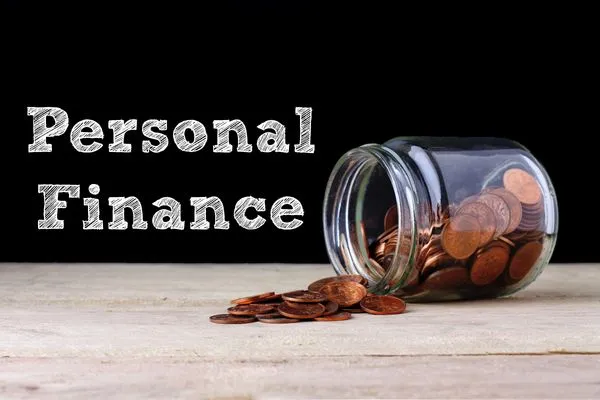
Managing money wisely has become a life skill everyone needs in today’s fast-changing economy. Whether you are a student, young professional, or a family head, creating a personal finance plan helps you stay secure, achieve your goals, and avoid unnecessary debt.
What is Personal Finance?
Personal finance is the management of your income, expenses, savings, and investments to ensure financial stability and long-term growth. It’s about making money work for you—not the other way around.
Steps to Create a Personal Finance Plan
1. Assess Your Current Situation
Write down your income sources, monthly expenses, and debts. 👉 Example: If your monthly salary is Rs. 100,000, track how much goes into rent, groceries, transport, and savings.
2. Set Clear Goals
Short-term: Build an emergency fund.
Medium-term: Save for a car or house down payment.
Long-term: Retirement or children’s education.
👉 Example: A professional saving Rs. 20,000 per month can build an emergency fund of Rs. 240,000 in just one year.
3. Build a Budget
Follow the 50/30/20 rule:
50% for needs (rent, food, bills)
30% for wants (shopping, travel)
20% for savings & investments
4. Manage Debt Smartly
Clear high-interest loans first (credit cards, personal loans). This reduces financial stress.
5. Save & Invest Consistently
Open a savings account or invest in mutual funds, stocks, or retirement accounts.
Even small investments, if consistent, grow significantly due to compound interest.
👉 Example: Investing just Rs. 10,000 per month with a 10% return can grow to Rs. 20 lakh+ in 10 years.
6. Protect Yourself with Insurance
Health, life, and property insurance prevent sudden financial shocks.
Learn from Experts & Organizations
To create a strong personal finance strategy, it helps to follow expert advice:
Creating a personal finance plan is not just about cutting expenses—it’s about building a secure future. Start small, stay consistent, and learn from experts. The earlier you start, the greater your financial freedom.