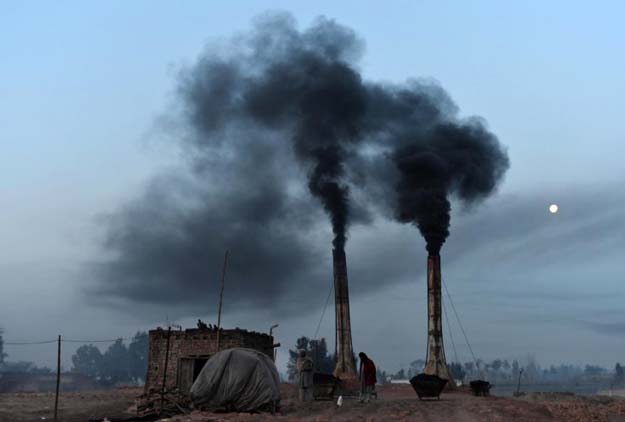
Pakistan ranks among the top 10 most climate-vulnerable countries in the world. From melting glaciers to declining crop yields, climate change has begun to reshape every sector of the country’s economy and ecology.
Impact on Agriculture
Agriculture employs around 40% of Pakistan’s workforce, but rising temperatures and unpredictable rainfall are devastating crops. According to The Agri Economist (2023), Sindh’s mango production dropped from 1.8 million metric tons to 1.44 million metric tons — a 20% decline due to heat stress and untimely rains. Similarly, a CIMMYT report projects that wheat yields in Pakistan could fall by 16% by 2050 if current climate trends continue.
Glacier Melt and Water Challenges
Pakistan hosts more than 13,000 glaciers, covering around 13,547 sq km, according to Al Jazeera (Aug 28, 2025). These glaciers are melting 65% faster than they did between 2001 and 2010, severely affecting river flows. The Express Tribune reported in May 2024 that extreme inflows in the Indus and Jhelum rivers — caused by glacier melt and erratic monsoons — led to widespread flooding.
Per capita water availability has now dropped below 900 cubic meters, compared to 5,600 in 1947, making Pakistan officially a water-scarce country (Pakistan Council of Research in Water Resources, 2024).
Urban Life at Risk
Cities like Karachi and Lahore face record heatwaves and flooding. In 2024, Karachi recorded temperatures above 45°C, resulting in heat-related hospitalizations. Meanwhile, smog levels in Punjab reached historic highs.
Conclusion
As per the Pakistan Meteorological Department, without immediate adaptation — from sustainable farming to urban greening — Pakistan’s social and economic stability will remain under threat.
Learn the causes, effects, and solutions of climate change. Discover how global warming impacts our world and what we can do to fight it.
What Is Climate Change?
Climate change is the greatest global issue of our time. Driven largely by human activity, it is reshaping weather patterns, melting glaciers, raising sea levels, and threatening health, food, and economies. Understanding the causes of climate change, its far-reaching effects, and practical solutions is critical for every individual and nation
Causes of Climate Change
The main causes of climate change can be traced to human activity:
Energy production – Power plants burning coal, oil, and natural gas remain the largest contributors to global emissions.
Transportation – Cars, trucks, ships, and airplanes release significant amounts of CO₂ and other pollutants.
Deforestation – Cutting down forests for agriculture or urbanization reduces the Earth’s ability to absorb CO₂.
Industrial activity – Manufacturing processes, cement production, and mining add large amounts of GHGs.
Agriculture – Livestock farming produces methane, while the use of fertilizers releases nitrous oxide.
These activities are fueling the warming of our planet, causing a ripple effect across ecosystems, weather, and human life.
Effects of Climate Change
The effects of climate change are visible across the globe and impact every aspect of our lives:
Rising global temperatures – The last decade has been the hottest on record.
Melting ice caps and glaciers – Leading to rising sea levels and threatening coastal cities.
Extreme weather events – More frequent hurricanes, floods, droughts, and wildfires.
Loss of biodiversity – Animals and plants face extinction due to habitat destruction.
Food insecurity – Changing rainfall patterns affect crops, leading to shortages and higher prices.
Health risks – Air pollution, heatwaves, and waterborne diseases increase human health challenges.
If left unchecked, climate change could push millions into poverty, create climate refugees, and disrupt economies globally.
Solutions to Climate Change
The good news is that solutions to climate change exist, but they require urgent global action:
Shift to renewable energy – Investing in solar, wind, and hydropower can cut reliance on fossil fuels.
Energy efficiency – Using energy-saving appliances and improving building designs reduce overall consumption.
Reforestation – Planting trees and protecting forests can absorb large amounts of CO₂.
Sustainable transport – Promoting electric vehicles, cycling, and public transport reduces emissions.
Green agriculture – Organic farming, reducing food waste, and sustainable livestock management help lower methane and nitrous oxide emissions.
Policy and awareness – Strong climate policies, international agreements like the Paris Accord, and educating communities are essential for long-term change.
Why Taking Action Matters
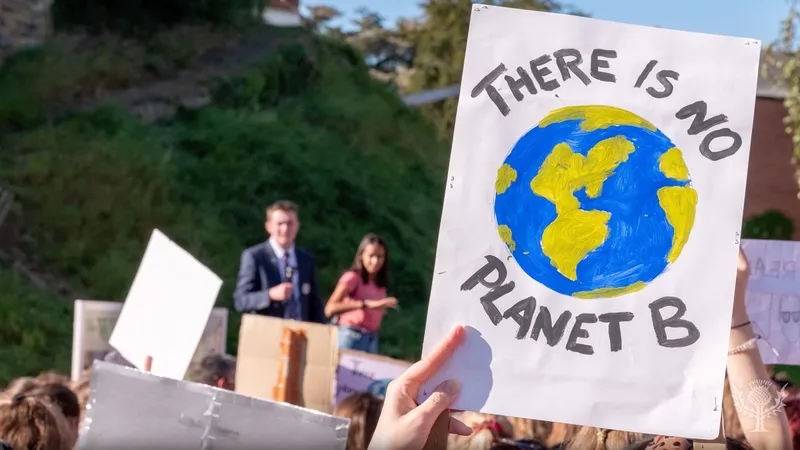
Every individual, organization, and government has a role to play in combating climate change. From switching to clean energy and reducing waste to supporting eco-friendly businesses and demanding stronger policies, collective action can create a sustainable future.
Conclusion
Climate change is no longer a distant threat; it is a present reality. By addressing the causes of climate change, mitigating its effects, and implementing innovative solutions, we can protect our planet for future generations. The time to act is now—because the choices we make today will decide the world we live in tomorrow.