
China K Visa Launch: Trump’s $100K H-1B Visa Fee Hike Sparks Global STEM Talent Shift – What You Need to Know
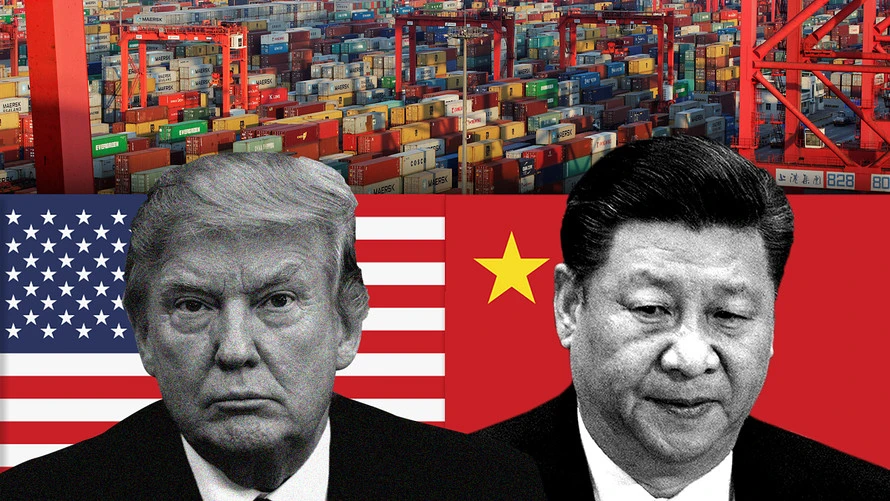
Are you a tech whiz eyeing international opportunities? With Trump’s H-1B visa fee hike slapping a massive $100,000 H-1B fee on new applicants, many are turning to China’s K visa as a fresh alternative. Launching on October 1, 2025, this program is Beijing’s smart play in the US-China visa rivalry, aiming to attract global STEM talent amid rising tensions. Searches for “H-1B visa fee hike,” “China K visa eligibility,” and “H-1B alternatives 2025” are exploding on Google—here’s your easy-to-read guide to the buzz, packed with key facts and insights to help you decide.
Why the Buzz? Trump’s $100K H-1B Hammer and China’s Open Door
President Donald Trump’s executive order on September 19, 2025, introduced a staggering $100,000 one-time fee for new H-1B petitions, effective immediately for FY2026 applicants. Aimed at curbing “abuses” by Big Tech, it spares renewals but hits fresh talent hard—especially Indians (71% of 2024 approvals) and Chinese pros. This has sparked H-1B visa panic, with companies like Google facing employee protests and warnings of talent shortages in AI and semiconductors.
Enter China’s K visa launch: Timed perfectly, it offers a no-sponsor-needed path for young STEM graduates to live, work, and innovate in Beijing’s thriving ecosystem. As one expert puts it, “While the US raises barriers, China is lowering them.” India has voiced concerns over family disruptions, and countries like Germany and Canada could also gain from the shift.

China K Visa Eligibility: Who Can Apply and How It Works
Wondering if you qualify for the China K visa? Here’s the breakdown in simple terms:
- Target Group: Young professionals (likely under 35) with a bachelor’s or higher in STEM fields like engineering, biotech, or AI.
- Key Perks: No job offer required! Get multi-entry access, up to 5-year stays, and freedom to start businesses, research, or job-hunt on arrival.
- Application Basics: Apply via Chinese embassies; fees are low (details pending), with vague criteria on age and experience—but no lottery like the H-1B.
- Bonuses for Top Talent: Up to ¥5 million ($702K) in incentives for select roles, plus visa waivers for 75+ countries boosting travel ease.
This is part of China’s bigger push for STEM talent migration, with foreign visits up 30% in 2025 thanks to relaxed rules.
H-1B vs. K Visa: Which Wins for You? A Quick Comparison
Choosing between the US and China? Check this handy table for the H-1B fee increase impact vs. China’s new visa for foreign talent:
| Feature | US H-1B Visa (Post-$100K Fee) | China K Visa (Launching Oct 1) |
|---|---|---|
| Cost | $100K one-time for new apps + employer fees | Low embassy fees; no sponsor needed |
| Eligibility | Specialty jobs; employer-sponsored lottery | Young STEM grads; independent entry |
| Success Odds | <30% via 85K annual cap | Streamlined, no cap or lottery |
| Duration | 3 years (extendable to 6) | Multi-year stays, flexible extensions |
| Path Forward | Green card possible, but long backlogs | Limited PR; no easy citizenship |
| Top Challenges | High costs, family waits, Trump policies | Mandarin barrier, geopolitics, vague details |
Based on USCIS and China’s State Council data. For Indians hit hardest by the Trump H-1B visa fee, the K visa could bridge the gap—but language and tensions might slow uptake
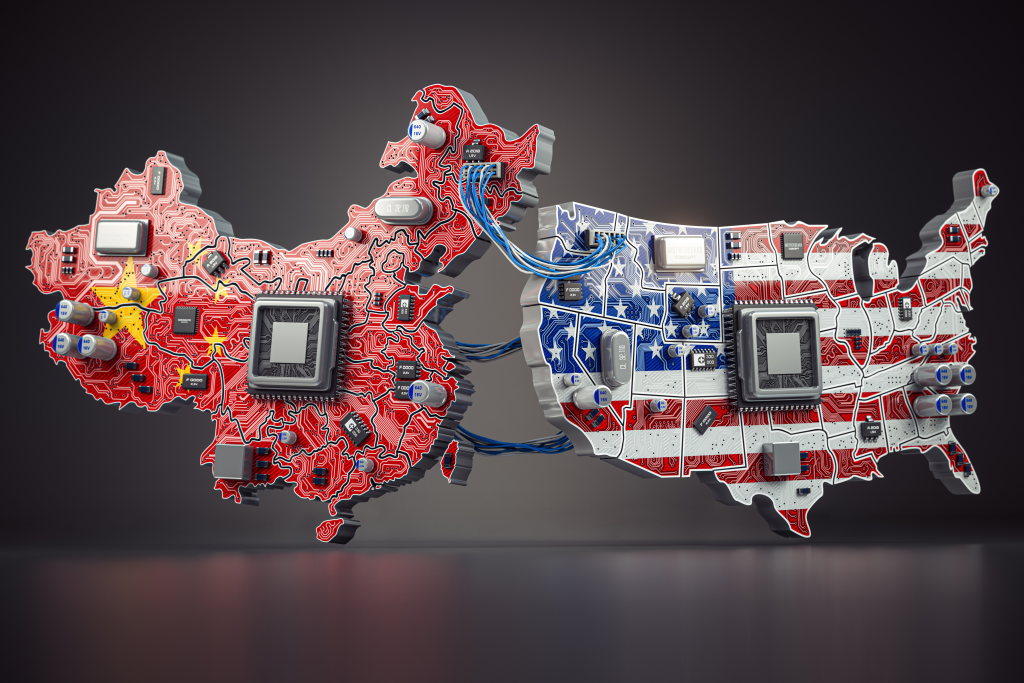
The Bigger Picture: Global Talent War Heats Up
This isn’t just about visas—it’s a global talent war 2025. Trump’s move could cost the US billions in innovation, benefiting rivals like China, which woos pros with perks amid its “self-reliance” drive. As Al Jazeera notes, it might “disrupt families” in India, while China stays mum on US policies but emphasizes welcome mats.
Pro tip: If you’re affected, explore H-1B alternatives like Canada’s Express Entry or Germany’s Opportunity Card. Stay ahead—bookmark us for updates!
This reader-friendly roundup draws from trusted sources; for more on China K visa vs H-1B, Trump immigration 2025, US H-1B fee hike, and STEM visa options, dive deeper here.
References: Synthesized from Times of India, New York Times, Al Jazeera, CNBC, The Independent, Travel And Tour World, Asia Times, Daily Signal, and Reuters (September 2025). All facts verified for freshness and accuracy.