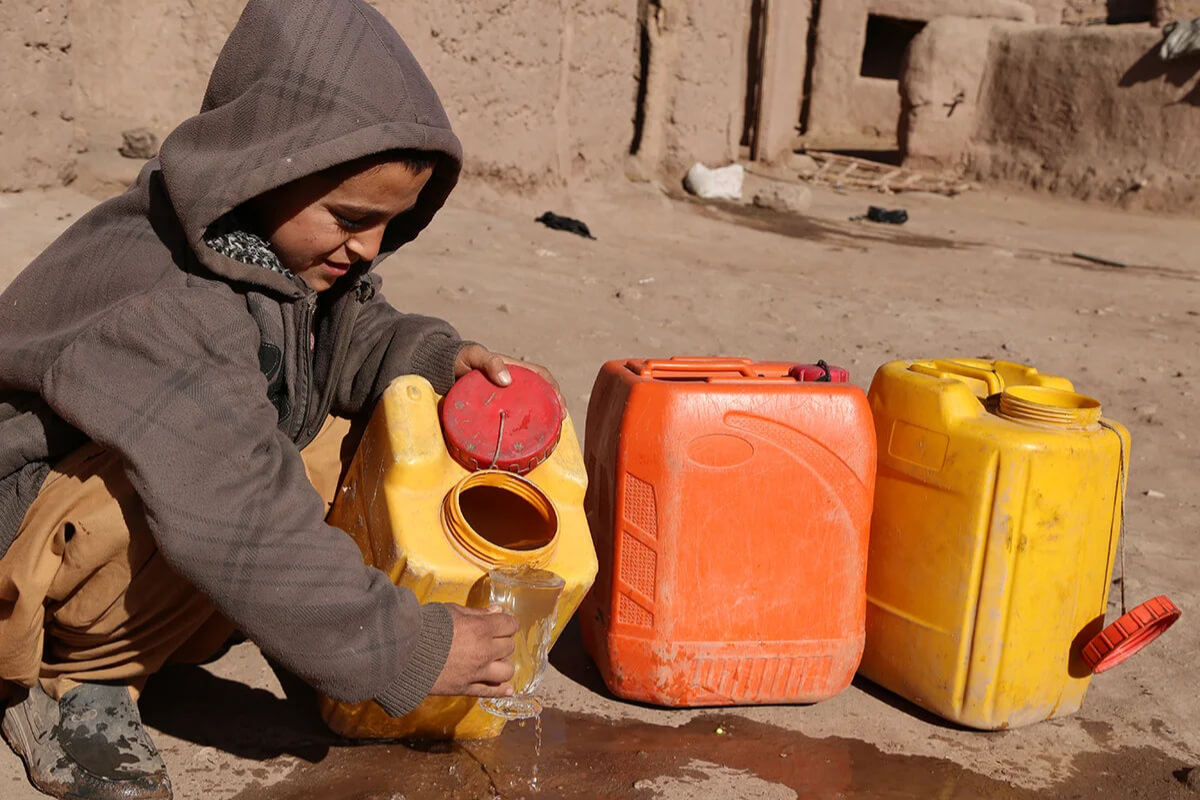
KABUL: The clean water crisis in Afghanistan has reached alarming levels, with the European Union warning that more than 20 million people lack access to safe drinking water.
According to reports, the EU has highlighted that contaminated water is contributing to a rise in waterborne diseases across the country. Afghan media outlet Khaama Press reported that over 212,000 children are currently affected by illnesses linked to unsafe water.
The World Health Organization (WHO) cited restrictions imposed by the Taliban and poor sanitation systems as key factors driving the surge in diseases.
The statement also noted that by May 2025, 442 medical clinics had been forced to close, further exacerbating the public health crisis.
The EU urged urgent international support to address Afghanistan’s water and health challenges, emphasizing that immediate action is needed to prevent further loss of life.
SYDNEY: Social media accounts in India and Afghanistan have circulated false claims linking a Pakistani youth to the recent deadly Sydney shooting.
According to reports, several Indian and Afghan social media users circulated images and claims alleging that Naveed Akram, a Pakistani youth residing in Sydney, was involved in the attack. Naveed Akram has strongly rejected the allegations, calling them completely false and misleading.
In a video message, Naveed Akram exposed the propaganda, stating that his photograph was being misused to spread lies. He clarified that he has no connection whatsoever with terrorism or the Sydney shooting, warning that the baseless claims have put his personal safety and reputation at serious risk. He also appealed for an immediate end to the false campaign on social media.
This is Naveed Akram. A Pakistani living in Sydney. His identity is falsely being used by some media as being one of the Bondi beach gunmen- this is fake news. His life has now been put in danger. He needs our help. Please share. pic.twitter.com/JQGJqGkwW0
Earlier, Australian police officially declared the Sydney beach shooting a terrorist incident, confirming that the attackers were a father and son. Police have also announced that the search for additional suspects has been concluded.
The shooting incident, which took place at a Sydney beach, resulted in 16 people being killed and 40 others injured. One attacker was shot dead during police action, while the second was arrested in an injured condition.
Meanwhile, Australian media highlighted an act of extraordinary bravery during the attack. A local citizen, 43-year-old Ahmed Al Ahmed, was hailed as a hero after risking his life to overpower one of the attackers and seize his weapon, saving several lives. Ahmed, a fruit vendor in Sydney and father of two, sustained two gunshot wounds to his arm and is currently receiving treatment in hospital, where he is reported to be out of danger.
ISLAMABAD: According to a report published by The Washington Post, Pakistan and Afghanistan appear to be heading toward a new wave of military confrontation.
The U.S. newspaper, citing recent updates from Asia alongside coverage of the wars in Ukraine and Africa, states that India’s increasing diplomatic and political engagement with the Taliban has further heightened tensions between Islamabad and Kabul.
Analysts noted that both countries seem to be moving toward renewed military hostilities. The recent airstrike in eastern Afghanistan on Tuesday, which left several people dead—including nine children—has added to the worsening situation. Grieving families were seen burying their loved ones after the attack.
The report adds that rapidly shifting dynamics in the region have complicated border security and intensified a fresh struggle for influence among regional powers.
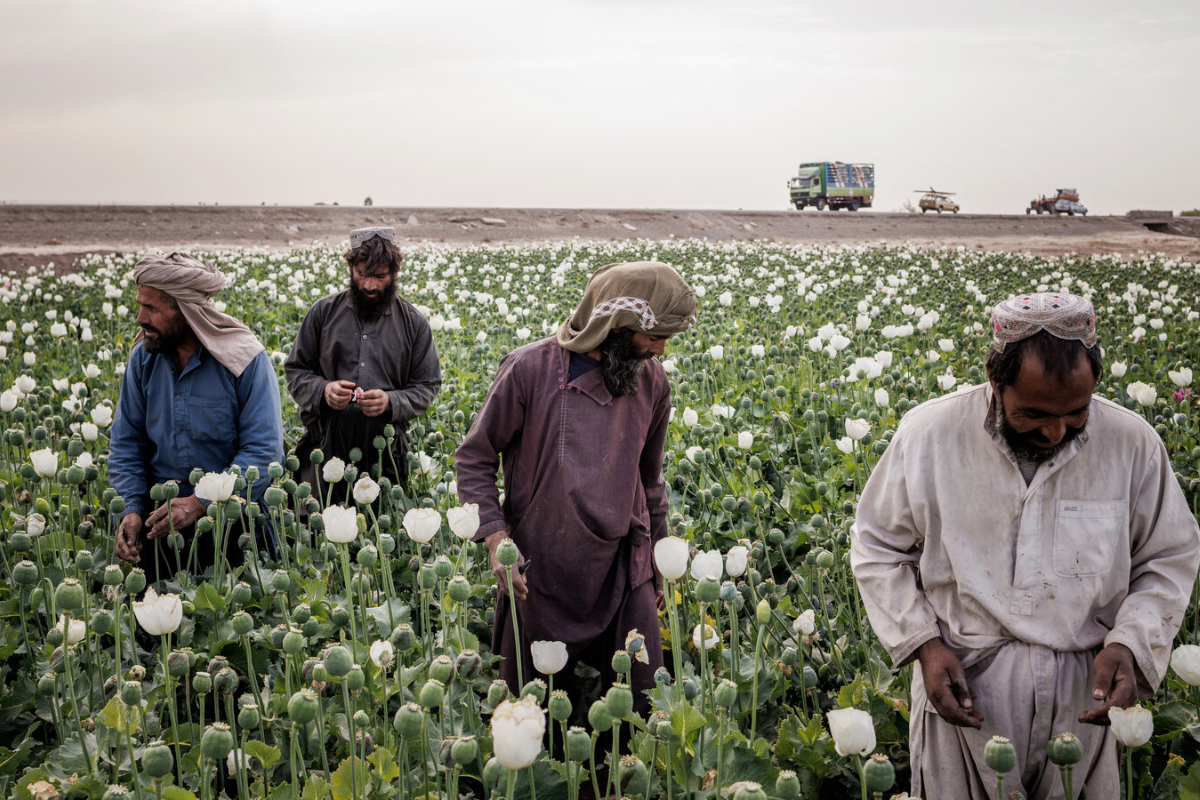
Afghanistan continues to rank among the world’s major opium-producing countries, according to new findings released by the United Nations Office on Drugs and Crime (UNODC).
According to the UNODC’s 2025 assessment, opium cultivation covered 10,200 hectares in Afghanistan. The report notes a 19% increase in cultivation in 2024 compared to the previous year, followed by a 20% decline in 2025.
The report highlights rising opium cultivation in the provinces of Zabul, Kunar, and Takhar, although widespread drought has caused significant damage to crops in several regions.
Despite the fluctuations, the UNODC states that Afghanistan’s existing opium stockpiles are sufficient to meet global demand in 2026.
In 2025, Afghanistan produced 296 tons of opium, with prices averaging USD 570 per kilogram, the report adds.
The UNODC also warns of a sharp rise in the production of synthetic drugs—particularly methamphetamine (ice)—in Afghanistan, noting that criminal networks increasingly prefer synthetic drugs due to easier production and smuggling routes.
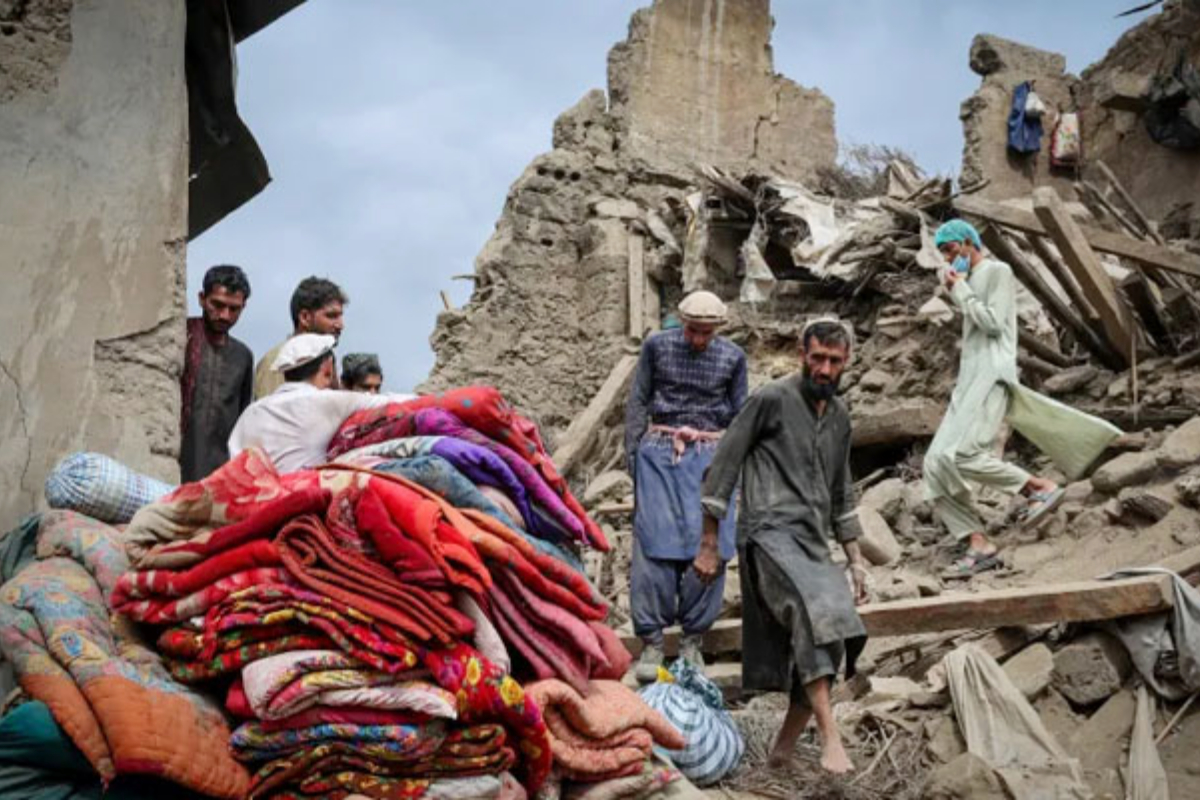
KABUL: A powerful earthquake jolted Afghanistan’s Hindu Kush region late Monday night, with tremors felt across several cities including Mazar-e-Sharif, causing panic among residents and significant structural damage.
According to international news agencies, at least seven people were killed and 150 injured in various incidents linked to the quake. Officials have warned that the death toll may rise as rescue operations continue.
The U.S. Geological Survey (USGS) reported that the earthquake measured 6.3 in magnitude at a depth of 28 kilometers, with its epicenter located about 22 kilometers southwest of Khulm district in Samangan province.
Residents of Mazar-e-Sharif described scenes of fear and chaos as people rushed out of their homes in the middle of the night, fearing building collapses, AFP reported.
Tremors were also felt in Turkmenistan, Tajikistan, Uzbekistan, and Iran, according to regional reports.
It is worth noting that Afghanistan has faced several devastating earthquakes in recent years. On August 31, 2025, a 6.0 magnitude quake killed more than 2,000 people, while in 2023, a series of 6.3 magnitude quakes and aftershocks claimed at least 4,000 lives.
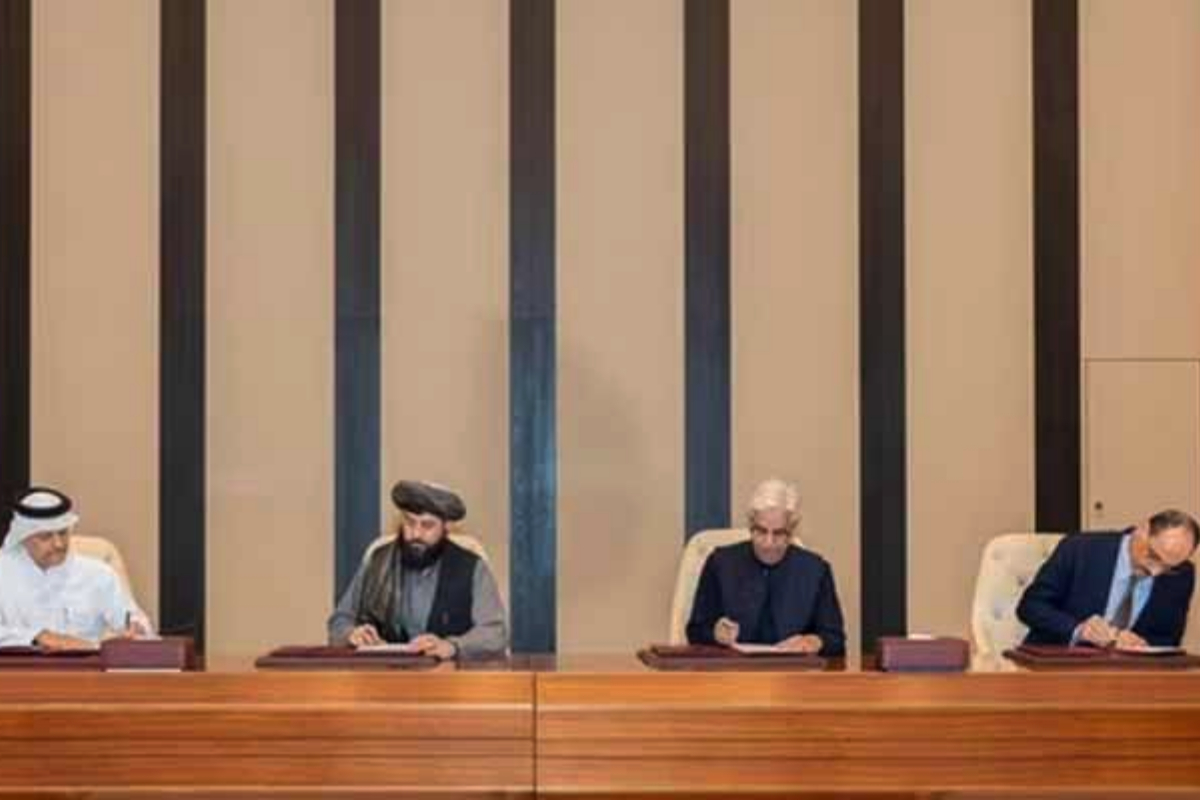
ISTANBUL: Pakistan has agreed to reopen dialogue with Afghanistan in an effort to revive stalled peace talks, diplomatic sources revealed on Thursday.
According to diplomatic sources, the Pakistani delegation was scheduled to return home today after earlier negotiations with Afghan representatives failed to yield results. However, Turkish officials requested the delegation to stay in Istanbul.
Sources added that Afghan authorities also made diplomatic contacts regarding the stalled dialogue, leading both sides to agree on reviving bilateral talks.
According to diplomatic sources, Turkey is keen to ensure that the ongoing Pakistan-Afghanistan talks under its mediation yield positive and lasting results.
Sources said the Pakistani delegation, which was earlier set to return home, will now extend its stay in Istanbul to resume dialogue and give peace another chance.
The negotiations, sources added, will primarily focus on Pakistan’s core demand that Afghanistan take clear, verifiable, and effective action against terrorist elements operating from its soil.
Pakistan has once again emphasized that Afghan territory must not be used for activities against Pakistan, sources confirmed.
The delegation participating in the renewed talks comprises the same officials who took part in the earlier round of discussions with Afghan counterparts.
Earlier, Federal Information Minister Atta Tarar had announced that the previous round of talks between Pakistan and Afghanistan in Istanbul had ended without success.
On October 19, Qatar’s Ministry of Foreign Affairs announced that Pakistan and Afghanistan had agreed to an immediate ceasefire, which was later extended by mutual consent.
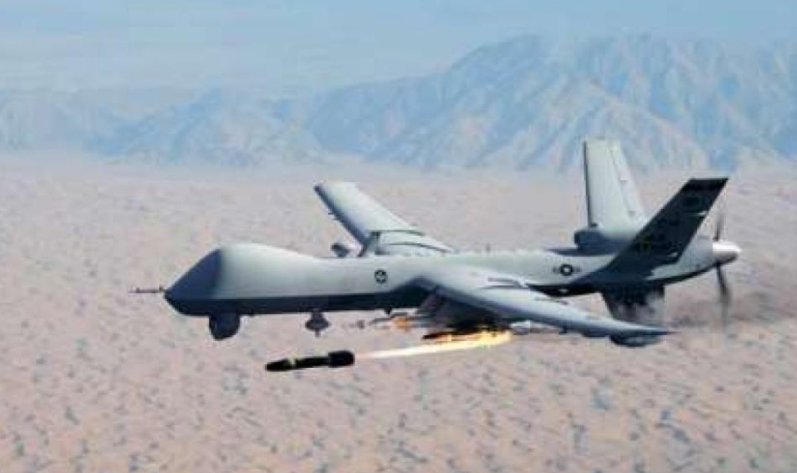
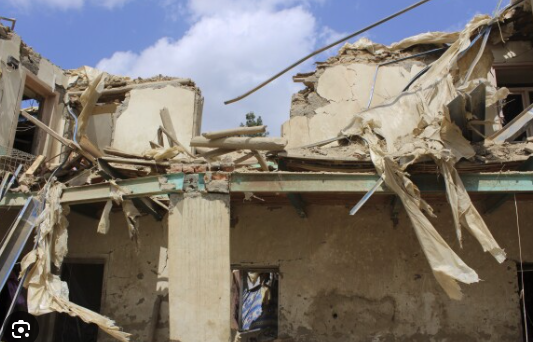
Afghanistan’s Taliban government has accused Pakistan of launching twin drone strikes on Kabul’s outskirts, killing at least 12 civilians and wounding dozens more in what they term a “cowardly act of aggression.”
The attacks, which struck a bustling marketplace and a residential compound in the Logar province border area, have plunged already frayed bilateral ties into crisis mode, with Taliban spokesperson Zabihullah Mujahid vowing “severe repercussions” unless Islamabad apologizes and compensates victims.
Eyewitness accounts describe low-flying unmanned aerial vehicles—reminiscent of U.S. Predator drones used in past counter-terror ops—unleashing precision-guided missiles around dawn. “The sky lit up like fireworks from hell; children were playing outside,” recounted survivor Fatima Khan, whose home was reduced to rubble. Afghan state media aired footage of smoldering craters and grieving families, amplifying calls for an emergency UN Security Council session to condemn the “violation of sovereignty.” Mujahid, in a fiery address from the Arg Palace, linked the strikes to Pakistan’s hunt for Tehreek-e-Taliban Pakistan (TTP) militants, claiming the targets were innocent Pashtun traders, not insurgents.
Pakistan’s Foreign Office swiftly rebutted the allegations, labeling them “baseless propaganda” orchestrated by the Taliban to deflect from their sheltering of TTP operatives. “Our forces operate solely within our borders against threats to national security,” a spokesperson insisted, referencing last week’s suicide bombing that claimed seven Pakistani soldiers. Yet, independent analysts, including the International Crisis Group, point to mounting evidence: Satellite imagery from Maxar Technologies shows unusual drone activity near the Durand Line, corroborating Afghan radar logs.
This aerial incursion follows Pakistan’s ground incursions into Khost and Paktika, where TTP leader Noor Wali Mehsud allegedly evaded capture. With the porous 2,640-km border a hotbed for smuggling and skirmishes, experts fear a tit-for-tat cycle could draw in regional powers. China, via its Kabul embassy, urged restraint to protect Belt and Road investments, while India watched warily, offering humanitarian aid to Afghanistan.
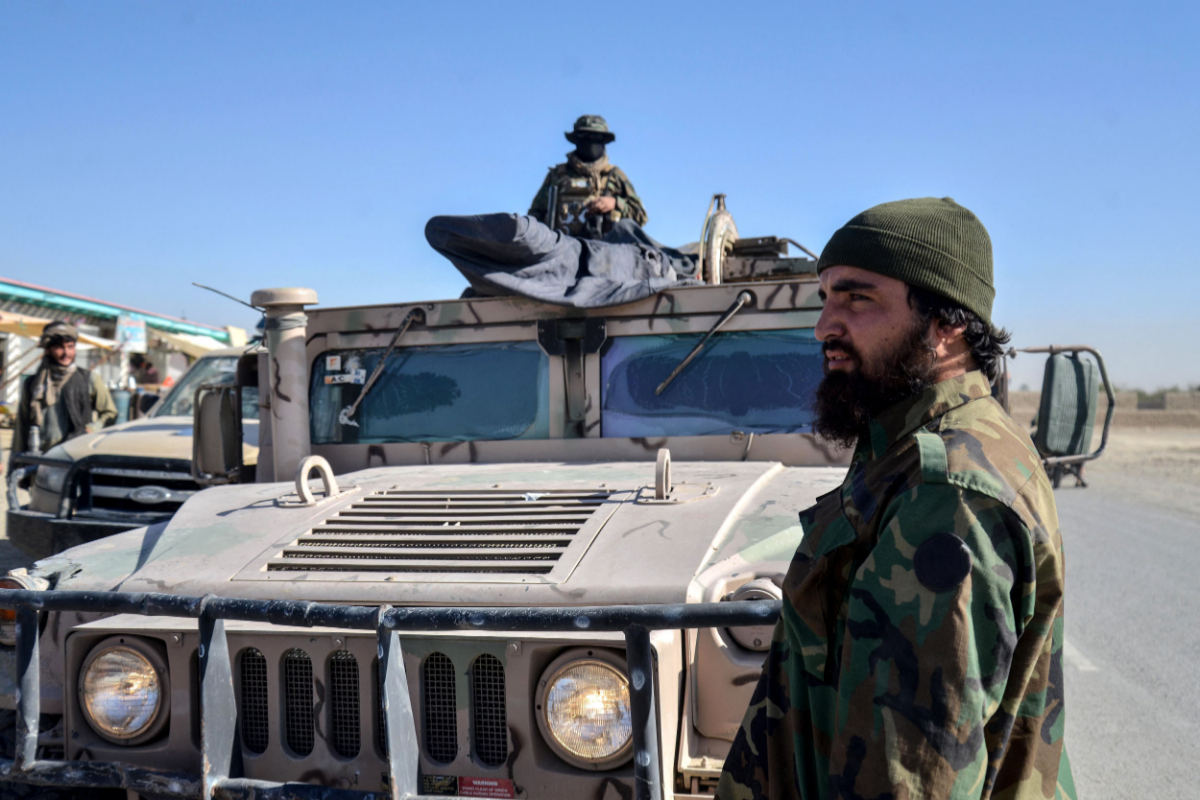
As Taliban militias mobilize along the frontier and Pakistan deploys additional troops, diplomatic channels—mediated by Qatar—face their sternest test. The UN’s special envoy for Afghanistan warned of “humanitarian catastrophe” if escalation persists, echoing global jitters over South Asia’s nuclear-armed neighbors. In Kabul’s streets, anti-Pakistan graffiti proliferates, signaling a rift that parole offers from Imran Khan may struggle to mend.