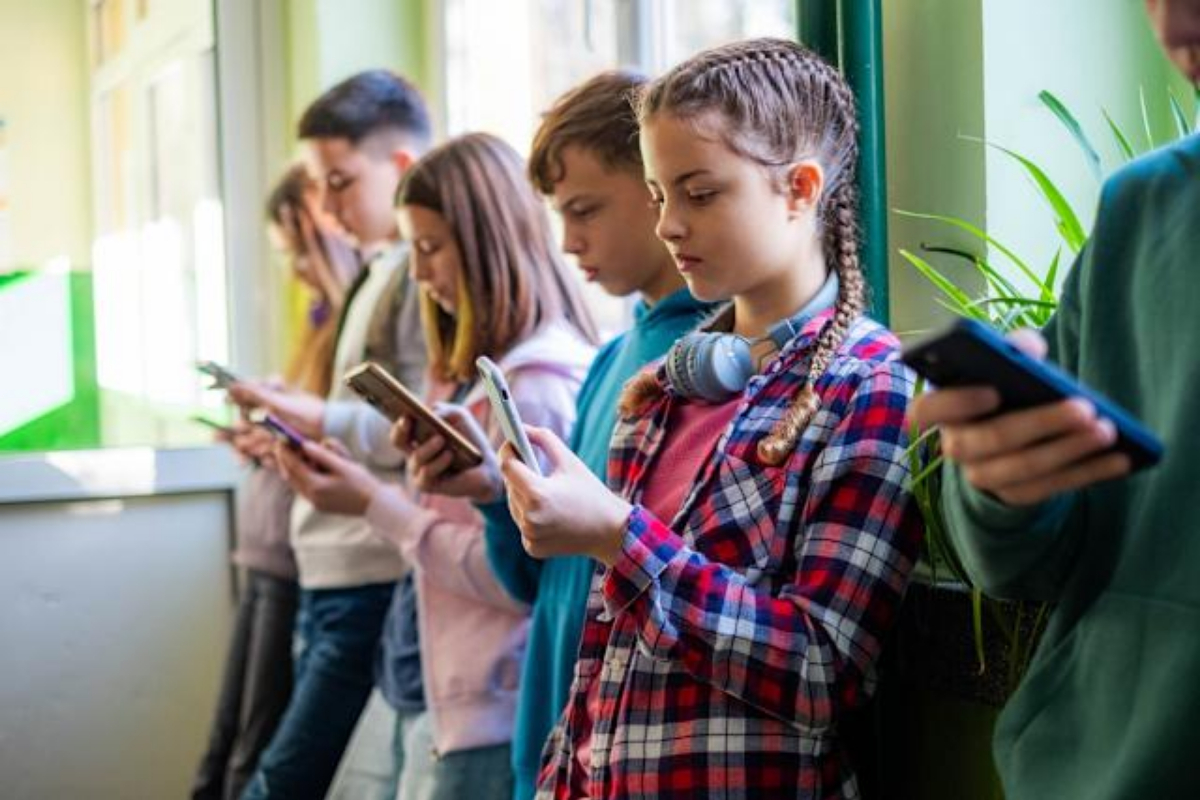

In recent months, several countries have announced plans to limit or block social media access for children and teenagers in an effort to protect their mental health and well-being.
Australia
Australia became the first country to implement such a ban at the end of 2025, restricting children under 16 years from using platforms including Facebook, Instagram, Snapchat, Threads, TikTok, X (Twitter), YouTube, and Reddit.
WhatsApp and YouTube Kids are exempt.
Companies failing to enforce the ban could face fines of up to AUD 34.4 million.
The government requires social media apps to use robust age verification methods, rather than relying on self-reported ages.
Denmark
Denmark plans to restrict social media for children under 15 years.
In November 2025, government and opposition parties agreed on the proposal.
The law is expected to be introduced mid-2026, along with a dedicated age-verification app.
France
In January 2026, the French Parliament approved a bill to block social media access for children under 15 years.
The French President supports the law, stating it will help keep children away from excessive screen time.
The bill will next move to the upper house before returning to the lower house for final approval.
Germany
Germany’s Chancellor’s party began consultations in early 2026 on restricting social media for children under 16, though approval remains uncertain due to reluctance within the ruling coalition.
Greece
Media reports in February 2026 indicate Greece will soon announce a ban for children under 15 years.
Malaysia
The Malaysian government announced in November 2025 that it plans to restrict social media access for children under 16 years, with implementation expected later in 2026.
Slovenia
Slovenia has drafted legislation to regulate social media for minors and control shared content, announced by the Deputy Prime Minister in February 2026.
Spain
Spain is planning a social media ban for children under 16, with parliamentary approval required.
The government is also considering laws to hold platform officials accountable for spreading harmful content.
United Kingdom
The UK is exploring ways to restrict social media access for children under 16 years, with ongoing consultations with stakeholders.
These initiatives reflect a growing global concern about the impact of social media on children’s mental health, with countries seeking to balance digital access and safety.