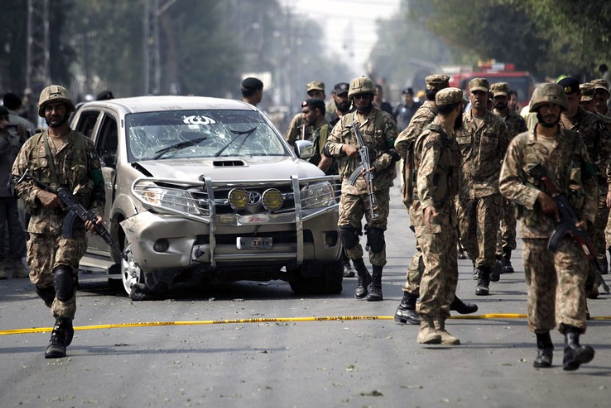
BREAKING NEWS
Advertise with us >

Imran Khan’s Bold Offer: Ex-PM Pledges to Mediate Pakistan-Afghanistan Tensions in Exchange for Parole

imran khan parole, pakistan taliban mediation, pti afghanistan talks, border tensions 2025, shehbaz sharif crisis

Islamabad, October 17, 2025 – In a dramatic twist amid spiraling border clashes, jailed former Prime Minister Imran Khan has proposed mediating the escalating Pakistan-Afghanistan conflict, but only if granted temporary release on parole.
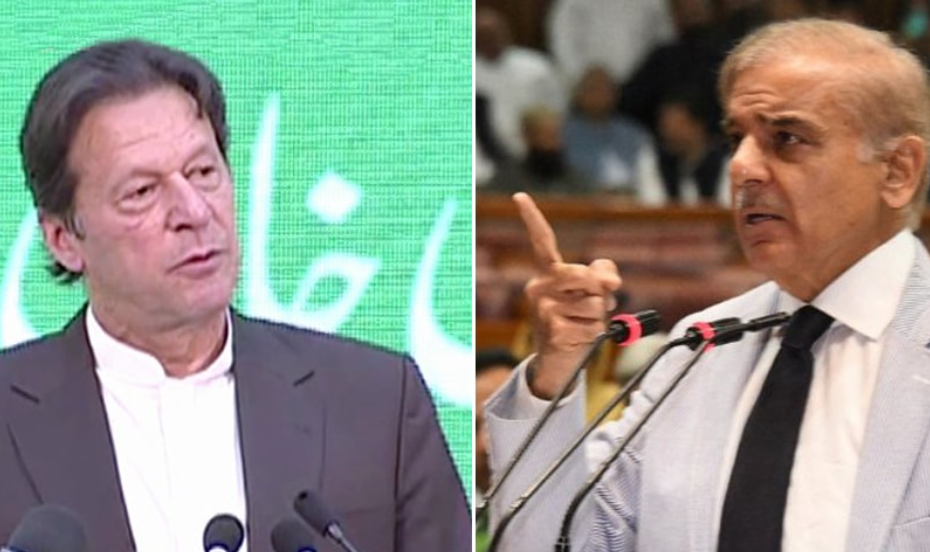
The Pakistan Tehreek-e-Insaf (PTI) leader, incarcerated since 2023 on charges he deems politically motivated, conveyed the offer through his legal team, citing his “unique understanding” of Taliban dynamics from his time in power.

Khan’s message, relayed via a statement from PTI spokesperson Raoof Hasan, emphasizes de-escalation to prevent “catastrophic war.” “As someone who forged ties with Afghan leaders, I can bridge this divide and save lives,” Khan reportedly said in a prison note smuggled out yesterday. The proposal arrives hours after a TTP suicide bombing killed seven soldiers in North Waziristan, which PTI links to unchecked militancy under the current regime. It also follows Pakistan’s contested airstrikes on alleged TTP hideouts in Khost and Paktika, prompting Taliban retaliation threats and civilian casualties.

Government sources dismissed the overture as “opportunistic,” with Information Minister Attaullah Tarar accusing Khan of “grandstanding from Adiala Jail.” Yet, allies like Jamiat Ulema-e-Islam (JUI-F) chief Maulana Fazlur Rehman hinted at openness, calling it a “patriotic gesture” amid fears of refugee influxes and economic strain from border closures. Analysts note Khan’s history: As PM, he hosted Taliban talks in Doha and advocated Pashtun reconciliation, earning him the moniker “Taliban Khan” from critics.

The offer coincides with China’s quiet mediation push, as Beijing—Pakistan’s all-weather ally—urges dialogue to safeguard CPEC routes. U.S. diplomats, fresh from maritime security pacts with Islamabad, expressed cautious support for any peace initiative. PTI supporters rallied outside the Supreme Court today, chanting “Free Khan, Save Pakistan,” blending domestic unrest with regional peril.

As the Durand Line simmers, Khan’s parole bid could reshape narratives—or deepen divides. Will Shehbaz Sharif’s coalition bite? Observers say it’s a high-stakes gamble in a powder keg
Escalating Border Tensions: Suicide Attack Kills Seven Pakistani Soldiers Amid Airstrike Backlash

pakistan afghanistan war, ttp attack, border security, taliban drone strikes, imran khan parole

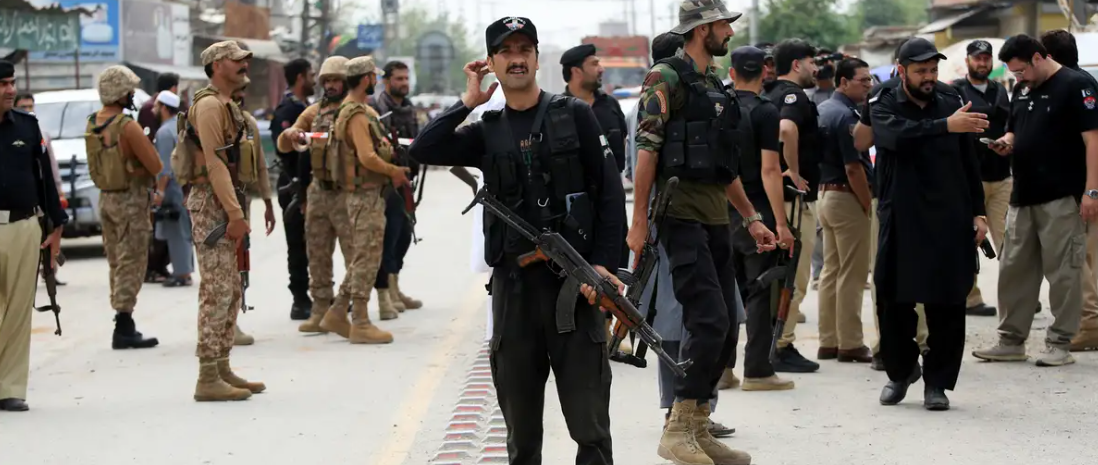
In a brazen assault that has further inflamed Pakistan-Afghanistan relations, a suicide bomber backed by the Tehreek-e-Taliban Pakistan (TTP) rammed a vehicle laden with explosives into a military compound in North Waziristan, near the volatile Afghan border, killing seven soldiers and injuring several others.

The attack, captured in a viral video showing a massive fireball engulfing the facility, marks a deadly escalation in cross-border militancy, with security forces now on high alert across Khyber Pakhtunkhwa province.

The strike comes just days after Pakistan’s alleged airstrikes on Taliban targets in Kabul, which Afghan officials claim killed civilians and targeted TTP leader Noor Wali Mehsud—claims vehemently denied by Islamabad. Mehsud, the elusive TTP chief, surfaced in a defiant video message today, mocking reports of his death and vowing retaliation against Pakistani forces. “This is not the end; it’s the beginning of our fight,” he declared, as footage circulated widely on social media, fueling public outrage and speculation about intelligence failures .

Former Indian diplomat Amar Jit Singh issued a stark warning, labeling Pakistan’s incursions a “blunder of the century” that could unleash “disastrous consequences,” including full-scale war with the Taliban regime. “Poking the bear across the Durand Line invites chaos,” Singh told Hindustan Times, echoing fears of a regional spillover amid ongoing U.S.-Pakistan defense talks aimed at bolstering maritime security.

Domestically, the crisis intersects with brewing unrest from Tehreek-e-Labbaik Pakistan (TLP) protests. Authorities sealed TLP offices and mosques in Islamabad, imposing Section 144 restrictions in Lahore to curb violent demonstrations over the alleged “Muridke massacre.” The TLP-led Ahl-e-Sunnat alliance issued an ultimatum for justice, threatening nationwide shutdowns if demands aren’t met by week’s end.

Prime Minister Shehbaz Sharif convened an emergency National Security Council meeting, assuring Khyber Pakhtunkhwa’s new Chief Minister Ali Amin Gandapur of federal support. Analysts warn that without diplomatic de-escalation, these flashpoints could destabilize South Asia further. As border patrols intensify and evacuation drills begin in frontier villages, Pakistan braces for what may be its most precarious autumn in years