
BREAKING NEWS
Advertise with us >

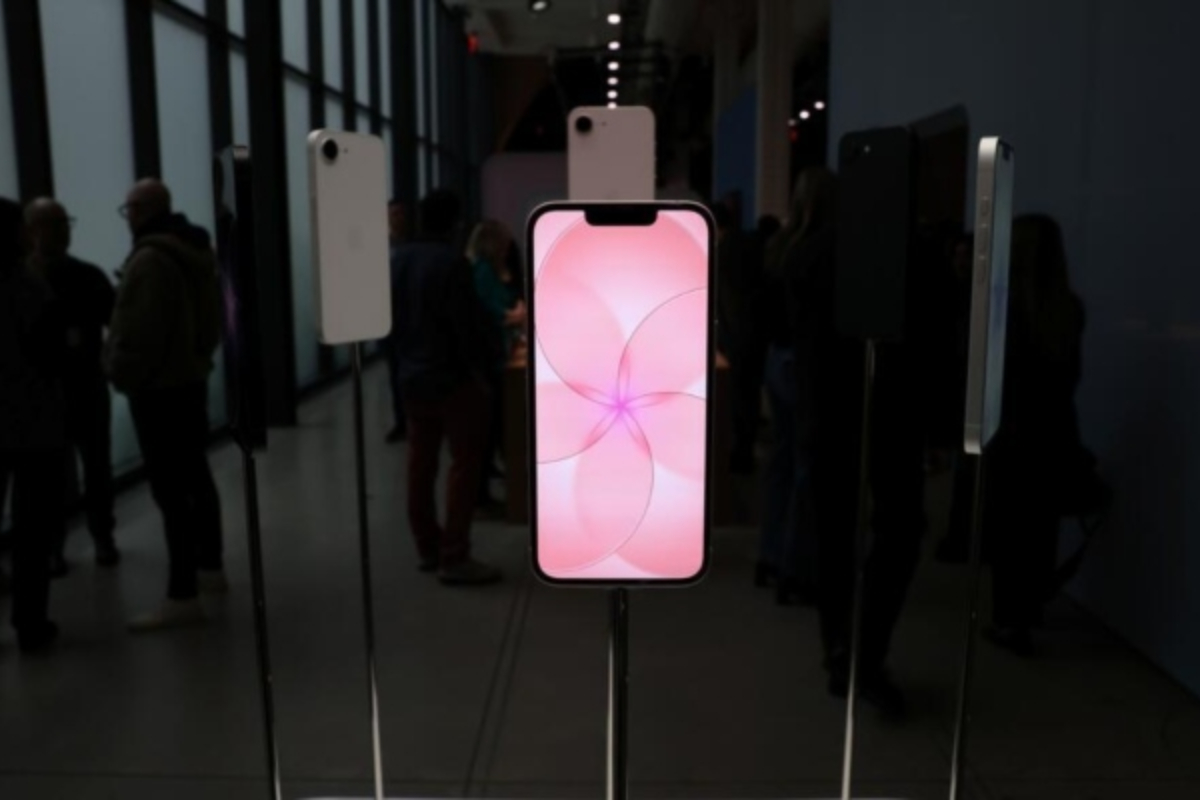
Studies link smartphone boom to declining birth rates globally

Studies link

WASHINGTON: The rapid rise of smartphones may be contributing to falling birth rates around the world, according to two new studies that examined fertility trends in the United States and dozens of other countries.

Research by the National Bureau of Economic Research found that the U.S. birth rate has declined by 22% since 2007, the same year the first Apple iPhone was introduced.

For years, experts largely attributed the decline in births to the 2008 global financial crisis, which left millions facing economic hardship. However, birth rates failed to return to previous levels even after economic conditions improved.

Researchers noted that several factors have contributed to the trend, including greater use of contraception, higher levels of female education and rising housing and childcare costs.

The study sought to determine whether the widespread adoption of smartphones after 2007 also played a role in the decline.

Until 2011, iPhones were available through only one U.S. mobile network, creating regional differences in smartphone access. The researchers found that areas with earlier access to the devices experienced a 4.5% to 8% decline in birth rates among women aged 15 to 24, while the impact on women older than 24 was more limited.

The researchers cautioned that smartphones alone cannot explain the decline in fertility. However, they suggested that increased smartphone use may have reduced face-to-face social interaction, potentially affecting relationship formation and family planning decisions.

A separate study by University of Cincinnati identified a similar pattern on a global scale.

The researchers analyzed smartphone adoption rates and youth fertility trends across 128 countries and found that birth rates tended to fall more rapidly after smartphones became widely available.

They described the phenomenon as a “common global technology shock” affecting both developed and developing nations.

The studies noted that declining birth rates have contributed to aging populations, shrinking workforces and growing pressure on social security systems in many countries around the world.

Amazon eyes smartphone comeback with transformer over decade after fire phone failure

Amazon eyes smartphone

Seattle: Amazon is planning a return to the smartphone market more than ten years after the disastrous launch of its Fire Phone.

The original Fire Phone, introduced in 2014 under the direct supervision of founder Jeff Bezos, was meant to challenge Apple and Samsung but was discontinued after just over a year, becoming one of Amazon’s most high-profile flops.

The new device, internally codenamed “Transformer,” is being developed within Amazon’s devices and services unit, according to sources familiar with the project.

The phone is envisioned as a highly personalized mobile device that integrates seamlessly with Alexa and serves as a daily conduit for Amazon’s customers.

The Transformer aims to make shopping on Amazon, streaming Prime Video, listening to Prime Music, and ordering food from partner services easier than ever.

Artificial intelligence features may eliminate the need for traditional app stores, streamlining access to content and services.

This initiative reflects Bezos’ long-term vision of a ubiquitous, voice-driven computing assistant, similar to the AI in science fiction series like Star Trek. While Alexa is expected to play a central role, it may not serve as the phone’s primary operating system.

Amazon faces the challenge of competing against entrenched leaders Apple and Samsung, which together captured about 40% of global smartphone sales last year, according to Counterpoint Research. Compounding the challenge, global smartphone shipments are forecast to decline 13% in 2026 due to rising memory chip prices, according to the International Data Corporation.

The company hopes to avoid past pitfalls of the Fire Phone, which suffered from a proprietary operating system lacking popular apps, battery-draining 3D display technology, and weak consumer adoption despite a free Amazon Prime trial. Amazon had ultimately canceled the Fire Phone after 14 months, taking a $170 million charge for unsold inventory.

With the Transformer, Amazon aims to combine AI, personalized shopping, and entertainment into a single device to make a stronger mark in the smartphone market.