
BREAKING NEWS
Advertise with us >

Stocks surge as Supreme Court blocks key Trump-era tariffs

Stocks surge

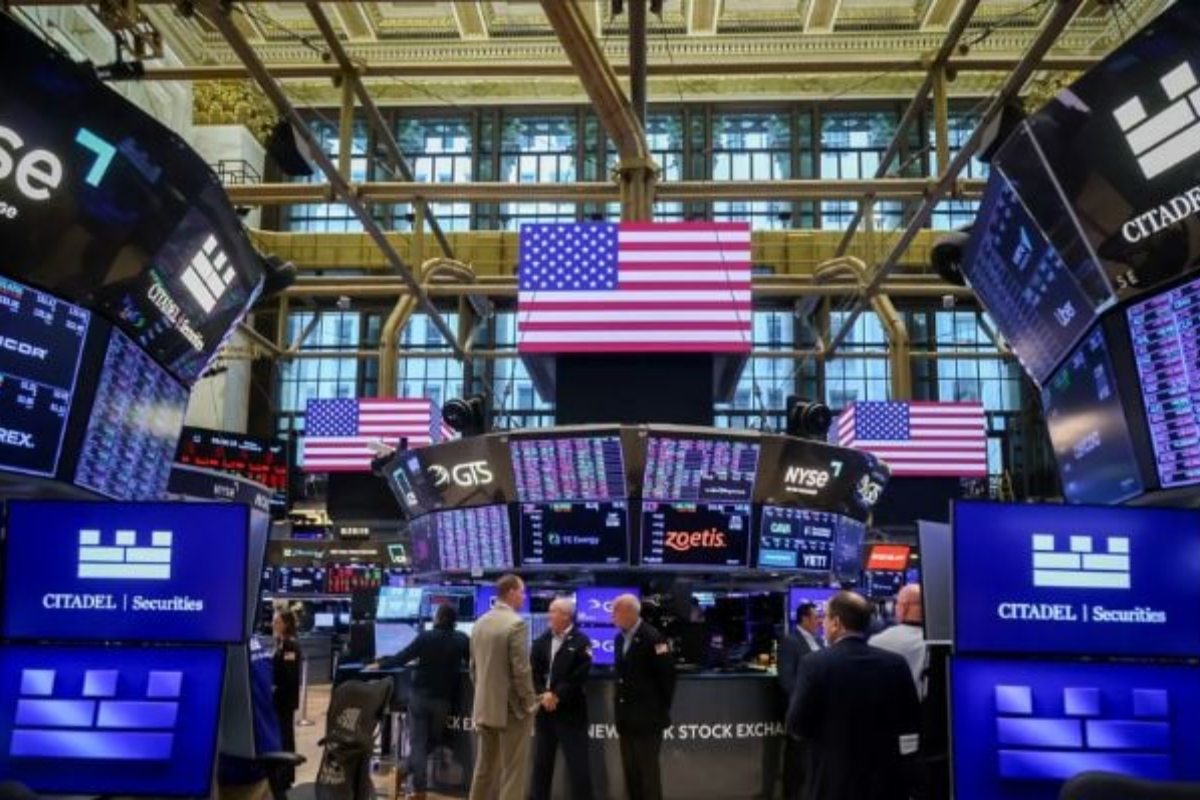
Washington: Global financial markets surged after the Supreme Court of the United States delivered a 6–3 ruling striking down most of President Donald Trump’s signature tariffs.

Following the decision, the S&P 500 climbed 0.6%, while the Nasdaq advanced 1%. The rally extended beyond the United States, with European shares, as well as markets in South Korea and India, posting notable gains.

Companies With Heavy Tariff Exposure Lead Gains

The strongest market reaction was seen among companies heavily exposed to tariffs, particularly those reliant on imports from China.

E-commerce giant Amazon rose 2%, reflecting investor optimism as nearly 70% of its goods are sourced from China. Footwear brands Deckers Outdoor, Birkenstock, and Crocs each gained more than 2%.

Furniture retailers also recorded strong performance, with Wayfair and Floor & Decor surging approximately 4%.

Uncertainty Over Tariff Refunds

Despite the positive market response, uncertainty remains regarding the potential repayment of billions of dollars in tariffs already collected.

Justice Brett Kavanaugh noted that the ruling “says nothing about whether, and how, if so, the Government should go about returning the billions of dollars that it has collected.”

Concerns have emerged that possible refunds could widen the federal deficit. Reflecting these worries, U.S. Treasury yields edged higher, with the 10-year yield rising 2 basis points to 4.096%. Meanwhile, the U.S. dollar weakened slightly.

Decision Comes Amid Soft Economic Data

The court’s ruling comes at a time of underwhelming economic performance. Fourth-quarter GDP expanded at an annualized rate of 1.4%, falling short of expectations, partly due to the impact of a government shutdown.

Core inflation remained elevated at 3%, still above the Federal Reserve’s 2% target, underscoring continued economic challenges despite the market’s upbeat reaction to the court’s decision.

Imran Khan discloses severe vision loss in right eye before Supreme Court

Imran Khan

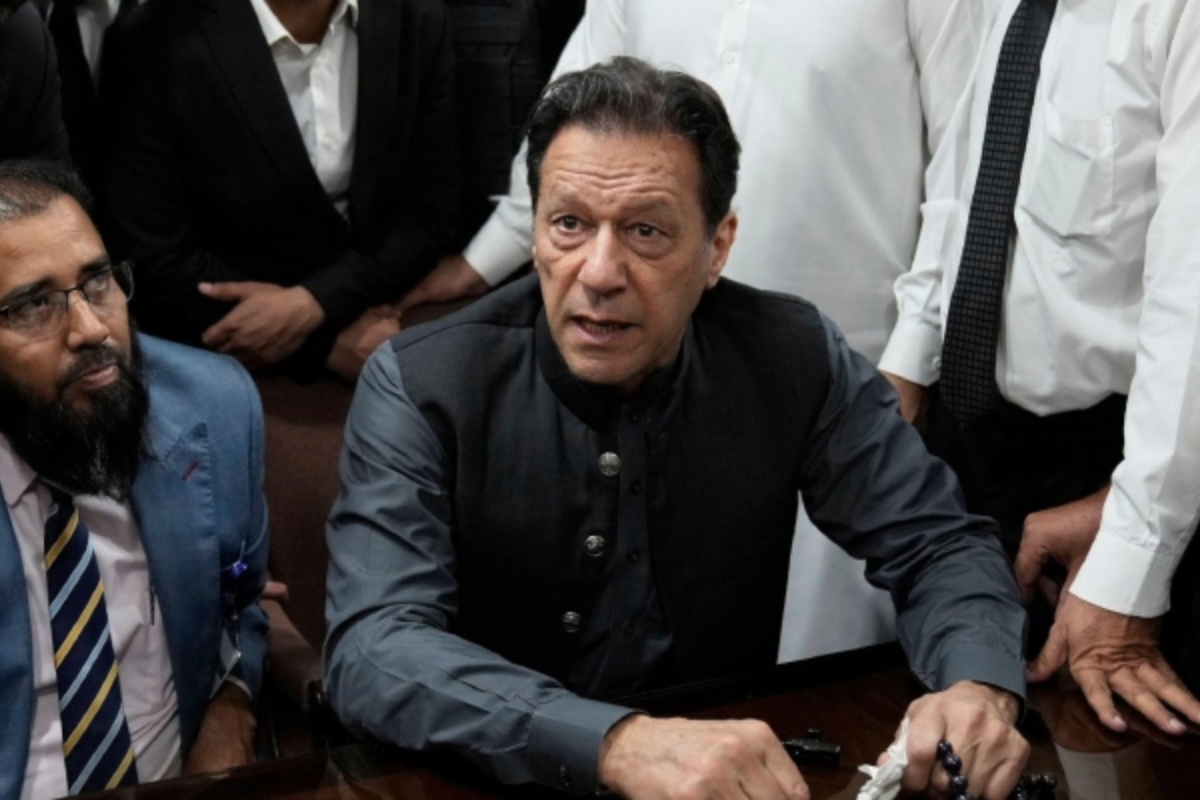
ISLAMABAD: An official report on facilities provided to Pakistan Tehreek-e-Insaf (PTI) founder Imran Khan at Adiala Jail has revealed that his right-eye vision has deteriorated to only 15 percent.

According to the report, Imran Khan requested examinations by his personal doctors, Dr. Faisal Sultan and Dr. Asim Yousuf, and stated he could also be examined by other specialist doctors. Due to the restrictions of solitary confinement and lack of TV access, he demanded access to books.

Supreme Court Orders

The Supreme Court has directed that Imran Khan be given access to eye specialists and telephonic contact with his sons.

Security and Daily Routine

The report notes that Khan expressed no concerns regarding his security, mentioning that roughly 10 CCTV cameras monitor the compound. One camera partially covers the washroom, but no cameras are installed inside his cell.

Imran Khan’s daily routine reportedly includes:

Breakfast at 9:45 am, consisting of coffee, porridge, and dates.

Recitation of the Quran for approximately one hour starting at 11:30 am.

Physical exercise using limited equipment.

Access to a walking shed inside the secure compound after a 1:15 pm bath.

Lunch between 3:30 and 4:00 pm, planned weekly and funded by his family, including a rotation of chicken, meat, lentils, or snacks.

From roughly 5:30 pm until 10:00 am the following day, Khan remains confined to his cell, located about a five-minute walk from the main block of Adiala Jail.

Cell Amenities

His cell contains:

Three high-voltage bulbs, a ceiling fan, and a blower heater.

Two tables, a wall clock, a single bed with mattress, four pillows, two blankets, a chair, a small rack, and a prayer area with tasbih.

32-inch TV installed on the wall, but nonfunctional.

About 100 books on a table, along with two dumbbells, two apples, tissue paper, mouthwash, air freshener, shaving gel, and shaving kit.

A 4.5×4.5 ft toilet, separated by a 4-ft wall, with external access to hot and cold water, a wash basin, and a mirror.

Health Concerns

The report states that until October 2025, Khan had normal vision (6×6). He later experienced persistent blurriness, ultimately leading to a severe clot in his right eye.

 Despite treatment—including an injection administered by PIMS specialists—the right-eye vision has been permanently reduced to 15 percent.

This report provides the first detailed account of Khan’s health, daily regimen, and prison living conditions following his incarceration at Adiala Jail.