
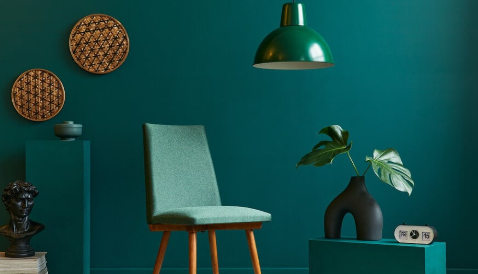
As consumerism loses its charm, a quiet revolution is taking root across Pakistan — one that values simplicity, space, and sustainability over status.
A Shift in Mindset
In a world obsessed with more — more possessions, more upgrades, more distractions — a growing number of Pakistanis are choosing less. From Karachi’s urban professionals to Lahore’s creative freelancers, the concept of minimalist living is redefining how people view comfort and success in 2025.
Minimalism, once seen as a Western aesthetic, is now being reinterpreted within Pakistani culture. It’s not just about decluttering homes — it’s about decluttering life. People are questioning consumer habits, rethinking waste, and seeking fulfillment through experiences rather than material possessions.
“I realized my apartment was full of things I never used,” says 30-year-old interior designer Sana Iqbal. “Once I let go of unnecessary stuff, I felt lighter — mentally and financially.”
Minimalism in Pakistani Homes
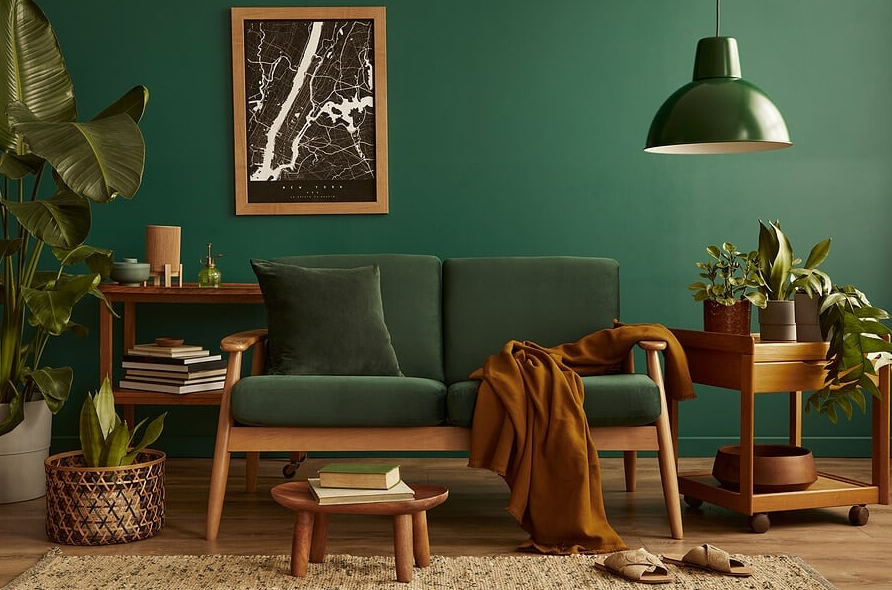
The trend has begun to reshape interior design. Clean lines, open spaces, and neutral tones are replacing heavy furniture and ornate decor. Designers are focusing on functionality — each object has a purpose.

Architectural firms in major cities report increased demand for compact, multi-functional spaces. “Clients want homes that breathe,” explains architect Ahmed Shah from Islamabad. “They prefer natural light, fewer partitions, and sustainable materials like wood and clay.”
Even small apartments are becoming models of mindful living. Instead of filling rooms with furniture, people are investing in quality over quantity — a single handcrafted chair rather than a full, mismatched set.
Minimalism Meets Sustainability
Minimalism in Pakistan isn’t just aesthetic — it’s also environmental. With climate awareness growing, consumers are turning toward sustainable fashion, reusable products, and eco-friendly brands.
Platforms like Daachi Foundation and Polly & Other Stories are promoting local craftsmanship and upcycled design. The younger generation, especially Gen Z, is driving the “buy less, buy better” movement. Thrift stores and pre-loved clothing markets are thriving on Instagram, giving new life to what was once seen as waste.
This mindset is also influencing weddings and events — once known for extravagance. More couples are opting for intimate, minimalist ceremonies, emphasizing experience and meaning over scale and spectacle.
The Mental Freedom of Having Less
Psychologists note a direct link between clutter and stress. In Pakistan’s fast-paced cities, minimalism is becoming a form of mental wellness.
Decluttering spaces — both digital and physical — helps reduce anxiety and decision fatigue. “It’s about controlling your environment instead of being controlled by it,” explains therapist Dr. Huma Asif.
Digital minimalism is also on the rise. Many professionals are limiting screen time, curating social media, and switching to minimalist phone setups to focus on priorities. Apps like Notion and Forest are helping users stay organized and intentional.
Influencers and the Minimalist Aesthetic
Social media, ironically, has helped spread the minimalist lifestyle. Instagram accounts like Minimalist Pakistan and YouTube channels by Pakistani vloggers living abroad are inspiring thousands to adopt simplicity.
Content creators are promoting slow fashion, decluttering tips, and minimalist meal prep ideas that resonate with urban youth. The aesthetic of clean photography, neutral tones, and thoughtful design aligns perfectly with Gen Z’s craving for authenticity.
Minimalism as Freedom, Not Restriction
Critics often misunderstand minimalism as deprivation — but in truth, it’s liberation. It’s not about owning nothing; it’s about owning what matters.
For many Pakistanis, especially young families and freelancers, the shift toward minimalist living is also practical. With rising inflation and limited urban space, simplicity brings stability and peace. It allows individuals to focus on financial independence, creativity, and experiences rather than constant consumption.
“Luxury today isn’t having more,” says entrepreneur Bilal Hasan. “It’s about having time — time to think, to rest, and to live.”
A Global Trend, A Local Heart
While minimalism has roots in global design philosophy, Pakistan’s version carries a local spirit — blending simplicity with culture. Traditional homes in rural Punjab or Gilgit already embody this lifestyle — modest, functional, and connected to nature.
Now, that ethos is returning to urban life. The minimalist movement is inspiring Pakistanis to live consciously, create mindfully, and build spaces that reflect balance.
As the world rushes toward excess, Pakistan’s youth are quietly embracing a timeless truth: happiness doesn’t come from having everything — it comes from needing less.