
BREAKING NEWS
Advertise with us >

Pakistan warns Taliban to tackle terror groups or face defensive response

Pakistan warns

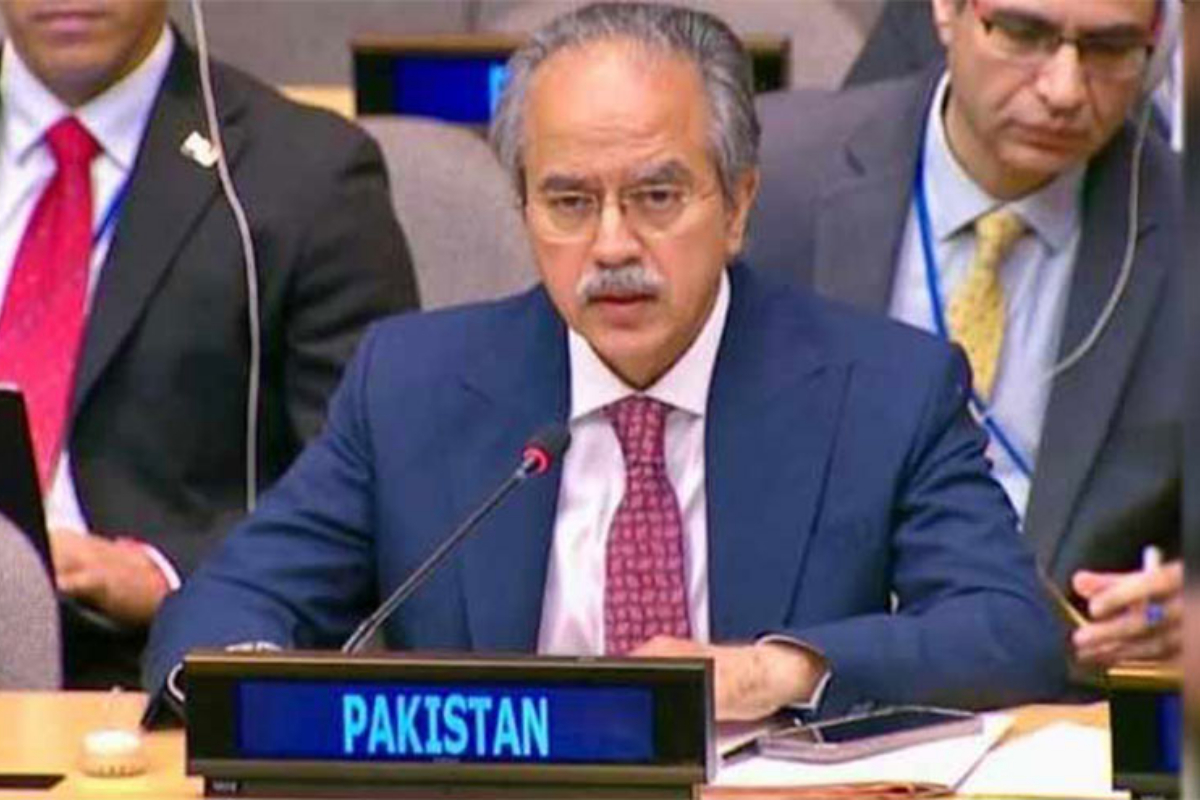
Pakistan’s UN envoy Asim Iftikhar has warned that terror networks operating from Afghan soil pose the gravest threat to the country’s national security.

Speaking at a UN Security Council session on the situation in Afghanistan, Ambassador Iftikhar warned that Afghanistan has once again become a safe haven for terrorist groups and their proxy networks.

He stressed that cross-border terrorism from Afghanistan poses severe security challenges for neighbouring states — particularly Pakistan — and its impact is being felt beyond the region.

The Pakistani envoy told the Council that several terrorist organisations, including ISIS-K, Al-Qaeda, TTP, ETIM, BLA, and the Majid Brigade, are exploiting safe sanctuaries inside Afghanistan.

He informed the Council that dozens of terrorist camps are operating inside Afghanistan, enabling cross-border infiltration, suicide attacks and other violent acts.

Ambassador Iftikhar noted that the UN Monitoring Team has confirmed the presence of nearly 6,000 TTP militants on Afghan soil, adding that certain elements within the Taliban ranks are aiding these groups by offering them freedom of movement and operational space.

He further stated that there is solid evidence of collaboration among terrorist outfits, involving joint training, illegal weapons trafficking, providing shelter to militants, and coordinating attacks against Pakistan from Afghan territory.

Without directly naming India, the envoy said that a hostile and opportunistic state has intensified its material, technical and financial support for anti-Pakistan terrorist groups and proxy networks.

Calling for stronger measures to curb illicit trade and the destabilising spread of small and light weapons in Afghanistan and the region, the envoy urged collective international action.

He emphasised that the Taliban must take credible, verifiable action against terrorist groups operating from their soil. Failing this, Pakistan will take all necessary defensive measures to safeguard its people, territory and sovereignty.

Ambassador Iftikhar added that the war in Afghanistan has ended, expressing hope that Afghan citizens will return to their homeland in a dignified, phased and orderly manner.
Taliban arrest four youth for wearing ‘Peaky Blinders’-inspired outfits

Taliban

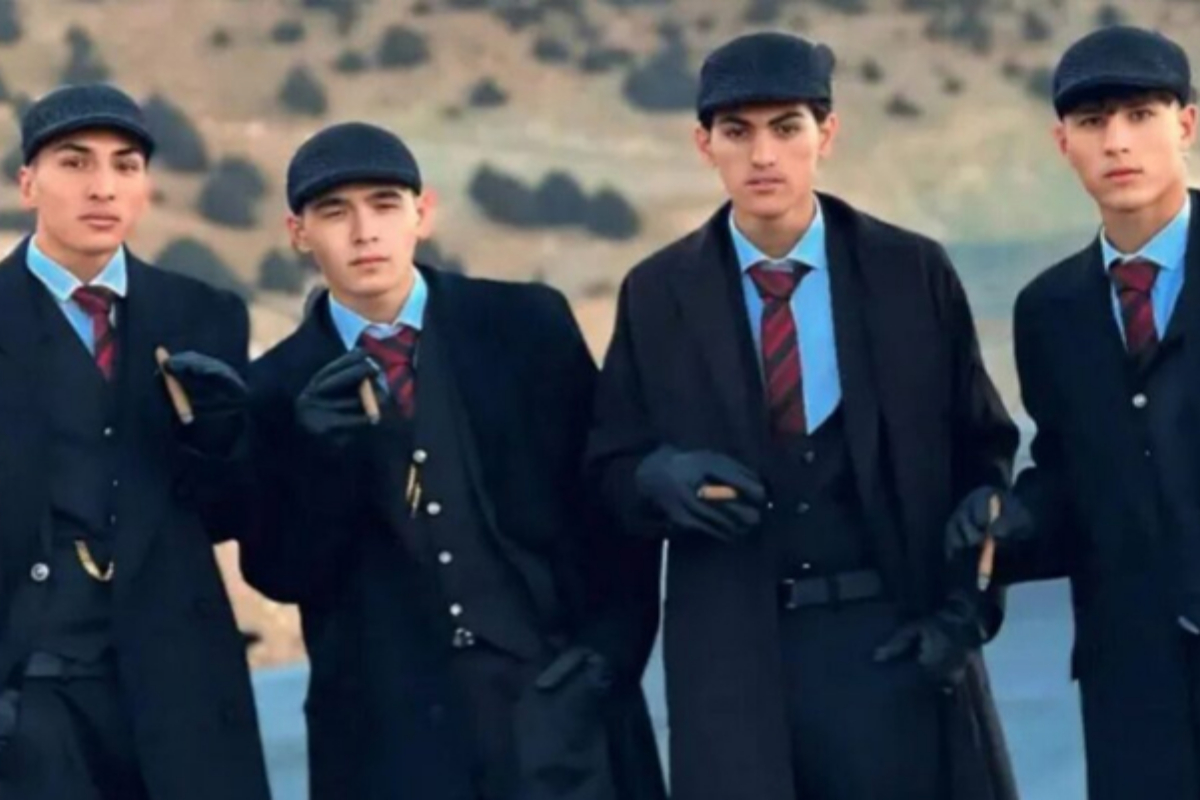
The Taliban authorities in Afghanistan have detained four young men in Herat for wearing outfits inspired by the British TV series Peaky Blinders.

According to Saif-ul-Islam Khyber, spokesperson for the Ministry for the Promotion of Virtue and Prevention of Vice, the arrests were made in Jebrael Township on charges of “promoting foreign culture.”

Reports from Afghan media indicate that photos of the young men, dressed in long coats and flat caps resembling the Shelby family characters from the hit series, had been circulating on social media for several days.

In an interview broadcast on a YouTube channel earlier, the youths said they adopted the style because of their liking for the show and claimed they received positive reactions from locals. One of them stated that they also planned to showcase traditional clothing of Afghanistan’s various ethnic groups in the future.

However, the Taliban labeled the fashion choice as contrary to “Islamic values and Afghan culture.” The spokesperson also shared a video in which one of the detained youths expressed regret over his attire.

This is not the first instance of such action, as the Taliban have previously arrested numerous individuals for alleged dress code violations.

UN warns of women’s rights erosion under Taliban

UN warns

UNITED NATIONS: Restoring diplomatic ties with the Taliban would amount to endorsing repression, a UN human rights official has said, calling on world governments to take a firm, principled stance in defense of Afghan women and girls.

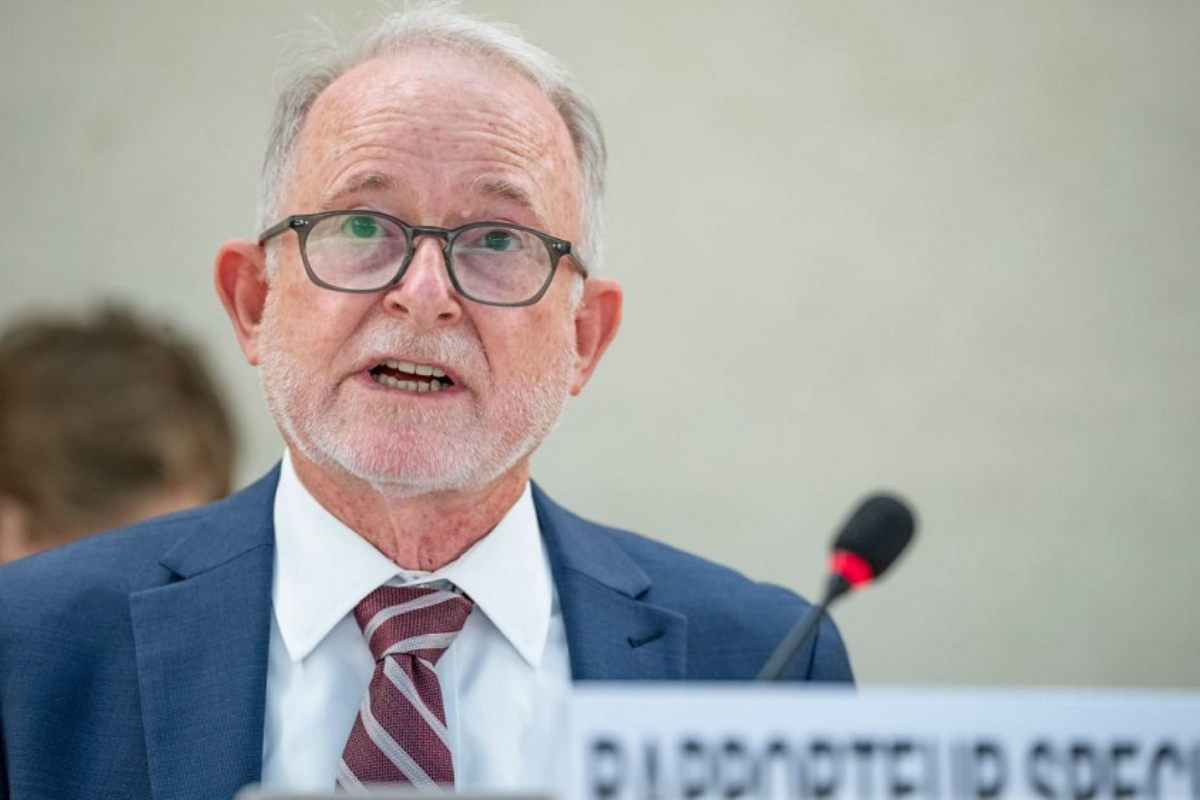
Richard Bennett, the Special Rapporteur monitoring human rights in Afghanistan – who serves independently under a mandate of the Human Rights Council – told the UN General Assembly that the human rights situation in the country “continues to deteriorate with few grounds for optimism.”

He warned of intensifying gender persecution, a rise in corporal punishment, enforced disappearances and attacks against former officials despite a declared amnesty.

There are also increasing restrictions on media freedom and civil society, and discrimination against ethnic and religious minorities, including forced evictions affecting Hazara communities.

The UN expert noted that no Taliban edicts restricting women’s rights have been reversed.

 “Many Afghan women are denied their right to work,” he said, pointing to recent moves preventing Afghan women working for the UN from entering UN compounds. “This is a serious breach of fundamental rights and the UN Charter’s principles of equality and non-discrimination.”

Bennett also criticized the sharp reduction in humanitarian and civil society funding, which he said is removing “the last lines of protection” for a population already facing widespread deprivation.

He urged governments to recommit to long-term, sustained support, particularly for Afghan and women-led organizations.

The Special Rapporteur further warned of the mass forced return of Afghan refugees, urging all States to respect the international legal principle of non-refoulement, which prohibits returning people to places where they face persecution or serious harm.

While the situation remains grave, Bennett highlighted signs of progress in accountability.

These include the International Criminal Court’s issuance of arrest warrants for senior Taliban leaders, and the Human Rights Council’s recent establishment of an independent investigative mechanism to collect and preserve evidence of serious crimes for future trials.

“Afghanistan is not a lost cause,” Bennett told delegates, stressing that accountability is an “essential part “of building a future rooted in justice, equality and the rule of law.

“Turning away now would not only betray the Afghan people – it would undermine the foundations of our shared international system,” he said.

He urged States to engage with Afghanistan “in a principled manner that avoids normalization of Taliban rule until there are demonstrated, measurable and independently verified improvements in the human rights situation – particularly for women and girls.”