
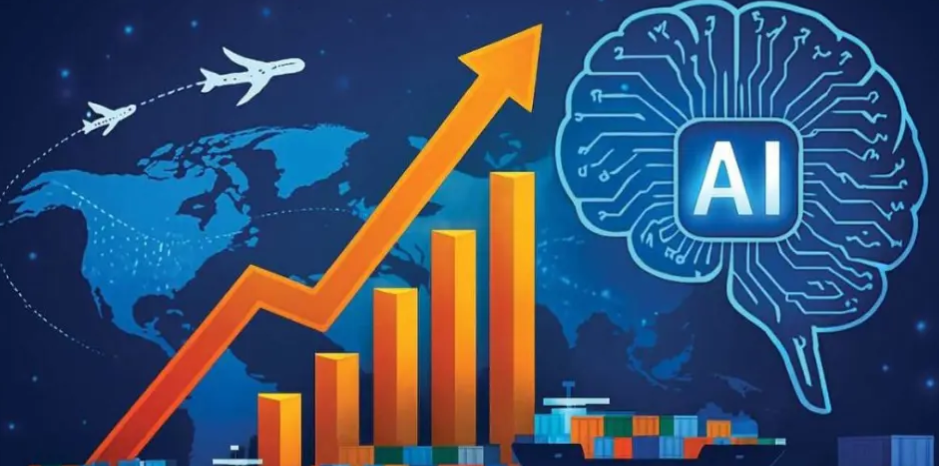
A landmark World Trade Organization report warns that artificial intelligence could boost global trade by up to 37% by 2040, but only if countries invest in skills, infrastructure and inclusive policies. Reuters
A New Era in Global Commerce
Artificial Intelligence isn’t just reshaping software and services — it’s poised to change how goods and services move across borders. According to the WTO’s latest report, AI-driven logistics, translation tools, regulatory compliance and virtual trade interfaces could increase global trade by 34-37% by 2040. Reuters
That means an economy that currently just ships raw materials or low-value goods will need to rethink everything: supply chains, workforce skills, policy frameworks and trade relationships. For countries like Pakistan, which sit between emerging and established trade routes, this shift is both an opportunity and a threat.
What the Report Finds
- AI-powered translation and communication tools will lower trade costs: small producers in low-income countries could see export growth of up to 11%. Reuters
- But the benefits won’t be automatic. The report warns that without proper investment in digital infrastructure, training and regulatory reforms, AI could widen inequalities across economies. Reuters
- The new trade competitive edge will come from combining tech adoption with skilled labour, strong institutions and open connectivity — not just cheap labour or raw resource exports.
Why Pakistan Should Care
For Pakistan’s economy, the implications are significant.
- Pakistan’s exporters (textiles, agriculture, small manufacturing) must prepare for a world where digital proficiency matters more than just cost.
- Investing in data-networks, coders, translators and tech-savvy logistics could help Pakistan’s SMEs tap into global value chains.
- But if Pakistan misses the tech train, the country may be stuck exporting low-value goods in a world moving to high-value digital trade.
If Pakistan’s government, industry and educational institutions align — focusing on digital inclusion, AI training and infrastructure — then the country stands to gain. Otherwise, the global trade expansion driven by AI might largely bypass places that aren’t ready.
Global Impacts: Winners and Losers
The AI-trade boom isn’t just about more goods — it’s about smarter goods, services and connections. Technology will enable:
- More flexible supply chains, quicker adaptation to market changes
- Small exporters in remote regions to reach global buyers directly
- Countries to leapfrog traditional manufacturing models
But there are risks:
- Countries lagging in infrastructure or education may find themselves left behind
- Geopolitical pressures and protectionism may interfere with open trade
- The shift in trade value patterns may up-end current economic models in many developing countries
What This Means for the Reader
- Business readers should watch for how AI tools reshape exports, logistics and value chains.
- Policy readers should consider how their educational systems and trade regulations can adapt.
- Everyday readers should ask: how will global trade changes affect jobs, prices and economic growth in their region?