BREAKING NEWS
Advertise with us >

Eating vegetables linked to lower risk of multiple Cancers

Eating vegetables

London: A new study from Oxford University suggests that including vegetables in your daily diet can significantly reduce the risk of developing several types of cancer.

The research followed over 1.8 million participants for several years, examining their health and dietary habits, and analyzed how different eating patterns impacted the risk of 17 types of cancer.

Participants were grouped based on their diets: those who ate vegetables regularly, those who preferred poultry over red meat, fish eaters, and strict vegetarians. The study also accounted for other cancer risk factors such as body weight and smoking.

Key findings include: Pancreatic cancer risk reduced by 21% among regular vegetable eaters, bladder cancer risk reduced by 12%, breast cancer risk reduced by 9%,kidney cancer risk was 28% lower in vegetable lovers compared to meat-eaters and bone marrow cancer risk reduced by 31%

Researchers noted that these results are encouraging for those who enjoy vegetables, showing a lowered risk for at least five major types of cancer.

However, the study also found that a vegetable-only diet may increase the risk of certain cancers. For example, gastrointestinal tract cancers and intestinal cancer risk rose by up to 40%, potentially due to insufficient intake of B vitamins and calcium typically obtained from meat.

The researchers emphasized that while vegetables are protective against many cancers, balanced nutrition remains essential, and further studies are needed to confirm these findings.

Sindh to launch mega blood donation campaign before Ramadan

Sindh to launch

KARACHI: The Sindh Blood Transfusion Authority has announced the launch of a province-wide Mega Blood Donation Drive on February 16, describing it as the first campaign of its kind under the Sindh Health Department.

Secretary of the authority, Dr. Dur-e-Naz Jamal, termed the initiative a major step aimed at addressing blood shortages ahead of Ramadan. She said that for the first time, all blood banks across Sindh will work simultaneously under a coordinated strategy to ensure maximum collection.

According to Dr. Jamal, a single bottle of donated blood can help save up to three lives. She revealed that around 17,000 thalassemia patients are currently registered across Sindh, underscoring the urgent need for regular voluntary blood donations.

She further announced that medals and certificates will be awarded to blood donors during the campaign in order to encourage greater public participation and promote a culture of voluntary donation.

Appealing to citizens, Dr. Dur-e-Naz Jamal urged people to actively participate in the Mega Blood Donation Drive and make it a success so that no shortage of blood arises during Ramadan.

Imran Khan discloses severe vision loss in right eye before Supreme Court

Imran Khan

ISLAMABAD: An official report on facilities provided to Pakistan Tehreek-e-Insaf (PTI) founder Imran Khan at Adiala Jail has revealed that his right-eye vision has deteriorated to only 15 percent.

According to the report, Imran Khan requested examinations by his personal doctors, Dr. Faisal Sultan and Dr. Asim Yousuf, and stated he could also be examined by other specialist doctors. Due to the restrictions of solitary confinement and lack of TV access, he demanded access to books.

Supreme Court Orders

The Supreme Court has directed that Imran Khan be given access to eye specialists and telephonic contact with his sons.

Security and Daily Routine

The report notes that Khan expressed no concerns regarding his security, mentioning that roughly 10 CCTV cameras monitor the compound. One camera partially covers the washroom, but no cameras are installed inside his cell.

Imran Khan’s daily routine reportedly includes:

Breakfast at 9:45 am, consisting of coffee, porridge, and dates.

Recitation of the Quran for approximately one hour starting at 11:30 am.

Physical exercise using limited equipment.

Access to a walking shed inside the secure compound after a 1:15 pm bath.

Lunch between 3:30 and 4:00 pm, planned weekly and funded by his family, including a rotation of chicken, meat, lentils, or snacks.

From roughly 5:30 pm until 10:00 am the following day, Khan remains confined to his cell, located about a five-minute walk from the main block of Adiala Jail.

Cell Amenities

His cell contains:

Three high-voltage bulbs, a ceiling fan, and a blower heater.

Two tables, a wall clock, a single bed with mattress, four pillows, two blankets, a chair, a small rack, and a prayer area with tasbih.

32-inch TV installed on the wall, but nonfunctional.

About 100 books on a table, along with two dumbbells, two apples, tissue paper, mouthwash, air freshener, shaving gel, and shaving kit.

A 4.5×4.5 ft toilet, separated by a 4-ft wall, with external access to hot and cold water, a wash basin, and a mirror.

Health Concerns

The report states that until October 2025, Khan had normal vision (6×6). He later experienced persistent blurriness, ultimately leading to a severe clot in his right eye.

 Despite treatment—including an injection administered by PIMS specialists—the right-eye vision has been permanently reduced to 15 percent.

This report provides the first detailed account of Khan’s health, daily regimen, and prison living conditions following his incarceration at Adiala Jail.

Maryam Wattoo claims no improvement in IK’s eye despite treatment

Maryam Wattoo

ISLAMABAD/KARACHI: Maryam Riaz Wattoo, sister of PTI founder Imran Khan’s wife Bushra Bibi, has claimed that despite receiving injections, there has been no improvement in Imran Khan’s affected eye.

In a statement shared on X, Maryam Riaz Wattoo said that her family met Bushra Bibi today, who had earlier also met Imran Khan. According to Maryam, Bushra Bibi expressed deep concern over Imran Khan’s health once again.

She added that even after the injections, there has been not even a 10 percent improvement in the condition of Imran Khan’s affected eye. Maryam stressed the urgent need for Imran Khan to be granted access to his personal doctors immediately.

Maryam Riaz Wattoo also appealed to PTI leaders to raise the matter in courts, with human rights organizations, and in international media, emphasizing that Imran Khan urgently requires proper medical care.

Meanwhile, jail sources confirmed that Bushra Bibi and her family were allowed a visit today, which included her daughter and daughter-in-law. The meeting lasted for approximately 30 minutes.

According to the sources, after a separate meeting with Barrister Salman Safdar, Bushra Bibi and Imran Khan also met inside the prison’s conference room for half an hour, during which they inquired about each other’s well-being.

Sindh bans photography in girls’ colleges to protect students’ privacy

Sindh bans

KARACHI: The Sindh government has imposed a ban on photography in government girls’ colleges across the province to prevent the misuse of students’ images on social media.

According to official details, the Sindh College Education Department has issued a formal notification directing principals of government girls’ colleges to strictly enforce the ban on taking photographs of students within college premises.

The measure aims to curb the unauthorised sharing and circulation of students’ images on social media platforms. The decision follows an advisory issued by the Special Secretary for Colleges, after which the Regional Director of College Education Karachi formally informed all government colleges through official correspondence.

Officials said the step was taken in response to multiple complaints regarding the misuse of photographs taken on college campuses. The ban has been introduced to safeguard the privacy, dignity and security of female students.

The Special Secretary noted that in several cases, unauthorised photographs of female teachers and students were secretly taken and shared on platforms such as Facebook, WhatsApp and other digital media.

Following the directive, college principals and staff have been instructed to ensure strict compliance. Regional Director College Education Karachi, Professor Qazi Irshad, warned that disciplinary action would be taken against principals and staff found violating the ban.

It is worth mentioning that earlier the Punjab government had also imposed restrictions on the use of mobile phones by teachers and students in schools, directing district education officers to ensure strict implementation of the policy.

Nipah virus claims woman’s life in Bangladesh, WHO confirms

Nipah virus

DHAKA: A woman has died after contracting the Nipah virus in Bangladesh, the World Health Organization (WHO) has confirmed. The deceased, aged between 40 and 50 years, was a resident of Naogaon district.

According to details, symptoms of the virus appeared on January 21, including fever, headache, excessive salivation, confusion, and seizures.

The woman’s condition deteriorated rapidly, and she passed away about a week later. Laboratory confirmation of the Nipah virus came a day after her death.

Health officials stated that the woman had recently consumed raw date palm sap, a known risk factor for Nipah virus transmission.

She had no recent travel history. After being admitted to hospital on January 28, blood and throat samples were collected, and the virus was confirmed in laboratory tests on January 29.

The WHO said that 35 individuals who came into close contact with the patient are currently under monitoring, and so far, no symptoms have been detected among them.

This case has emerged shortly after two Nipah virus cases were reported in India’s West Bengal, prompting several South Asian countries to strengthen health screening and surveillance measures at airports.

The WHO chief described Nipah as a rare but highly serious disease, stating that authorities are actively working to enhance disease surveillance, testing, prevention strategies, and public awareness to protect communities.

According to reports, around 348 Nipah virus cases have been recorded in Bangladesh since 2001. Nearly half of these cases were linked to the consumption of raw date palm sap. The fatality rate of the virus ranges from 40 percent to as high as 75 percent.

The WHO has emphasized that no specific vaccine or treatment is currently available for Nipah virus. The disease is primarily transmitted from bats to humans, often through contaminated fruits or raw date palm juice.

In response to regional concerns, Malaysia, Thailand, Indonesia, Singapore, and Pakistan, among other countries, have initiated temperature screening at airports. Singapore has also mandated 14 days of daily temperature and symptom monitoring for workers arriving from West Bengal.

Baby girl born during train journey after timely medical response

Baby girl born

KARACHI: A baby girl was born aboard the Rehman Baba Express (Train No. 47-Up) during its journey from Karachi Cantonment to Tando Adam, following timely intervention by railway police and doctors present on the train.

According to railway police, a female passenger traveling in coach number 08 suddenly fell ill during the journey due to labor complications. Owing to a delay in the train’s movement, the woman delivered the baby while still on board.

Head Constable Shoaib Raza, who was part of the train security squad, immediately called two doctors traveling on the train. The doctors provided initial medical assistance and later advised that the woman was not fit to continue traveling after the delivery.

In view of the situation, the railway police contacted Rescue 1122 for further assistance. However, due to the unavailability of delivery facilities at nearby hospitals, the rescue team recommended shifting the mother and newborn to Jinnah Postgraduate Medical Centre.

Railway police officials confirmed that both the mother and the newborn baby girl are in satisfactory condition.

Tobacco, diet, and pollution linked to 40% of preventable cancer cases: WHO

Tobacco

According to a study released by the World Health Organization (WHO) on the occasion of World Cancer Day, nearly 40 percent of cancer cases worldwide could be prevented by avoiding known risk factors that contribute to the disease.

The research highlights that behaviors and exposures such as tobacco use, alcohol consumption, air pollution, and certain infections account for a significant portion of cancer risk. In 2022 alone, the study estimates that 37 percent—or roughly 7.1 million—new cancer cases could have been prevented.

Key Risk Factors and Preventable Cancers

The WHO’s International Agency for Research on Cancer (IARC) analyzed 30 factors that increase cancer risk. Findings include:

Tobacco use is linked to 15 percent of all cancer cases.

Other major contributors include infectious agents (10 percent) and alcohol consumption (3 percent).

Additional risk factors include obesity, physical inactivity, ultraviolet (UV) exposure from sunlight, and air pollution.

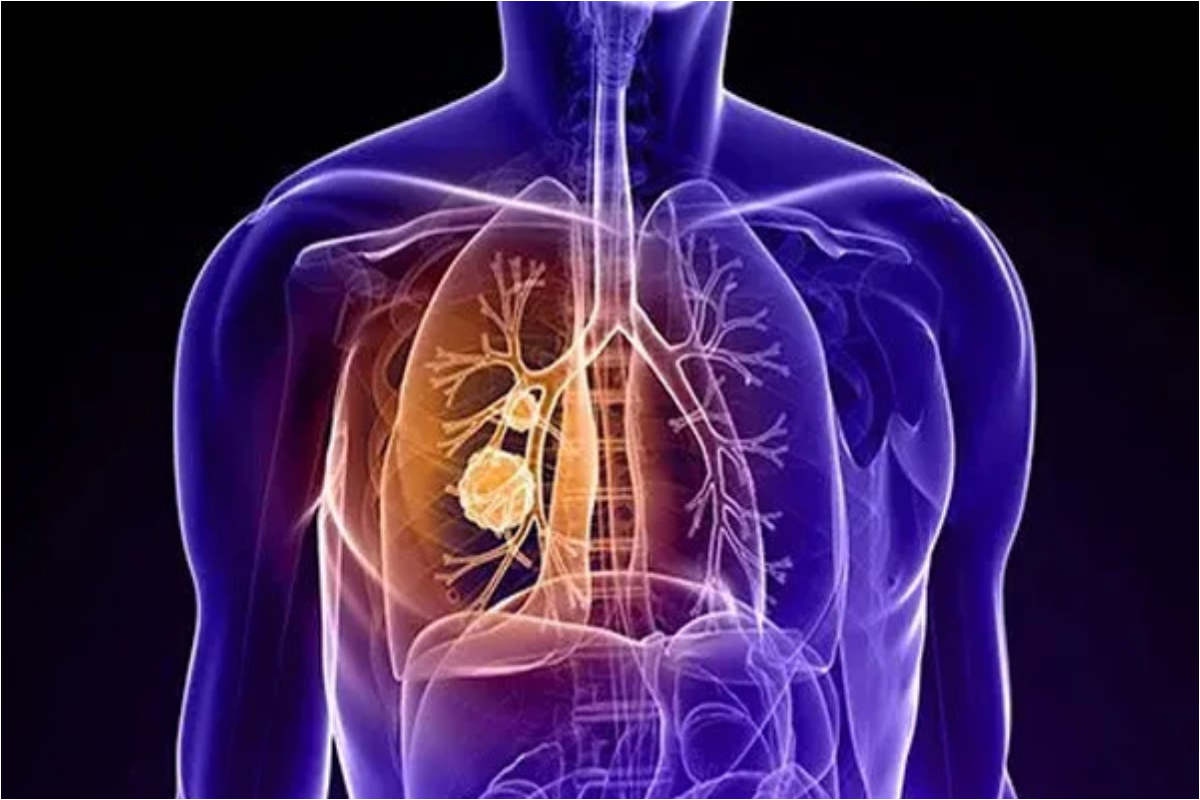
The study emphasizes that cancers with the highest potential for prevention—nearly 50 percent of cases—include lung, stomach, and cervical cancers. Lung cancer is primarily associated with tobacco use and air pollution, stomach cancer is linked to Helicobacter pylori infection, and cervical cancer is mostly caused by HPV, against which vaccines are effective.

Gender Differences in Preventable Cancer Cases

The research indicates that men have a higher proportion of preventable cancer cases compared to women—45 percent versus 30 percent. Among these, about one-quarter of preventable cancers in men are due to tobacco, compared with 11 percent in women.

WHO experts called on governments worldwide to implement strict tobacco control measures, ensure access to vaccines for preventable infections such as HPV, improve air quality, promote healthy diets, and encourage physical activity.

The study concludes that reducing the global cancer burden requires addressing other non-communicable disease risk factors as well, including tobacco, alcohol, ultra-processed foods, and environmental pollutants.

This research represents the first global analysis demonstrating that a significant portion of cancer cases could be avoided through targeted prevention strategies.

Nipah-like virus detected, experts warn of silent human transmission

Nipah-like virus

Islamabad: Scientists have identified a new bat-borne virus resembling the deadly Nipah virus, raising concerns that it may already be spreading silently among humans without being detected.

According to details, the virus was discovered in patients who initially showed symptoms similar to Nipah virus infection but later tested negative for Nipah. Researchers fear that the newly identified virus may have been circulating undiagnosed in humans.

Nipah virus is considered one of the most dangerous zoonotic diseases, known to cause severe brain inflammation, with a fatality rate of up to 75 percent.

Experts from Columbia University’s Mailman School of Public Health have named the newly discovered pathogen Pteropine Orthoreovirus (PRV). Clinically, its symptoms closely resemble those of Nipah virus, including severe respiratory and neurological complications.

Researchers believe the virus may have gone undetected for a long time due to similarities with Nipah virus symptoms and limited diagnostic surveillance.

The virus was identified in five patients in Bangladesh whose throat swab samples tested negative for Nipah virus. All patients had recently consumed raw date palm sap, which is widely known as a transmission source for bat-borne viruses such as Nipah, rabies, and Marburg.

Patients developed severe respiratory and neurological symptoms. In some cases, fatigue, breathing difficulties, and problems with mobility persisted for months after the initial illness. One patient later died, although it could not be conclusively determined whether PRV was the direct cause of death.

In a study published in the journal Emerging Infectious Diseases, researchers advised healthcare professionals to consider PRV infection in patients presenting with Nipah-like symptoms.

The study’s lead author, Dr. Nishesh Mishra, said the discovery highlights that consumption of raw date palm sap can facilitate the spread of dangerous viruses beyond Nipah, underscoring the urgent need for expanded surveillance systems.

Meanwhile, UK health authorities have confirmed that they are closely monitoring the recent Nipah virus outbreak in India’s West Bengal state, where testing of nearly 200 individuals is currently underway.

Sindh to upgrade 300 Rabies Treatment Centres across province

Sindh to upgrade

KARACHI: The Sindh government has announced plans to upgrade 300 treatment and prevention centres under the Rabies Control Program Sindh (RCPS) to ensure timely and accessible care for rabies patients.

Chief Secretary Sindh, Asif Hyder Shah, who chaired a meeting on the program, said that rabies treatment facilities will be available every 10 to 15 kilometers across the province. “All 300 rabies centres in Sindh districts will be upgraded,” he confirmed.

Shah emphasized that the government has adopted a comprehensive and proactive approach to address rabies. Medicines and vaccines will be procured, and the centres will be upscaled in phases with enhanced facilities, standardized protocols, and improved service delivery.

The meeting also highlighted that staff members of the rabies control program will receive training to improve technical skills and clinical capacity. In addition, a province-wide awareness campaign will be launched to educate people on the importance of timely treatment.

Rabies is a preventable viral disease primarily transmitted through the bite of an infected dog or animal. It affects the central nervous system, causing severe neurological symptoms, and can be fatal if left untreated.

Another rabies death reported in Karachi

A man in Karachi has died after contracting rabies from a dog bite, marking the second fatality from the disease in Sindh this year.

According to Jinnah Postgraduate Medical Centre (JPMC), the deceased, Karamat, was bitten by a dog three months ago and developed rabies.

He was admitted to the hospital on January 8. Karamat, aged 42, was a resident of Gulshan-e-Maymar and worked as a plumber.

The Sindh Health Department confirmed that rabies has now claimed two lives in the province in 2026.