BREAKING NEWS
Advertise with us >

Nipah virus claims woman’s life in Bangladesh, WHO confirms

Nipah virus

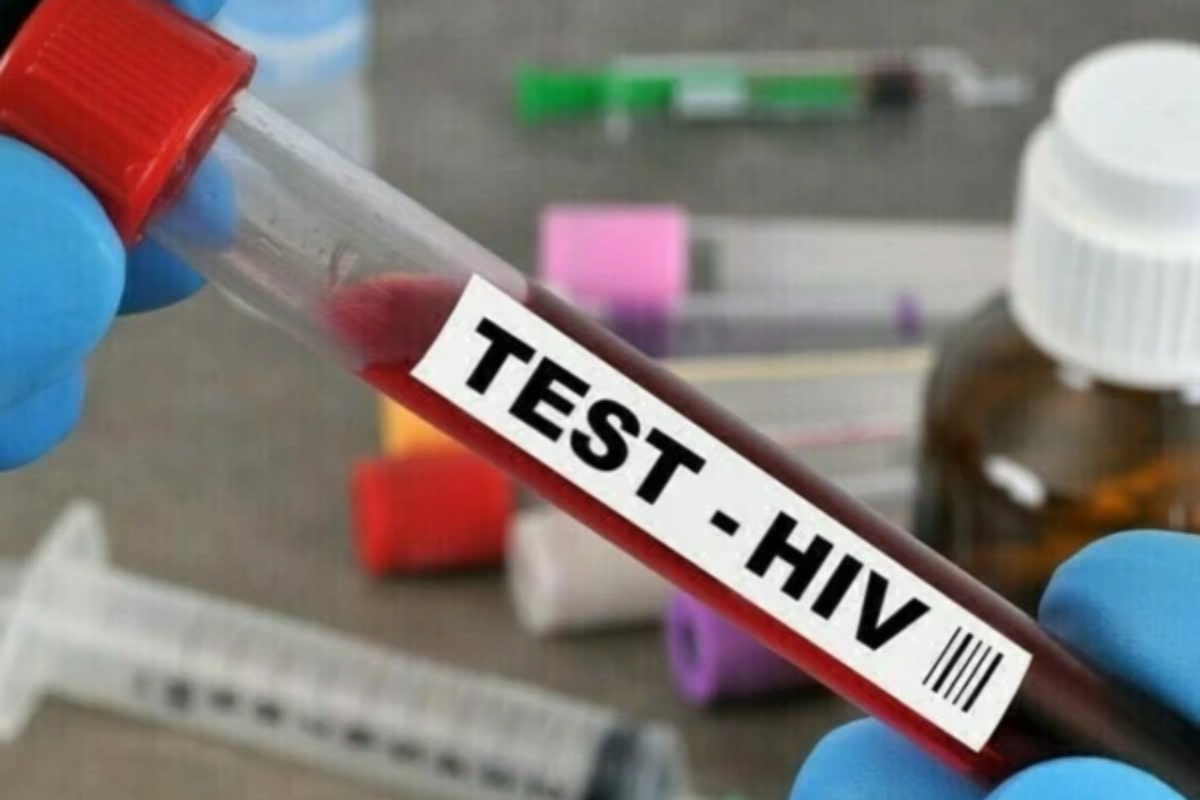
DHAKA: A woman has died after contracting the Nipah virus in Bangladesh, the World Health Organization (WHO) has confirmed. The deceased, aged between 40 and 50 years, was a resident of Naogaon district.

According to details, symptoms of the virus appeared on January 21, including fever, headache, excessive salivation, confusion, and seizures.

The woman’s condition deteriorated rapidly, and she passed away about a week later. Laboratory confirmation of the Nipah virus came a day after her death.

Health officials stated that the woman had recently consumed raw date palm sap, a known risk factor for Nipah virus transmission.

She had no recent travel history. After being admitted to hospital on January 28, blood and throat samples were collected, and the virus was confirmed in laboratory tests on January 29.

The WHO said that 35 individuals who came into close contact with the patient are currently under monitoring, and so far, no symptoms have been detected among them.

This case has emerged shortly after two Nipah virus cases were reported in India’s West Bengal, prompting several South Asian countries to strengthen health screening and surveillance measures at airports.

The WHO chief described Nipah as a rare but highly serious disease, stating that authorities are actively working to enhance disease surveillance, testing, prevention strategies, and public awareness to protect communities.

According to reports, around 348 Nipah virus cases have been recorded in Bangladesh since 2001. Nearly half of these cases were linked to the consumption of raw date palm sap. The fatality rate of the virus ranges from 40 percent to as high as 75 percent.

The WHO has emphasized that no specific vaccine or treatment is currently available for Nipah virus. The disease is primarily transmitted from bats to humans, often through contaminated fruits or raw date palm juice.

In response to regional concerns, Malaysia, Thailand, Indonesia, Singapore, and Pakistan, among other countries, have initiated temperature screening at airports. Singapore has also mandated 14 days of daily temperature and symptom monitoring for workers arriving from West Bengal.

Baby girl born during train journey after timely medical response

Baby girl born

KARACHI: A baby girl was born aboard the Rehman Baba Express (Train No. 47-Up) during its journey from Karachi Cantonment to Tando Adam, following timely intervention by railway police and doctors present on the train.

According to railway police, a female passenger traveling in coach number 08 suddenly fell ill during the journey due to labor complications. Owing to a delay in the train’s movement, the woman delivered the baby while still on board.

Head Constable Shoaib Raza, who was part of the train security squad, immediately called two doctors traveling on the train. The doctors provided initial medical assistance and later advised that the woman was not fit to continue traveling after the delivery.

In view of the situation, the railway police contacted Rescue 1122 for further assistance. However, due to the unavailability of delivery facilities at nearby hospitals, the rescue team recommended shifting the mother and newborn to Jinnah Postgraduate Medical Centre.

Railway police officials confirmed that both the mother and the newborn baby girl are in satisfactory condition.

Tobacco, diet, and pollution linked to 40% of preventable cancer cases: WHO

Tobacco

According to a study released by the World Health Organization (WHO) on the occasion of World Cancer Day, nearly 40 percent of cancer cases worldwide could be prevented by avoiding known risk factors that contribute to the disease.

The research highlights that behaviors and exposures such as tobacco use, alcohol consumption, air pollution, and certain infections account for a significant portion of cancer risk. In 2022 alone, the study estimates that 37 percent—or roughly 7.1 million—new cancer cases could have been prevented.

Key Risk Factors and Preventable Cancers

The WHO’s International Agency for Research on Cancer (IARC) analyzed 30 factors that increase cancer risk. Findings include:

Tobacco use is linked to 15 percent of all cancer cases.

Other major contributors include infectious agents (10 percent) and alcohol consumption (3 percent).

Additional risk factors include obesity, physical inactivity, ultraviolet (UV) exposure from sunlight, and air pollution.

The study emphasizes that cancers with the highest potential for prevention—nearly 50 percent of cases—include lung, stomach, and cervical cancers. Lung cancer is primarily associated with tobacco use and air pollution, stomach cancer is linked to Helicobacter pylori infection, and cervical cancer is mostly caused by HPV, against which vaccines are effective.

Gender Differences in Preventable Cancer Cases

The research indicates that men have a higher proportion of preventable cancer cases compared to women—45 percent versus 30 percent. Among these, about one-quarter of preventable cancers in men are due to tobacco, compared with 11 percent in women.

WHO experts called on governments worldwide to implement strict tobacco control measures, ensure access to vaccines for preventable infections such as HPV, improve air quality, promote healthy diets, and encourage physical activity.

The study concludes that reducing the global cancer burden requires addressing other non-communicable disease risk factors as well, including tobacco, alcohol, ultra-processed foods, and environmental pollutants.

This research represents the first global analysis demonstrating that a significant portion of cancer cases could be avoided through targeted prevention strategies.

Nipah-like virus detected, experts warn of silent human transmission

Nipah-like virus

Islamabad: Scientists have identified a new bat-borne virus resembling the deadly Nipah virus, raising concerns that it may already be spreading silently among humans without being detected.

According to details, the virus was discovered in patients who initially showed symptoms similar to Nipah virus infection but later tested negative for Nipah. Researchers fear that the newly identified virus may have been circulating undiagnosed in humans.

Nipah virus is considered one of the most dangerous zoonotic diseases, known to cause severe brain inflammation, with a fatality rate of up to 75 percent.

Experts from Columbia University’s Mailman School of Public Health have named the newly discovered pathogen Pteropine Orthoreovirus (PRV). Clinically, its symptoms closely resemble those of Nipah virus, including severe respiratory and neurological complications.

Researchers believe the virus may have gone undetected for a long time due to similarities with Nipah virus symptoms and limited diagnostic surveillance.

The virus was identified in five patients in Bangladesh whose throat swab samples tested negative for Nipah virus. All patients had recently consumed raw date palm sap, which is widely known as a transmission source for bat-borne viruses such as Nipah, rabies, and Marburg.

Patients developed severe respiratory and neurological symptoms. In some cases, fatigue, breathing difficulties, and problems with mobility persisted for months after the initial illness. One patient later died, although it could not be conclusively determined whether PRV was the direct cause of death.

In a study published in the journal Emerging Infectious Diseases, researchers advised healthcare professionals to consider PRV infection in patients presenting with Nipah-like symptoms.

The study’s lead author, Dr. Nishesh Mishra, said the discovery highlights that consumption of raw date palm sap can facilitate the spread of dangerous viruses beyond Nipah, underscoring the urgent need for expanded surveillance systems.

Meanwhile, UK health authorities have confirmed that they are closely monitoring the recent Nipah virus outbreak in India’s West Bengal state, where testing of nearly 200 individuals is currently underway.

Sindh to upgrade 300 Rabies Treatment Centres across province

Sindh to upgrade

KARACHI: The Sindh government has announced plans to upgrade 300 treatment and prevention centres under the Rabies Control Program Sindh (RCPS) to ensure timely and accessible care for rabies patients.

Chief Secretary Sindh, Asif Hyder Shah, who chaired a meeting on the program, said that rabies treatment facilities will be available every 10 to 15 kilometers across the province. “All 300 rabies centres in Sindh districts will be upgraded,” he confirmed.

Shah emphasized that the government has adopted a comprehensive and proactive approach to address rabies. Medicines and vaccines will be procured, and the centres will be upscaled in phases with enhanced facilities, standardized protocols, and improved service delivery.

The meeting also highlighted that staff members of the rabies control program will receive training to improve technical skills and clinical capacity. In addition, a province-wide awareness campaign will be launched to educate people on the importance of timely treatment.

Rabies is a preventable viral disease primarily transmitted through the bite of an infected dog or animal. It affects the central nervous system, causing severe neurological symptoms, and can be fatal if left untreated.

Another rabies death reported in Karachi

A man in Karachi has died after contracting rabies from a dog bite, marking the second fatality from the disease in Sindh this year.

According to Jinnah Postgraduate Medical Centre (JPMC), the deceased, Karamat, was bitten by a dog three months ago and developed rabies.

He was admitted to the hospital on January 8. Karamat, aged 42, was a resident of Gulshan-e-Maymar and worked as a plumber.

The Sindh Health Department confirmed that rabies has now claimed two lives in the province in 2026.

58 Pakistani scientists ranked among world’s top two percent researchers

58 Pakistani scientists

ISLAMABAD: Pakistan has achieved a significant milestone on the global scientific stage as 58 Pakistani scientists have been included among the world’s top two percent most influential researchers, according to the latest Global Citation Impact Rankings.

The ranking reflects Pakistan’s growing international presence in research and scientific influence, particularly in the fields of health and medical sciences, where Pakistani researchers continue to make notable contributions.

Prominent names on the list include Professor Dr. Zulfiqar Ahmed Bhutta, Professor Javed Akram, and Professor Abdul Basit, whose work has had a strong global impact in public health, clinical medicine, nutrition, diabetes care, and biomedical sciences.

The rankings have once again highlighted the leading role of Aga Khan University (AKU), which secured the largest representation from any Pakistani institution, with nearly 20 scientists included in the global list. AKU researchers have been especially recognized for decades of work in public health, pediatrics, nutrition, infectious diseases, epidemiology, and clinical medicine, supported by strong international research collaborations.

Dr. Zulfiqar Ahmed Bhutta is globally acknowledged for his research in maternal and child health and nutrition, Professor Javed Akram for his contributions to academic medicine and health system reforms, while Professor Abdul Basit is internationally regarded as a leading expert in diabetes and metabolic disorders.

Other distinguished Pakistani scientists featured in the list include J. Kumar Das, Sajid Bashir Soofi, Zafar Ahmed Fatmi, Imran Rashid Ahmed, Faiza Jahan, Waris Qidwai, Romina Iqbal, Farah Naz Qamar, Muhammad Imran Nisar, Samin Siddiqui, Qurratulain Qidwai, Tazeen Saeed Ali, and Saleema R. Walani, reflecting the depth and diversity of Pakistan’s medical research community.

In addition to AKU, researchers from several public and private universities were also recognized. These include Ijaz Ahmed Khan and Babar Tasneem Sheikh (Health Services Academy, Islamabad), Farooq Azam Rathore and Liaquat Ali (National University of Medical Sciences), Syed Aamir Gilani and Ashfaq Ahmed (University of Lahore), and Irfanullah, Umar Bacha, and Sonia Mukhtar (University of Management and Technology, Lahore), contributing across fields such as rehabilitation sciences, public health, pharmacy, and psychology.

Further representation includes scholars from Quaid-i-Azam University, University of Agriculture Faisalabad, Bahauddin Zakariya University, National Institute of Health, University of Veterinary and Animal Sciences, Jinnah Postgraduate Medical Centre, and several other institutions across the country.

Experts note that a large proportion of Pakistani scientists on the list belong to the health sector, including public health, clinical medicine, nutrition, endocrinology, psychiatry, infectious diseases, microbiology, and health policy, while a smaller number represent agriculture, veterinary sciences, pharmacology, rehabilitation, and behavioral sciences.

The top two percent global scientists list is compiled annually by researchers at Stanford University, based on data from Scopus-indexed publications. The evaluation uses a comprehensive methodology that considers total citations, h-index, authorship position, and field-specific impact.

While experts acknowledge that citation-based rankings do not fully capture aspects such as teaching quality or local policy impact, they emphasize that the inclusion of 58 Pakistani scientists is an encouraging sign for a research ecosystem operating under limited funding and resources. Analysts believe that with greater investment in research, improved governance, and clear national scientific priorities, Pakistan’s presence in global research rankings could strengthen further in the coming years.

Woman overcomes birth trauma by assisting in her own caesarean delivery

Woman overcomes

A woman has shared how she was left “sobbing with joy” after taking part in her own Caesarean section and helping deliver her baby daughter.

According to The Mirror, Leila El Alti requested a maternal-assisted C-section for her third child after being left deeply traumatised by the birth of her first two children.

Under the procedure, mothers who wish to be involved wear surgical scrubs and become an active part of the operating theatre team during the Caesarean delivery.

The unique birth took place at University Hospital Wishaw in North Lanarkshire, which operates under the NHS Lanarkshire health board.

Speaking at a health board meeting on Thursday, Ms. El Alti described the moment she lifted her daughter from her womb as “the most magical experience of my life.”

“I would recommend it to any woman who feels she would benefit from having an active and empowering role in giving birth by C-section,” she said.

She explained that following the birth of her daughter Aurora in March, she experienced weeks of euphoria, adding that her successful experience could help open the door for other women to consider maternal-assisted C-sections as a valid birth option.

Ms. El Alti revealed that her first childbirth took place in Sweden, where she felt she was coerced into a traumatic induction, an experience that later led to post-traumatic stress disorder (PTSD). The trauma was so severe that she waited five years before having her second child, a son.

After moving to the UK, she said her second birth further intensified her distress, as she encountered resistance to parts of her birth plan that were designed to accommodate her PTSD.

When she became pregnant for the third time, Ms. El Alti said she was certain she wanted a maternal-assisted C-section and discussed the option in detail with NHS Lanarkshire staff.

She said the medical team agreed to her request and conducted multiple consultations, including a full simulation session using a doll — a first-of-its-kind exercise for the clinicians involved.

Describing the delivery, she said the lead obstetrician delivered the baby’s head and shoulders, after which she completed the birth by gently lifting Aurora onto her chest.

The medical team also accommodated several personal requests, including keeping the baby’s gender unannounced, dimming the lights after birth, and allowing a quiet moment so her voice would be the first her daughter heard.

“I ended up uncontrollably sobbing with joy,” she recalled.

Ms. El Alti added that her recovery was far easier than her previous C-sections, with no complications for either mother or child. Both were discharged from hospital the following day.

Aurora is now a healthy and happy 10-month-old, whom Ms. El Alti described as “the light of our world.”

Miracle: Boy comes out of coma thanks to friends’ video messages

Miracle: Boy comes

An 8-year-old boy from Hunan Province, China, has miraculously regained consciousness 55 days after falling into a coma following a traffic accident.

The boy, Liu Chushi, went into a coma in November 2025, suffering severe brain damage and lung injuries. Doctors had warned that the chances of him waking up were extremely slim.

Despite the grim prognosis, Liu’s mother refused to give up. She took him to multiple hospitals in search of possible treatments.

Following a doctor’s advice, she began playing familiar sounds and his favorite music near his bedside to stimulate specific areas of the brain.

In addition, Liu’s teacher helped his classmates record short, emotional video messages, encouraging him to wake up.

In one video, a child said, “Chushi, wake up soon, we want to play football together,” while another added, “We all miss you. If you can hear our voices, please open your eyes.”

After continuously playing these videos, Liu’s eyelids began to move 45 days into his coma. A few days later, he smiled upon hearing his teacher’s voice, and on the 55th day, he fully regained consciousness, even managing to move his left hand.

His teacher and classmates later visited him in the hospital and presented him with gifts. Liu’s mother described the moment as life-changing, saying, “We finally saw the sun break through the clouds, and a miracle became possible.”

Liu is now recovering well and showing rapid improvement in his health.

Pakistan enforces strict entry screening after Nipah outbreak in India

Pakistan enforces

ISLAMABAD: Pakistan has been placed on high alert over the threat of the Nipah virus, though no confirmed case has been reported in the country so far.

In response to the spread of the virus in India, the Border Health Services (BHS) under the Federal Ministry of National Health Services has issued a formal warning and health advisory.

According to the health ministry, strict screening measures have been ordered at all airports, seaports, and land border crossings nationwide.

Authorities have made 100 percent screening mandatory for all incoming and transit passengers, along with thermal screening and clinical assessment.

Passengers have been directed to provide complete travel histories for the previous 21 days. Special monitoring has been ordered for travellers arriving from Nipah-affected or high-risk areas.

In case of suspicious symptoms, immediate isolation of the passenger has been made mandatory.

Officials further stated that no traveller will be allowed to enter Pakistan without formal health clearance.

The authorities confirmed that Pakistan has not reported any verified Nipah virus case to date. However, five cases have been confirmed in India’s West Bengal, prompting heightened vigilance.

Due to fears of cross-border transmission, countries including Thailand, Malaysia, Hong Kong, Singapore, and Nepal have also initiated enhanced screening procedures at their entry points.

Nipah virus cases emerge in India ahead of ICC T20 World Cup

Nipah virus

MUMBAI: As the ICC Men’s T20 World Cup approaches, reports of Nipah virus cases have emerged in India, raising health concerns just weeks before the event. The tournament is scheduled to be jointly hosted by India and Sri Lanka from February 7 to March 8.

According to Indian media, at least five Nipah virus cases have been reported in West Bengal, prompting authorities to place approximately 100 individuals under quarantine as part of emergency medical measures.

The infected individuals include healthcare personnel, with two nurses from Kolkata reportedly in serious condition.

The outbreak comes at a time when international teams and large numbers of cricket fans are expected to arrive in India for the T20 World Cup.

Nipah virus is a highly dangerous zoonotic disease transmitted primarily by fruit bats. It can also spread through contaminated food and close contact with infected individuals. The virus is considered deadly, with reported fatality rates reaching up to 75 percent in some cases.

India’s Kerala state has previously reported dozens of deaths due to Nipah virus since 2018. The World Health Organization (WHO) has classified Nipah virus as a “Priority Pathogen” due to its potential to cause a global outbreak.

Authorities are monitoring the situation closely and have urged caution as the World Cup draws near.