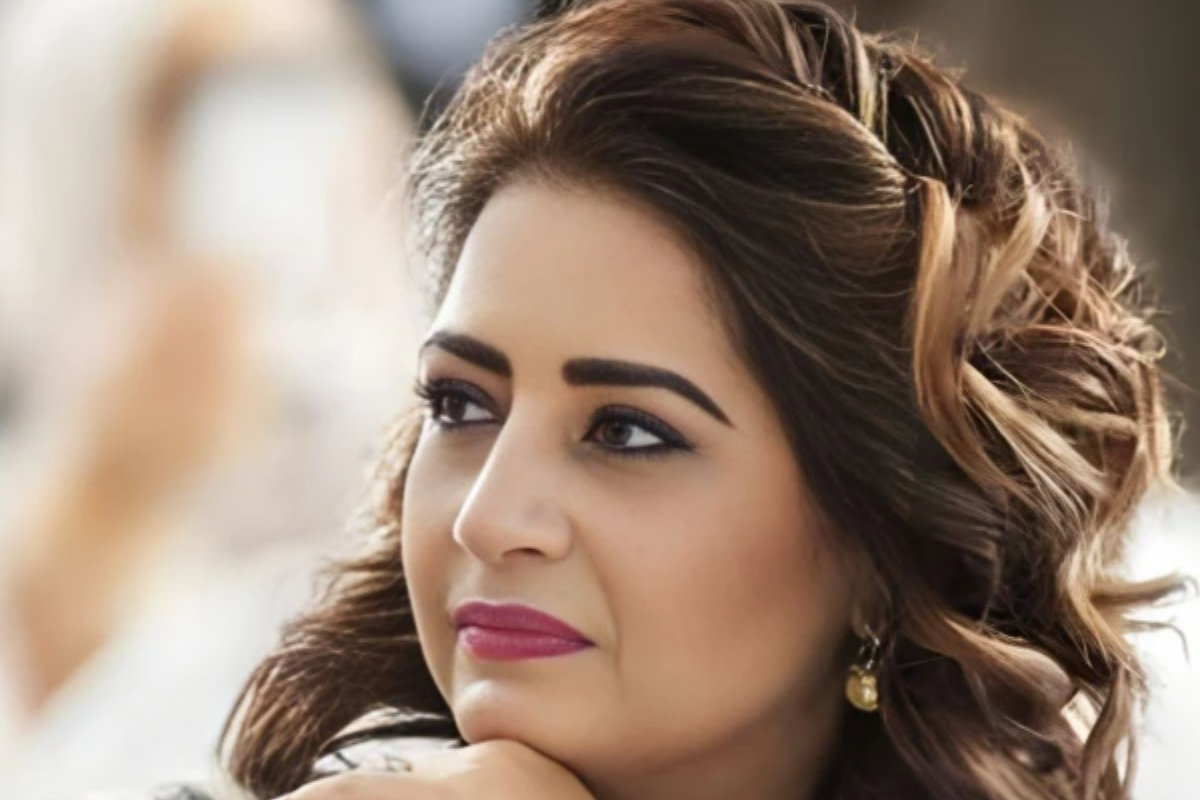
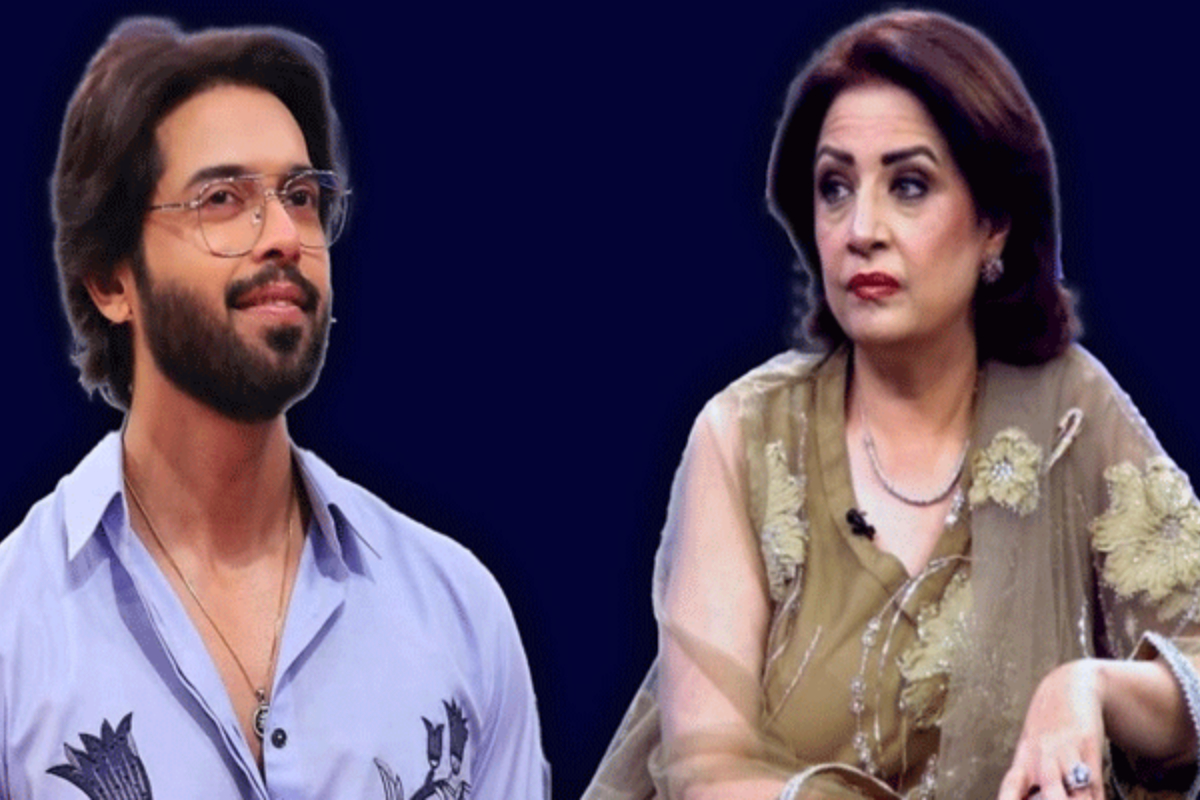
A recent segment on a Pakistani TV show involving actress Atiqa Odho and actor-host Fahad Mustafa went viral after comments made during the program sparked reactions from both stars.
On-Air Exchange Sparks Reaction
During the show, host Tabish Hashmi asked Atiqa Odho to give advice to Fahad Mustafa, showing him a photo of the actor. Odho suggested that Fahad should now work with actresses closer to his own age.
Fahad Mustafa responded on his own show with a tongue-in-cheek remark, addressing fellow actor Humayun Saeed: “Perhaps Atiqa Apa wants to be my heroine herself. I would tell her—go for 2 or 4 more surgeries, then we can be your hero.”
Atiqa Odho Appeals for Calm
Following the incident, Atiqa Odho took to Instagram to apologize for any offense her words may have caused. She described Fahad Mustafa as “a talented and hardworking professional” and urged fans and media to not escalate the situation further.
She wrote: “In a recent interview, my comment may have unintentionally hurt Fahad Mustafa’s feelings, and for that, I apologize.”
Fahad Mustafa Accepts Apology
In response, Fahad Mustafa addressed Atiqa Odho on his show, saying: “What is a relationship without humility? Beauty is when forgiveness is granted.”
He added, “Atiqa Apa, you are our senior and we love you. You are one of the most beautiful women in Pakistan. We are nothing before you. May Allah keep you happy, and I ask for your forgiveness.”
The exchange highlights the mutual respect between the senior actress and the celebrated actor, as both stars worked to clarify their intentions publicly.