BREAKING NEWS
Advertise with us >

Gold and Silver prices hit record highs amid geopolitical tensions

Gold and Silver

KARACHI: Global and local gold and silver prices have surged to all-time highs amid rising geopolitical tensions in the Middle East and uncertainty in international markets.

The recent escalation between European Union countries and the United States, coupled with the deployment of a US aircraft carrier to the region and Iran’s military exercises near the Strait of Hormuz, has created a climate of uncertainty, driving both international and domestic precious metals markets to new record levels.

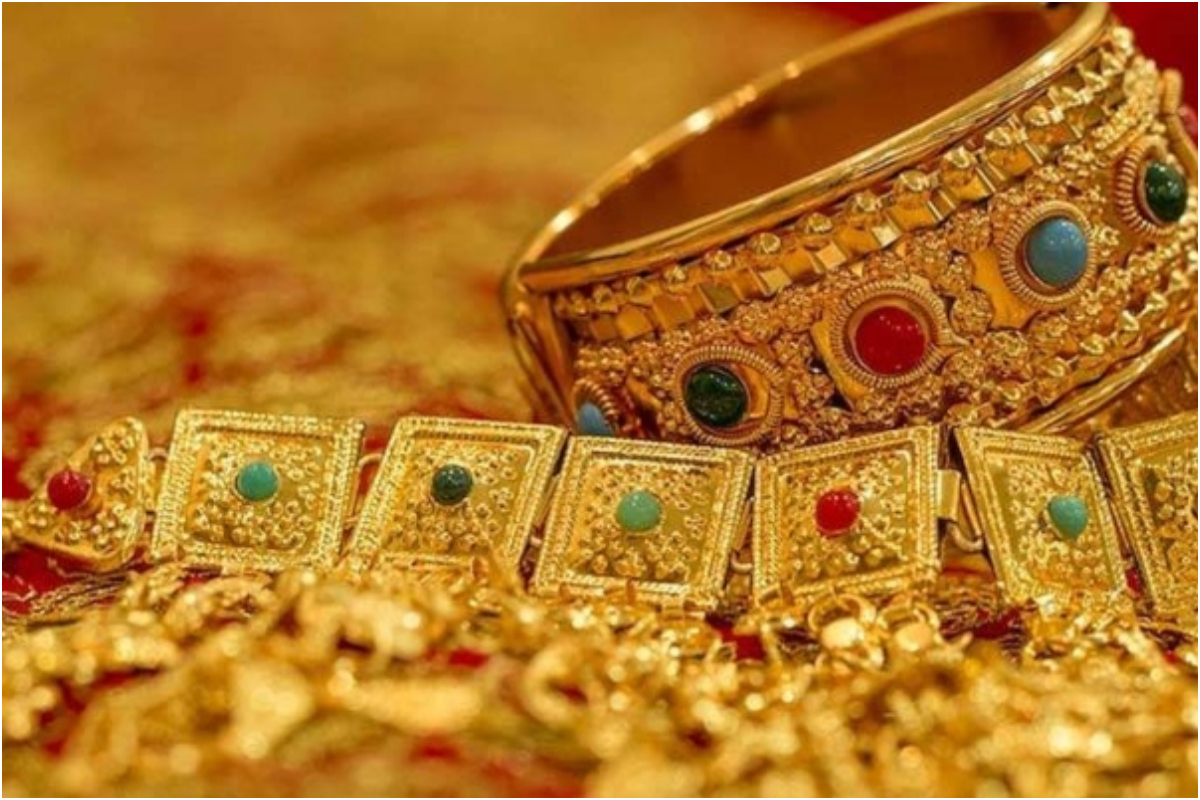
In the international bullion market, gold prices jumped $211 per ounce, reaching a new high of $5,293 per ounce.

This surge was reflected in Pakistan’s local markets, where per tola 24-carat gold soared by Rs 21,100, reaching Rs 551,662 — the highest in the country’s history for a single trading day.

Similarly, 10 grams of gold climbed by Rs 18,090, reaching Rs 472,961.

Silver prices also reached historic levels. In the global market, silver rose $2.36 per ounce, reaching $114.27, while in local markets, per tola silver increased by Rs 271 to Rs 11,911, and 10 grams of silver rose by Rs 232 to Rs 10,211.

Analysts attribute the surge to a combination of factors, including the de-dollarization trend, which has pushed the US dollar to a four-year low, and growing demand for gold as a safe-haven asset amid geopolitical uncertainties.

Central banks worldwide are also increasing purchases of physical gold, further supporting the upward trend.

As a result, gold and silver prices continue to reach historic levels on a daily basis, reflecting both global and domestic market dynamics.
India, EU agree on landmark trade deal termed ‘Mother of All Deals’

India, EU agree

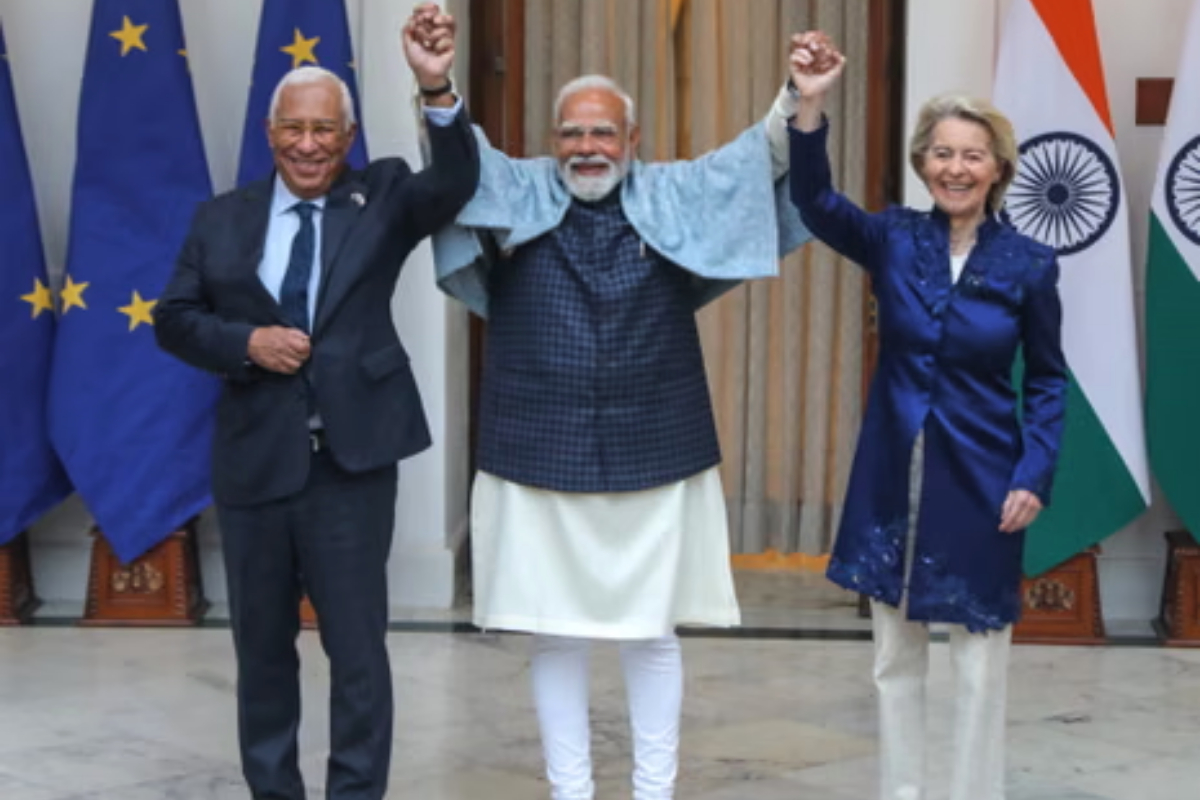
New Delhi: India and the European Union have reached a major trade agreement, described by both sides as the “mother of all deals,” marking a significant milestone in bilateral economic relations.

According to the European Union, the agreement will reduce or eliminate tariffs on nearly 97 percent of European exports to India, potentially saving up to €4 billion annually in customs duties.

Following high-level talks in New Delhi with European Commission President Ursula von der Leyen and European Council President Antonio Costa, Indian Prime Minister Narendra Modi hailed the agreement as historic.

“This is the mother of all deals,” Modi said, adding that the pact would create vast opportunities for India’s 1.4 billion people as well as millions across the European Union.

EU officials stated that this is India’s most comprehensive and wide-ranging trade agreement to date, expected to significantly benefit key European sectors including agriculture, automobiles, and services.

Foreign news agencies reported that the agreement also includes a security partnership component, opening new avenues for defense-related cooperation and business opportunities.

Prime Minister Modi noted that the deal would equally boost India’s textile industry, gems and jewellery sector, leather products, and services industry.

According to a senior Indian official quoted by international media, the formal signing of the agreement is expected within the next five to six months, once all legal and procedural requirements are completed.

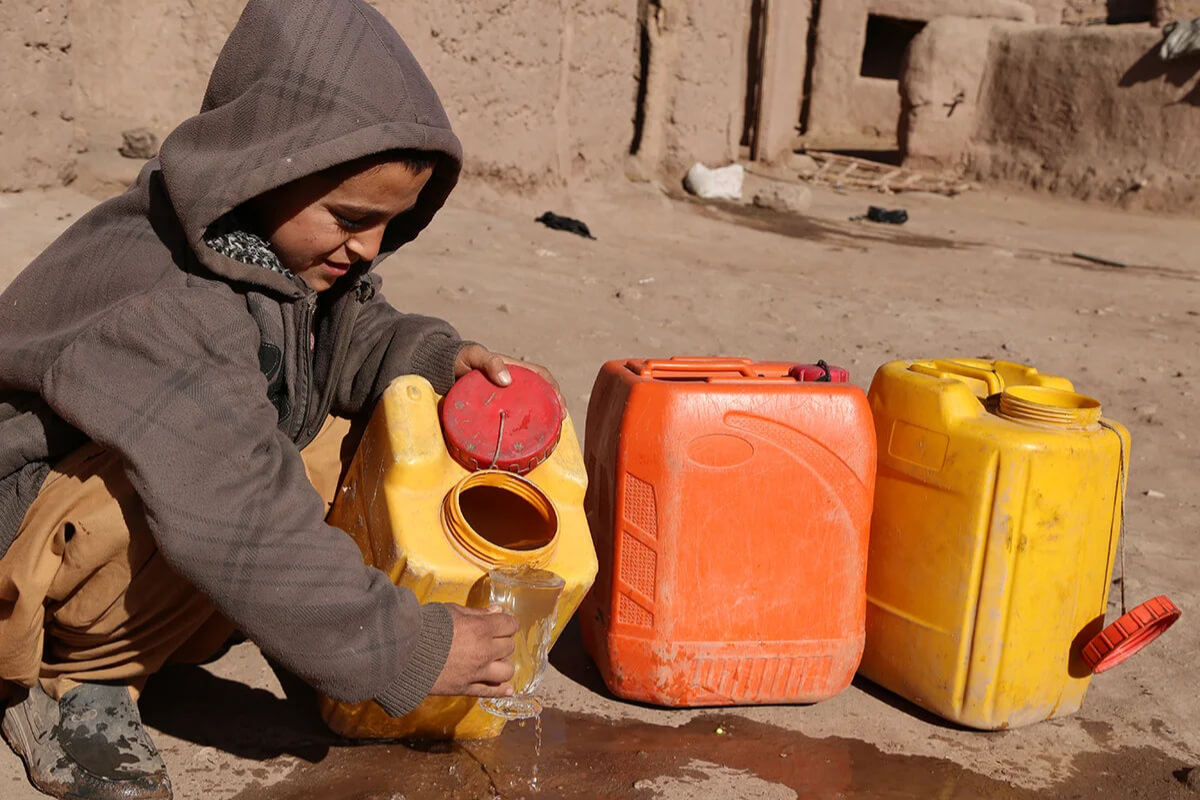
EU sounds alarm over worsening clean water crisis in Afghanistan

Afghanistan

KABUL: The clean water crisis in Afghanistan has reached alarming levels, with the European Union warning that more than 20 million people lack access to safe drinking water.

According to reports, the EU has highlighted that contaminated water is contributing to a rise in waterborne diseases across the country. Afghan media outlet Khaama Press reported that over 212,000 children are currently affected by illnesses linked to unsafe water.

The World Health Organization (WHO) cited restrictions imposed by the Taliban and poor sanitation systems as key factors driving the surge in diseases.

 The statement also noted that by May 2025, 442 medical clinics had been forced to close, further exacerbating the public health crisis.

The EU urged urgent international support to address Afghanistan’s water and health challenges, emphasizing that immediate action is needed to prevent further loss of life.

EU Approves New Sanctions on Russia Over Ukraine War

EU sanctions Russia, Ukraine war, global economy, European Union, Moscow, energy crisis


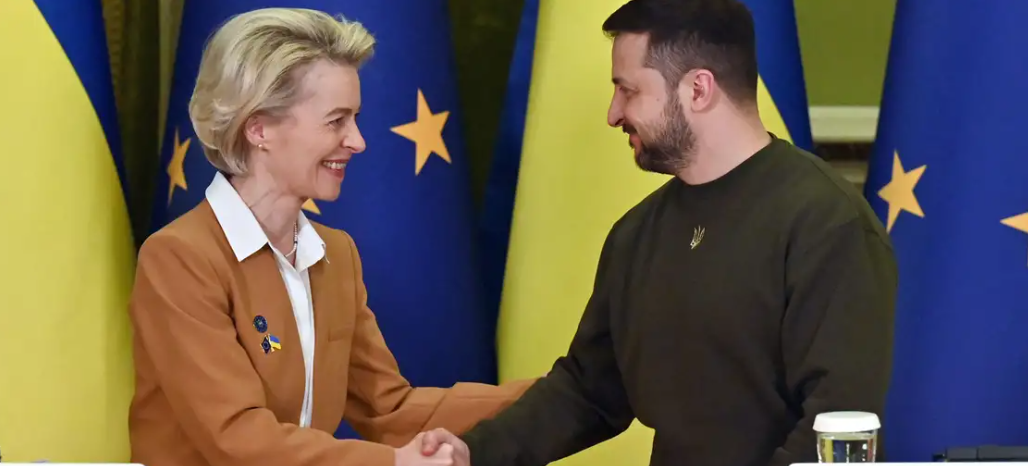
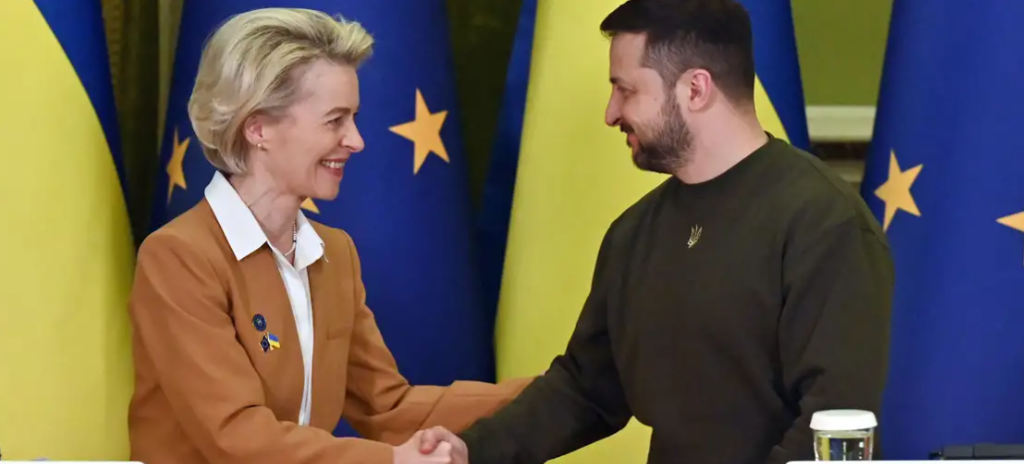
The European Union has agreed on a new round of sanctions against Russia, targeting the country’s energy, banking, and technology sectors in response to its ongoing invasion of Ukraine.

The 15th sanctions package includes tighter restrictions on oil exports, import bans on key Russian goods, and measures against individuals supporting Moscow’s war effort.


EU leaders said the new sanctions aim to further weaken Russia’s ability to fund its military operations. Moscow called the move “hostile” and vowed retaliatory measures.


Analysts say these sanctions will have significant implications for global energy markets and EU member states dependent on Russian imports.