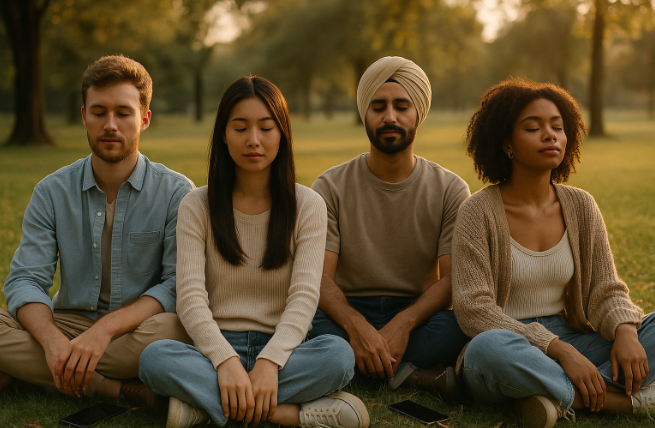
From mindfulness apps to sleep tourism, wellness is no longer just a habit — it’s a trillion-dollar movement transforming how the world works, travels, and lives.
The Business of Feeling Better
In 2025, the global wellness economy is valued at over $8.5 trillion, according to the Global Wellness Institute. What started as a niche market of yoga retreats and spa products has evolved into a lifestyle revolution — merging health, technology, travel, and productivity.
Across Asia, the Middle East, and Europe, consumers are spending more on mental health, fitness tech, holistic medicine, and mindful living than ever before. The message is universal: people are tired of burnout.
“Wellness is the new wealth,” says Dr. Leena Arora, a behavioral scientist based in Singapore. “The future consumer isn’t chasing status — they’re chasing peace.”
Tech-Enabled Calm
Technology, once blamed for stress, is now a key driver of wellness. AI-powered meditation tools like CalmMind AI, wearable stress trackers, and sleep-optimization apps have turned mental health into a daily routine.
In Pakistan, startups such as MindEase and HappiFi are launching AI-based therapy platforms, offering affordable counseling in Urdu and English. Globally, digital detox retreats are booming — offering phone-free weekends for professionals seeking real connection.
Travel Meets Wellness
“Transformational travel” is now one of the fastest-growing global tourism segments. Instead of sightseeing, travelers are booking eco-retreats, silent meditation camps, and yoga-infused safaris.
Destinations like Bali, Bhutan, Hunza, and Cappadocia are becoming sanctuaries for self-care. Pakistan’s northern valleys are attracting wellness tourists seeking high-altitude healing, traditional herbal remedies, and digital silence.
Travel companies are partnering with mental-health experts and nutritionists to curate itineraries designed to restore, not exhaust.
Corporate Wellness Goes Mainstream
Global corporations are realizing that burnout is expensive. Companies in Japan, the U.K., and the UAE now offer mental-health stipends, mindfulness breaks, and flexible schedules.
The four-day workweek trend (covered earlier by Future Soch) is part of this same movement — employees perform better when they’re balanced. In Pakistan, major firms like Engro, Jazz, and Unilever have begun investing in corporate wellness programs, counseling hotlines, and hybrid work policies.
Mindful Consumption
The 2025 consumer wants authenticity. Organic skincare, clean nutrition, and ethical products are replacing fast trends. Wellness is not just about yoga mats — it’s about values.
Gen Z, especially, is driving this shift. They prefer brands that care about the planet, mental health, and inclusivity. Hashtags like #SlowLiving, #SelfCareSunday, and #WellnessAtWork dominate global social feeds, reflecting a shared pursuit of balance in a noisy world.
The Future: From Wellness to Wholeness
Wellness in 2025 is no longer luxury — it’s survival. As mental-health awareness spreads and technology integrates into lifestyle choices, the wellness economy is set to define the next decade.
Whether through mindful travel, AI therapy, or community fitness, the world is collectively realizing one truth: a healthy mind is the foundation of every future.
From AI dating coaches to virtual reality dates, technology isn’t replacing love — it’s redefining how humans connect, communicate, and commit in the 21st century.
Love in the Age of Algorithms
Romance has always adapted to its era — handwritten letters, landline calls, Facebook messages, and now, AI-powered dating. In 2025, technology is not just helping people find love; it’s shaping how relationships begin, evolve, and sometimes end.
According to a Global Relationship Trends Report 2025 by Statista, over 65% of couples worldwide say they met online — a dramatic increase from just 20% a decade ago. Platforms like Bumble, Hinge, and Tinder are being joined by new AI-driven apps that use behavioral data, voice tone, and personality analytics to match people beyond mere looks.
“AI can’t make you fall in love, but it can make the journey more meaningful,” says Sophia Alvarez, founder of the relationship-tech startup HeartSync AI.
These apps no longer just swipe — they understand. They suggest conversation starters, detect emotional compatibility, and even schedule mindful “offline time” for couples to build real-world chemistry.
AI Dating Coaches and Emotional Analytics
Artificial Intelligence is now the world’s most unbiased relationship advisor. AI-based “dating coaches” — like FlirtAI, Replika Love, and OpenHeart — provide guidance on emotional communication, dating anxiety, and conflict resolution.
These tools analyze chat histories and behavioral cues to help users become more empathetic and self-aware. For example, they might detect patterns like over-texting, avoidance, or passive-aggressive tone — and gently suggest healthier communication strategies.
While controversial, such systems are becoming popular among Gen Z professionals and digital nomads who want emotionally intelligent partnerships but struggle with time or distance.
Metaverse Marriages and Virtual Love
In 2025, the concept of “real” relationships has expanded. The metaverse — once a gaming space — has become a social frontier. Couples meet in virtual cafes, attend concerts in 3D worlds, and even host digital weddings witnessed by friends through VR headsets.
Japan, South Korea, and the UAE have already recognized metaverse marriage ceremonies as symbolic unions. Pakistani tech developers, too, are entering the space — creating Urdu and South-Asian-themed virtual venues where diaspora couples celebrate cross-border love stories.
Though critics argue this digital intimacy lacks authenticity, supporters say it transcends geography, culture, and physical limitations. Love, they argue, has always been a meeting of minds — not just bodies.
The Globalization of Intimacy
Technology has made love borderless. A Pakistani student can now date someone in Brazil via Tandem, a cultural-exchange app turned global dating hub. Translation AI eliminates language barriers; time-zone calendars synchronize schedules.
The result? Cross-cultural relationships are at an all-time high. According to Pew Research Center (2025), nearly 1 in 5 international marriages began as online connections. Social media, video calls, and shared digital experiences have created what psychologists call “hyperconnected intimacy” — deep bonds formed through constant online presence.
However, experts also warn of “digital fatigue” — the pressure to be always available. The healthiest couples, they say, mix tech convenience with intentional offline time.
Ethics, Privacy, and the Future of Love
As technology evolves, so do moral questions. Who owns the data of your most private conversations? Can AI predict breakups before they happen? Should chatbots replace companionship?
In 2025, relationship privacy is a top concern. Apps like Bumble and OkCupid now offer encrypted chat modes and auto-delete timers for intimate content. Startups are also working on AI consent tools — verifying emotional readiness before sharing sensitive data or images.
This growing emphasis on digital ethics shows that the future of love is not just algorithmic — it’s accountable.
Human Connection Still Wins
Despite the gadgets and algorithms, one truth remains timeless — humans crave real connection. Technology can simulate affection, but it cannot replace the heartbeat of empathy, touch, and trust.
Relationship psychologist Dr. Adeel Rahman says,
“Technology has upgraded how we meet, but not why we love. The essence remains emotional safety and shared growth.”
Whether through an app, a VR headset, or an in-person smile — love continues to evolve, proving that in every age, it finds a way.
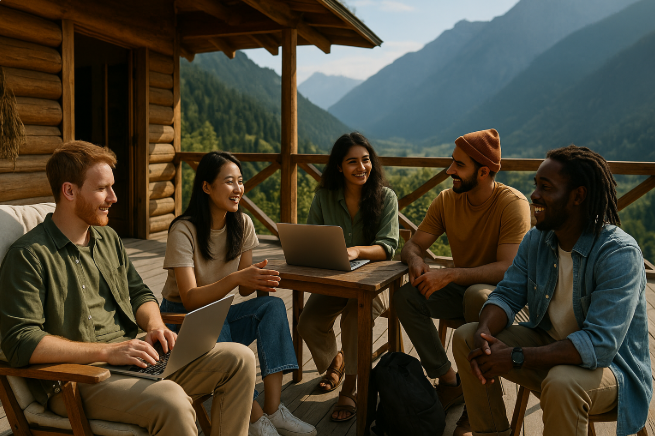
From Lisbon to Lahore, a new generation of travelers is moving away from luxury tourism and embracing slow, mindful, and meaningful journeys.
The End of the “Check-in and Leave” Era
Travel is changing — not just how people move, but why. For decades, tourism was about ticking destinations off a bucket list. But in 2025, a global shift is underway: travelers are seeking connection over collection.
Enter conscious travel — a movement built around sustainability, local culture, and self-discovery. It’s led by digital nomads, young explorers, and eco-conscious adventurers who want to leave a positive impact wherever they go.
According to the World Travel Index 2025, 68% of travelers under 35 prefer “experience-based travel” over sightseeing tours. The rise of remote work and location independence has turned travel from a vacation into a lifestyle.
What Is Conscious Travel?
Conscious travel isn’t about giving up luxury — it’s about traveling with awareness. It means asking:
How does my trip affect the environment?
Who benefits from my spending?
Am I learning something meaningful?
For many global nomads, this mindset has redefined freedom. They’re staying longer in fewer places, volunteering with local communities, and choosing eco-friendly accommodations.
In Pakistan, eco-lodges in Hunza and Skardu now attract global travelers who want to combine work with adventure — often staying for weeks, not days.
Digital Nomads: Living Everywhere, Belonging Nowhere
The global nomad community is growing faster than ever. According to Forbes 2025, there are now over 40 million digital nomads worldwide, working remotely from destinations in Southeast Asia, Europe, Africa — and increasingly, South Asia.
Cities like Lisbon, Bali, Tbilisi, and Chiang Mai have become hubs for creatives, freelancers, and entrepreneurs seeking cultural immersion and slower living. But now, lesser-known destinations — like Lahore, Kathmandu, Colombo, and Tashkent — are joining the global map.
“Conscious travel means being part of a place, not just passing through,” says Fatima Khan, a Pakistani filmmaker working remotely in Georgia. “I spend on local businesses, avoid chain hotels, and learn basic phrases of the local language — it changes everything.”
The Sustainability Mindset
The climate crisis has made travelers rethink their footprint. Carbon-neutral flights, solar-powered stays, and “plastic-free itineraries” are the new benchmarks for responsible travel.
In 2025, airlines are offering eco-offset options, and booking platforms like Airbnb Green highlight sustainable homes. Tour operators now collaborate with conservation NGOs to ensure tourism supports rather than harms local ecosystems.
Pakistan’s northern regions, for instance, have launched the “Clean Travel Pakistan Initiative,” which encourages waste-free tourism and reforestation programs supported by visiting travelers.
Slow Living, Local Impact
One of the biggest shifts in global travel is the return to slow living. Instead of rushing through 10 cities in 10 days, people now choose one location to stay for a month — cooking local food, working remotely, and connecting with communities.
From coffee farms in Colombia to villages in Hunza, travelers are helping locals develop homestays, market crafts, and promote cultural exchange. This kind of tourism builds empathy, reduces stress, and creates sustainable economic cycles.
“It’s about realizing that travel isn’t an escape — it’s an education,” says Emily Zhao, a Singaporean travel blogger based in Portugal.
The Role of Technology
Ironically, technology — once blamed for detachment — is enabling connection. Apps like WorkFrom, NomadList, and Remote Year now help global citizens find workspaces, meetups, and eco-stays that match conscious values.
Even Pakistani startups are entering the scene. StayCation.pk and Nomadistan promote flexible travel options for freelancers seeking remote-friendly destinations in Asia.
With Wi-Fi now available in mountain towns and coastal villages, “living anywhere” has become a real possibility — and living meaningfully everywhere is the next evolution.
Pakistan’s Role in the New Travel Map
With its dramatic landscapes, affordable living, and emerging coworking culture, Pakistan has the potential to become South Asia’s next conscious travel hub. The new generation of travelers isn’t afraid to go off the beaten path — and they value authenticity more than comfort.
Eco-friendly lodges in Gilgit, Hunza, and Swat are already attracting international guests who want to volunteer, teach, or document their journey. With better connectivity and safety reforms, Pakistan could become a top pick for global nomads within the next five years.
The Future of Travel Is Purpose
Conscious travel isn’t just about seeing the world — it’s about changing it, one trip at a time. The future of tourism belongs to those who travel lightly, thoughtfully, and responsibly.
As the world redefines freedom after years of digital burnout and consumer fatigue, this generation of travelers is proving that real wealth lies not in what you own, but in what you experience.
From Karachi to California, a silent rebellion is growing — Gen Z is turning off notifications, logging off social media, and redefining what it means to truly “connect.”
The Generation That Grew Up Online — and Now Wants Out
For more than a decade, Gen Z has lived, studied, and worked online. They are the first generation to have grown up fully connected — shaped by smartphones, social media, and streaming. But in 2025, something remarkable is happening: they’re stepping back.
Across continents, young people are deleting apps, reducing screen time, and taking digital detox breaks. A movement once seen as temporary is now becoming a global lifestyle shift — from university students in London to influencers in Lahore, everyone’s realizing that constant connectivity has a cost.
“I realized I was living for likes, not life,” says Hannah Kim, a 23-year-old student from Seoul. “Now I only check Instagram once a week — and my anxiety is gone.”
The Cost of Constant Connection
The digital world has blurred the line between rest and work, leisure and labor. Studies show that Gen Z spends over 8 hours a day on screens, often juggling multiple platforms. Notifications, algorithmic feeds, and endless scrolling create a cycle of dopamine highs and emotional fatigue — what experts now call “digital burnout.”
According to a 2025 Global Wellness Report, more than 60% of young adults say their mental health is negatively affected by overexposure to digital media. Symptoms include anxiety, distraction, poor sleep, and loss of motivation.
Psychologist Dr. Ayesha Malik from Pakistan’s Aga Khan University explains:
“Digital burnout is not just about technology — it’s about attention. When our attention is constantly divided, our creativity and emotional resilience decline.”
Digital Detox Becomes a Global Lifestyle
In response, Gen Z isn’t abandoning technology — they’re redefining their relationship with it.
In the U.S. and Europe, “Digital Sabbaths” — one day per week offline — have become popular. In Japan and South Korea, minimalist phones and distraction-free apps are trending. Meanwhile, in South Asia, influencers and students are creating online communities focused on slow living, mindfulness, and intentional use.
On TikTok, hashtags like #DigitalDetox, #OfflineIsTheNewLuxury, and #UnplugToRecharge are trending worldwide — with billions of views.
In Pakistan, content creator Hira Zainab shared her journey of deleting social media for a month:
“I gained more focus, read three books, and felt human again. Sometimes the best post is the one you never upload.”
Workplaces Are Catching Up
Employers are beginning to take note. Startups and corporations are introducing “digital wellness policies”, encouraging employees to disconnect after hours. The four-day workweek, hybrid offices, and flexible schedules are now part of a broader mental health revolution.
Tech companies themselves are innovating toward wellness. Apple’s “Screen Time Insights” and Google’s “Focus Mode” are now joined by apps like Opal and One Sec, which block impulsive social media use.
In Europe, a growing number of firms now practice “Right to Disconnect” laws — giving employees legal permission to ignore work messages after hours.
The Mindful Internet Generation
Paradoxically, it’s technology itself helping people escape its grip. Meditation apps, wellness podcasts, and mindfulness influencers are leading a counterculture movement — turning screens into tools for self-awareness, not addiction.
Online communities are also encouraging meaningful connection — smaller, private groups where users share personal reflections rather than performative content. The new goal isn’t virality — it’s authenticity.
Gen Z, once seen as “chronically online,” is now becoming consciously online.
Relearning How to Be Human
Experts say this movement is about more than apps — it’s about a cultural realignment. For years, productivity culture equated constant activity with success. Now, young people across the world are asking a deeper question: What does it mean to feel alive in the digital age?
From Karachi’s youth cafes to Berlin’s mindfulness collectives, a new philosophy is taking root — one that blends connection with consciousness.
As one London-based psychologist notes:
“Gen Z is not anti-technology. They just want tech that serves humanity — not the other way around.”
The Future Is Slower — and Happier
Looking ahead, digital detox is not a passing trend; it’s the foundation of a new global lifestyle. Schools are teaching digital literacy and emotional intelligence; brands are promoting “tech-free experiences”; and urban planners are designing wellness parks and screen-free spaces.
Pakistan, India, and the broader South Asian region are poised to lead this change — with a young, aware, and creative generation balancing global ambition with emotional well-being.
In a hyperconnected world, logging off has become the new luxury.