BREAKING NEWS
Advertise with us >

Gulf States urge US to avoid Iran attack, warn of oil market shock

Gulf States

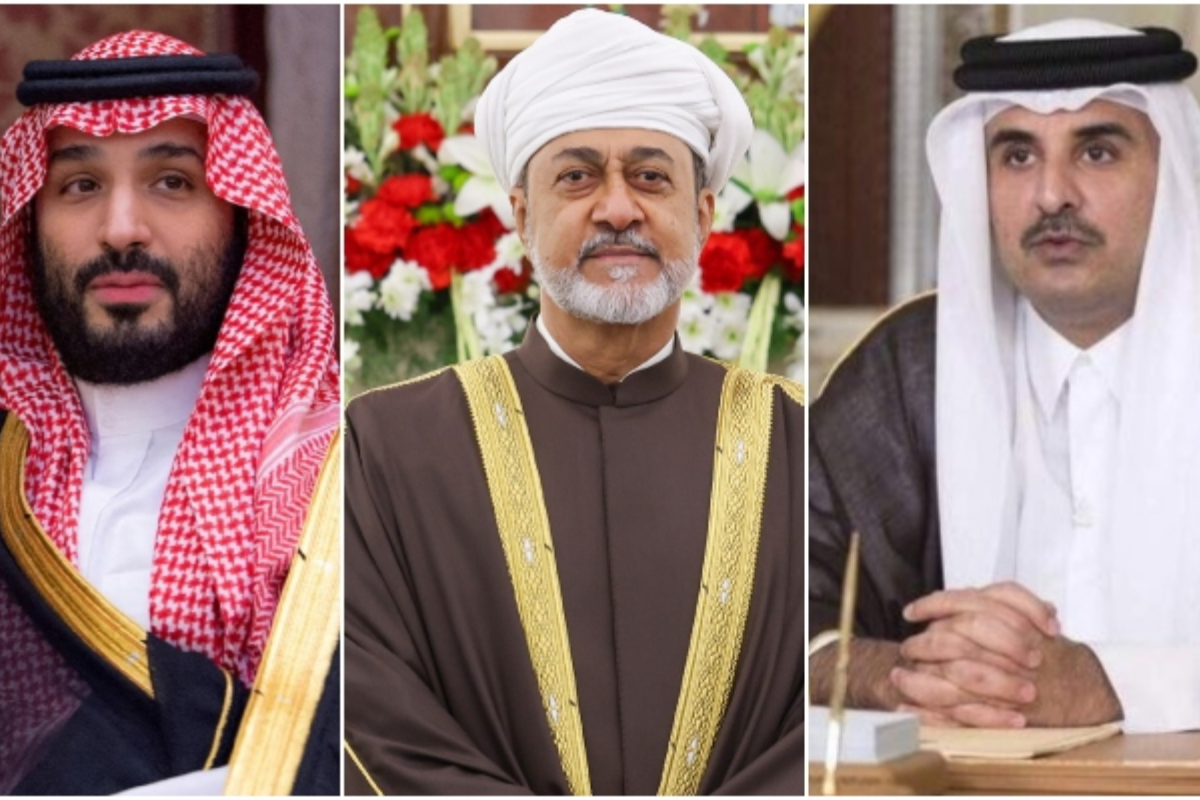
According to The Wall Street Journal, Gulf countries led by Saudi Arabia have expressed strong opposition to potential US military action against Iran.

The newspaper reported that Saudi Arabia, Qatar, and Oman have warned Washington that an attack on Iran could severely disrupt the global oil market and negatively impact the U.S. economy.

While Gulf States appear quiet publicly, sources say they are lobbying behind the scenes to prevent a U.S. strike, citing concerns over disruptions to oil shipments and regional stability.

 Saudi officials reportedly assured Tehran that they would not participate in any conflict with Iran and would deny U.S. forces the use of their airspace, a move aimed at distancing themselves from potential U.S. military action.

The Wall Street Journal highlighted that Gulf leaders fear an attack on Iran could affect tanker traffic through the Strait of Hormuz, a strategic waterway at the mouth of the Persian Gulf that separates Iran from its Arab neighbors. Approximately one-fifth of the world’s oil supply passes through this narrow passage.

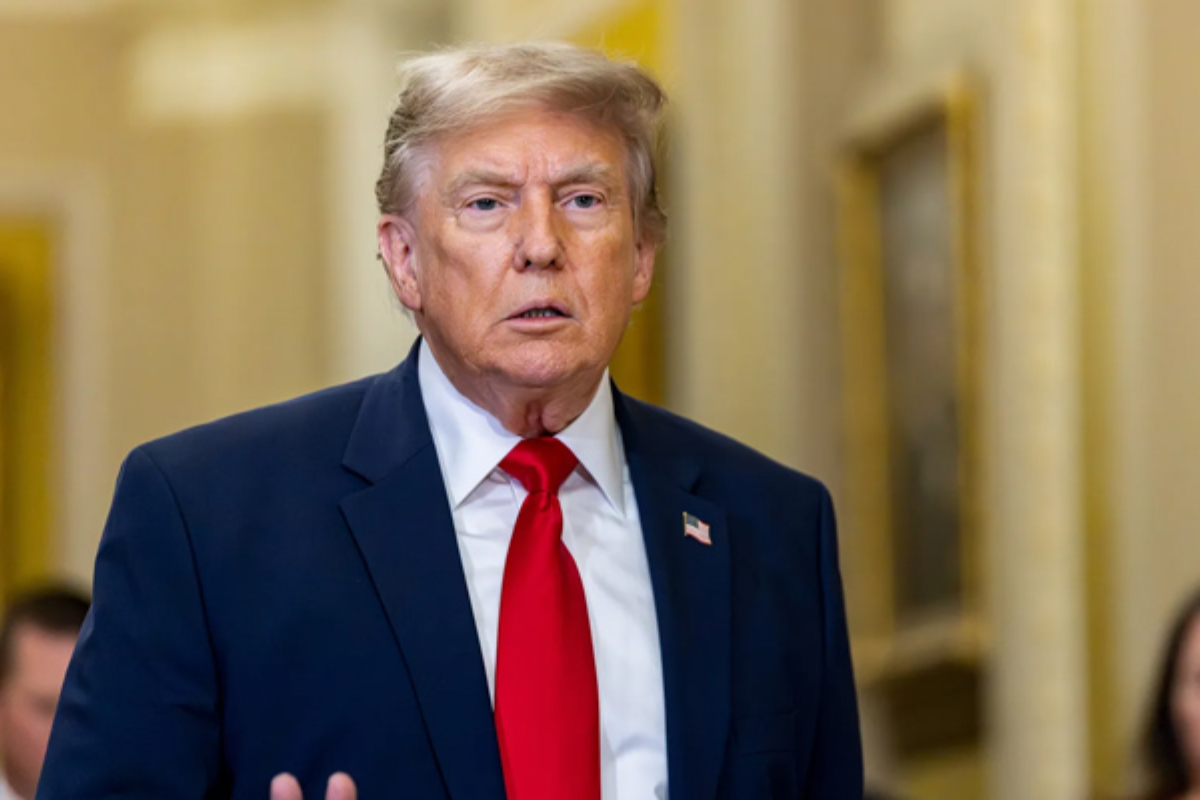
While the Trump administration has not clarified the nature of any potential military action, officials indicate that the possibility of a strike remains high.

A White House official told the newspaper that President Trump retains all options to address the situation, listening to various viewpoints but ultimately making his own decisions.

The report also noted that President Trump recently addressed Iranian protesters directly, urging them to oppose government crackdowns and take action against state institutions. On his social media platform, Truth Social, he wrote: “Help is coming.”

Gulf States impose ban on Indian film ‘Dhurandhar’

Gulf States

RIYADH: The Indian film Dhurandhar has been banned from theatrical release in six Gulf countries over the inclusion of content considered hostile towards Pakistan.

According to news agencies, authorities in Saudi Arabia, the United Arab Emirates, Qatar, Kuwait, Bahrain, and Oman have imposed a ban on the screening of the film.

Gulf regulators reportedly objected to what they described as biased and anti-Pakistan material portrayed in the movie.

The report stated that an application was submitted for the film’s release across Gulf countries; however, it was rejected, resulting in a complete halt to its release in the region.

It is worth noting that this is not the first time Indian films have faced restrictions in the Middle East. Several productions in the past have also been subjected to bans due to political, cultural, or content-related concerns.