
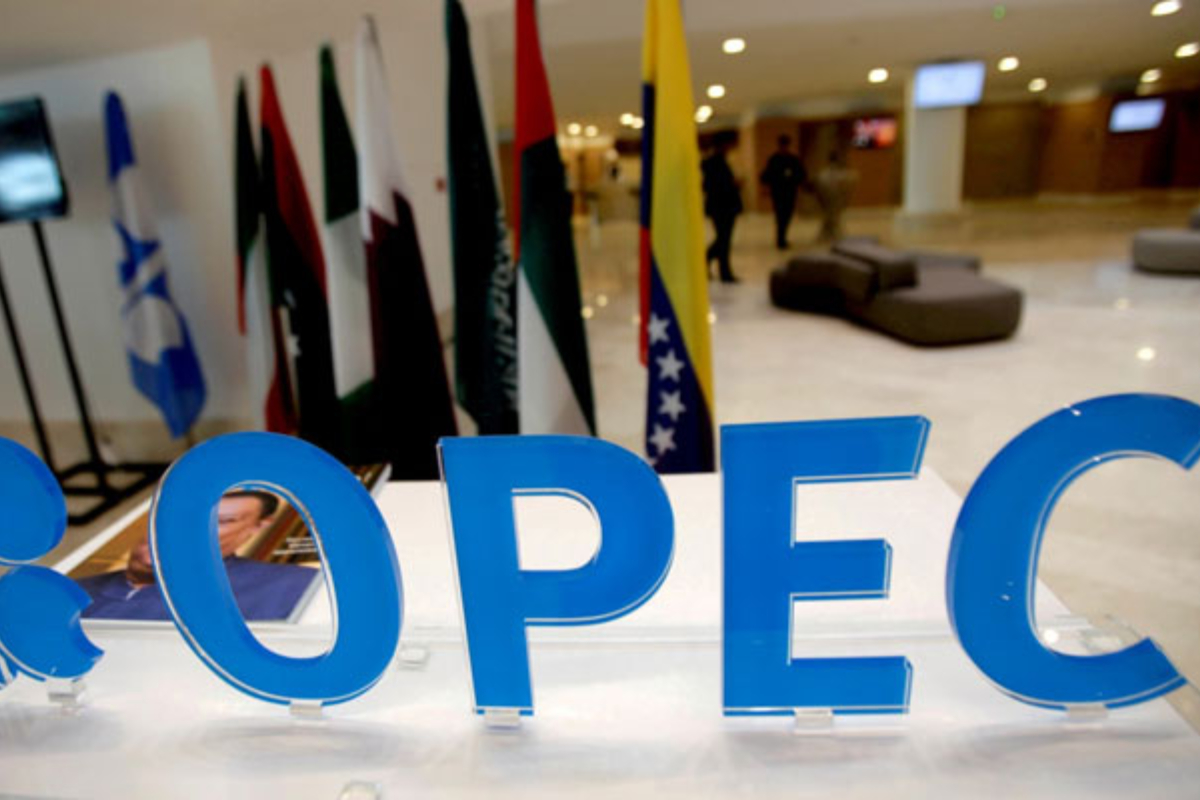
ABU DHABI: The decision by the United Arab Emirates to leave the OPEC and OPEC+ groups is being viewed as a significant setback for the oil-producing bloc, according to Reuters.
The report noted that the UAE had been a member of OPEC for more than six decades, and its exit comes at a time when the global economy is already under strain due to tensions involving Iran. The move is expected to weaken the cohesion of the group.
Reuters added that despite internal disagreements, OPEC has traditionally tried to project unity. However, the ongoing regional tensions and energy crisis have exposed divisions among Gulf countries, particularly between the UAE and Saudi Arabia, widely regarded as OPEC’s leading member.
UAE Energy Minister Suhail Mohamed Al Mazrouei said the decision was made carefully, taking into account regional energy priorities and future production needs.
He emphasized the country’s commitment to meeting growing global energy demand in a reliable and responsible manner.
Experts believe the move could allow the UAE to expand its share in global markets, as it would no longer be bound by OPEC’s quota system and could increase oil production once regional routes stabilize.
According to Reuters, the decision may also be seen as a political win for Donald Trump, who has frequently criticized OPEC for high oil prices.
The report added that the UAE has expressed concerns over the lack of adequate support from fellow Gulf states during periods of heightened tensions, including threats of attacks.