
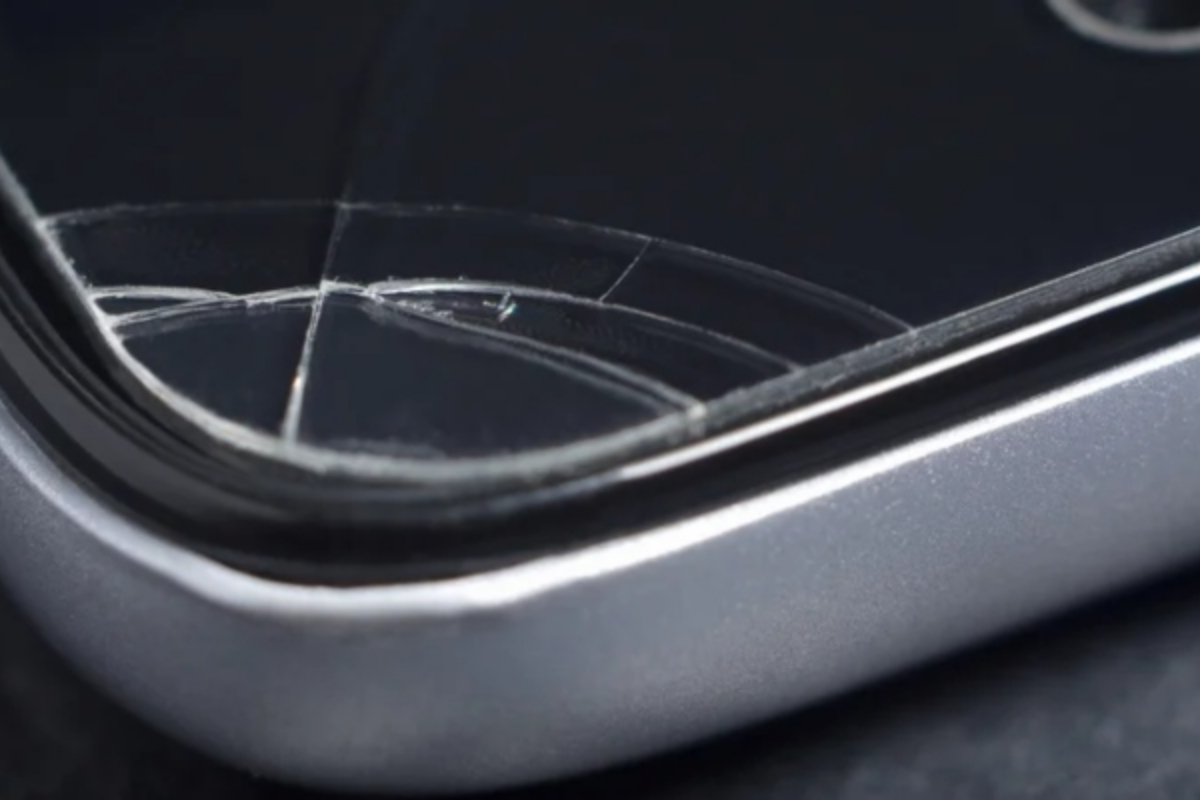
Most people use screen protectors to provide an extra layer of protection for their phones. However, experts recommend replacing a screen protector once it becomes significantly damaged or cracked.
Screen protectors are available in different types, including soft films and glass-based protectors. They can become damaged if a phone is dropped from a height or comes into contact with a sharp object in a pocket or bag.
A badly cracked screen protector can develop sharp edges that may cut the user’s fingers while operating the phone.
A severely damaged protector may also leave parts of the phone’s screen exposed, increasing the risk of scratches or other damage. In some cases, cracks can also interfere with the touchscreen’s responsiveness.
For these reasons, experts advise replacing a screen protector once it has sustained significant damage.
Leaving a damaged protector on the phone for an extended period can make it more difficult to remove and may increase the risk of scratches, particularly around the corners of the screen.
When replacing a damaged protector, it should be removed carefully to avoid injury or damage to the underlying display.
Users should first switch off the phone and remove its case. A thin plastic card can then be gently inserted under one corner of the protector to lift it.
Once the protector has been removed, the phone’s screen should be cleaned with a microfiber cloth before installing a new protector.