
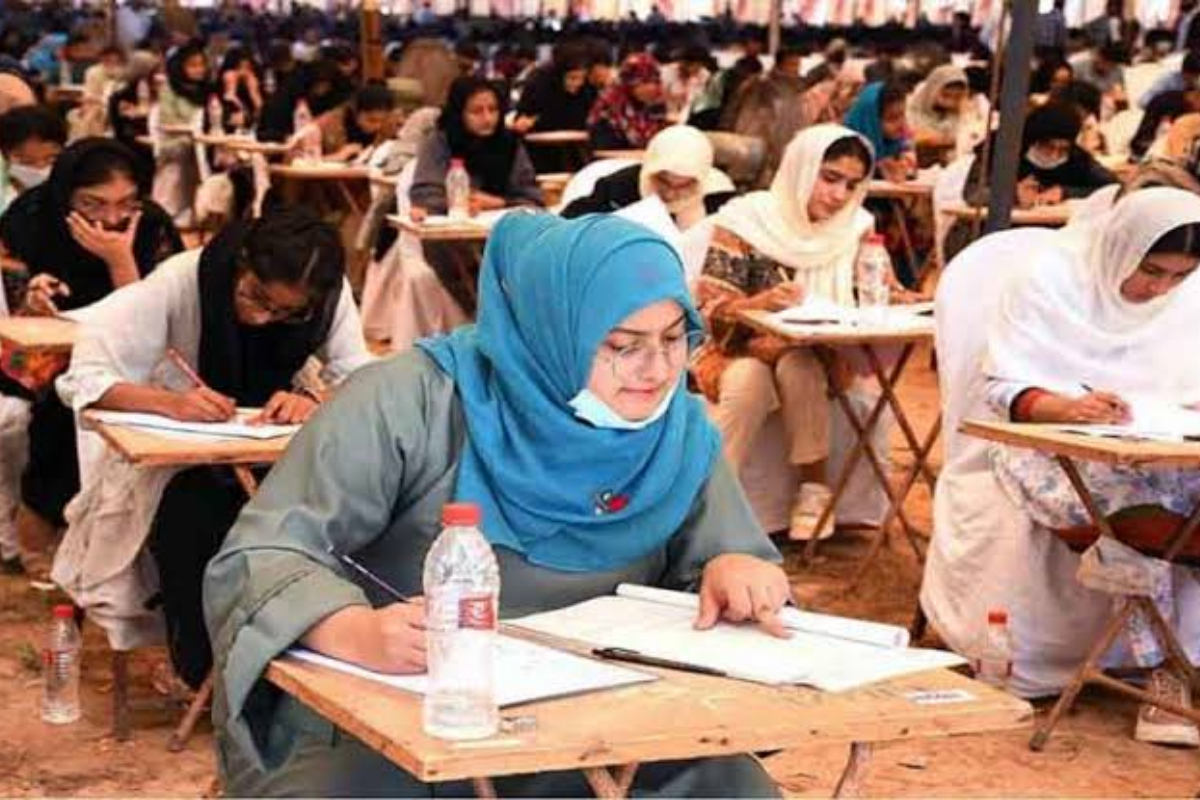
KARACHI: The Pakistan Medical Association (PMA) has called for complete transparency and foolproof security in the upcoming Medical and Dental College Admission Test (MDCAT), scheduled for Sept. 20, 2026, while demanding an independent forensic audit of private medical and dental colleges across the country.
In a statement, the PMA said entrance tests such as the MDCAT remain necessary for assessing prospective medical students but stressed that long-term reforms should focus on improving primary and secondary education.
The association said previous MDCAT examinations have faced controversies, administrative problems and allegations of paper leaks under different testing bodies.
It urged authorities to ensure a secure and merit-based examination process so that future medical professionals are selected through a transparent system.
The PMA argued that a strong school education system should adequately prepare students for higher medical education.
It said bringing primary and secondary education up to international standards could eventually reduce reliance on centralized, high-stakes entrance examinations.
The association also expressed concern over what it described as the commercialization of medical education in Pakistan.
It alleged that some private medical colleges operate with inadequate staffing, inefficient faculty structures and part-time teachers while seeking increases in the number of seats.
The PMA raised concerns about the quality of instruction at some institutions, alleging that non-specialized or inadequately qualified individuals have been involved in teaching undergraduate medical students.
It warned that poorly trained medical graduates could pose risks to public safety and result in the loss of valuable national resources.
The PMA called for an immediate and independent audit of private medical and dental colleges, including reviews of faculty qualifications, clinical facilities and physical infrastructure.
It also demanded strict legal and regulatory action against institutions that fail to meet minimum accreditation and educational standards.
The association further called on the government to strengthen public-sector medical universities, increase funding and expand the number of medical seats available to talented students from low- and middle-income families.
The PMA said high tuition fees and other financial barriers have made private medical education inaccessible to many deserving students.
It argued that expanding and strengthening public-sector institutions would help promote equal opportunity while protecting merit in medical education.
