BREAKING NEWS
Advertise with us >

Actor Rajpal Yadav surrenders to police in cheque bounce case

Actor Rajpal Yadav

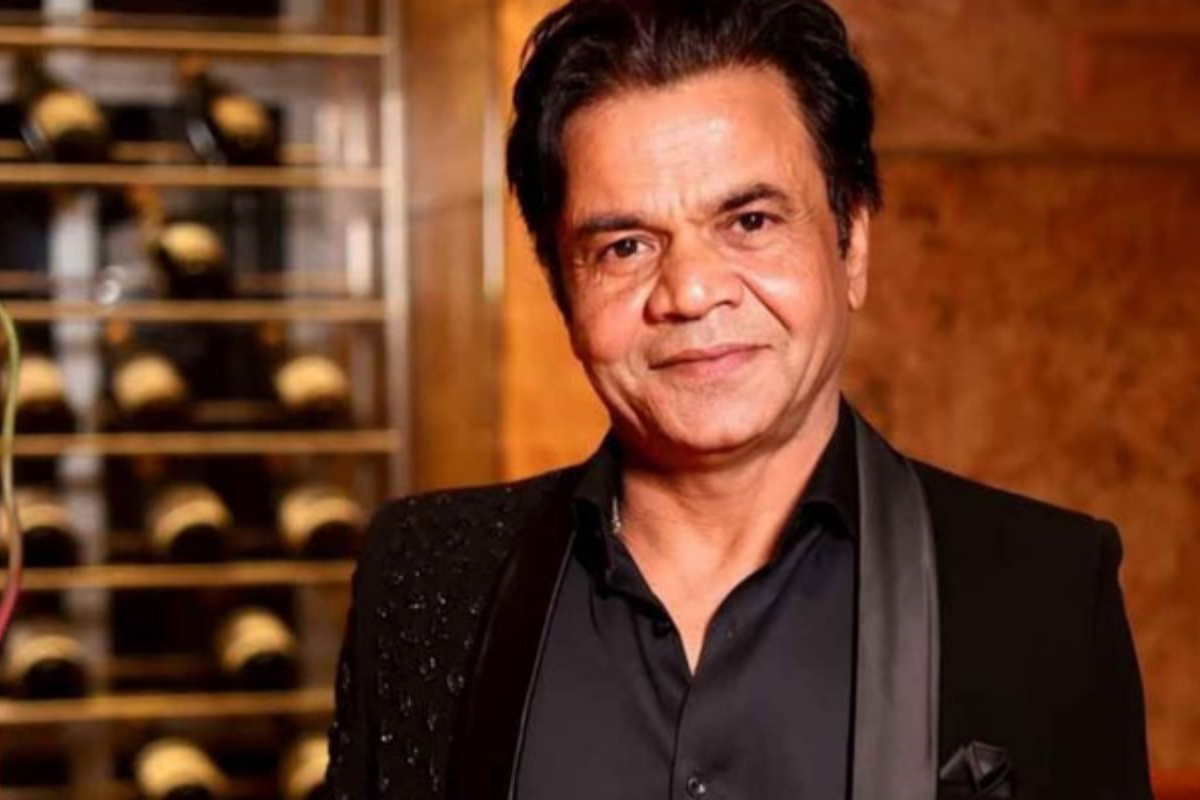
New Delhi: Bollywood actor Rajpal Yadav has surrendered to authorities in connection with a cheque bounce case, Indian media reported.

The comedy actor faced legal trouble after failing to pay the settlement amount in the case.

 Earlier, the New Delhi High Court had withdrawn previous leniency in multiple cheque dishonor cases against Yadav and instructed him to surrender before the concerned jail superintendent by February 4.

According to reports, the actor complied with the court’s deadline and was taken into custody at Tihar Jail.

Yadav’s lawyer had requested additional time to pay ₹50 lakh (5 million INR), seeking a one-week extension, but the court denied the request.

This development comes amid a series of legal issues involving Yadav, including previous controversies reported in the media.

Rabi Pirzada faces harassment in Karachi, police arrest suspect

Rabi Pirzada

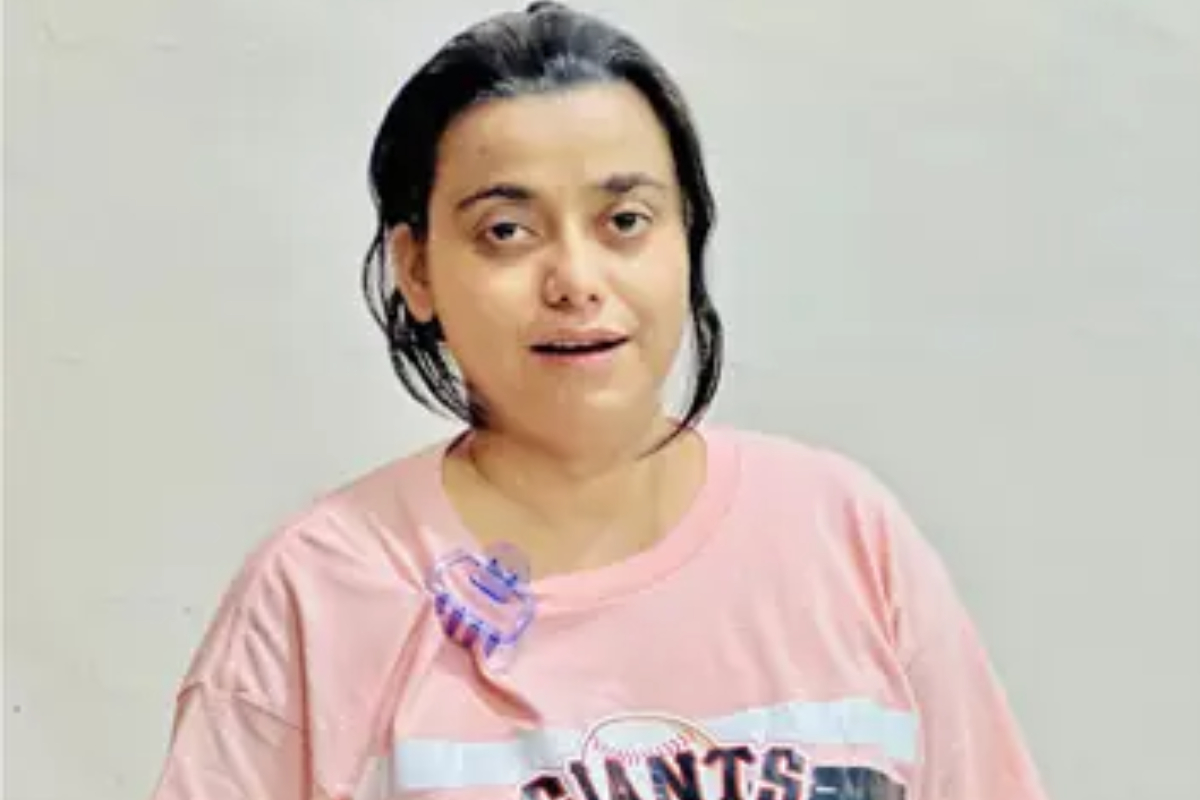
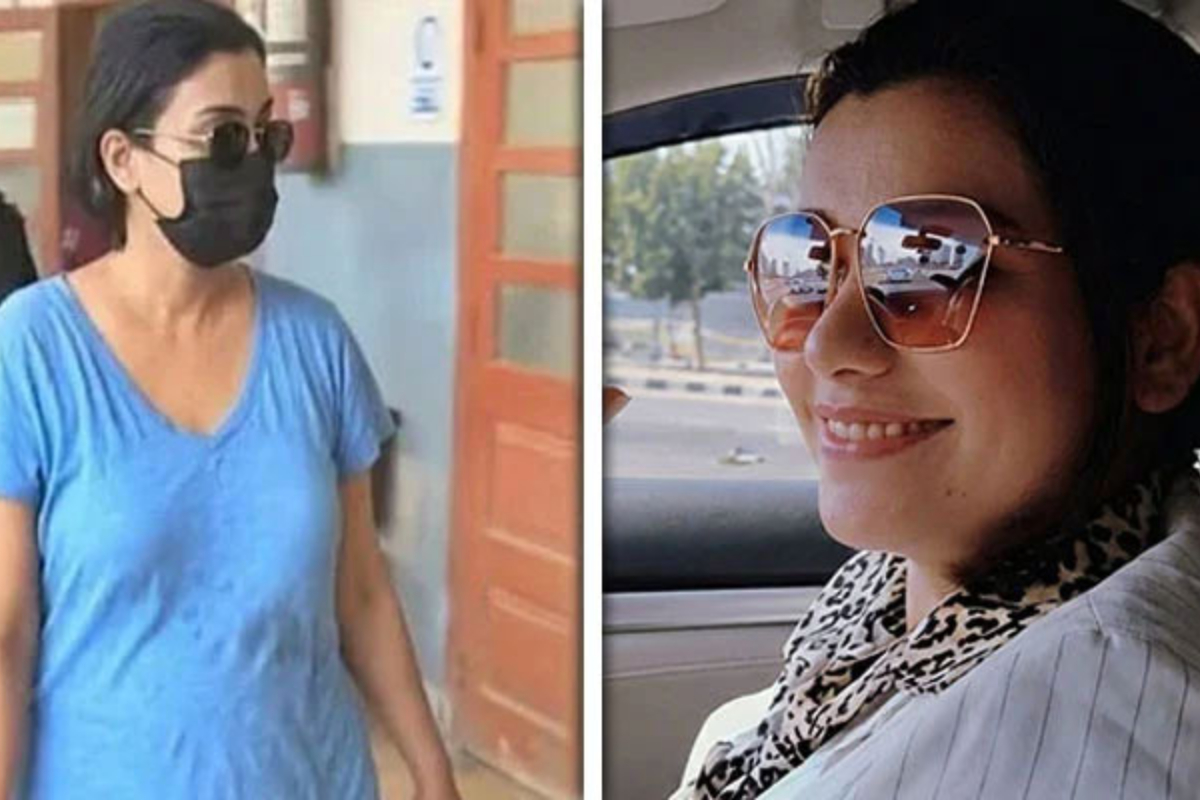
KARACHI: Singer Rabi Pirzada was reportedly harassed in the upscale Defence area of Karachi, prompting swift action by local authorities.

According to Defense City Police, the incident occurred in Defence Phase 7 yesterday, where a man in a car allegedly harassed Rabi Pirzada and her driver.

The suspect reportedly used abusive behavior and physical aggression, and targeted her driver when he tried to intervene.

Following her complaint, the police registered a case and immediately arrested the suspect. Authorities said the suspect’s behavior had escalated tensions, prompting the victim to approach law enforcement.

Police added that the investigation is ongoing, and all aspects of the case are being examined to ensure a complete legal process and appropriate action.

COAS stresses strong, public-friendly police as key to internal security

COAS stresses

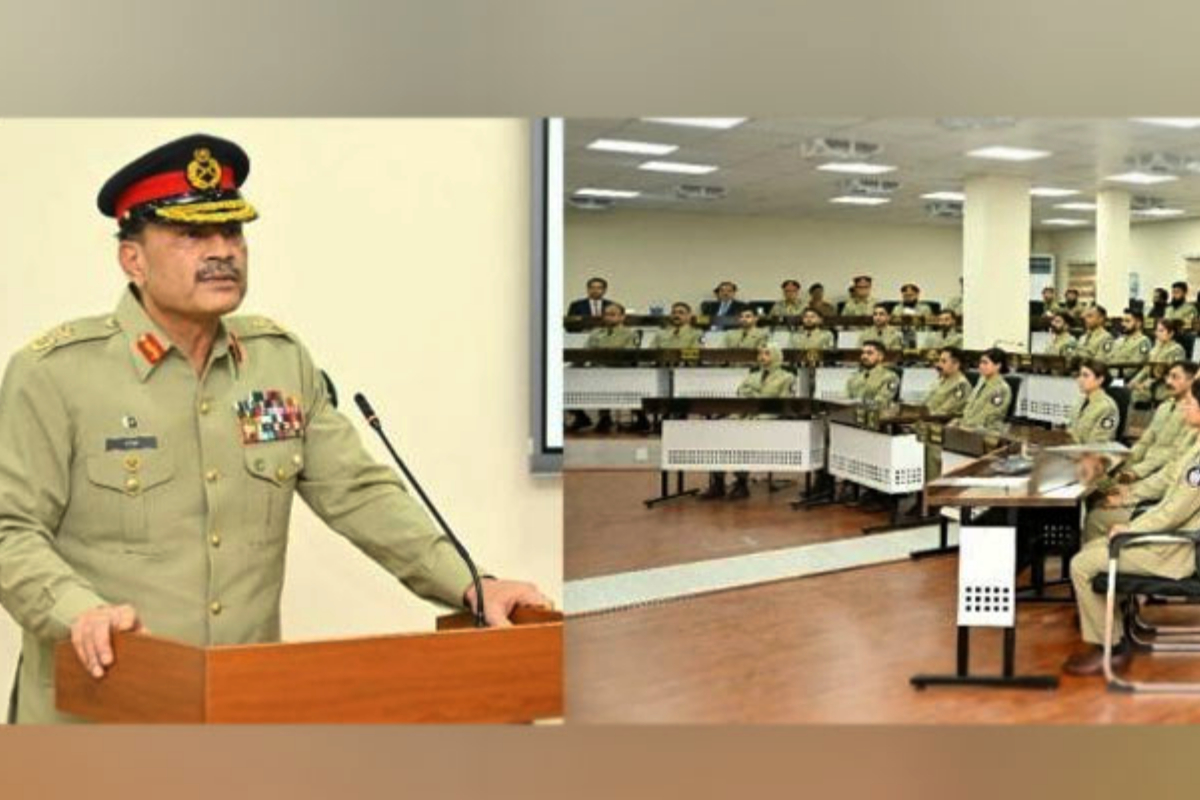
RAWALPINDI: Chief of Army Staff (COAS) and Chief of Defence Forces (CDF), Field Marshal Syed Asim Munir on Tuesday emphasized that a strong and people-oriented police force is crucial for maintaining internal security.

According to the Inter-Services Public Relations (ISPR), Field Marshal Asim Munir visited the National Police Academy in Islamabad, where he met with officers of the Police Service of Pakistan and engaged in discussions on law enforcement and internal security.

The Federal Minister of Interior and Minister of State for Interior were also present during the visit.

Field Marshal Asim Munir was warmly received by the Commandant of the National Police Academy and was presented with a Guard of Honour by a disciplined police contingent. He paid tribute to police martyrs by laying flowers and reciting Fatiha at the Police Martyrs’ Memorial.

Highlighting the sacrifices of police personnel in the fight against terrorism, crime, and security challenges, Field Marshal Munir addressed IGPs, Additional IGPs, and senior officers, emphasizing the importance of inter-agency cooperation and modern policing techniques.

He stressed that public trust forms the foundation of law enforcement agencies. “A strong and people-friendly police is indispensable for internal security. Enforcement of law and order is the sacred trust of the police,” he said.

Field Marshal Munir also assured that the armed forces will always stand shoulder to shoulder with the Pakistan Police in maintaining law, order, and public safety.

TIP NCPS 2025 finds police, judiciary leading corruption

TIP NCPS 2025

ISLAMABAD: According to the National Corruption Perception Survey (NCPS) 2025 released by Transparency International Pakistan (TIP), police, tender and procurement departments, and the judiciary are perceived as the most corrupt sectors in Pakistan.

 A large majority of respondents also consider provincial governments more corrupt than local governments.

The survey found that 77% of participants are dissatisfied with government efforts to curb corruption. Dissatisfaction was highest in Balochistan (80%), followed by Punjab (78%), and Sindh and Khyber Pakhtunkhwa (75%).

Encouragingly, 66% of respondents reported that they had not been asked for bribes in the past year. Regarding economic conditions, 57% said their purchasing power decreased over the past 12 months, while 43% reported improvements.

Nevertheless, 58% of respondents (40% partially, 18% fully) agreed that government measures, including the IMF program and exiting the FATF grey list, helped stabilize the economy.

Public opinion on political funding and advertisements

Public opinion strongly favors political funding reforms:

42% want a complete ban on business funding of political parties.

41% support regulated funding, creating an overall support of 83%.

55% believe government advertisements should not include political party names or leadership images.

Sector-wise corruption perception

Police topped the list nationally with 24% reporting it as the most corrupt sector. Punjab showed the worst perception at 34%, followed by Balochistan (22%), Sindh (21%), and Khyber Pakhtunkhwa (20%).

Tender and procurement: Balochistan (23%) showed the highest concern.

Judiciary: Khyber Pakhtunkhwa (18%) and Punjab (17%) had the highest perception of corruption.

Provincial governments and accountability

59% of respondents view provincial governments as more corrupt than local bodies, with Punjab leading at 70%.

Strong distrust of anti-corruption institutions was noted, with 78% wanting self-accountability mechanisms for bodies like NAB and FIA.

Main causes of corruption identified were: lack of transparency (35%), absence of independent oversight (33%), and perception of political revenge (32%).

Healthcare sector corruption

67% said corruption in healthcare significantly affects people’s lives.

Hospitals (38%), doctors (23%), and pharmaceutical sector (21%) were reported as most corrupt.

Provincial variations: hospitals – Sindh 49%, KPK 46%, Balochistan 32%, Punjab 26%; doctors – Balochistan 35%; pharmaceutical – Punjab 30%.

Measures suggested: strict action against pharma commissions (23%), ban on public-sector doctors’ private practice (20%), stronger regulations (16%).

Bribery and reporting awareness

Highest bribery reported in Sindh (46%), followed by Punjab (39%), Balochistan (31%), and Khyber Pakhtunkhwa (20%).

70% are unaware of official corruption reporting mechanisms; of the 30% who are aware, only 43% have ever reported an incident.

Anonymous reporting (38%) and rewards (37%) could encourage more people to report corruption.

Charity and tax-exempt organizations

51% believe NGOs, trusts, hospitals, and educational institutions with tax exemptions should not charge fees.

53% want these organizations to disclose donors and donations publicly.

The NCPS 2025 reflects public perception trends and highlights the urgent need for stronger transparency, accountability, and reforms in governance across Pakistan.