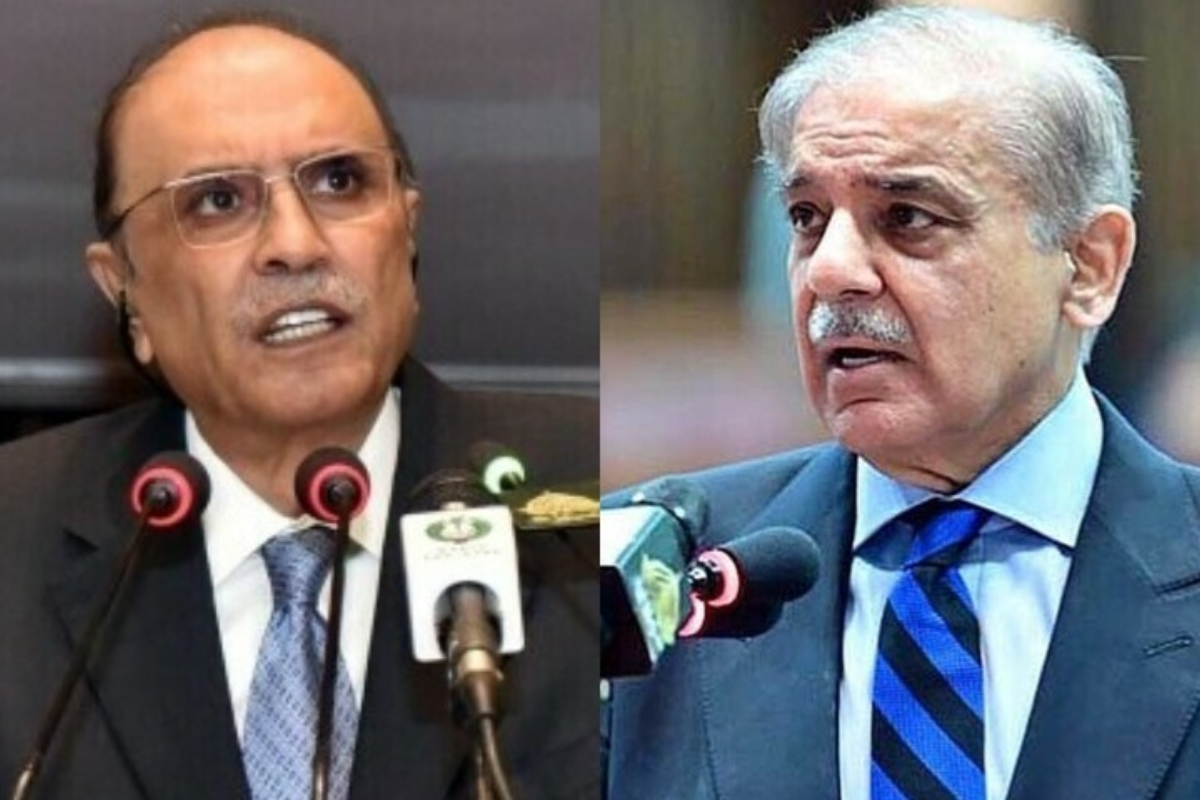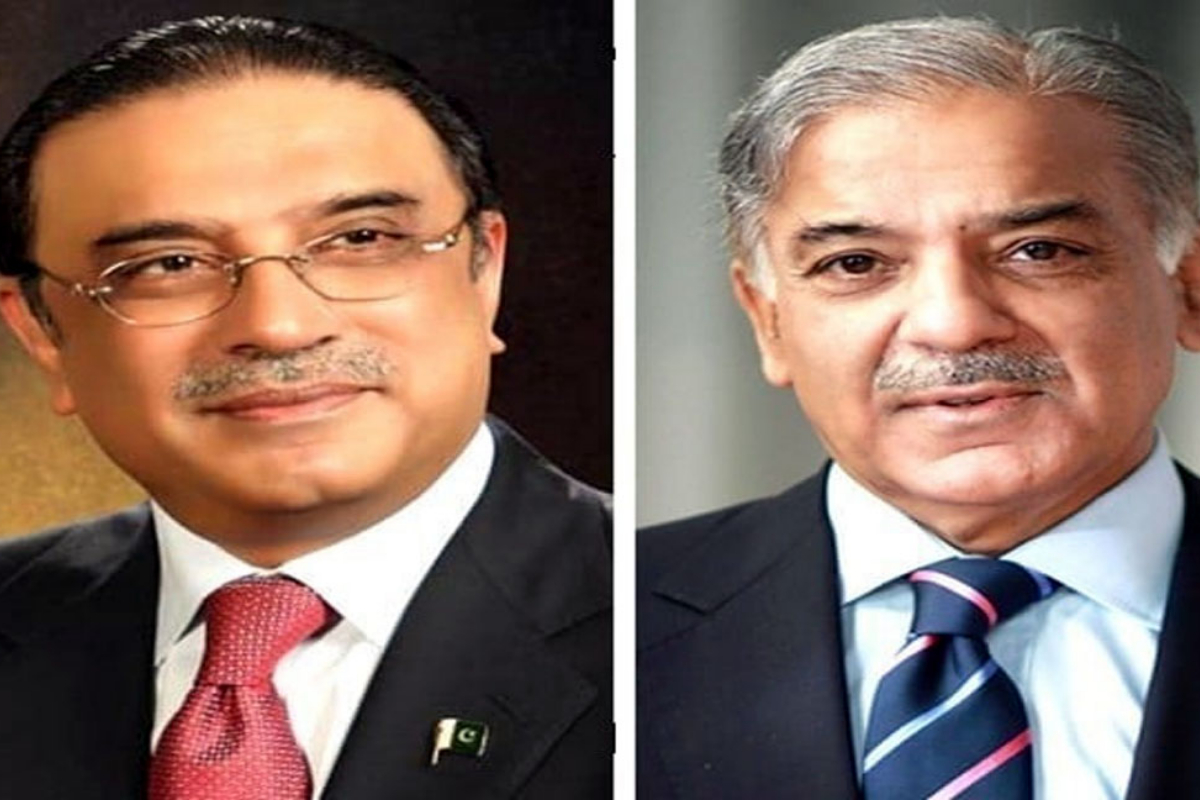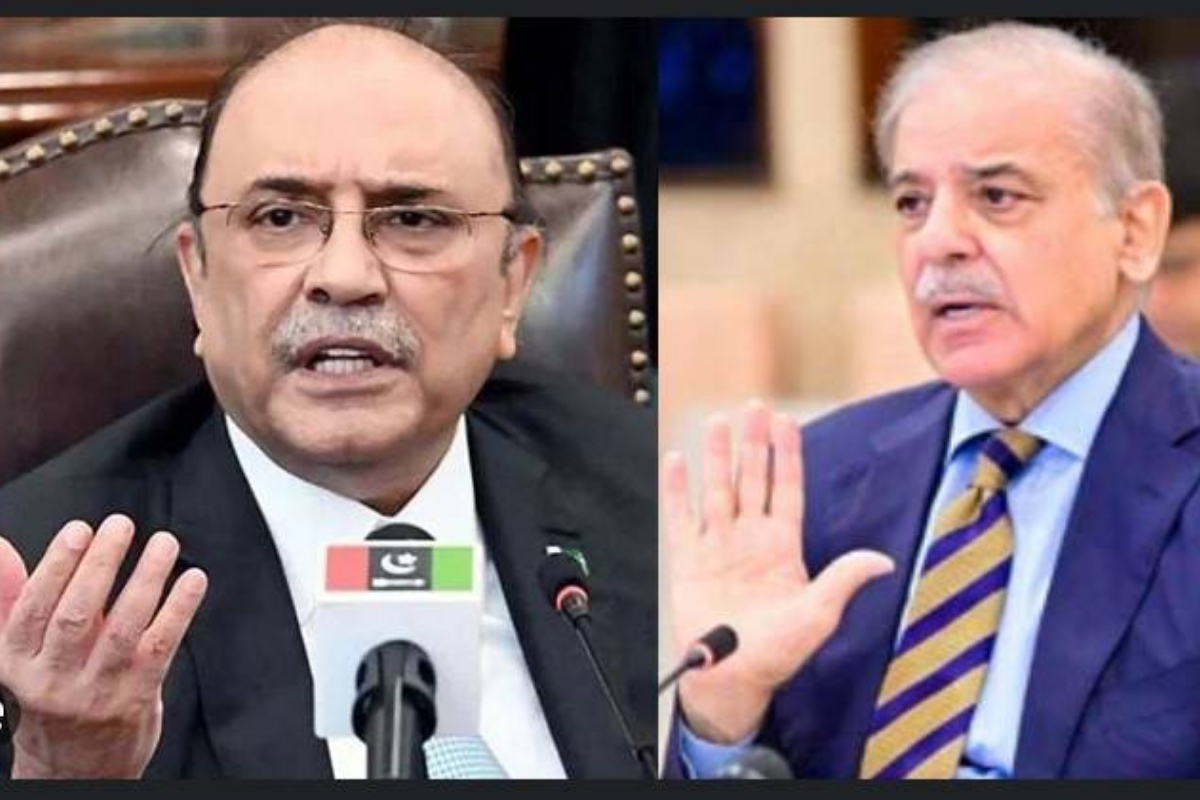
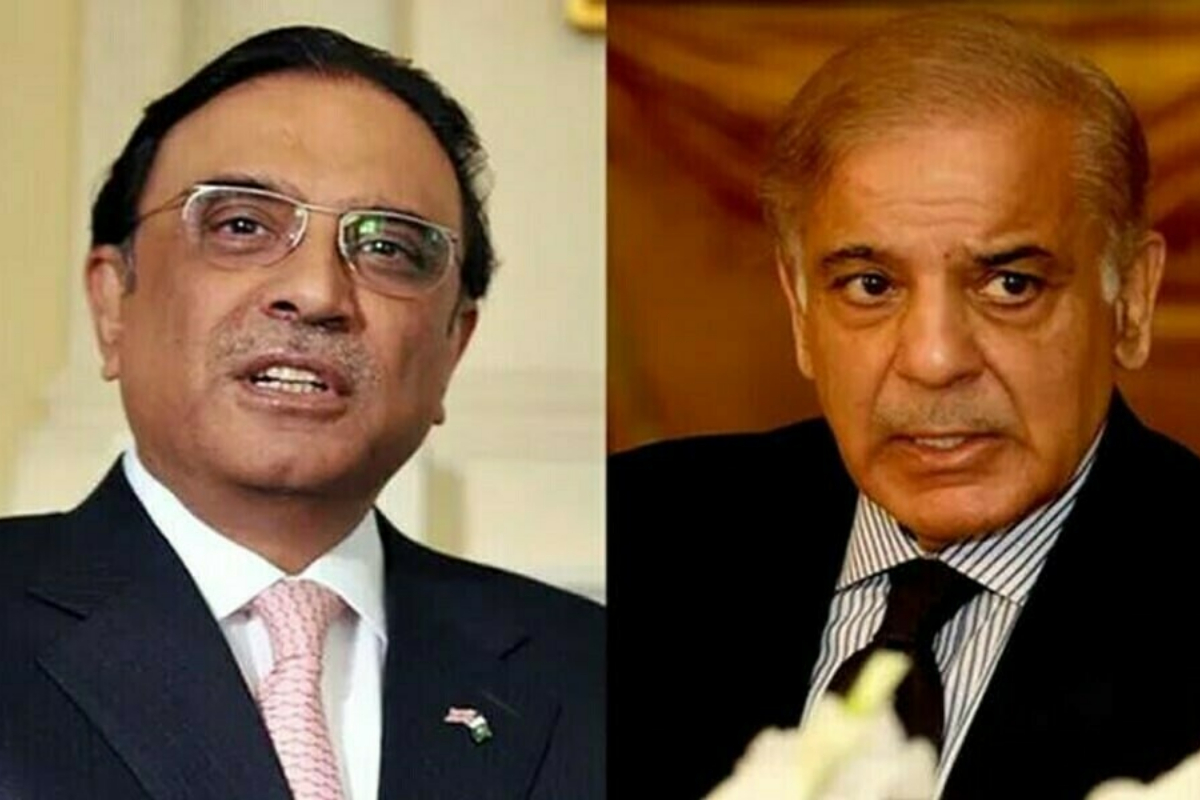
ISLAMABAD: President Asif Ali Zardari and Prime Minister Muhammad Shehbaz Sharif on Friday extended heartfelt greetings to Pakistanis at home and abroad on the occasion of the country’s 79th Independence Day, paying tribute to the sacrifices behind the creation of Pakistan and calling for greater national unity, economic development and regional peace.
In separate messages, both leaders paid homage to Quaid-e-Azam Muhammad Ali Jinnah, Allama Muhammad Iqbal and the leaders and workers of the Pakistan Movement whose vision, struggle and sacrifices culminated in the establishment of an independent homeland.
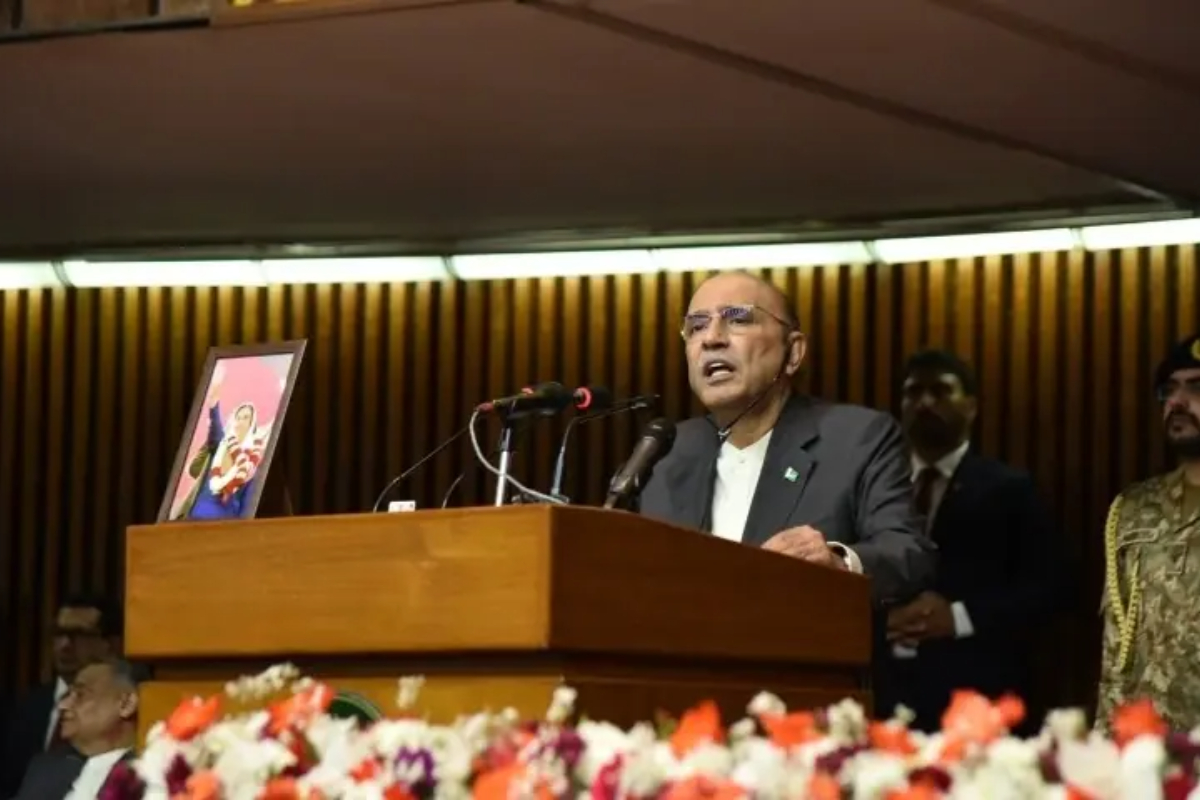
President Zardari said Independence Day was not merely a celebration of a historic achievement but also a reminder of the responsibility carried by every generation to strengthen and advance the country.
He paid tribute to those who sacrificed their homes, livelihoods and lives during the struggle for Pakistan and honoured the martyrs of the armed forces, law enforcement agencies and police who had sacrificed their lives in defending the country against external aggression and terrorism.
Referring to “Marka-e-Haq,” President Zardari said recent events had demonstrated that Pakistan sought peace but possessed both the resolve and capability to defend its sovereignty and national interests.
He said Pakistan had used its diplomatic channels, geographical importance and diplomatic capital to promote dialogue and de-escalation at a time when a wider regional conflict could have had serious consequences.
“Disputes, however serious, must ultimately be resolved through dialogue and diplomacy,” he said, adding that Pakistan would continue supporting efforts to reduce tensions and promote regional stability.
The president also warned against terrorism emanating from Afghanistan. He said Pakistan had historically respected Afghanistan’s sovereignty and expected the same from its neighbour.
Zardari expressed concern that the interim Afghan regime was allowing militant groups to use Afghan territory to launch attacks against neighbouring countries, including Pakistan. He further alleged that the Afghan Taliban regime was collaborating with India in attacks against Pakistani civilians and security personnel.
“I warn them to stop these evil actions against the people of Pakistan,” Zardari said, asserting that Pakistan’s armed forces were capable of defeating such designs.
The president called on the nation to focus on issues that would determine Pakistan’s future, including economic growth, education, skills development, governance and social reforms.
He described the country’s youth as its greatest strength, noting their growing contribution to science, technology, business, education and creative industries.
Zardari said the state must provide young people with quality education, skills and opportunities to realise their potential. He added that national progress should ultimately be measured by improvements in the lives of ordinary citizens, including access to education and healthcare and greater economic opportunities for farmers, workers and businesses.
He also reaffirmed Pakistan’s support for the people of Indian-administered Jammu and Kashmir, saying Islamabad would continue to advocate a peaceful resolution of the Kashmir dispute in accordance with the aspirations of the Kashmiri people and relevant United Nations resolutions.
Shehbaz highlights economic stability
Prime Minister Shehbaz Sharif, in his Independence Day message, said Pakistan had completed 79 years of freedom and paid tribute to the founding leaders whose vision and sacrifices made the creation of the country possible.
He said Pakistan, guided by Islamic teachings and the vision of Quaid-e-Azam, guaranteed equal freedom to all citizens without discrimination, while the Constitution and laws protected their fundamental rights.
Highlighting the government’s economic performance over the past two-and-a-half years, Shehbaz said Pakistan had navigated difficult circumstances, achieved economic stability and was now moving toward becoming a developed economy.
He said remittances from overseas Pakistanis had increased by $11.3 billion over the past two years, describing the rise as evidence of confidence in government policies.
The prime minister identified information technology, innovation-driven industrial and agricultural development, employment generation and a world-class education and skills system as key government priorities.
Shehbaz paid tribute to the armed forces for their performance during “Marka-e-Haq,” saying the military, under the leadership of Field Marshal Syed Asim Munir, had demonstrated unity and courage and added another chapter to Pakistan’s history of defence.
He said Pakistan remained committed to safeguarding its national interests, including its water resources, while continuing to act as a responsible country and a force for regional and global peace.
He cited the Makkah Joint Defence Agreement between Pakistan, Saudi Arabia and Türkiye as evidence of Pakistan’s growing strategic importance in the region.
The prime minister also reiterated Pakistan’s support for the people of Jammu and Kashmir and Palestine, saying lasting peace in South Asia required a diplomatic settlement of the Kashmir dispute in accordance with United Nations resolutions, international law and the aspirations of the Kashmiri people.
Both leaders paid tribute to the families of martyrs and called on citizens to contribute to national progress.
Shehbaz particularly urged political parties and all segments of society to work together to strengthen national unity, protect the country’s integrity and advance Pakistan’s national interests.
The leaders concluded their messages with prayers for Pakistan’s continued peace, prosperity, dignity and progress among the community of nations.