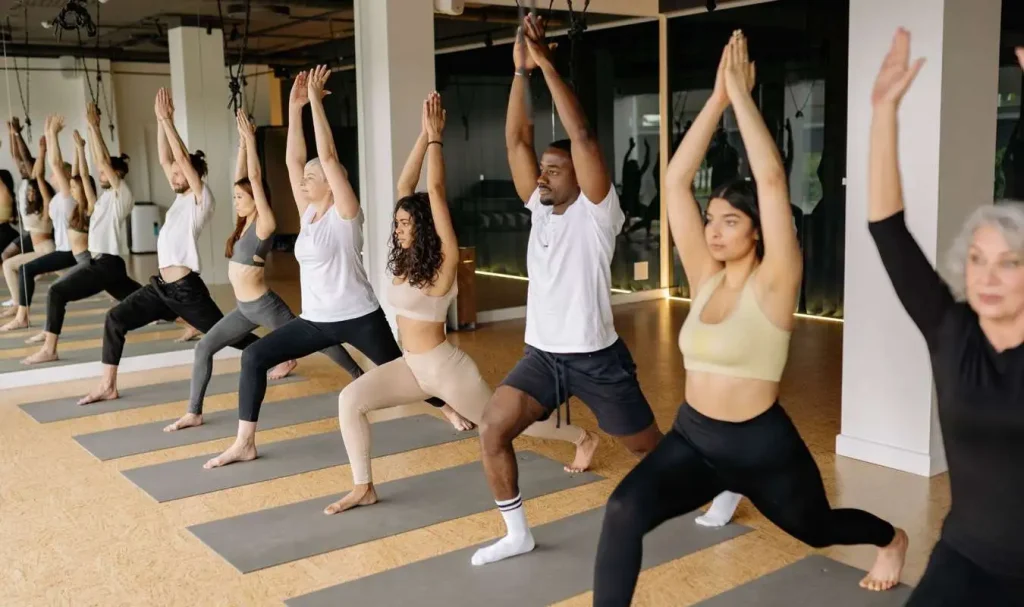
Poor sleep affects immunity, mental health, and productivity. Explore the health risks of sleep deprivation and practical tips for better rest.
In today’s busy lifestyle, sleep and health are often overlooked. Yet, research shows that good sleep is more powerful than medicine when it comes to improving immunity, productivity, and mental wellness.
Why Sleep Matters
During sleep, the body repairs cells, strengthens memory, balances hormones, and restores energy. Adults generally need 7–9 hours of sleep per night, but many people get less than six hours, which severely affects health.
Health Risks of Poor Sleep
Higher risk of heart disease and diabetes
Weak immune system
Memory problems and lack of focus
Anxiety, stress, and depression
Weight gain due to hormone imbalance
Tips for Better Sleep
Maintain a sleep schedule – go to bed and wake up at the same time daily.
Limit screen time at least one hour before bed.
Avoid caffeine and heavy meals in the evening.
Create a calm sleep environment – dark, quiet, and cool room.
Exercise regularly but not too close to bedtime.
Conclusion
When it comes to sleep and health, consistency matters most. By practicing good sleep hygiene, you can improve mood, focus, and protect yourself from long-term health problems.
In recent years, gut health has become one of the most searched health topics worldwide. Scientists now agree that the stomach is more than just a digestive organ — it plays a central role in immunity, mental health, and overall well-being.
The Role of Gut Microbiome
Your gut is home to trillions of bacteria, fungi, and microbes collectively called the gut microbiome. These microorganisms help break down food, absorb nutrients, and strengthen the immune system. A healthy gut microbiome reduces the risk of diseases such as diabetes, obesity, and even depression.
Signs of Poor Gut Health
Bloating, gas, or stomach pain
Food intolerances
Weak immunity and frequent infections
Fatigue or lack of focus
How to Improve Gut Health
Eat fiber-rich foods such as whole grains, fruits, and vegetables.
Add probiotics and prebiotics – yogurt, kefir, and fermented foods are excellent choices.
Stay hydrated to support digestion.
Reduce processed foods and sugar that harm good bacteria.
Manage stress and sleep – both affect gut balance.
Conclusion
Your gut is directly linked to your body’s defense system and even mental health. By improving your diet and lifestyle, you can restore balance in your gut and enjoy better immunity and energy.
Karachi – September 30, 2025: Pakistan’s leading textile manufacturer, Gul Ahmed Textile Mills Limited (GATM), has announced the closure of its export apparel business after years of financial strain and mounting operational challenges.
In a notice to the Pakistan Stock Exchange (PSX), the company stated that its board of directors approved the decision during a meeting held on September 29, 2025. The move comes after a strategic review that highlighted continued losses in the export apparel segment.
According to the company, the export unit has been struggling with rising input costs, especially nominated fabrics, along with higher energy tariffs, policy-driven tax burdens, and a volatile exchange rate that has reduced competitiveness in global markets. Intense competition from regional textile exporters has further squeezed margins.
By shutting down this business line, Gul Ahmed expects to reduce borrowing levels, improve cash flows, and strengthen its focus on profitable areas such as home textiles, spinning, and weaving, which remain operational.
Gul Ahmed, a household name in Pakistan, traces its roots back to the early 1900s as a textile trader and began manufacturing under GATM in 1953. Listed on the PSX since 1955, the company also runs one of the country’s largest retail networks, with more than 40 outlets offering fashion, apparel, and home accessories.
The closure of its export apparel division marks a major restructuring step for the textile giant as it navigates Pakistan’s challenging economic and industrial landscape.
Dubai/Karachi – In a remarkable entrepreneurial journey, Pakistani couple Anam Khalid and Wajdan Gul have taken their gym apparel brand SquatWolf from a small apartment in Dubai to the prestigious Dubai Mall, making it one of the most prominent Pakistani-founded lifestyle brands to achieve such recognition in the Middle East.
Launched in 2016 with an initial investment of AED 250,000, SquatWolf was born out of the couple’s observation that the UAE fitness community lacked a locally tailored sportswear alternative to global giants like Nike and Adidas. Their early focus on quality, niche market segments, and community-building helped the brand gain traction across the Gulf.
By 2018, SquatWolf expanded into Saudi Arabia, Qatar, and Kuwait, while their innovative content campaigns during the COVID-19 pandemic boosted visibility worldwide. Today, the brand claims a presence in 120 countries and continues to grow rapidly.
The milestone of opening a store in Dubai Mall was achieved through a customer-led introduction to Emaar’s CEO, leading to swift approval and store allocation. “Being in Dubai Mall is more than just retail — it’s global brand validation,” said Wajdan Gul.
The founders emphasize team-building as a key factor in their success. “If you are the smartest person in the room, you’re in the wrong room,” Wajdan remarked, highlighting the importance of hiring top talent to sustain growth.
SquatWolf now operates three outlets in Dubai, including its flagship at Dubai Mall, and has set its sights on further global expansion — positioning itself as a leading sportswear brand with Pakistani roots and international ambition.
In a vibrant ceremony that blended eco-innovation with women’s empowerment, the Sindh government rolled out the first batch of free electric scooters under its flagship Pink EV Scooty Scheme, handing over keys to 200 lucky female beneficiaries. The event, held on September 25 at a bustling venue in Karachi, marked a milestone in the province’s push for gender-inclusive, sustainable transport, drawing cheers from recipients, officials, and supporters alike.
Pakistan Peoples Party (PPP) Chairman Bilawal Bhutto Zardari led the distribution, personally handing over the sleek pink scooters to a diverse group of female students, teachers, and working professionals. “Today, we are taking another big step by distributing electric scooters free of cost to women, which will not only ease their daily commute but also provide greater access to employment opportunities,” Bilawal Bhutto Zardari declared, emphasizing the scheme’s role in national progress. He highlighted the contrast with restrictive policies elsewhere, stating, “We want to send a strong message to Pakistan and the world—the Pakistan Peoples Party stands with the women of this country.”
The initiative, launched in April 2025 by the Sindh Transport and Mass Transit Department under Senior Minister Sharjeel Inam Memon, aims to distribute 1,000 such scooters across the province by year’s end. Each scooter comes equipped with safety features, including helmets, road safety training, and access to EV charging stations, in partnership with private entities like KFC Pakistan, which provided rider training and licensing support. “This pink scooter scheme is not just about transportation; it’s about women empowerment,” Memon noted earlier this month.
From Application to Asphalt: A Transparent Journey
The scheme’s selection process—online applications via the Sindh Mass Transit Authority (SMTA) portal, followed by skill tests and a public lottery—ensured fairness, with media and a supervisory committee overseeing the draw. Recipients like Maria Mazhar Ghori, a schoolteacher from Karachi, shared her excitement: “I’ve received training from the Bint-i-Ahan women’s bike club, and now with this scooter, I can commute safely without relying on crowded buses. It’s a game-changer for women like me.”
Eligibility remains straightforward: Women aged 18+ residing in Sindh, holding a valid driving license, and either enrolled as students or employed. Applications are still open on the SMTA website (smta.sindh.gov.pk), with phased distributions continuing into October. No prior vehicle ownership is allowed, and scooters are for personal use only to prevent misuse.
Broader Impact: Green Mobility Meets Gender Equity
This rollout aligns with national efforts like the federal Prime Minister’s Electric Bike Scheme 2025, which plans to distribute 116,000 e-bikes nationwide, but Sindh’s Pink EV focus zeroes in on women-specific barriers in urban hubs like Karachi and Hyderabad. By promoting electric vehicles, the program cuts fuel costs by up to 80% and reduces emissions, supporting Pakistan’s New Energy Vehicle Policy 2025–2030.
Looking ahead, Bhutto Zardari teased the launch of “Pink Taxis”—a women-operated ride service promising safe travel and job creation. As one recipient put it, “These wheels aren’t just for getting around; they’re for breaking barriers.”
For eligible women in Sindh, the message is clear: Apply now and ride the wave of change. The Pink EV Scooty Scheme isn’t just distributing vehicles—it’s accelerating a future where women lead the way, one eco-friendly mile at a time.
Holistic wellness in 2025 emphasizes the interconnectedness of physical, mental, and emotional health. This approach integrates various practices to promote overall well-being.
Key Components of Holistic Wellness:
Mindfulness and Meditation: Techniques that reduce stress and enhance mental clarity
Balanced Nutrition: Consuming a variety of nutrient-rich foods to support bodily functions.
Physical Activity: Engaging in regular exercise to maintain physical health.
Adequate Sleep: Ensuring sufficient rest for recovery and energy.
Benefits of Holistic Wellness:
Improved Mental Health: Reduces anxiety and depression through mindfulness practices.
Enhanced Physical Health: Supports immune function and reduces the risk of chronic diseases.
Emotional Balance: Promotes emotional stability and resilience.
Conclusion: Adopting a holistic approach to wellness leads to a balanced and fulfilling life, addressing the root causes of health issues rather than just symptoms.
In 2025, Artificial Intelligence (AI) has revolutionized the fitness industry by offering personalized workout plans tailored to individual needs. AI analyzes data such as age, fitness level, goals, and recovery patterns to create optimized training regimens.
Benefits of AI in Fitness:
Personalized Workouts: AI customizes exercises based on user data, ensuring effective and safe training sessions.
Progress Tracking: Continuous monitoring allows for real-time adjustments to workout plans, maximizing results.
Accessibility: AI-driven apps provide guidance to users at home or in the gym, making fitness more accessible.
Popular AI Fitness Apps:
FitnessAI: Offers personalized strength training plans with progressive overload algorithms.
Athletica AI Coaching: Provides science-backed coaching with adaptive training plans.
Conclusion: AI-powered fitness plans are transforming how individuals approach training, offering personalized, efficient, and accessible solutions to meet diverse fitness goals.