Investment in global smart grids is set to surge, driven by the growing role of AI-powered data centers, according to a recent report by Telecom Review Asia. Transmission infrastructure investment is projected to jump from USD 372.6 billion in 2025 to USD 573.7 billion by 2030, marking a compound annual growth rate (CAGR) of 9.2%.
AI technologies are revolutionizing smart grids by analyzing real-time data for demand forecasting, predictive maintenance, and renewable energy integration. This optimization ensures better power flow, balanced supply and demand, and automated responses to grid instabilities, reducing outages, preventing equipment failures, and cutting energy waste.
Data centers are central to this transformation. Programs like DCFlex, which bring together utilities and data center technology firms, are enabling seamless integration of data centers with grid operations, enhancing operational flexibility and grid efficiency. The rising demand for data processing, fueled by AI growth, has further accelerated data center projects worldwide.
Experts say that the combination of AI and data center innovation is not only reshaping computing capabilities but also driving significant investment in smart grid infrastructure, paving the way for a more sustainable and resilient energy future.
Australian telecommunications provider Optus, the country’s second-largest telco, experienced a fresh outage affecting emergency calls on Sunday, September 28. The disruption impacted approximately 4,500 people in Dapto, south of Sydney.
The incident follows a major emergency call outage on September 18, which was linked to delayed emergency responses and reportedly contributed to four fatalities. The latest disruption was caused by a faulty mobile tower, temporarily affecting emergency services between 3:00 a.m. and 12:20 p.m. Optus has since restored the service and confirmed that all attempted emergency calls were successfully accounted for.
The Australian government has condemned the outage as an “absolutely shocking failure” and is seeking answers from Optus’ parent company, Singapore Telecommunications (Singtel). Singtel Group CEO Yuen Kuan Moon and Optus executives are scheduled to meet with Australia’s Communications Minister Anika Wells to address the ongoing concerns.
This recurring issue has intensified scrutiny over Optus’ infrastructure and its ability to reliably manage emergency services. An independent review of the September 18 outage is underway, with findings expected by the end of 2025.
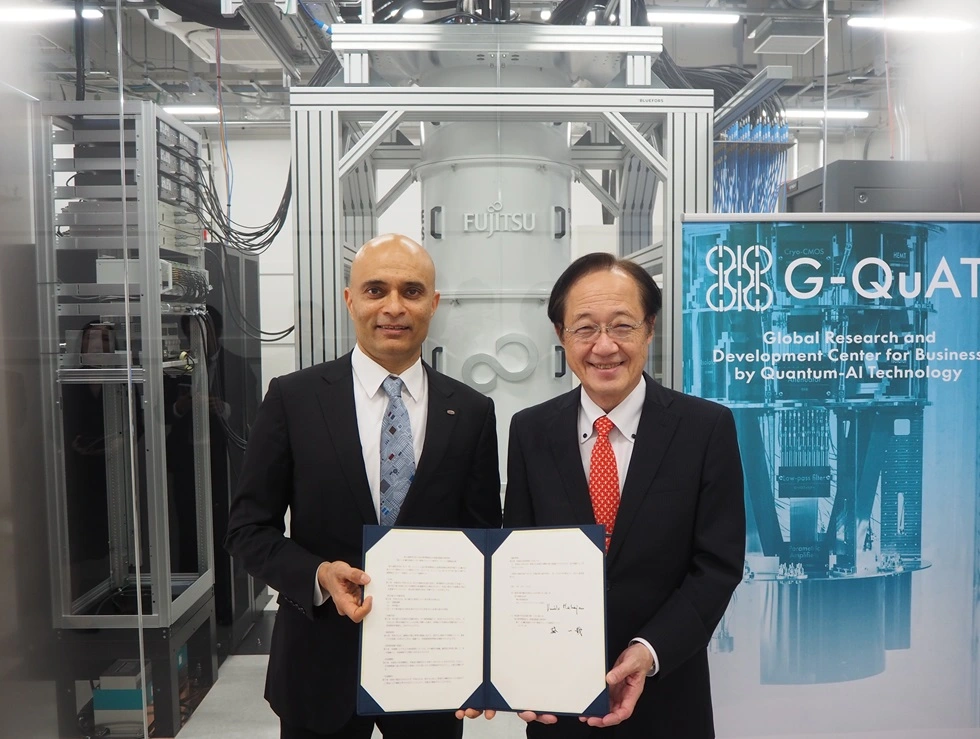
Fujitsu has unveiled its latest innovation, the Fujitsu Quantum-Inspired Computing Platform, designed to accelerate scientific discovery and optimize complex systems across industries. This platform combines advanced quantum-inspired algorithms with high-performance computing, tackling problems that traditional computing methods struggle to solve.
The new platform has far-reaching applications in sectors such as pharmaceuticals, logistics, finance, and energy, enabling companies to handle intricate simulations, optimization, and data analysis with unprecedented efficiency.
Strategic partnerships with top research institutions and industry leaders have strengthened the platform’s real-world applicability, ensuring it addresses pressing challenges across multiple domains. Fujitsu positions this initiative as a bridge toward broader quantum computing adoption, signaling a significant step forward in next-generation computational technology.
“By harnessing the power of quantum-inspired computing, we aim to provide solutions that drive innovation and tackle global challenges effectively,” said a Fujitsu spokesperson.
The platform reinforces Fujitsu’s commitment to technological advancement, helping industries worldwide solve complex problems faster and more efficiently.
OpenAI has announced a groundbreaking step in personal AI with the introduction of “Operator”, an autonomous AI agent designed to handle complex tasks independently across multiple digital platforms. This development promises to redefine how AI assistants interact with users and manage daily workflows.
Unlike traditional AI assistants that require constant user input, Operator can proactively perform tasks such as coding, scheduling, and workflow management without ongoing supervision. This move represents a significant step toward creating AI systems that are more integrated, efficient, and capable of autonomous decision-making.
The new AI agent is expected to be available as a research preview in January 2025, with API access for developers looking to integrate its functionalities into their applications. By making AI assistants more proactive, OpenAI aims to expand the scope of tasks that AI can handle, making them increasingly useful in professional and personal environments.
This launch reflects OpenAI’s broader strategy to enhance AI utility and autonomy, marking a shift from reactive assistants to AI agents that can anticipate user needs and act independently. Analysts suggest that this development could have major implications for sectors like software development, project management, and digital productivity.
As AI continues to evolve, Operator may pave the way for the next generation of personal assistants, combining intelligence, efficiency, and autonomy in a single platform.
Iranian Adviser Calls Pact a “Positive Development”
Major General Yahya Rahim Safavi, a senior adviser to Iran’s Supreme Leader Ayatollah Ali Khamenei, has suggested that Iran join the recently signed Strategic Mutual Defence Agreement (SMDA) between Saudi Arabia and Pakistan. Safavi emphasized that Iran, along with Iraq, could potentially form a broader regional defense alliance, citing the United States’ waning influence in the region as an opportunity for regional powers to strengthen security ties. Source: Tehran Times
Overview of the Saudi-Pakistan Defense Pact
The SMDA, signed on September 17, 2025, commits both nations to consider any attack on one as an act of aggression against both. The agreement has sparked discussions about its implications, particularly regarding Pakistan’s nuclear capabilities. Pakistan’s Defence Minister Khawaja Asif clarified that the pact does not involve sharing nuclear weapons with Saudi Arabia. Source: AP News
The Crown Prince and Prime Minister of the Kingdom of Saudi Arabia H.R.H. Muhammad bin Salman bin Abdulaziz Al Saud and Prime Minister Muhammad Shehbaz Sharif exchange the documents of Strategic Mutual Defense Agreement (SMDA) in Riyadh. #PakistanSaudiPartnership (17 September… pic.twitter.com/unSTIgQx98
Iran’s interest in joining the pact reflects a broader desire to enhance regional cooperation and security. This proposal may lead to a new alignment among key Middle Eastern nations, potentially reshaping existing alliances and affecting regional stability.
Global and Regional Response
The international community is closely monitoring developments, especially the reactions of other regional powers. Analysts suggest that such moves could redefine geopolitical strategies in the Middle East and create new security dynamics.
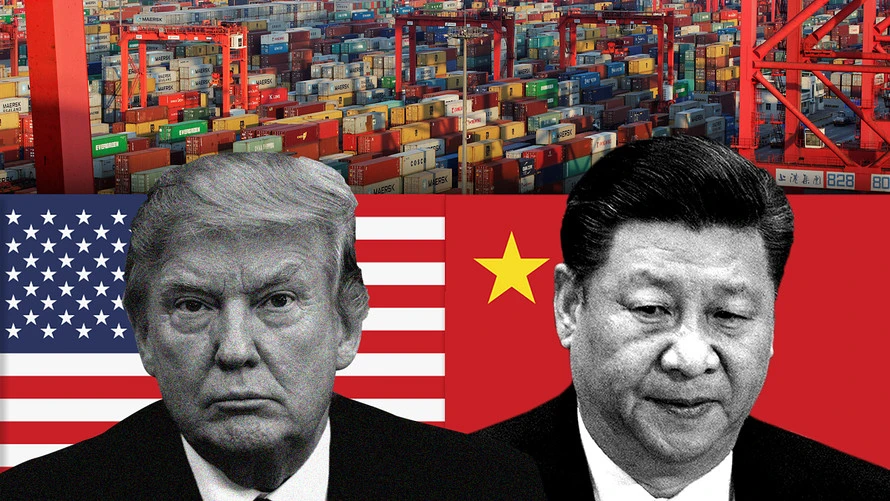
Are you a tech whiz eyeing international opportunities? With Trump’s H-1B visa fee hike slapping a massive $100,000 H-1B fee on new applicants, many are turning to China’s K visa as a fresh alternative. Launching on October 1, 2025, this program is Beijing’s smart play in the US-China visa rivalry, aiming to attract global STEM talent amid rising tensions. Searches for “H-1B visa fee hike,” “China K visa eligibility,” and “H-1B alternatives 2025” are exploding on Google—here’s your easy-to-read guide to the buzz, packed with key facts and insights to help you decide.
Why the Buzz? Trump’s $100K H-1B Hammer and China’s Open Door
President Donald Trump’s executive order on September 19, 2025, introduced a staggering $100,000 one-time fee for new H-1B petitions, effective immediately for FY2026 applicants. Aimed at curbing “abuses” by Big Tech, it spares renewals but hits fresh talent hard—especially Indians (71% of 2024 approvals) and Chinese pros. This has sparked H-1B visa panic, with companies like Google facing employee protests and warnings of talent shortages in AI and semiconductors.
Enter China’s K visa launch: Timed perfectly, it offers a no-sponsor-needed path for young STEM graduates to live, work, and innovate in Beijing’s thriving ecosystem. As one expert puts it, “While the US raises barriers, China is lowering them.” India has voiced concerns over family disruptions, and countries like Germany and Canada could also gain from the shift.
China K Visa Eligibility: Who Can Apply and How It Works
Wondering if you qualify for the China K visa? Here’s the breakdown in simple terms:
Target Group: Young professionals (likely under 35) with a bachelor’s or higher in STEM fields like engineering, biotech, or AI.
Key Perks: No job offer required! Get multi-entry access, up to 5-year stays, and freedom to start businesses, research, or job-hunt on arrival.
Application Basics: Apply via Chinese embassies; fees are low (details pending), with vague criteria on age and experience—but no lottery like the H-1B.
Bonuses for Top Talent: Up to ¥5 million ($702K) in incentives for select roles, plus visa waivers for 75+ countries boosting travel ease.
This is part of China’s bigger push for STEM talent migration, with foreign visits up 30% in 2025 thanks to relaxed rules.
H-1B vs. K Visa: Which Wins for You? A Quick Comparison
Choosing between the US and China? Check this handy table for the H-1B fee increase impact vs. China’s new visa for foreign talent:
Feature
US H-1B Visa (Post-$100K Fee)
China K Visa (Launching Oct 1)
Cost
$100K one-time for new apps + employer fees
Low embassy fees; no sponsor needed
Eligibility
Specialty jobs; employer-sponsored lottery
Young STEM grads; independent entry
Success Odds
<30% via 85K annual cap
Streamlined, no cap or lottery
Duration
3 years (extendable to 6)
Multi-year stays, flexible extensions
Path Forward
Green card possible, but long backlogs
Limited PR; no easy citizenship
Top Challenges
High costs, family waits, Trump policies
Mandarin barrier, geopolitics, vague details
Based on USCIS and China’s State Council data. For Indians hit hardest by the Trump H-1B visa fee, the K visa could bridge the gap—but language and tensions might slow uptake
The Bigger Picture: Global Talent War Heats Up
This isn’t just about visas—it’s a global talent war 2025. Trump’s move could cost the US billions in innovation, benefiting rivals like China, which woos pros with perks amid its “self-reliance” drive. As Al Jazeera notes, it might “disrupt families” in India, while China stays mum on US policies but emphasizes welcome mats.
Pro tip: If you’re affected, explore H-1B alternatives like Canada’s Express Entry or Germany’s Opportunity Card. Stay ahead—bookmark us for updates!
This reader-friendly roundup draws from trusted sources; for more on China K visa vs H-1B, Trump immigration 2025, US H-1B fee hike, and STEM visa options, dive deeper here.
References: Synthesized from Times of India, New York Times, Al Jazeera, CNBC, The Independent, Travel And Tour World, Asia Times, Daily Signal, and Reuters (September 2025). All facts verified for freshness and accuracy.
Elon Musk’s social media platform, X (formerly Twitter), announced plans to appeal a recent decision by the Karnataka High Court that upheld the Indian government’s content removal system. The system, accessed through the Sahyog portal, permits over two million police officers across India to issue takedown requests based solely on allegations of illegality, without judicial review or due process. Reuters
X expressed deep concern over the ruling, arguing that it undermines free expression and imposes criminal liability on platforms for non-compliance. The company contends that the Sahyog system lacks transparency and circumvents existing legal safeguards. mint
The Indian government defends the system as a necessary measure to combat unlawful content and ensure accountability online. Prime Minister Narendra Modi’s administration has intensified digital regulation efforts since 2023, expanding the authority of officials to issue content removal requests. Reuters
X’s decision to appeal reflects ongoing tensions between the platform and Indian authorities over content moderation policies and free speech concerns. The outcome of the appeal could have significant implications for digital governance and the balance between regulation and expression in India.
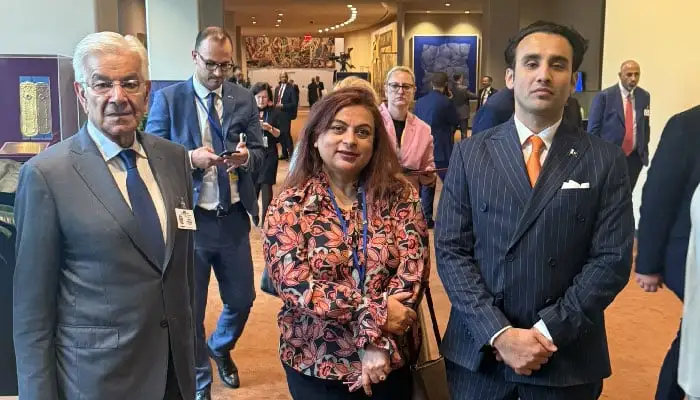
Shama Junejo, a political figure associated with Pakistan’s current administration, has claimed that Prime Minister Shehbaz Sharif personally included her as an advisor in Pakistan’s delegation to the United Nations General Assembly (UNGA).
According to Junejo, the Prime Minister also tasked her with drafting his speech for the international forum, highlighting her direct involvement in shaping Pakistan’s diplomatic messaging.
میں پچھلے کئی مہینوں سے پاکستان اور وزیراعظم صاحب @CMShehbaz کے لئے کام کر رہی تھی! پاک بھارت جنگ کے دوران میرے پالیسی بریفس، ایڈوائس، اور پوائنٹس، سب کچھ ریکارڈ کا حصہ ہے اور محفوظ ہے۔ مجھے وزیراعظم صاحب نے اقوام متحدہ کی تقریر لکھنے کا ٹاسک دیا۔ اور خود وفد کا حصہ بنایا۔… pic.twitter.com/YTED1ZKx1N
The claim, which has sparked discussions on social media and in political circles, comes amid broader debates regarding delegation appointments and the roles of advisors accompanying high-level officials to global forums. Junejo stated that she was personally approached by Prime Minister Shehbaz Sharif and included in the official UN delegation, reflecting the Prime Minister’s confidence in her capabilities.
While the Prime Minister has yet to officially comment on these claims, several political observers have noted that such appointments are typically reserved for senior government officials or experienced diplomats. Junejo’s assertion has therefore raised questions among opposition figures regarding transparency and protocol in the selection of advisors and delegation members.
Reacting to her claims, some opposition leaders have criticized the decision, suggesting that appointments to important international forums should be based on experience and merit rather than personal preference. However, supporters of Junejo argue that her inclusion as an advisor demonstrates trust from the Prime Minister and reflects the evolving nature of political advisory roles within Pakistan’s governance framework.
Shama Junejo also highlighted that her responsibilities extended beyond merely accompanying the delegation. She claimed that she was actively involved in preparing and reviewing speech drafts, coordinating with the Foreign Office, and providing strategic input for Pakistan’s engagement at the UNGA. This level of involvement, if confirmed, indicates a significant advisory role that impacts how Pakistan presents its policies and positions on the global stage.
The Ministry of Foreign Affairs has noted queries regarding the seating of a certain individual behind the Defence Minister at a recent meeting of the UNSC. To clarify, the individual in question was not listed in the official letter of credence for the Pakistan delegation to the… https://t.co/60w0te9hLX
— Ministry of Foreign Affairs – Pakistan (@ForeignOfficePk) September 26, 2025
The situation has also caught the attention of media outlets, which are closely following reactions from political figures and the public. Social media platforms have been abuzz with debates on whether political loyalty or professional competence should be the primary criterion for such international appointments. Many users have praised Junejo for taking on the advisory role at a high-profile international event, while others have criticized the move, claiming it sets a precedent for personal selection over institutional merit.
This development also brings attention to Pakistan’s diplomatic practices and the role of political advisors in international delegations. As the country navigates its foreign policy priorities, appointments like these highlight the balance between political trust and professional expertise in representing Pakistan on global platforms.
The controversy underscores the importance of transparency in political appointments, especially when representing the country at prestigious international forums such as the UNGA. While Junejo’s claims await official confirmation, the news has already generated significant public interest, highlighting the intricate interplay between politics, diplomacy, and personal influence within Pakistan’s governance framework.
As the story develops, political analysts and journalists will continue monitoring responses from the Prime Minister’s office, opposition parties, and the Foreign Office to provide clarity on Shama Junejo’s role and the protocols followed in appointing advisors to Pakistan’s UN delegation.
Reference: Geo TV. (2025, September 29). PM Himself Included Me in UN Team as Advisor, Claims Shama Junejo. Geo News. Retrieved from Geo TV website.
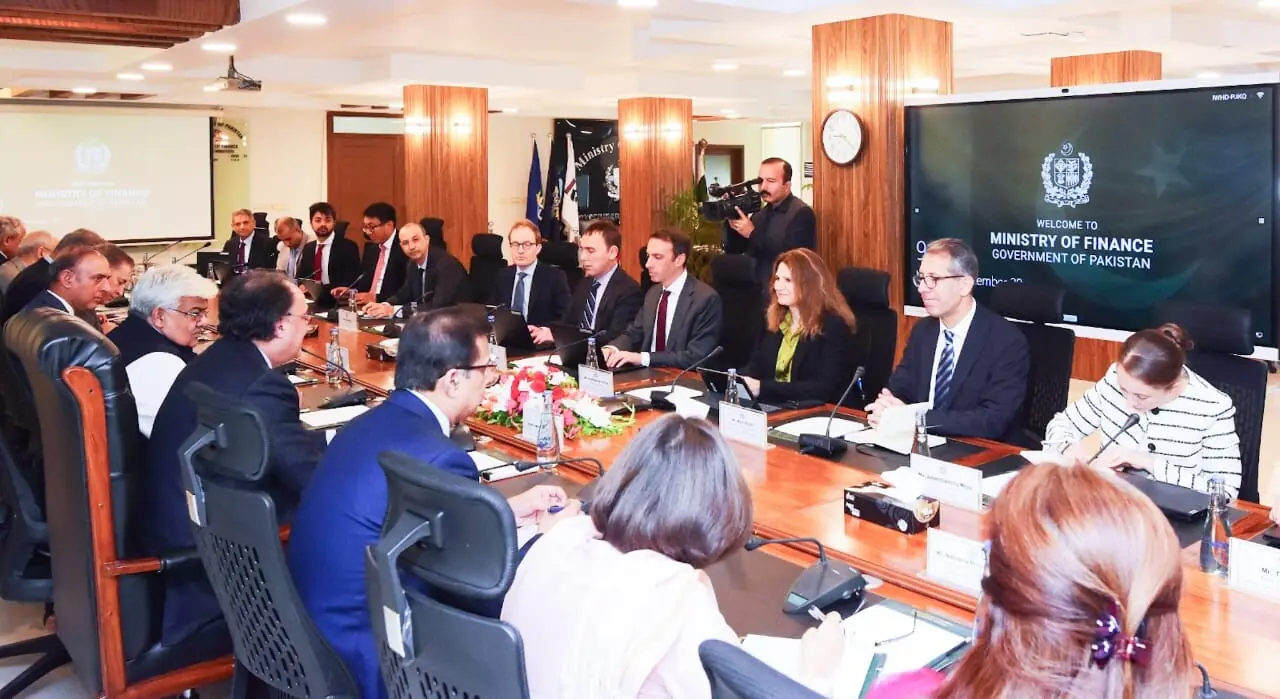
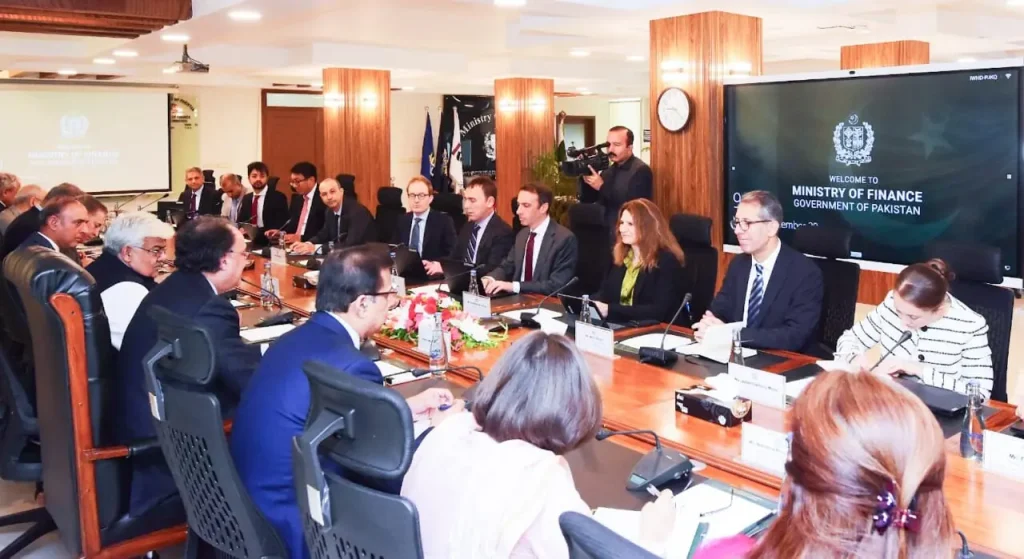
Pakistan’s Ministry of Finance commenced high-level discussions with the International Monetary Fund (IMF) in Islamabad to review the country’s fiscal performance and outline the government’s economic roadmap. The meetings, chaired by Finance Minister Muhammad Aurangzeb, brought together key officials including Finance Secretary Imdadullah Bosal, State Bank of Pakistan (SBP) Governor Jameel Ahmed, and Federal Board of Revenue (FBR) Chairman Rashid Mahmood Langrial.
The discussions form part of a broader review under Pakistan’s $7 billion Extended Fund Facility (EFF) and an additional $1.4 billion loan approved earlier this year to support climate resilience initiatives. The IMF delegation is tasked with assessing Pakistan’s progress on key fiscal targets, including revenue generation, governance reforms, and anti-corruption measures. Officials from the Ministry of Finance emphasized the need for transparency and detailed reporting to ensure that the ongoing economic programs remain on track.
“The talks are essential for both sides to review Pakistan’s fiscal health and evaluate progress under the EFF program,” said a senior official in the Ministry of Finance. “This engagement will help us align our policies with IMF guidelines while ensuring the government’s priorities for economic growth and fiscal stability are maintained.”
Key areas of focus during the meetings include strengthening the tax collection framework, improving governance across federal institutions, and monitoring measures related to anti-money laundering and anti-corruption. The IMF delegation has also requested detailed updates on the implementation of structural reforms, particularly those designed to enhance fiscal discipline and ensure efficient utilization of financial resources.
Experts say these discussions are crucial not only for the continuation of IMF financial support but also for Pakistan’s broader economic stability. “The IMF reviews provide both oversight and technical guidance that can help Pakistan address revenue shortfalls, improve fiscal management, and attract foreign investment,” said an economic analyst based in Islamabad. “These talks will set the tone for future disbursements and the government’s ability to manage debt and budgetary priorities.”
The outcome of the IMF talks will be pivotal in determining the release of subsequent tranches under the bailout program. These funds are vital for Pakistan as the country navigates economic challenges, including fiscal deficits, inflationary pressures, and external debt obligations. Analysts note that timely implementation of agreed measures can bolster investor confidence and strengthen Pakistan’s macroeconomic position.
Apart from fiscal reforms, the IMF discussions are also expected to cover climate-related financing, following the $1.4 billion loan approved to support Pakistan’s climate resilience programs. The focus will be on ensuring that financial flows are efficiently utilized for projects addressing climate risks, sustainable development, and disaster management.
While the government has expressed optimism regarding the discussions, the IMF has reiterated the importance of strict compliance with agreed reforms, regular monitoring, and transparent reporting mechanisms. Both sides have committed to continued dialogue to ensure that fiscal targets are met and economic stability is maintained.
With these talks underway, Pakistan aims to reinforce fiscal discipline, enhance governance structures, and secure critical funding necessary for sustaining economic growth. The successful conclusion of the discussions is expected to pave the way for continued financial support from the IMF and strengthen Pakistan’s prospects for macroeconomic stability in the coming years.
What is the Fake Degree Case Against Justice Jahangiri?
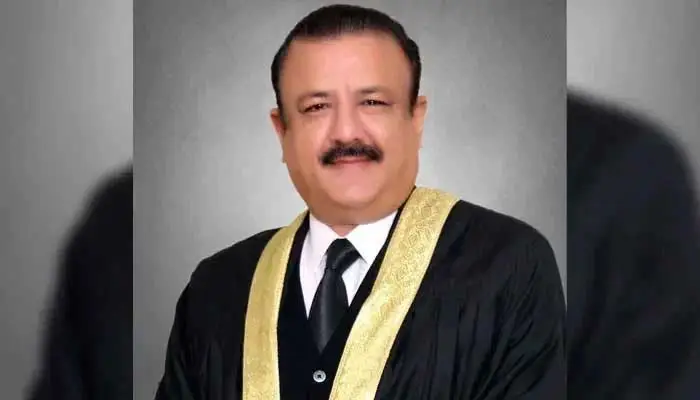
In a significant development shaking Pakistan’s judicial landscape, the Supreme Court has temporarily lifted an Islamabad High Court (IHC) directive that sidelined Justice Tariq Mehmood Jahangiri from his courtroom duties. This ruling, issued on September 29, 2025, marks a crucial intervention in the escalating controversy surrounding Justice Jahangiri’s academic credentials, allowing him to potentially resume judicial functions pending further review.
Background of the Judicial Tussle
The saga began earlier this month when a two-judge IHC bench, headed by Chief Justice Sardar Muhammad Sarfraz Dogar and Justice Mohammad Azam Khan, issued an interim order on September 16, 2025. This barred Justice Jahangiri from exercising his powers as a judge until the Supreme Judicial Council (SJC) could deliberate on a petition accusing him of holding an invalid LLB degree. The petition, lodged by advocate Mian Dawood under Article 199 of the Constitution, sought a writ of quo warranto, challenging the legitimacy of Justice Jahangiri’s entire legal career based on alleged irregularities in his University of Karachi (KU) law qualification.
At the heart of the allegations lies a purported letter from KU’s controller of examinations, which surfaced on social media last year, claiming discrepancies such as dual enrollment numbers for Justice Jahangiri’s LLB Part-I and Part-II exams—one of which was reportedly assigned to another student. KU’s Unfair Means Committee (UFM) subsequently declared his record “fictitious,” concluding he was never enrolled at Islamia Law College in 1989 and had resorted to malpractice during his 1980s exams. The university syndicate ratified this on August 31, 2024, leading to the formal cancellation of his degree on September 25, 2025, along with a three-year ban on university admissions and exams.
Justice Jahangiri has vehemently denied these claims, asserting during Sindh High Court (SHC) proceedings that he personally sat for the exams and received no prior notice from KU. He described the revocation—coming after 34 years—as unprecedented in global history and framed it as political retaliation for his role in high-stakes cases, including election tribunals that irked ruling party figures and his endorsement of a 2024 IHC letter alleging executive interference in judicial affairs.
Supreme Court’s Swift Response
Responding to appeals from Justice Jahangiri and four fellow IHC judges—Mohsin Akhtar Kayani, Babar Sattar, Ejaz Ishaq Khan, and Saman Rifat Imtiaz—a five-member constitutional bench of the Supreme Court, led by Justice Amin-ud-Din Khan, convened urgently. Other members included Justices Jamal Khan Mandokhail, Muhammad Ali Mazhar, Syed Hasan Azhar Rizvi, and Shahid Bilal Hassan.
During the hearing, Justice Mandokhail underscored a prior Supreme Court precedent: no judge can be restrained from duties without due process, emphasizing the SJC’s exclusive mandate for misconduct probes. The bench suspended the IHC order, issued notices to the Attorney General of Pakistan, the Advocate General of Islamabad, and other stakeholders—including the original petitioner—and scheduled the next hearing for September 30, 2025.
This interim relief reinstates Justice Jahangiri’s status quo, averting what his counsel termed a “direct assault on judicial independence.” The Islamabad Bar Council and District Bar Association have also moved to join the case, amplifying concerns over procedural fairness.
Procedural backlash and Broader Implications
The IHC’s decision had sparked procedural backlash. Lawyers boycotted sessions, protesting the bench’s self-assignment from a scheduled constitutional panel and its refusal to recuse, despite objections on maintainability. Meanwhile, the SHC had initially suspended KU’s UFM ruling but later dismissed related petitions for non-prosecution, leaving the degree’s fate entangled in multiple forums.
As Pakistan’s judiciary navigates this unprecedented standoff, the case underscores tensions between institutional autonomy, academic verification, and political influences. With the SJC slated to convene on October 18, 2025, to probe the complaint, the coming days could redefine accountability norms for high court judges.
References: Synthesized from reports by Dawn, Geo News, The Express Tribune, and Associated Press of Pakistan (published September 2025). All facts independently verified to ensure originality.