BREAKING NEWS
Advertise with us >

Gold prices continue sharp decline in Pakistan

Gold prices

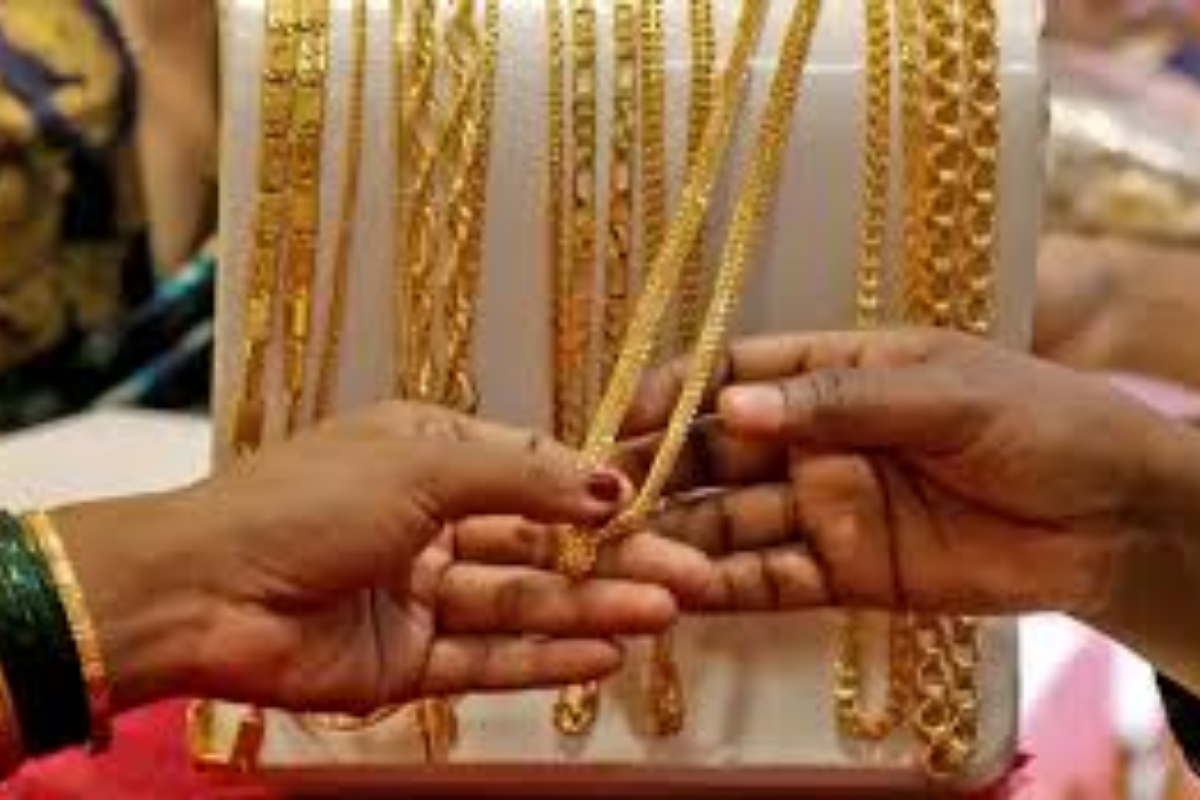
KARACHI: The downward trend in gold prices in Pakistan continued on the first day of the business week, with a massive reduction of thousands of rupees recorded once again.

According to the All Pakistan Gems and Jewellers Association, the price of gold fell by Rs21,500 per tola on Monday, bringing the new rate to Rs490,362 per tola.

Similarly, the price of 10 grams of gold declined by Rs18,433, settling at Rs420,406.

It is noteworthy that over the past three days, gold prices have dropped by a cumulative Rs82,500 per tola, marking one of the steepest short-term declines in recent times.

Meanwhile, in the international market, gold prices fell by $215 to $4,676 per ounce, which also contributed to the sharp correction in local prices.

Gold prices record biggest drop in Pakistan’s history

Gold prices

KARACHI: The largest decline in gold prices in the country’s history has been recorded, bringing significant relief to buyers.

According to the All Pakistan Gems and Jewellers Association, the price of gold per tola has dropped by Rs 35,500, after which the new rate stands at Rs 537,362 per tola.

Similarly, the price of 10 grams of gold has decreased by Rs 30,435, bringing it down to Rs 460,701.

In the international market, gold prices have also witnessed a sharp fall, declining by $355 to $5,150 per ounce.

It is noteworthy that during the previous two days, gold prices had surged by more than Rs 42,000, making the current decline the steepest single-day drop in Pakistan’s gold market history.

PM Shehbaz announces reduced electricity rates for industries

PM Shehbaz

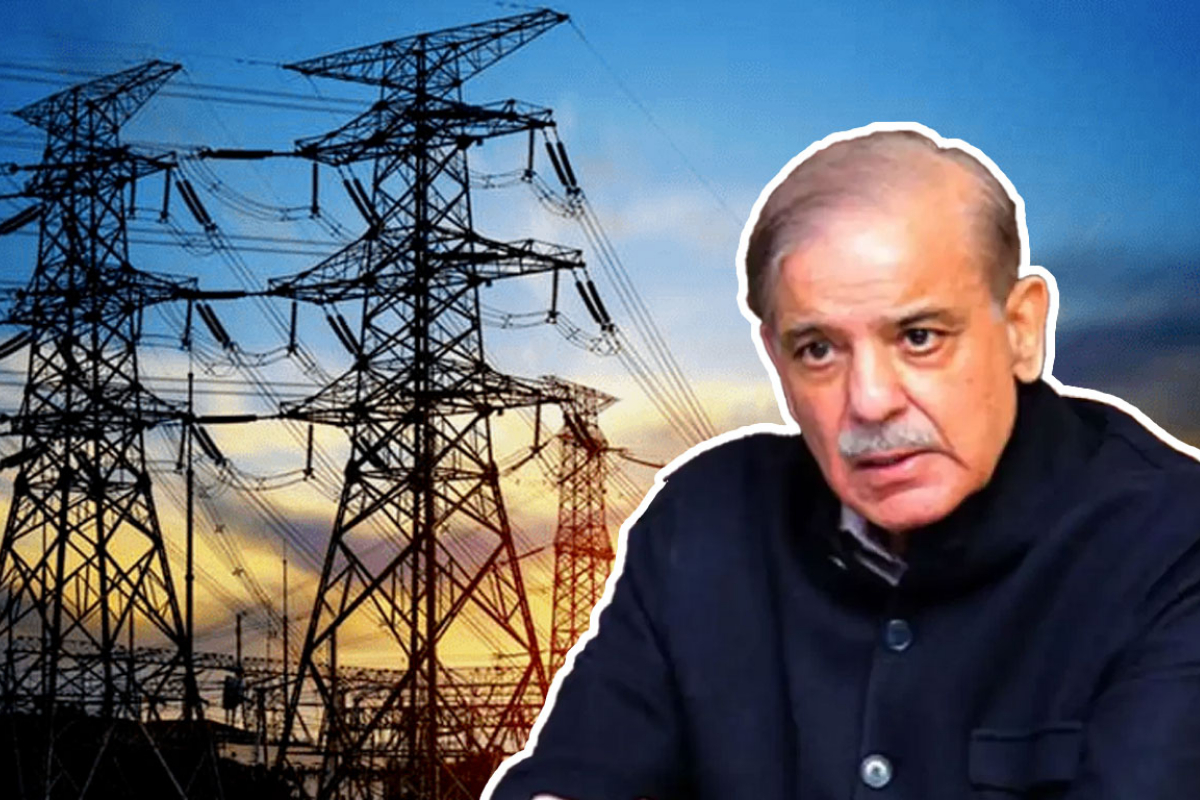
ISLAMABAD: Prime Minister Shehbaz Sharif has announced a reduction in electricity prices for industrial units, aiming to provide relief to the business community and boost production.

Addressing a ceremony held in Islamabad in honor of the country’s leading exporters and business leaders, the Prime Minister stated that electricity rates for industries will be lowered by Rs 4.04 per unit.

He emphasized that the government’s role is not to run businesses but to create a conducive environment for industrial and commercial activities.

Shahbaz Sharif highlighted that economic stability cannot be achieved without industrial growth, and that the government is taking measures to facilitate industrialists and investors.

“The country must now move towards growth, and the proposals of the business community will be given due consideration,” he added.

The Prime Minister referred to traders and industrialists as the backbone of the economy and stressed that their experience will be used to formulate better economic policies.

He further assured that consultation with the business community will be ensured when drafting economic policies so that decisions are aligned with ground realities.

Shahbaz Sharif also noted that cooperation between political and military leadership has opened new avenues for national development. All institutions are aligned, and the positive impact of this coordination is now visible on the economy and business environment.

Concluding his address, the Prime Minister pledged that the government will continue to take practical steps to resolve industrial challenges, with the reduction in electricity prices being a part of this ongoing effort to stabilize the industrial sector and strengthen the national economy.

Pakistan Stock market plunges sharply, loses six psychological levels

Pakistan Stock market

KARACHI: Trading at the Pakistan Stock Exchange(PSX) ended on a sharply negative note as the market witnessed heavy selling pressure, resulting in the loss of six key psychological levels.

At the close of business, the benchmark KSE-100 Index plunged by 6,042 points to settle at 182,338 points, compared to the previous day’s closing of 188,380 points.

During the session, the index touched an intraday high of 188,923 points, while the lowest level recorded was 181,961 points, reflecting extreme volatility.

Market activity remained robust as shares worth Rs52 billion were traded, with a total volume of 410 million shares exchanged during the day.

Selling pressure was mainly observed in fertilizer, commercial banking, oil and gas, cement, and power generation sectors.

According to market experts, the sharp decline was largely driven by profit-taking, which pushed the market into a steep downward trend.

Gold and Silver prices hit record highs amid geopolitical tensions

Gold and Silver

KARACHI: Global and local gold and silver prices have surged to all-time highs amid rising geopolitical tensions in the Middle East and uncertainty in international markets.

The recent escalation between European Union countries and the United States, coupled with the deployment of a US aircraft carrier to the region and Iran’s military exercises near the Strait of Hormuz, has created a climate of uncertainty, driving both international and domestic precious metals markets to new record levels.

In the international bullion market, gold prices jumped $211 per ounce, reaching a new high of $5,293 per ounce.

This surge was reflected in Pakistan’s local markets, where per tola 24-carat gold soared by Rs 21,100, reaching Rs 551,662 — the highest in the country’s history for a single trading day.

Similarly, 10 grams of gold climbed by Rs 18,090, reaching Rs 472,961.

Silver prices also reached historic levels. In the global market, silver rose $2.36 per ounce, reaching $114.27, while in local markets, per tola silver increased by Rs 271 to Rs 11,911, and 10 grams of silver rose by Rs 232 to Rs 10,211.

Analysts attribute the surge to a combination of factors, including the de-dollarization trend, which has pushed the US dollar to a four-year low, and growing demand for gold as a safe-haven asset amid geopolitical uncertainties.

Central banks worldwide are also increasing purchases of physical gold, further supporting the upward trend.

As a result, gold and silver prices continue to reach historic levels on a daily basis, reflecting both global and domestic market dynamics.

Foreign direct investment drops 43.3% in July–Dec FY2026

Foreign direct investmen

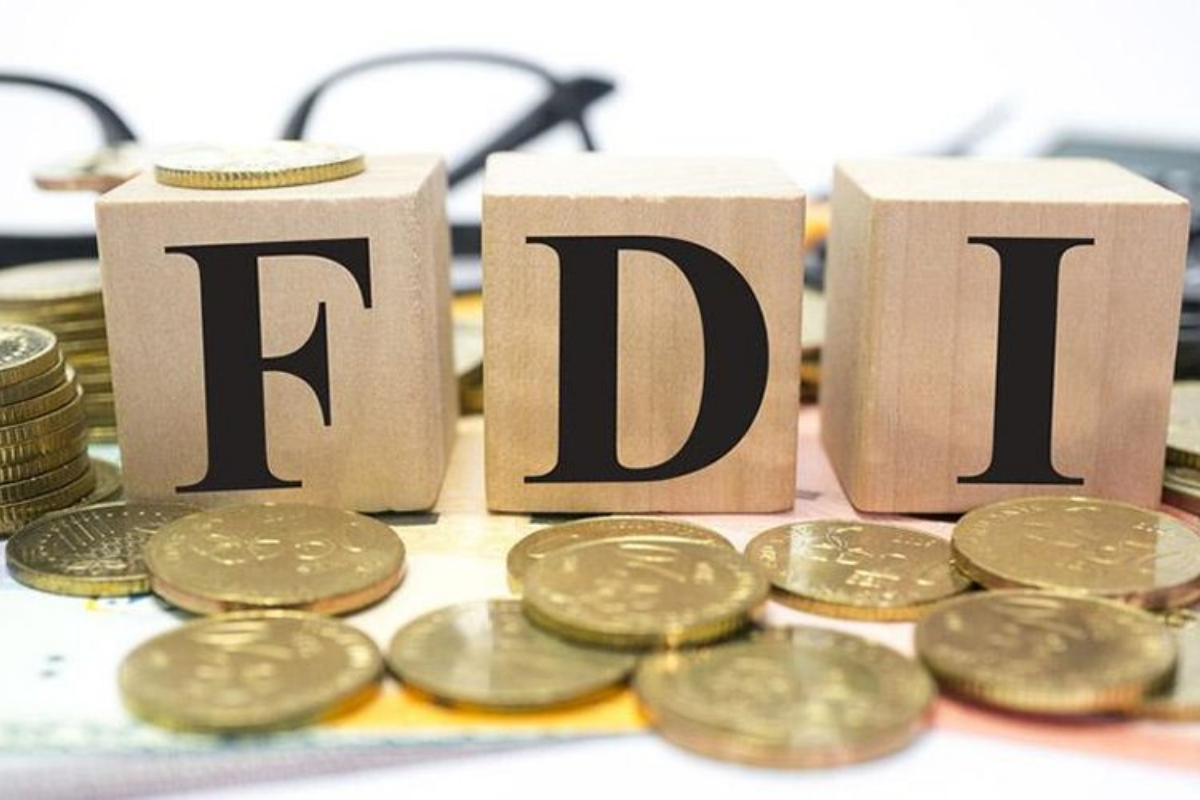
ISLAMABAD: Pakistan witnessed a sharp decline of 43.3 percent in foreign direct investment (FDI) during the first half of the current fiscal year, from July to December 2025, while the country’s exports also fell by 5 percent to $15.5 billion.

According to the Finance Ministry’s Economic Outlook Report, total FDI during the six-month period stood at $810 million. Meanwhile, imports surged by 12.3 percent, crossing $31 billion.

The report stated that workers’ remittances increased by 10 percent to $19.73 billion during the same period, while the current account deficit was recorded at $1.17 billion.

The exchange rate showed slight depreciation, with the dollar rising from Rs 278.7 to Rs 279.9. However, large-scale manufacturing (LSM) output posted a 6 percent growth during the first five months of the fiscal year.

The Finance Ministry reported a primary surplus of Rs 3,651 billion, reflecting improved fiscal discipline.

According to the outlook, Federal Board of Revenue (FBR) collections increased by 9.5 percent to Rs 6,160 billion, while non-tax revenue rose by 4.8 percent to Rs 3,581 billion.

The report further noted that State Bank of Pakistan’s foreign exchange reserves increased to $16.1 billion.

 It added that overall economic stability remained intact during the first half of FY2026, with expectations of sustained economic momentum in the ongoing fiscal year.

The Finance Ministry said improved fiscal management helped support macroeconomic stability. Inflation is expected to remain between 5 and 6 percent in the current month, while price pressures remain under control and LSM growth has shown noticeable improvement.

The report also highlighted that foreign exchange reserves remain strong, the rupee has stayed stable, and the Pakistan Stock Exchange has witnessed a strong rally, ranking among the best-performing markets globally.

Strong buying pushes PSX back into high gear

Strong buying pushes

KARACHI: The Pakistan Stock Exchange (PSX) recorded a robust performance during the outgoing week, with the benchmark KSE-100 Index gaining 4,068 points.

During the five-day trading period, the index rose from 185,098 points to close at 189,166 points, reflecting renewed investor confidence. The market successfully regained four key psychological levels over the week.

Trading activity remained mixed, as the market witnessed declines on two days and gains on three days.

During the week, the KSE-100 Index touched a high of 189,566 points, while the lowest level was recorded at 186,127 points.

Over the five trading sessions, market capitalization increased by Rs244 billion, taking the total market cap to Rs21,219 billion.

Market experts attributed the positive trend to expectations of a cut in the monetary policy rate, which encouraged fresh investment. They added that buying interest in undervalued stocks by investors further supported market capitalization growth.

Record-breaking surge pushes gold prices above Rs500,000

Record-breaking surge

KARACHI: Gold prices once again surged to historic highs in both international and domestic markets.

In the global bullion market, the price of gold jumped by a massive $127 per ounce, pushing the new all-time high to $4,840 per ounce.

Similarly, in local bullion markets, the price of 24-karat gold per tola rose sharply by Rs12,700, reaching a record level of Rs506,362 for the first time. Meanwhile, the price of 10 grams of gold increased by Rs10,888 to Rs434,123.

Silver prices in the country also witnessed an upward trend, with the per tola rate rising by Rs64 to reach a new historic high of Rs9,933.

Relief for consumers as fuel prices remain stable

Relief for consumer

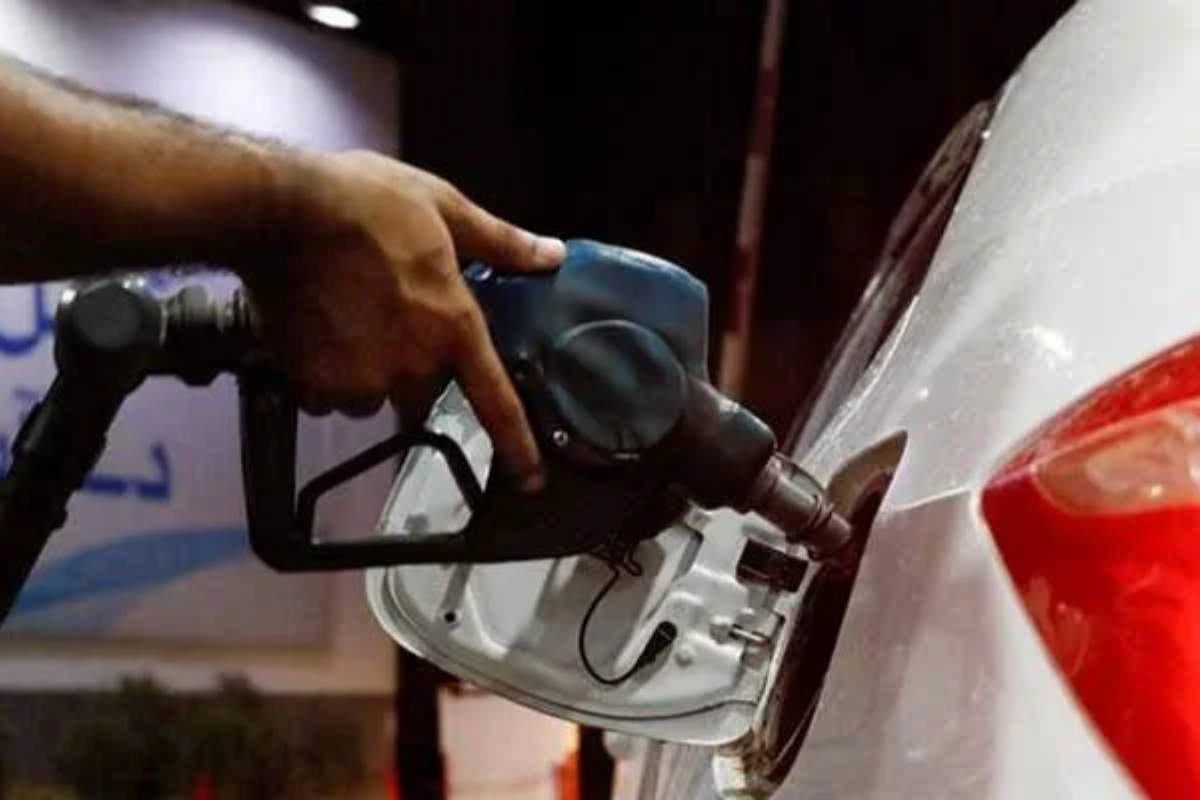
ISLAMABAD: The federal government has decided to maintain existing prices of petrol and diesel, providing relief to consumers amid ongoing economic pressures.

The Petroleum Division has issued an official notification confirming that there will be no change in fuel prices.

According to the notification, the price of petrol will remain fixed at Rs253.17 per litre, while the price of high-speed diesel will continue at Rs257.08 per litre.

The decision to keep fuel prices unchanged comes as part of the government’s broader efforts to ensure price stability and manage inflationary pressures in the country.

Earlier, the government has announced a significant cut in petroleum product prices, offering relief to consumers.

According to a notification issued by the Petroleum Division, the price of petrol has been reduced by Rs10.28 per litre, bringing the new petrol price to Rs253.17 per litre.

The notification further stated that the price of diesel has been lowered by Rs8.57 per litre, with the new diesel price fixed at Rs257.08 per litre.

The revised prices will come into effect from January 1, offering financial relief amid rising living costs.

PSX sees bullish week with major sector gains

PSX sees bullish

KARACHI: The Pakistan Stock Exchange (PSX) witnessed a remarkable week of bullish activity, reaching new record highs across major indices.

During the week, the KSE-100 Index surged by 5,375 points, climbing from 179,034 at the start of the week to 184,409 at closing. The index traded at a week-high of 187,015 points and a week-low of 179,535 points.

Market analysts noted that five key psychological levels were restored over the week, with three days of gains and two days of minor declines.

The market capitalization also saw a significant boost, rising by PKR 555 billion over the five-day trading period to reach PKR 20,768 billion.

Experts attributed the bullish trend to institutional investments and expectations of a potential reduction in the policy rate. Strong performances were seen in banking, energy, cement, and fertilizer sectors, among other key industries.

Daily turnover reached nearly PKR 85 billion, marking the highest levels in two decades, highlighting investor confidence and market momentum.

The PSX’s performance reflects renewed optimism among investors, signaling a positive outlook for Pakistan’s equity markets in the near term.