NEW YORK: James Watson, the renowned American scientist who won the Nobel Prize for his groundbreaking work on the structure of DNA, has passed away at the age of 97 after a prolonged illness, U.S. media reported.
His death was confirmed by a spokesperson for the Cold Spring Harbor Laboratory, where Watson spent much of his scientific career.
Before his passing, Watson said in an interview that he had hoped to accomplish more in life, adding that his lifelong mission was “the pursuit of truth,” which he described as his ultimate purpose.
Watson was awarded the Nobel Prize in 1962, sharing the honor with Francis Crick and Maurice Wilkins for the discovery of the double-helix structure of DNA in 1953.
Their findings, first published in the journal Nature, are considered a monumental breakthrough in molecular biology, shaping modern scientific understanding of genetic material.
From mindfulness apps to sleep tourism, wellness is no longer just a habit — it’s a trillion-dollar movement transforming how the world works, travels, and lives.
The Business of Feeling Better
In 2025, the global wellness economy is valued at over $8.5 trillion, according to the Global Wellness Institute. What started as a niche market of yoga retreats and spa products has evolved into a lifestyle revolution — merging health, technology, travel, and productivity.
Across Asia, the Middle East, and Europe, consumers are spending more on mental health, fitness tech, holistic medicine, and mindful living than ever before. The message is universal: people are tired of burnout.
“Wellness is the new wealth,” says Dr. Leena Arora, a behavioral scientist based in Singapore. “The future consumer isn’t chasing status — they’re chasing peace.”
Tech-Enabled Calm
Technology, once blamed for stress, is now a key driver of wellness. AI-powered meditation tools like CalmMind AI, wearable stress trackers, and sleep-optimization apps have turned mental health into a daily routine.
In Pakistan, startups such as MindEase and HappiFi are launching AI-based therapy platforms, offering affordable counseling in Urdu and English. Globally, digital detox retreats are booming — offering phone-free weekends for professionals seeking real connection.
Travel Meets Wellness
“Transformational travel” is now one of the fastest-growing global tourism segments. Instead of sightseeing, travelers are booking eco-retreats, silent meditation camps, and yoga-infused safaris.
Destinations like Bali, Bhutan, Hunza, and Cappadocia are becoming sanctuaries for self-care. Pakistan’s northern valleys are attracting wellness tourists seeking high-altitude healing, traditional herbal remedies, and digital silence.
Travel companies are partnering with mental-health experts and nutritionists to curate itineraries designed to restore, not exhaust.
Corporate Wellness Goes Mainstream
Global corporations are realizing that burnout is expensive. Companies in Japan, the U.K., and the UAE now offer mental-health stipends, mindfulness breaks, and flexible schedules.
The four-day workweek trend (covered earlier by Future Soch) is part of this same movement — employees perform better when they’re balanced. In Pakistan, major firms like Engro, Jazz, and Unilever have begun investing in corporate wellness programs, counseling hotlines, and hybrid work policies.
Mindful Consumption
The 2025 consumer wants authenticity. Organic skincare, clean nutrition, and ethical products are replacing fast trends. Wellness is not just about yoga mats — it’s about values.
Gen Z, especially, is driving this shift. They prefer brands that care about the planet, mental health, and inclusivity. Hashtags like #SlowLiving, #SelfCareSunday, and #WellnessAtWork dominate global social feeds, reflecting a shared pursuit of balance in a noisy world.
The Future: From Wellness to Wholeness
Wellness in 2025 is no longer luxury — it’s survival. As mental-health awareness spreads and technology integrates into lifestyle choices, the wellness economy is set to define the next decade.
Whether through mindful travel, AI therapy, or community fitness, the world is collectively realizing one truth: a healthy mind is the foundation of every future.
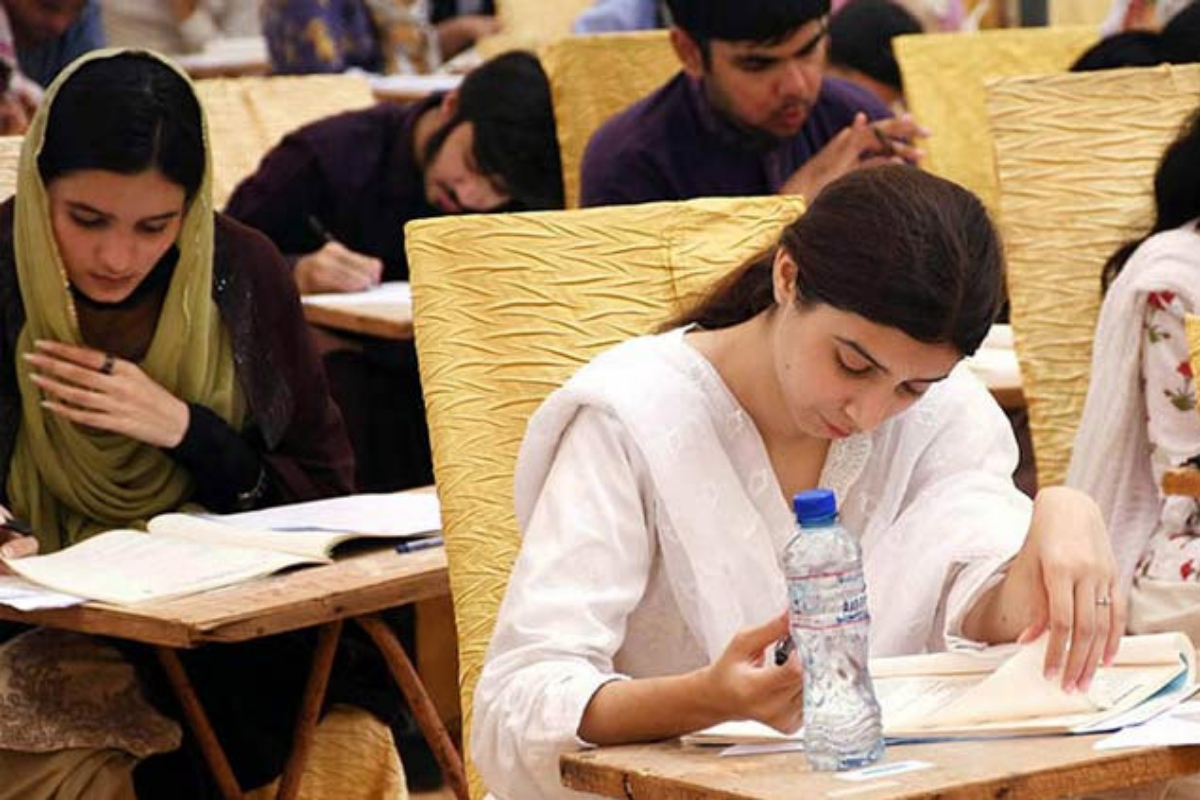
KARACHI: The final results of the Medical and Dental College Admission Test (MDCAT) have been officially announced, marking the conclusion of this year’s admissions process for government medical and dental colleges across Sindh.
According to the CEO of STS, the provisional results have been declared final, as no errors were found during the verification process.
This year, a total of 32,424 candidates appeared in the MDCAT examination. The passing criteria were set at 55% marks for MBBS and 50% marks for BDS programs.
Students from Karachi outperformed candidates from other districts, securing the top positions. Across Sindh, 14,300 candidates obtained 55% marks or above, while 17,123 candidates scored 50% or higher.
In the IBA Sukkur-conducted MDCAT 2025, Karachi students dominated the merit list, claiming the top three positions.
Among the top 124 candidates, 41 belonged to Karachi, reflecting the city’s strong academic performance in this year’s medical entrance test.
LAHORE: Excessive use of mobile phones is leading to a surge in cases of myopia (short-sightedness) among young children, experts revealed during a seminar organized by the Department of Pediatric Ophthalmology at Mughal Eye Trust Hospital.
Head of Pediatric Ophthalmology, Professor Seema Qayyum, said prolonged screen exposure alters the structure of the eye, as children often stare at mobile screens without blinking and frequently rub their eyes.
She warned that even very young children are now developing high levels of myopia, with some requiring corrective lenses ranging from –7 to –10 diopters.
According to Professor Qayyum, around 40% of children under the age of 10 are already affected by myopia, with cases projected to rise by up to 14% annually if preventive measures are not taken.
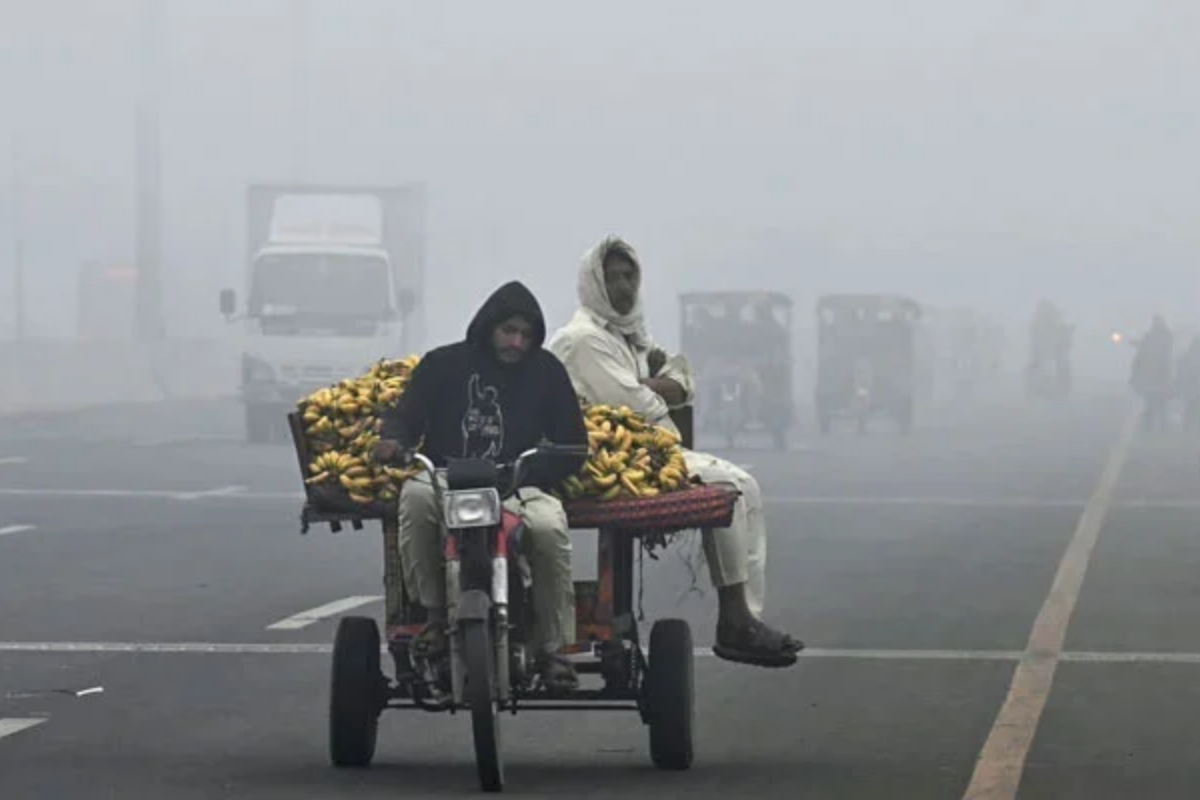
LAHORE: The Lahore city once again topped the list of the world’s most polluted cities on Wednesday, as thick smog blanketed Punjab and the city’s overall Air Quality Index (AQI) climbed to a hazardous 462.
According to real-time monitoring data, Sandha Road recorded an alarming AQI of 941, followed by Cantonment at 690, Iqbal Town at 639, and Burki Road at 616 — placing the provincial capital under severe smog conditions.
The situation was similarly dire in other major cities. Multan’s AQI hit 507, Faisalabad 712, Gujranwala 287, and Peshawar 219, all indicating unhealthy to extremely hazardous air quality.
Medical experts have urged citizens to avoid unnecessary outdoor activities, wear protective masks, and keep windows closed, warning that prolonged exposure to the polluted air could trigger respiratory and cardiac complications, particularly among children and the elderly.
Authorities said the Lahore Waste Management Company (LWMC) has mobilized its 16 mechanical washers and 50 washing rickshaws as part of the ongoing anti-smog operation. Around 200 sanitation workers have been deployed in the day shift and another 200 at night, carrying out washing and water sprinkling on over 300 kilometers of roads daily.
The Environmental Protection Agency (EPA) confirmed that water sprinkling is being carried out twice a day across 47 major roads, including Jail Road, Main Boulevard Gulberg, Noor Jahan Road, MM Alam Road, GT Road, Band Road, Ravi Road, Shahdara, Saggian, Nazaria Pakistan Avenue, Raiwind Road, and Ferozepur Road, among other high-AQI areas.
In the night shift, mechanical washing and water sprinkling are being ensured at all entry and exit points of Lahore, in a bid to suppress dust and particulate matter contributing to smog formation.
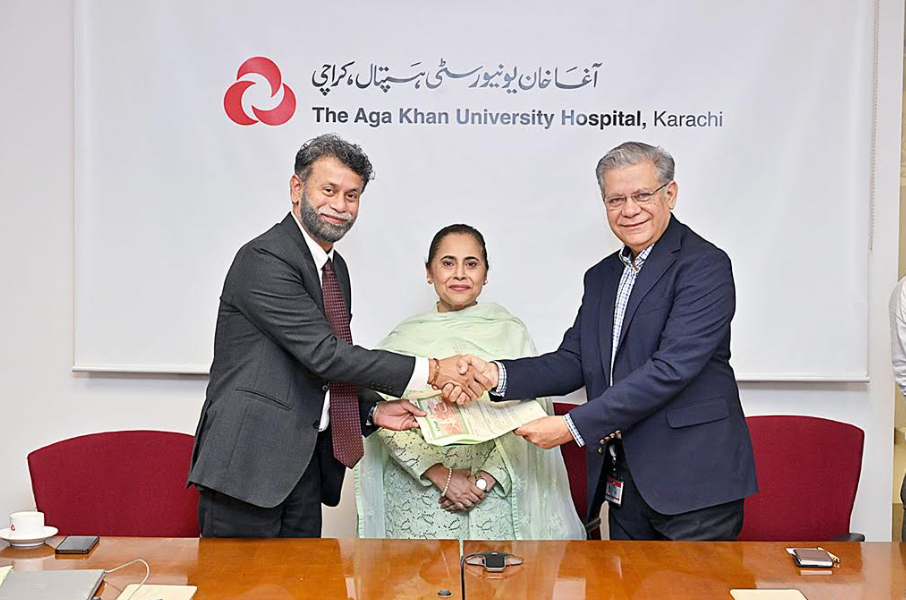
Karachi, October 28, 2025 – Jubilee General Insurance has partnered with Aga Khan University Hospital (AKUH) to introduce the Jubilee General Discount Card, offering policyholders enhanced access to affordable healthcare services.
The collaboration was formalized today via a Memorandum of Understanding (MoU) signing in Karachi. Signatories included Azfar Arshad, Managing Director and CEO of Jubilee General Insurance, and Dr. Farhat Abbas, CEO of AKUH Pakistan. Attendees also featured Shagufta Hassan, Global VP of Finance and CFO at Aga Khan University, and Nadeem Irshad, Chief Sales Officer at Jubilee General Insurance.
Eligible customers gain a 12% discount on select outpatient services at AKUH sites, covering lab tests, radiology, and medicines. This move extends Jubilee General’s value proposition beyond core insurance, prioritizing customer wellness.
“This tie-up embodies our ethos of delivering care that transforms lives,” stated Mr. Arshad. “Pairing our protection expertise with AKUH’s excellence makes top-tier healthcare more attainable.”
Dr. Abbas added: “We’re thrilled to team with Jubilee General for this accessible care initiative. It furthers our goal of nationwide health equity through trusted services.”
As Pakistan’s leading non-life insurer, Jubilee General drives innovation in digital and customer-centric solutions. AKUH, part of the Aga Khan Development Network, upholds global standards in medical care.
Amid escalating healthcare expenses, this alliance bolsters financial and health security for families.
Lahore, the provincial capital of Punjab, remained the world’s most polluted city on Tuesday, as real-time data from global air quality monitor IQAir showed dangerously high pollution levels across the metropolis.
At 8 a.m., Lahore’s Air Quality Index (AQI) was recorded at 410, placing it in the “hazardous” category, while the city’s average level stood at 329 later in the day.
Among the most affected localities were Sanda Road (767 AQI), Township (758), Model Town (574), Allama Iqbal Town (511), and Gulberg III (390).
Air pollution also persisted across other cities of Punjab, with Faisalabad recording a particulate matter (PM2.5) level of 622, Multan 485, and Bahawalpur 255, according to environmental reports.
As per IQAir’s latest index, New Delhi ranked second, Dhaka third, and Kolkata fourth among the world’s most polluted cities. Karachi stood fifth with an AQI of 165.
Experts warned that low wind speed and falling temperatures are trapping pollutants close to the ground, intensifying smog and reducing visibility—particularly during late night, early morning, and evening hours. They added that the air may improve slightly between 1 p.m. and 6 p.m. when higher temperatures and wind movement help disperse pollutants.
Medical experts have urged citizens to wear protective masks and avoid unnecessary outdoor activities, especially children, the elderly, and individuals with respiratory or heart conditions.
Punjab’s Senior Minister Maryam Aurangzeb advised residents to use masks whenever outdoor movement is unavoidable to reduce exposure to toxic air.
In response to worsening conditions, the Lahore Waste Management Company (LWMC) deployed 16 mechanical washers and 50 washer rickshaws as part of its anti-smog operation.
More than 400 sanitation workers have been assigned for day and night shifts, washing and sprinkling water on over 300 kilometers of major roads daily.
According to the Environmental Protection Agency (EPA), 47 main roads—including Jail Road, Main Boulevard Gulberg, Noor Jehan Road, MM Alam Road, GT Road, Bund Road, and Ferozepur Road—are being washed twice daily to suppress dust and reduce airborne particulates.
In the past 24 hours, authorities registered 14 FIRs, imposed ₨1 million in fines on 115 violators, and issued 53 warnings across Lahore and other districts.
Violations included crop residue burning (13 cases), emission from smoke-producing vehicles (86), illegal industrial operations (5), and brick kiln violations (10).
Cumulatively, during the ongoing smog season, police have filed 1,642 cases, arrested 1,571 offenders, imposed fines exceeding ₨150 million, and issued over 15,000 warnings.
Officials reported 500 crop-burning cases, 55,763 vehicle violations, 1,599 industrial violations, and 3,185 brick kiln breaches across Punjab.
KARACHI: The city administration has sealed seven more milk shops for selling chemically adulterated milk, raising the total number of shops sealed to 27 as part of the ongoing crackdown against unsafe dairy sales.
According to a statement issued by the Commissioner Karachi’s office, the campaign against adulterated milk continues across the city. On Tuesday, three shops in District South, three in East, and one in Malir were sealed after samples tested positive for harmful chemical substances.
A spokesperson for the Commissioner’s Office said that within just two days, 27 milk shops have been sealed across Karachi for selling substandard or adulterated milk.
The decision was reviewed during a meeting chaired by Commissioner Karachi Hassan Naqvi, attended by the Director General of the Sindh Food Authority and other senior officials. It was decided that milk quality inspections and anti-adulteration drives will continue in all districts.
Commissioner Naqvi stated that sealed milk shops will not be reopened without heavy fines, and owners will be required to submit written assurances guaranteeing the sale of pure and safe milk in the future.
KARACHI: Another alarming incident of school transport safety emerged in Karachi on Monday as a van caught fire in Nazimabad, leaving six children injured.
According to rescue officials, the fire erupted after the vehicle overheated, engulfing the van while it was transporting students. The incident occurred at around 7:30 a.m., leaving six children with burn injuries.
Rescue teams immediately arrived at the scene and shifted the injured children to Abbasi Shaheed Hospital(ASH) Karachi for medical treatment.
Police officials, however, stated that they were not formally informed about the incident. Local residents reportedly acted on their own and extinguished the fire before emergency services arrived.
Authorities are investigating the cause of the fire and whether the van met safety standards for school transport.
LAHORE: The Lahore continues to battle intense smog as air pollution in the city climbs to hazardous levels, raising serious health concerns among residents.
According to the Punjab Environment Protection Department’s website, Lahore’s Air Quality Index (AQI) has climbed to 358, while Gujranwala recorded a hazardous 500 and Sargodha stood at 347.
Official data shows that Faisalabad’s AQI was recorded at 306, Multan’s at 304, and Dera Ghazi Khan’s at 244.
Among Lahore’s most polluted areas, Multan Road topped the list with an AQI of 500, followed by GT Road (500), Shahdara (391), and Safari Park (377). The AQI at Kahna and Punjab University was recorded at 335 each.