BREAKING NEWS
Advertise with us >

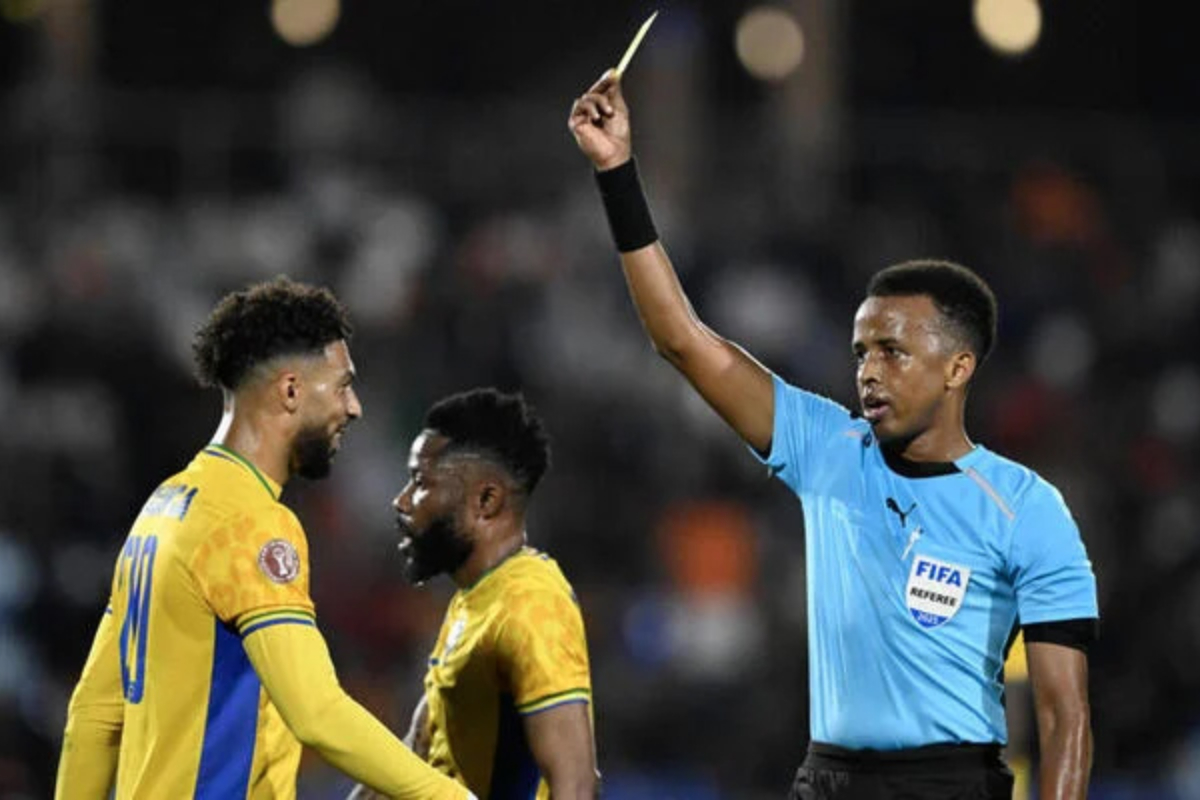
FIFA-selected referee denied entry to US ahead of 2026 World Cup

FIFA-selected

MIAMI: A Somali referee selected by FIFA for the upcoming Football World Cup was denied entry into the United States upon arrival at Miami International Airport and was sent back on a return flight, according to media reports.

Omar Abdulkadir Artan, who was named Africa’s Best Referee of 2025, was reportedly refused entry by U.S. immigration authorities after arriving in Miami. Officials subsequently placed him on a flight back to Türkiye.

Reports said the Somali Embassy had provided Artan with a diplomatic passport before his trip to the United States.

Neither FIFA nor U.S. authorities immediately provided details regarding the reasons for the denial of entry.

The FIFA World Cup is scheduled to begin on June 12 and will be jointly hosted by the United States, Mexico and Canada.

The expanded tournament will feature 48 teams for the first time in World Cup history. The participating nations have been divided into 12 groups of four teams each, with a total of 104 matches set to be played during the competition.

Shaheen Afridi not included in Pakistan Test squad

Shaheen Afridi

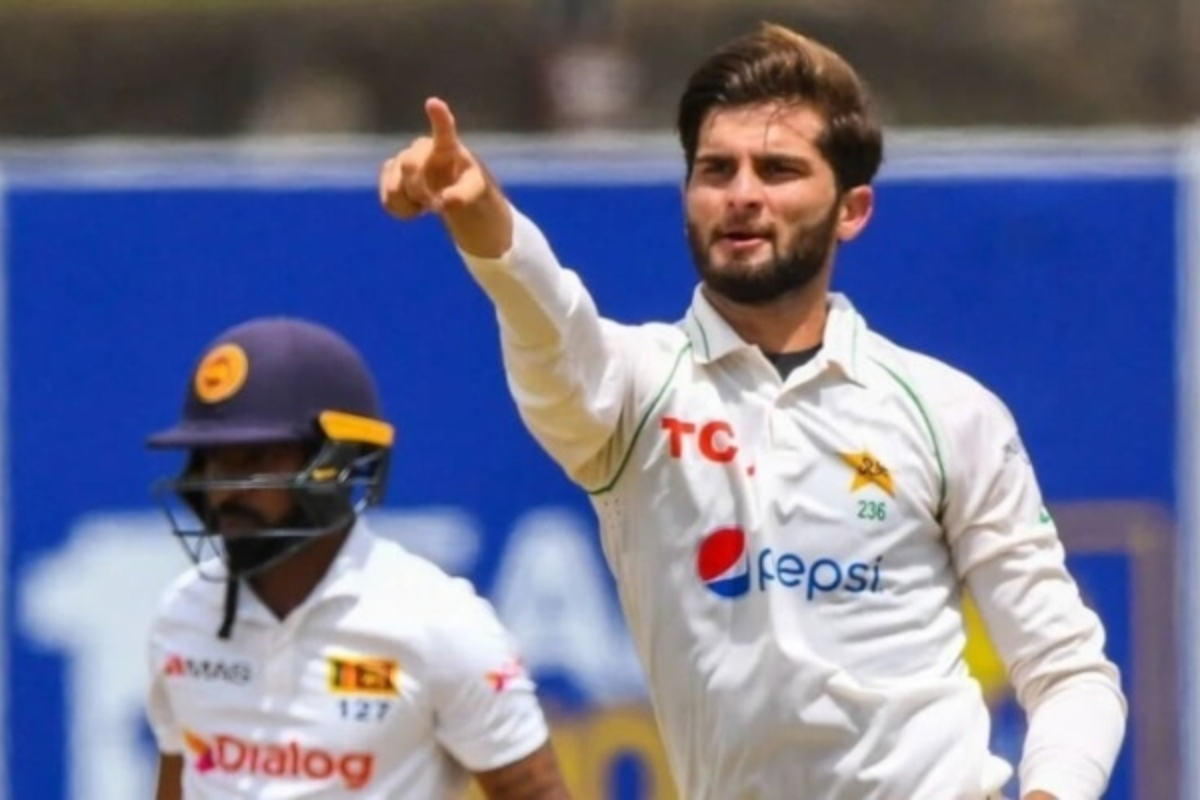
LAHORE: Pakistan’s ODI captain Shaheen Shah Afridi has not been included in the national Test squad setup, as the Pakistan Cricket Board (PCB) continues to restructure its selection strategy, according to media reports.

The PCB has reportedly invited 49 players to a training camp in Lahore, with 22 players selected for the red-ball (Test) group and 27 players named for the white-ball (ODI and T20) camp.

Officials said the white-ball camp is scheduled to begin on Sept. 18, while the red-ball training camp is expected to continue until July 10. The camp for Pakistan’s upcoming West Indies tour is likely to start from July 15.

According to sources, Shaheen, who currently leads Pakistan’s ODI side, has been placed only in the white-ball group and is expected to report for training on June 15.

PCB insiders said the decision reflects a strategic focus on workload management and format specialization, with selectors reportedly excluding him from the Test setup.

Shaheen, 26, made his Test debut in December 2017 against New Zealand in Abu Dhabi and has since played 34 Tests, taking 126 wickets.

He last featured in Test cricket against Bangladesh in May 2026, where Pakistan suffered a 104-run defeat in Mirpur. Despite a strong bowling workload in the series, his pace reportedly came under scrutiny, with analysts noting a drop compared to his white-ball speeds.

Reports suggest concerns within the selection committee over his limited first-class cricket participation and its impact on red-ball performance.

The PCB has not issued an official statement confirming long-term exclusion, but sources indicate he is unlikely to be considered for future Test selections under the current planning model.

Azhar Ali criticises spin-friendly pitches after Pakistan’s ODI series win

Azhar Ali criticises

KARACHI: Former Pakistan captain Azhar Ali has criticized the preparation of spin-friendly pitches used during Pakistan’s ODI series against Australia, saying the surfaces made batting extremely difficult and prevented a fair assessment of players’ performances.

Speaking on the sports program Sports Room, Azhar said the series was challenging for batters not only against spin bowlers but also against the pace attack.

He noted that Australian fast bowler Ellis troubled batters by delivering off-cutters from a long run-up, making stroke play difficult even against the seamers.

“These pitches did not allow batters to score freely against either spin or pace,” Azhar said, adding that the surfaces limited scoring opportunities and made it hard to maintain a healthy strike rate.

The former skipper also defended young batters, including Moaz Sadaqat, saying the conditions were particularly tough for emerging players.

“If these had been batting-friendly wickets, we could have properly evaluated their performances,” he said. “Under such difficult conditions, it is unfair to be overly critical of the batters.”

Azhar further questioned Pakistan’s long-term preparation strategy, arguing that success in home series has often failed to translate into strong performances at major international tournaments.

“It doesn’t matter whether the opposition fields a full-strength side or a second-string team  you have to play whoever is in front of you,” he said. “But before World Cups, we often talk about our good rankings and strong form. Then, when the tournament begins, it feels as if other teams have brought their best players while we struggle to compete.”

He added that the trend has continued over several series, with Pakistan winning at home but failing to make a significant impact in major ICC events.

World Cup trophy’s true worth revealed ahead of 2026 tournament

World Cup

With only six days remaining before the start of the 2026 FIFA World Cup, attention is not only focused on the teams competing for football’s biggest prize but also on the iconic trophy that carries a value running into millions of dollars.

The tournament, jointly hosted by the United States, Canada and Mexico, will kick off on June 11 and will be the largest World Cup in history, featuring 48 teams and a total of 104 matches.

While the identity of the eventual champion will be decided on the final day of the competition, the FIFA World Cup Trophy itself remains one of the most valuable and recognizable prizes in global sports.

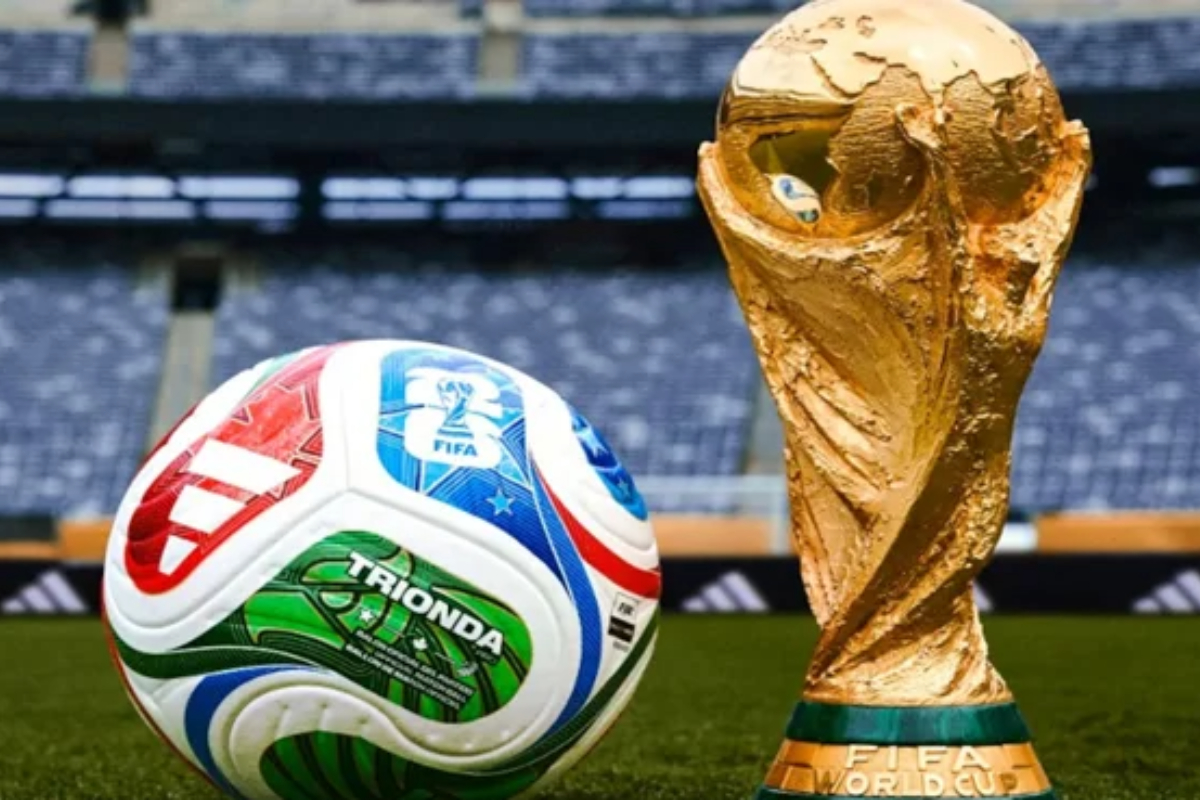
Standing 37 centimeters tall and weighing nearly six kilograms, the trophy is made from 18-carat gold. Based on current global gold prices, experts estimate its material value at around $250,000, equivalent to roughly Rs70 million.

The trophy’s design features two human figures holding up the Earth and was created in 1970 by renowned Italian sculptor Silvio Gazzaniga. Its base also includes two layers of malachite, a distinctive green mineral stone that adds to its unique appearance.

Sports memorabilia experts say that if the trophy were ever offered at auction, its historical significance, rarity and craftsmanship could push its value beyond $20 million.

Despite its immense worth, the original trophy is never permanently awarded to the winning nation.

Under FIFA regulations, the world champions receive a gold-plated bronze replica, while the original trophy remains in FIFA’s possession and is kept under strict security.

As the countdown to the 2026 FIFA World Cup continues, the famous golden trophy remains the ultimate symbol of football excellence and the dream prize for every team competing on the world stage.

Shark predicts winner of World Cup 2026 opening match

Shark predicts

 With just six days remaining until the start of the 2026 FIFA World Cup, a shark in Brazil has made an early prediction for the tournament’s opening match.

The World Cup, jointly hosted by the United States, Mexico and Canada, is set to kick off on June 11, featuring 48 teams competing for football’s biggest prize.

According to international media reports, a female shark named “Retenia,” housed at the Aquario aquarium in Rio de Janeiro, predicted a victory for Brazil in the tournament’s opening match against Morocco.

As part of a promotional event held on Wednesday, divers placed two boxes bearing the names of Brazil and Morocco on the floor of the aquarium. Retenia swam toward and selected the box marked with Brazil, signaling her prediction for the outcome of the match.

Reuters reported that the aquarium organized the activity as an interactive attraction designed to engage visitors and raise awareness about sharks.

Aquarium Chief Executive Marcelo Szpilman said the initiative aims to help change public perceptions about sharks and encourage greater understanding of the species.

He described the prediction event as a fun and highly interactive way to attract public interest while promoting marine conservation awareness.

While the prediction carries no scientific weight, it has added a lighthearted touch to the growing excitement surrounding the start of the 2026 FIFA World Cup.

World Cup 2026 could mark final global stage for football’s greatest stars

World Cup 2026

MIAMI: The 2026 FIFA World Cup is set to showcase the world’s top football talent, but it could also serve as a farewell tournament for some of the sport’s most celebrated stars.

Football legends including Cristiano Ronaldo, Lionel Messi, Neymar, Luka Modric, Mohamed Salah and several other veteran players are expected to make what could be their final appearances on the sport’s biggest stage when the tournament kicks off next year in the United States, Canada and Mexico.

The prospect of seeing some of football’s most iconic figures play their last World Cup has added another layer of excitement for fans around the world.

At 41, Portugal captain Cristiano Ronaldo is preparing for a record sixth World Cup appearance. The veteran forward scored 30 goals in 37 matches for Al Nassr this season and has netted 143 goals for Portugal. Despite his remarkable achievements, Ronaldo has yet to win a World Cup title and could become the first player to reach 150 international goals during the tournament.

Argentina’s Lionel Messi, 38, is also expected to compete in his sixth World Cup and lead the defending champions. Widely regarded as one of the greatest players in football history, Messi has faced injury concerns in recent months, but remains Argentina’s most influential player heading into the competition.

Croatia captain Luka Modric, who turns 40, is set for his fifth World Cup appearance. The midfield maestro guided Croatia to the 2018 World Cup final and helped the team secure third place in 2022. The upcoming tournament is widely expected to be his final World Cup campaign.

Brazilian star Neymar, now 34, recently returned to the national team after a lengthy absence and continues to recover from multiple injuries that have disrupted his career. While still one of Brazil’s most recognizable players, many observers believe 2026 could be his last World Cup appearance.

Germany’s Manuel Neuer is also expected to feature in what could be his final World Cup. The veteran goalkeeper, who helped Germany lift the trophy in 2014, has returned to international football and remains a key figure despite approaching his 40th birthday.

Egypt captain Mohamed Salah, one of Africa’s greatest footballers, is likely to make only his second World Cup appearance. The 33-year-old Liverpool star remains a central figure for his national team, though 2026 may represent his final opportunity to compete on football’s biggest stage.

Belgium playmaker Kevin De Bruyne, a cornerstone of the country’s “golden generation,” is expected to feature in his fourth World Cup. The midfielder, who turns 35 this year, continues to play a vital role for both club and country.

Netherlands captain Virgil van Dijk could also be making his final World Cup appearance. The experienced defender, who turns 35 next month, remains one of the Dutch team’s most important players despite entering the latter stages of his career.

Senegal star Sadio Mane, who missed the 2022 World Cup because of injury, is expected to return for what could be his final tournament. The 34-year-old winger has already hinted that recent international competitions may be among the last of his career.

Mexico goalkeeper Guillermo Ochoa is preparing for a record-equalling sixth World Cup appearance. The 41-year-old veteran has announced he intends to retire from international football after the tournament concludes.

The 2026 FIFA World Cup, jointly hosted by the United States, Canada and Mexico, is scheduled to begin on June 11 and promises not only a battle for football’s biggest prize but also a memorable farewell for some of the game’s greatest players.

Wasim Akram and others break silence on criticism over Hajj journey

Wasim Akram

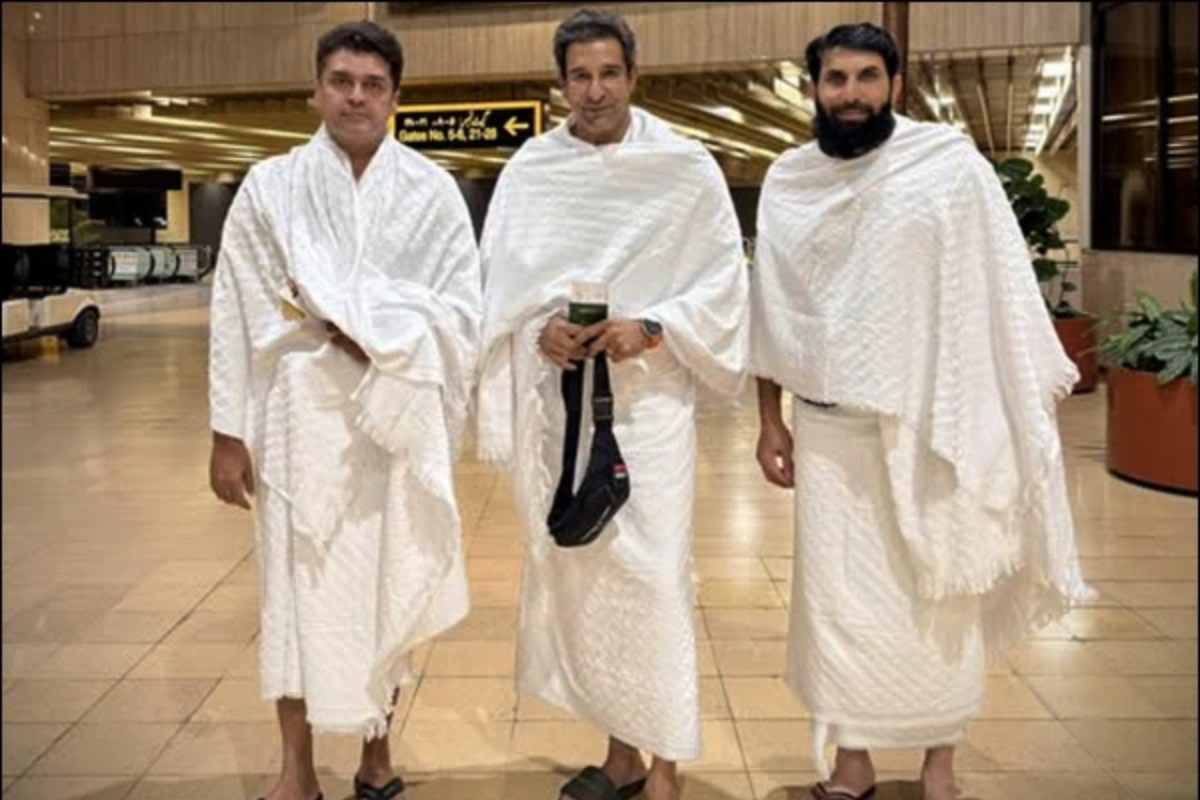
ISLAMABAD:  Former cricketer Wasim Akram, ex-captain Misbah-ul-Haq, host Fakhr-e-Alam, former cricketer Saeed Anwar and several other prominent Pakistani personalities performed Hajj together this year, but later faced criticism on social media over videos and images shared during the pilgrimage.

A video of Wasim Akram performing Rami al-Jamarat went viral in which he humorously mimicked his signature bowling action while symbolically throwing pebbles. In another clip, he was seen carrying bananas for Misbah-ul-Haq, drawing mixed reactions online.

@timesofkarachi

Why didn’t Wasim Akram, Fakhar-e-Alam, and Misbah-ul-Haq shave their heads as part of the Hajj ritual? #TOKReports #Hajj #WasimAkram #FakhareAlam #MisbahulHaq

♬ original sound – Times of Karachi

Fakhr-e-Alam also shared multiple moments from the pilgrimage, showing other public figures including actor Bilal Abbas Khan and comedian Tabish Hashmi, which some social media users described as “more like a picnic than Hajj.”

Responding to criticism, Wasim Akram, Fakhr-e-Alam and Misbah-ul-Haq said Hajj is a spiritual obligation, but it does not mean a person remains engaged in ritual worship 24 hours a day, adding that moments of travel, interaction and companionship are also part of the experience.

They also addressed questions about not shaving their heads after Hajj, explaining that they had consulted religious scholars beforehand and were given two permissible options: shaving the head completely (halq) or trimming the hair (qasr), and they opted for the latter.

The personalities said their intention in sharing videos was to guide and inspire younger generations about Hajj and to encourage them to understand the pilgrimage process.

Speaking from Madinah, Fakhr-e-Alam said the journey inspired many people to ask what motivated them to perform Hajj, while Wasim Akram said the group did not plan the pilgrimage in advance but decided to join when the opportunity came and others were going.

Australia set Pakistan 232-run target in second ODI in Lahore

Australia set

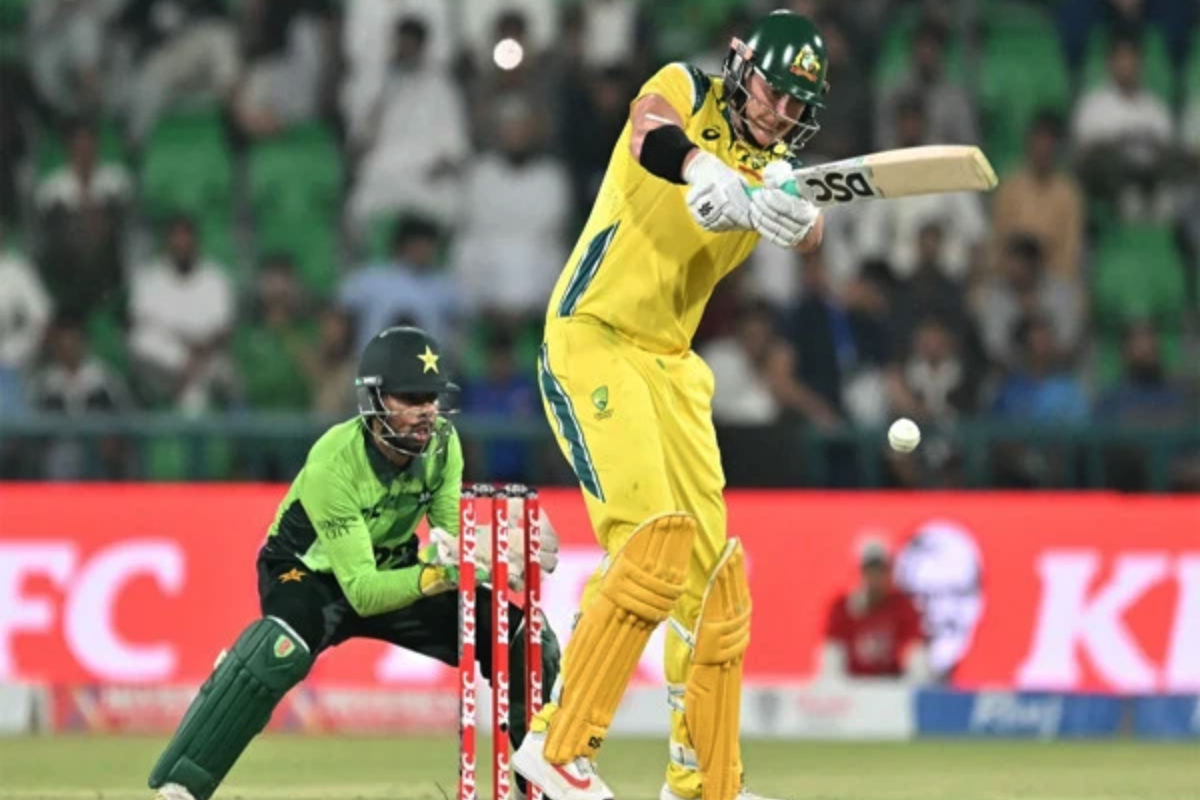
LAHORE:  Australia posted 231 all out in 50 overs, setting Pakistan a target of 232 runs in the second match of the one-day series on Wednesday.

Batting first after Pakistan won the toss, Australia struggled to build big partnerships but managed to reach a competitive total despite regular wickets falling.

Cameron Green and captain Josh Inglis top-scored with 51 runs each, while Matt Renshaw made 43 and Oliver Peake added 31. Matthew Short scored 15, Marnus Labuschagne 5, Matthew Kuhnemann 5, and Alex Carey was dismissed for a duck.

For Pakistan, captain Shaheen Shah Afridi led the bowling attack with three wickets, while Arafat Minhas, Abrar Ahmed, and Haris Rauf took two wickets each.

Pakistan will now chase 232 runs to take control of the series.

Supercomputer reveals favourite to win 2026 FIFA World Cup

Supercomputer

The FIFA World Cup, the biggest event in world sports, is set to begin on June 12, featuring a historic expanded format for the first time.

The tournament will be jointly hosted by the United States, Mexico, and Canada, marking the first World Cup to include 48 participating teams.

The teams will be divided into 12 groups of four, with a total of 104 matches scheduled throughout the competition. The top two teams from each group will advance to the knockout stage, which will also feature a newly introduced Round of 32.

With more teams and greater competition, predicting a winner has become increasingly difficult. However, the Opta supercomputer has made data-driven projections using advanced AI-based simulations.

According to the model, Spain are the strongest favourites to lift the trophy, with a 16.1% chance of winning the tournament after running more than 10,000 simulations.

France are ranked second, followed by England in third and Argentina in fourth, with all four teams having more than a 10% chance of winning the World Cup.

Despite being favourites, Spain also face uncertainty, with a 52.1% probability of not reaching the quarter-finals. However, if they progress, their chances improve significantly, with a 39% likelihood of reaching the semi-finals and a 25.6% chance of making the final.

The data also suggests that the expanded format increases unpredictability, although Spain remain the clear front-runners in the statistical model.

ICC approves pink ball trial in Test cricket to combat bad light

ICC approves

DUBAI: The International Cricket Council has approved a trial allowing the use of pink balls in Test matches to help reduce interruptions caused by poor light, the sport’s governing body announced on Monday.

Under the new initiative, teams will be permitted to use a pink ball in Test matches, subject to prior agreement between both sides, when bad light is anticipated. The move aims to maximize playing time, as the traditional red ball used in Tests can become difficult to see in fading daylight.

Pink balls are already used in day-night Test matches played under floodlights, while white balls commonly used in limited-overs cricket have not proven durable enough for the longer format.

The decision was approved during an ICC Board meeting in Ahmedabad, India. ICC Chairman Jay Shah said the discussions reflected the organization’s commitment to improving governance, administration and the global growth of cricket.

The ICC also approved further research into lighting technology for match officials and venues in an effort to reduce the amount of playing time lost due to poor visibility.

In another significant change, the board allowed head coaches or designated team staff members to enter the field during drinks breaks in One-Day Internationals (ODIs). Previously, only substitute players were permitted to deliver messages to players during those intervals.

The governing body also amended playing conditions for Twenty20 Internationals, reducing the innings break from 20 minutes to 15 minutes in an effort to streamline match schedules.

Additionally, on-field umpires will now have access to Hawk-Eye technology data to help identify and assess potentially illegal bowling actions during matches, strengthening the ICC’s efforts to tackle suspect bowling actions and maintain the integrity of the game.