BREAKING NEWS
Advertise with us >

Bangladesh Election: BNP secures two-thirds majority in parliamentary polls

Bangladesh Election

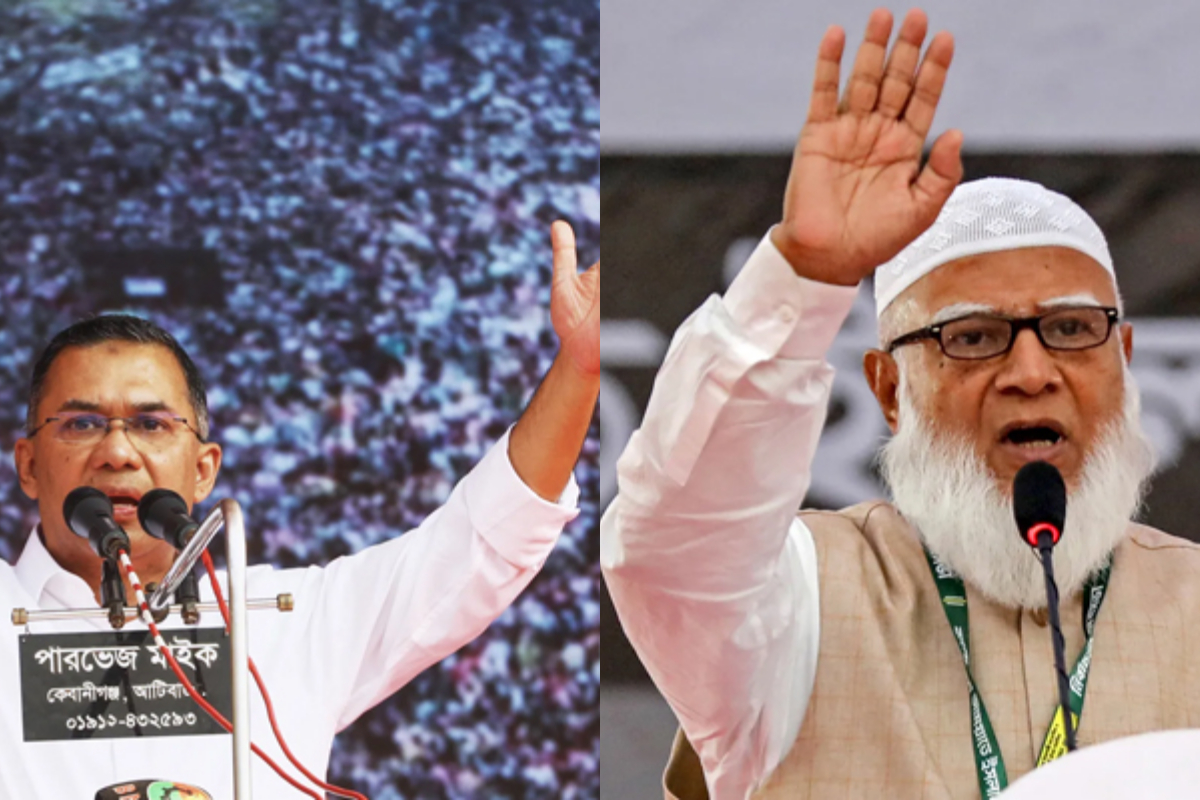
Dhaka: The Bangladesh Election Commission has officially announced the results of yesterday’s parliamentary elections, with Bangladesh Nationalist Party (BNP) emerging victorious with a two-thirds majority under the leadership of Tarique Rahman, the party’s prime ministerial candidate.

According to official results, out of 299 contested seats, BNP won 212 seats, securing a clear mandate, while Jamaat-e-Islami Bangladesh claimed 77 seats, becoming the second-largest party in parliament.

Despite the overwhelming victory, Tarique Rahman has not yet issued a public statement regarding the results. BNP has appealed to its supporters to celebrate through prayer and gratitude rather than overt festivities.

The National Citizens’ Party (NCP), which played a key role in challenging the previous government led by former Prime Minister Sheikh Hasina, secured only 5 out of 30 contested seats.

Meanwhile, Jamaat-e-Islami has threatened to protest in some constituencies, alleging bias by the Election Commission. Its leaders stated that they are committed to practicing constructive politics for the country’s development rather than politics for mere political gains.

Bangladesh’s House of the Nation (Jatiya Sangsad) comprises 300 seats, with elections held in 299 constituencies. Voting in one constituency was postponed due to the death of the Jamaat-e-Islami candidate.
BNP dominates early Bangladesh election results with 120 seats

BNP dominates

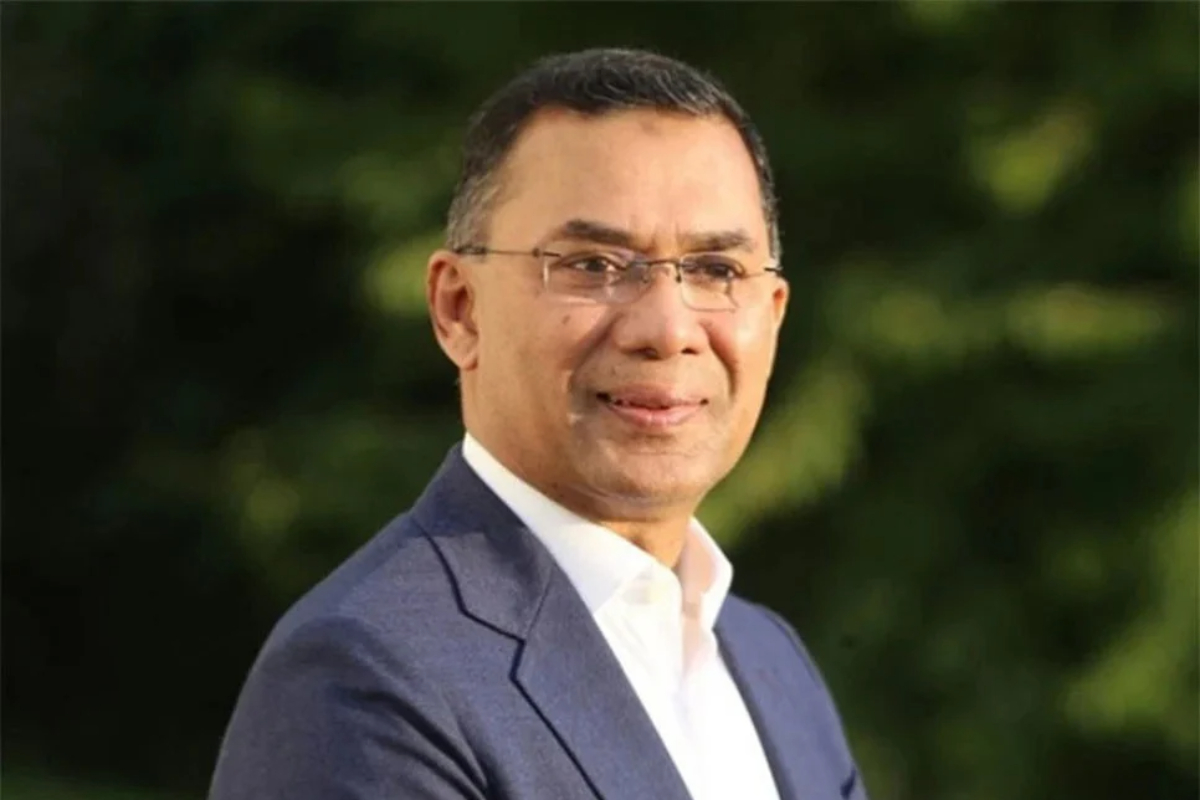
DHAKA: The Bangladesh Nationalist Party (BNP) has surged ahead in the country’s general elections, winning 120 constituencies according to preliminary and unofficial results, positioning itself as the clear frontrunner.

The Jamaat-e-Islami alliance stands in second place with 38 seats as ballot counting continues nationwide. Election authorities confirmed that vote tabulation is still underway, with final results to be announced once counting in all constituencies is completed.

Political analysts say current trends reflect a strong showing by the BNP, placing the party in a pivotal position to lead the formation of the next government. The Election Commission is continuing to release official updates.

Among other parties, the Jatiya Citizen Party, Islami Andolon Bangladesh, and the Jatiya Party have each secured one seat, while independent candidates have won two seats so far.

Polling took place across 299 constituencies from 7:30 AM to 3:30 PM local time. Of the 129 million registered voters, 44 percent were young voters, underscoring the influential role of youth participation in this election.

BNP leader Tariq Rahman, son of former Prime Minister Khaleda Zia, is widely viewed as a leading candidate for the post of prime minister. Meanwhile, Jamaat-e-Islami chief Shafiqur Rahman is also regarded as a key contender.

The National Citizen Party (NCP), led by Zain Zee and aligned with Jamaat-e-Islami, is expected to play a significant role in potential coalition negotiations as the political landscape takes shape.

Nationwide polling concludes in Bangladesh, vote count begins

Nationwide polling


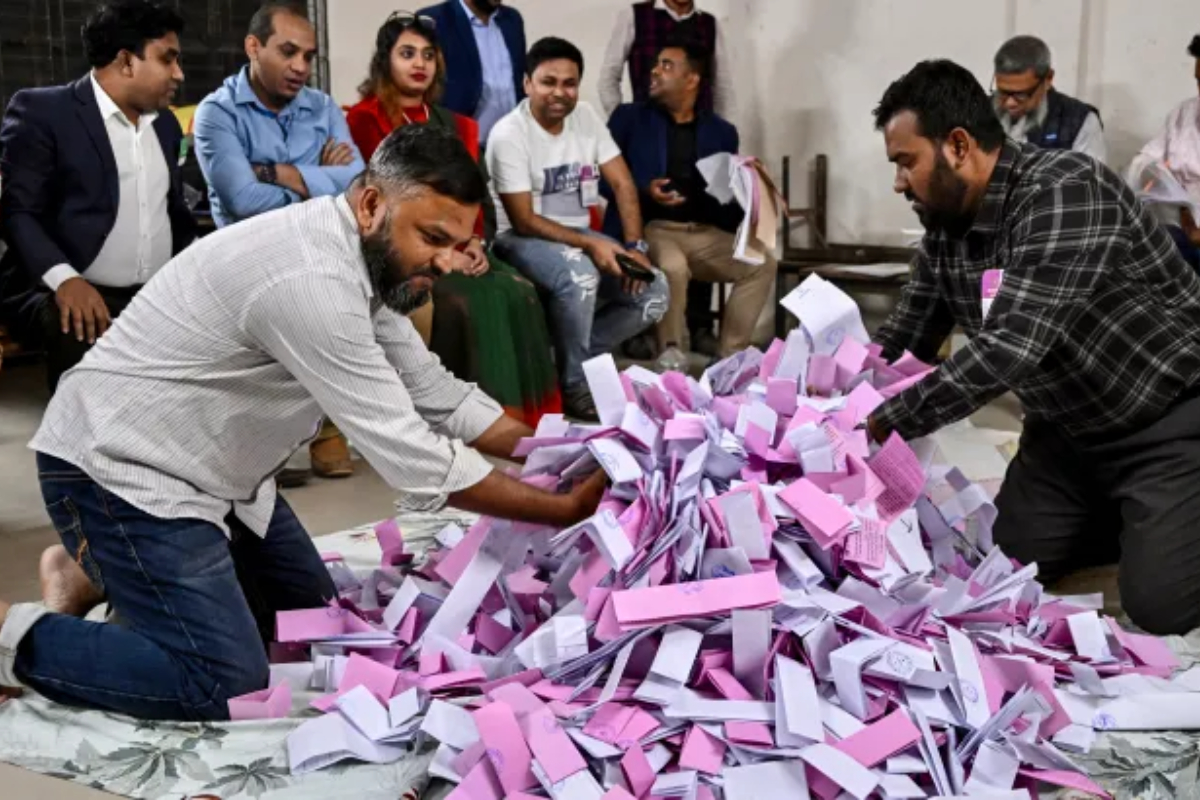
Dhaka: Vote counting is underway across Bangladesh following the conclusion of polling for the country’s 13th National Parliamentary Elections, marking a significant political milestone.

The elections are being held 18 months after a student-led movement that brought an end to Sheikh Hasina’s two-decade rule, reshaping the nation’s political landscape.

A fierce contest is expected between alliances led by the Bangladesh Nationalist Party (BNP) and Bangladesh Jamaat-e-Islami, both vying to secure the largest share of seats in the Jatiya Sangsad.

In previous elections, unofficial results typically began emerging by the following morning. However, officials from the Bangladesh Election Commission have indicated that the counting process may take longer this time.

In addition to the standard white parliamentary ballot papers, pink ballots are also being counted for a referendum on the July National Charter. Moreover, a higher number of political parties and candidates is contributing to the extended counting process.

The Election Commission has appealed for special prayers for peace, prosperity, and continued development to be offered in mosques across the country after Friday prayers.

Similar requests have been made to places of worship of other faiths to organize prayer gatherings at appropriate times.

In its statement, the Commission expressed gratitude to political parties, candidates, law enforcement agencies, election officials, observers, journalists, and voters for their cooperation in maintaining a free, fair, and impartial electoral environment.

According to the Election Commission, voting was held in 299 of the 300 parliamentary constituencies at 42,761 polling stations across all 64 districts of the country. Fifty seats are reserved for women and allocated on the basis of proportional representation.

As per the final voter list issued in November 2025, Bangladesh has a total of 127,711,793 registered voters, including 64,825,361 male voters and 62,885,200 female voters.

For the first time, postal voting has been introduced, benefiting approximately 15 million overseas workers.

Bangladesh’s Parliament is unicameral, known as the Jatiya Sangsad, with a total of 350 members — 300 elected through direct voting and 50 seats reserved for women.

Bangladesh Polls: BNP and Jamaat-e-Islami head for neck-and-neck contest

Bangladesh Polls

DHAKA: A recent public survey ahead of Bangladesh’s 13th national parliamentary elections scheduled for February 12 predicts a close contest between the Bangladesh Nationalist Party (BNP)-led alliance and the 11-party coalition led by Bangladesh Jamaat-e-Islami.

According to Bangladeshi media, the survey indicates that the BNP alliance may secure 44.1% of votes, while the Jamaat-e-Islami-led coalition could garner 43.9%.

The survey covered 63,115 voters nationwide, including 36,634 men and 26,981 women. About 92% of respondents expressed their intention to vote, 4.4% said they would abstain, and 2.5% were undecided.

Despite the BNP alliance holding a slight overall lead, results suggest that in constituencies where outcomes are nearly certain, the Jamaat-e-Islami-led coalition may have an edge.

 The survey forecasts 105 seats for the Jamaat-e-Islami coalition, compared to 101 seats for the BNP alliance.

Additionally, 75 constituencies are expected to witness tight competition between candidates of the two major alliances, while 19 constituencies may see other parties securing victory.

The findings highlight a highly competitive electoral landscape, signaling a potentially nail-biting outcome in Bangladesh’s upcoming parliamentary elections.