BREAKING NEWS
Advertise with us >

Bangladesh Jamaat-e-Islami accepts election results

Bangladesh Jamaat-e-Islami

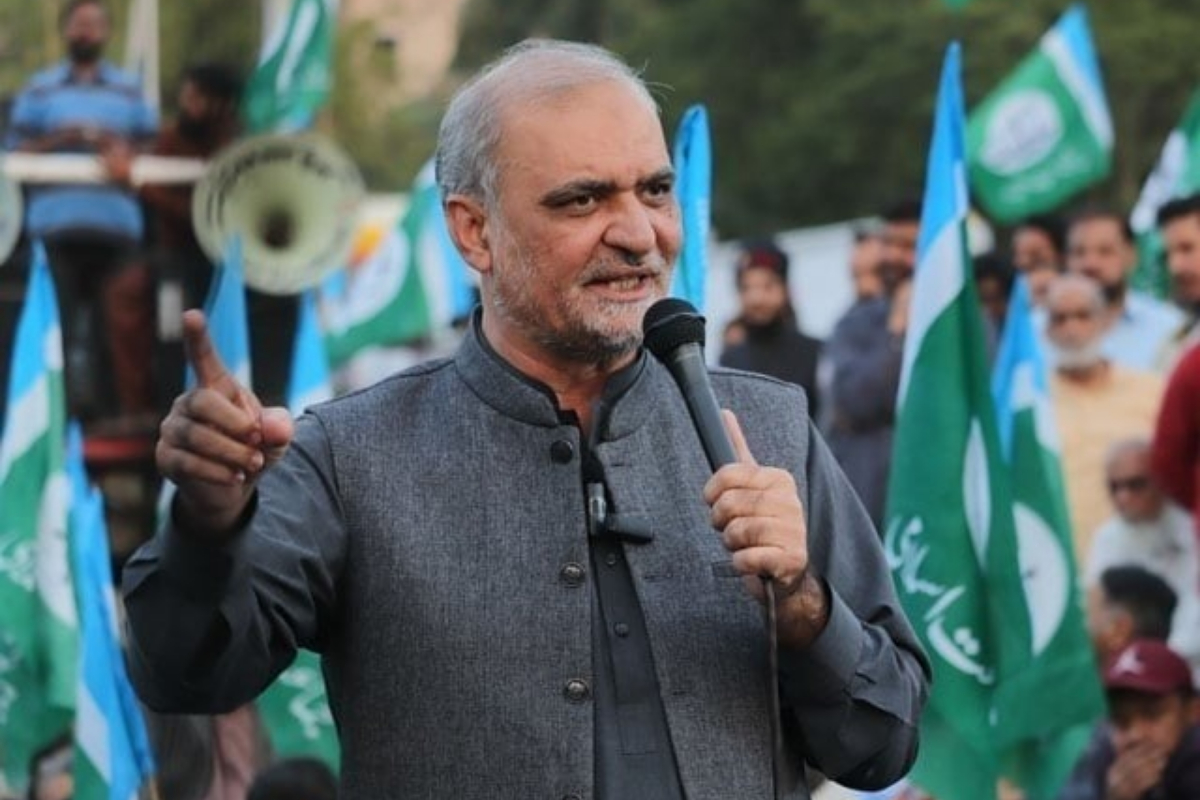
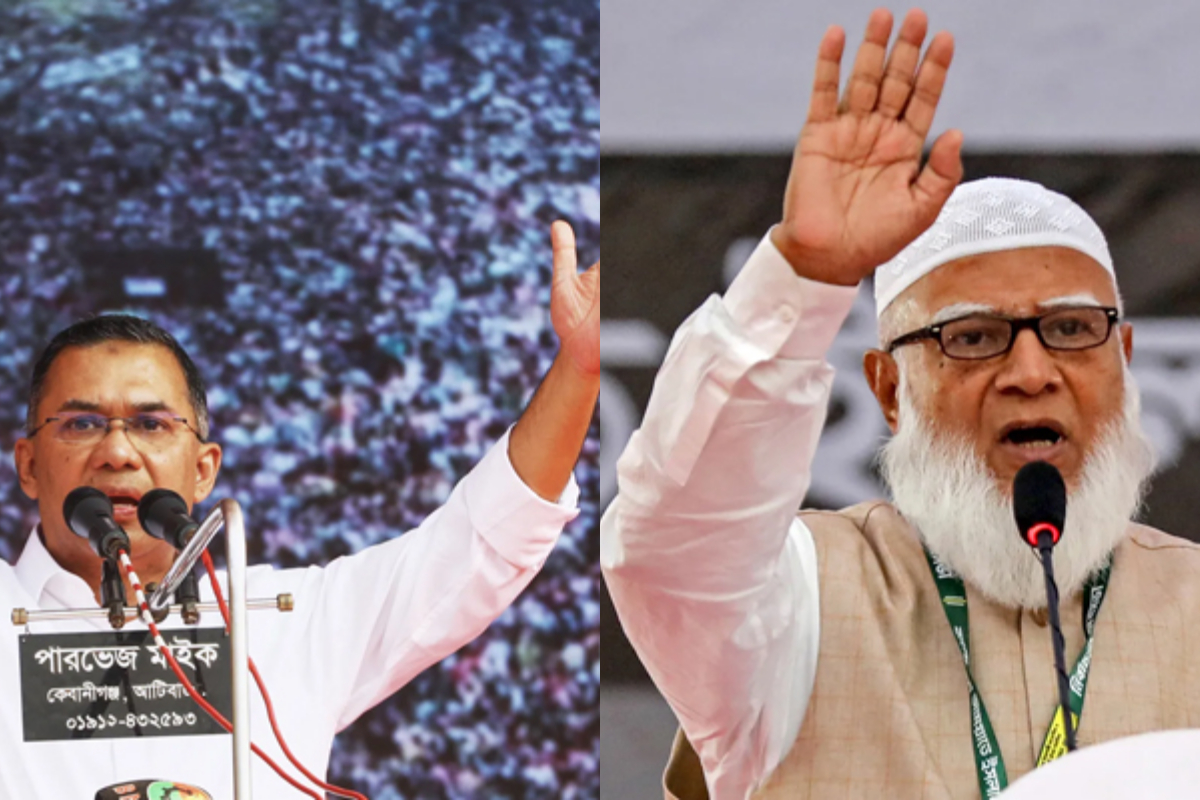
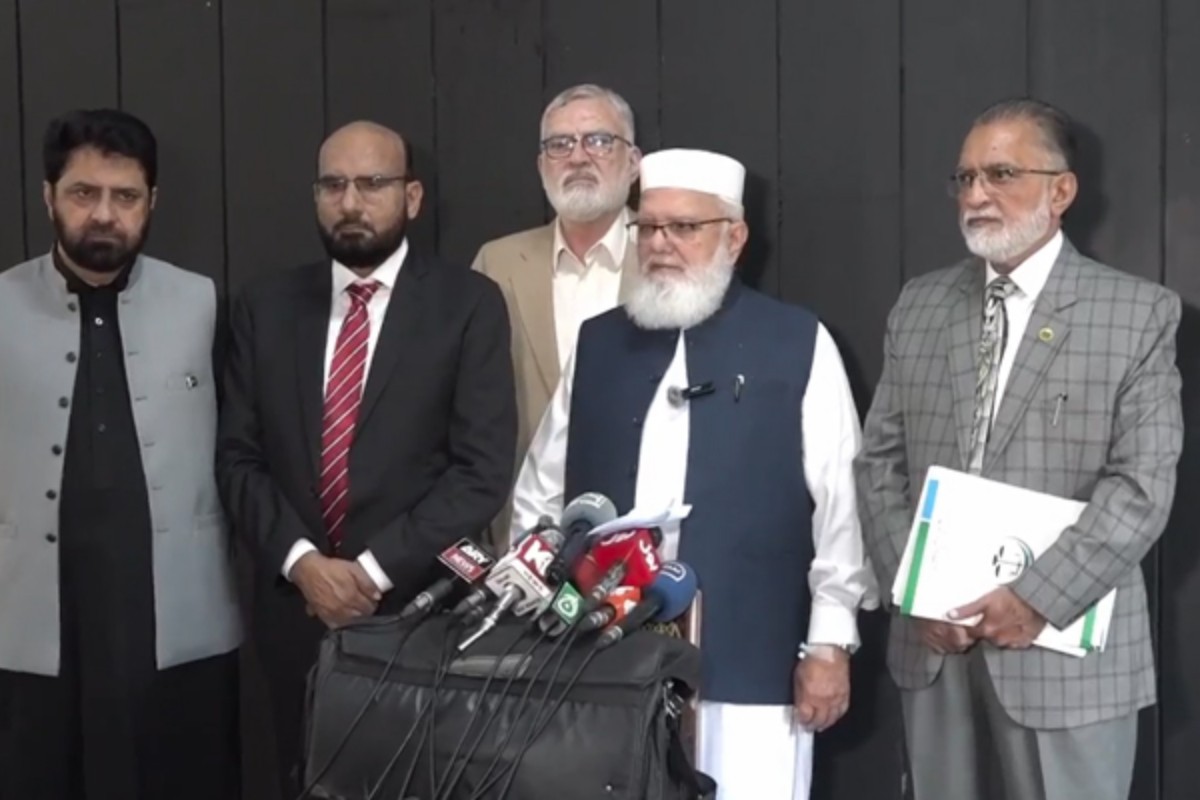
Dhaka: Bangladesh Jamaat-e-Islami has accepted the results of the 13th national parliamentary elections and announced its commitment to act as a responsible opposition party.

According to the Dhaka Tribune, party chief Dr. Shafiqur Rahman stated on social media that the party respects the rule of law and is dedicated to a stable and effective democratic system.

Dr. Rahman expressed gratitude to party volunteers and supporters, noting that while some may feel disappointed, their efforts were not in vain. “Winning 77 seats has nearly quadrupled our parliamentary presence and strengthened us as a robust opposition. This is not a defeat but a foundation,” he said.

He emphasized that political fortunes can change, citing the example of the Bangladesh National Party, which held only 30 seats in 2008 but returned to power 18 years later. “Democratic politics is a long journey aimed at earning public trust, ensuring accountability, and preparing responsibly for the future,” he added.

Highlighting the party’s approach, Dr. Shafiqur Rahman said, “True leadership is tested not just by participation in elections, but by accepting the people’s decision. Our movement is not for a single election; it is to strengthen democracy, safeguard citizens’ rights, and build a responsible state. Jamaat-e-Islami will work as a principled and peaceful opposition for national progress.”

BNP dominates early Bangladesh election results with 120 seats

BNP dominates

DHAKA: The Bangladesh Nationalist Party (BNP) has surged ahead in the country’s general elections, winning 120 constituencies according to preliminary and unofficial results, positioning itself as the clear frontrunner.

The Jamaat-e-Islami alliance stands in second place with 38 seats as ballot counting continues nationwide. Election authorities confirmed that vote tabulation is still underway, with final results to be announced once counting in all constituencies is completed.

Political analysts say current trends reflect a strong showing by the BNP, placing the party in a pivotal position to lead the formation of the next government. The Election Commission is continuing to release official updates.

Among other parties, the Jatiya Citizen Party, Islami Andolon Bangladesh, and the Jatiya Party have each secured one seat, while independent candidates have won two seats so far.

Polling took place across 299 constituencies from 7:30 AM to 3:30 PM local time. Of the 129 million registered voters, 44 percent were young voters, underscoring the influential role of youth participation in this election.

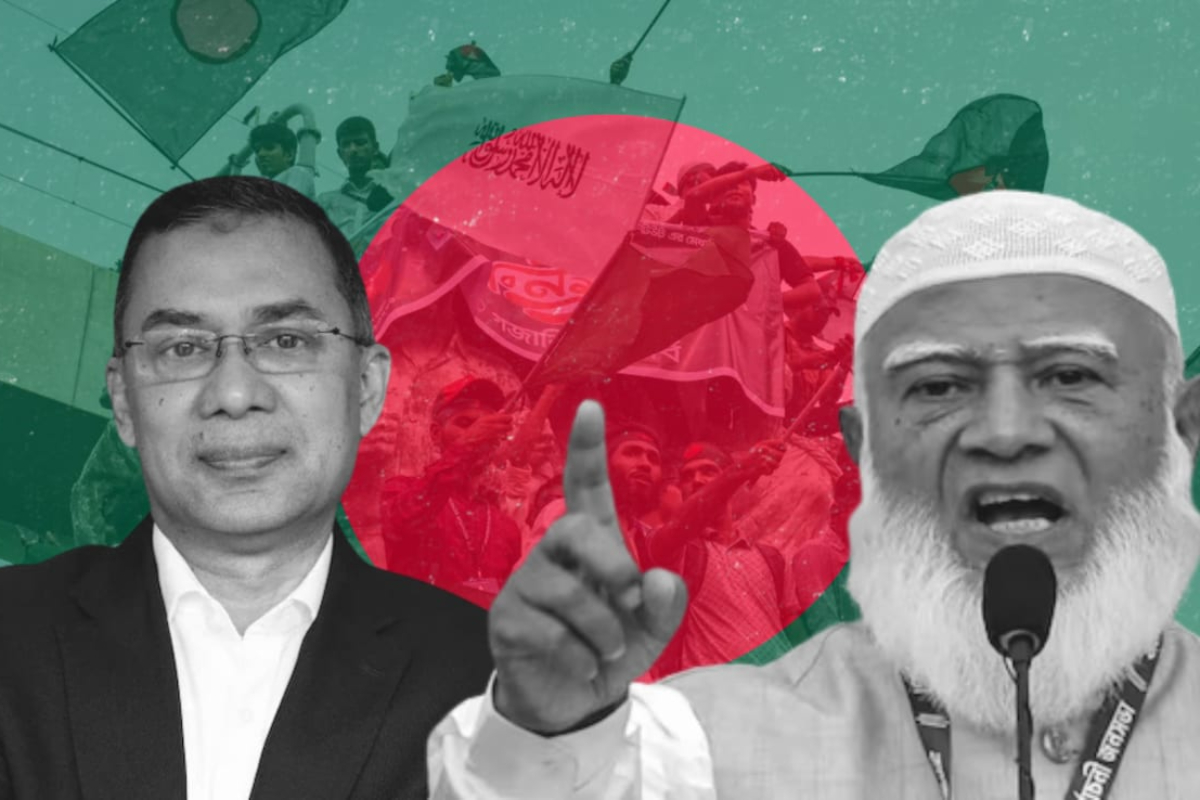
BNP leader Tariq Rahman, son of former Prime Minister Khaleda Zia, is widely viewed as a leading candidate for the post of prime minister. Meanwhile, Jamaat-e-Islami chief Shafiqur Rahman is also regarded as a key contender.

The National Citizen Party (NCP), led by Zain Zee and aligned with Jamaat-e-Islami, is expected to play a significant role in potential coalition negotiations as the political landscape takes shape.

Bangladesh Polls: BNP and Jamaat-e-Islami head for neck-and-neck contest

Bangladesh Polls

DHAKA: A recent public survey ahead of Bangladesh’s 13th national parliamentary elections scheduled for February 12 predicts a close contest between the Bangladesh Nationalist Party (BNP)-led alliance and the 11-party coalition led by Bangladesh Jamaat-e-Islami.

According to Bangladeshi media, the survey indicates that the BNP alliance may secure 44.1% of votes, while the Jamaat-e-Islami-led coalition could garner 43.9%.

The survey covered 63,115 voters nationwide, including 36,634 men and 26,981 women. About 92% of respondents expressed their intention to vote, 4.4% said they would abstain, and 2.5% were undecided.

Despite the BNP alliance holding a slight overall lead, results suggest that in constituencies where outcomes are nearly certain, the Jamaat-e-Islami-led coalition may have an edge.

 The survey forecasts 105 seats for the Jamaat-e-Islami coalition, compared to 101 seats for the BNP alliance.

Additionally, 75 constituencies are expected to witness tight competition between candidates of the two major alliances, while 19 constituencies may see other parties securing victory.

The findings highlight a highly competitive electoral landscape, signaling a potentially nail-biting outcome in Bangladesh’s upcoming parliamentary elections.