BREAKING NEWS
Advertise with us >

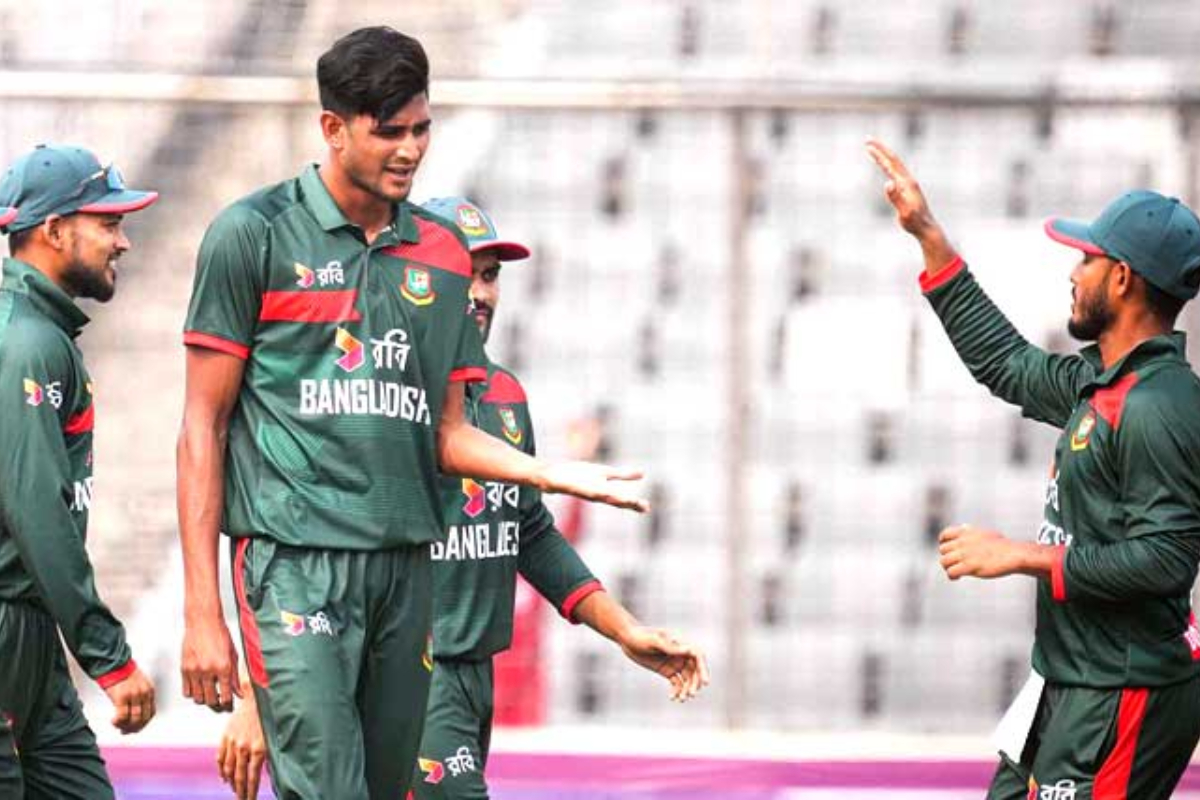
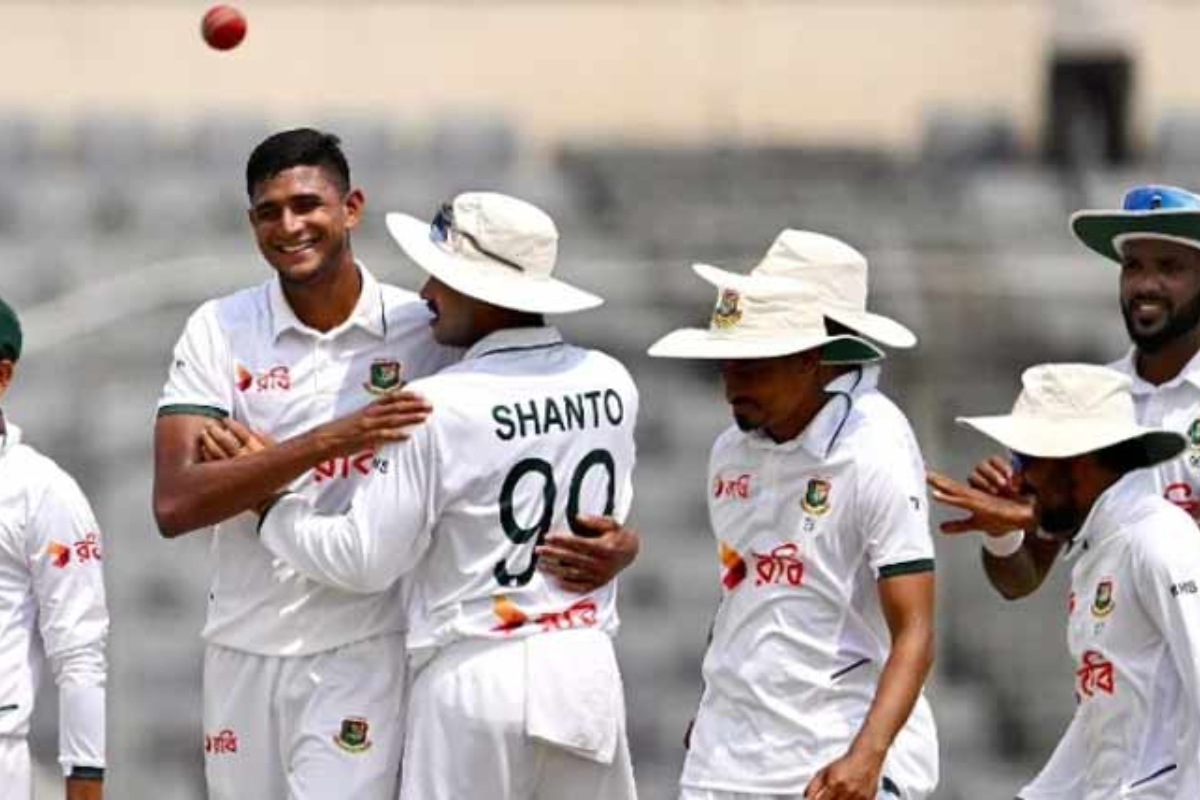
Bangladesh thrash Pakistan by 8 wickets in first ODI

Bangladesh thrash

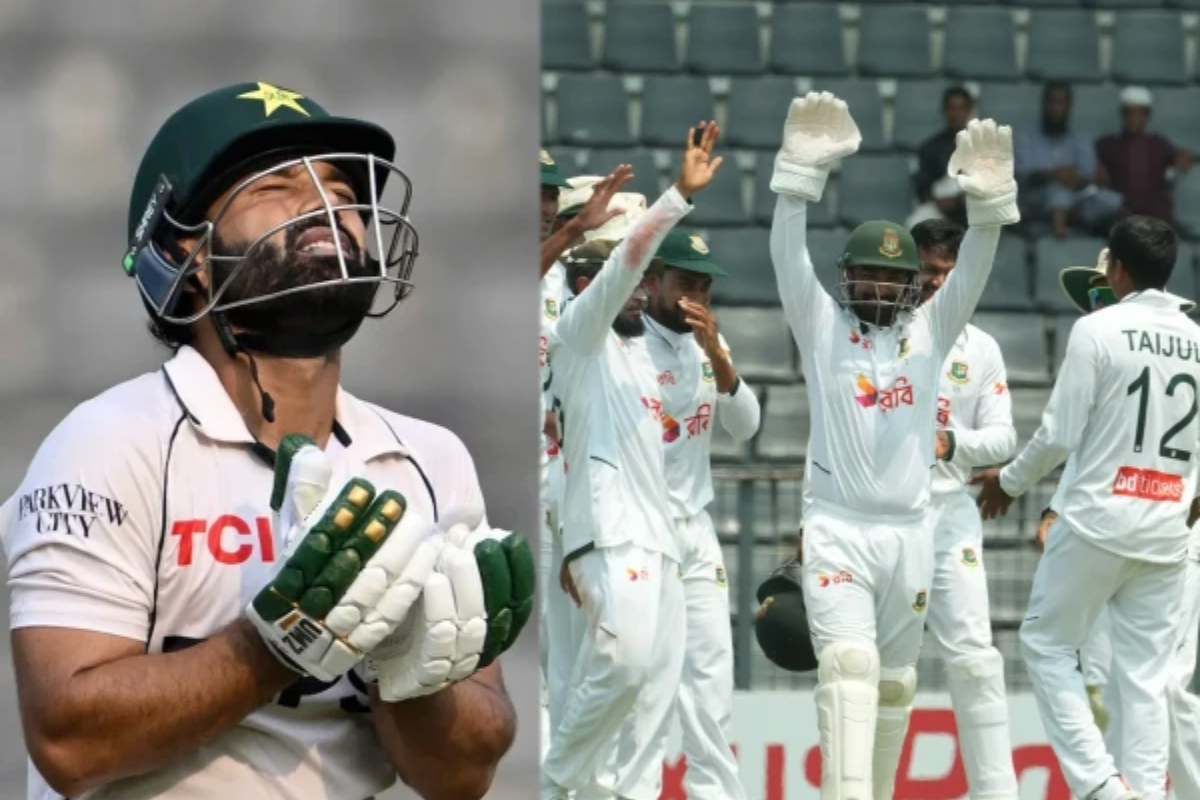
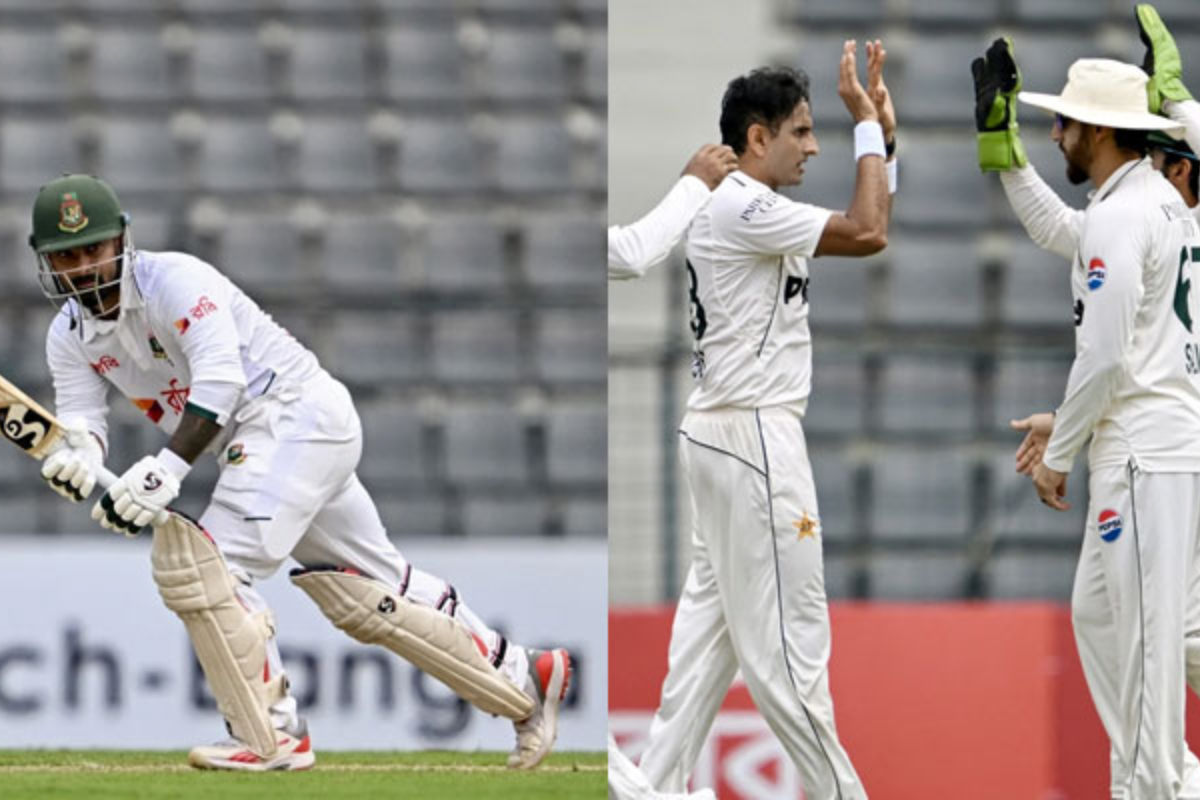
Dhaka: Bangladesh registered a comprehensive eight-wicket victory over Pakistan in the first match of the three-match ODI series, comfortably chasing down the modest target set by the visitors.

Bangladesh achieved the 115-run target in just 15.1 overs, putting in a dominant batting display at the Sher-e-Bangla National Cricket Stadium in Dhaka.

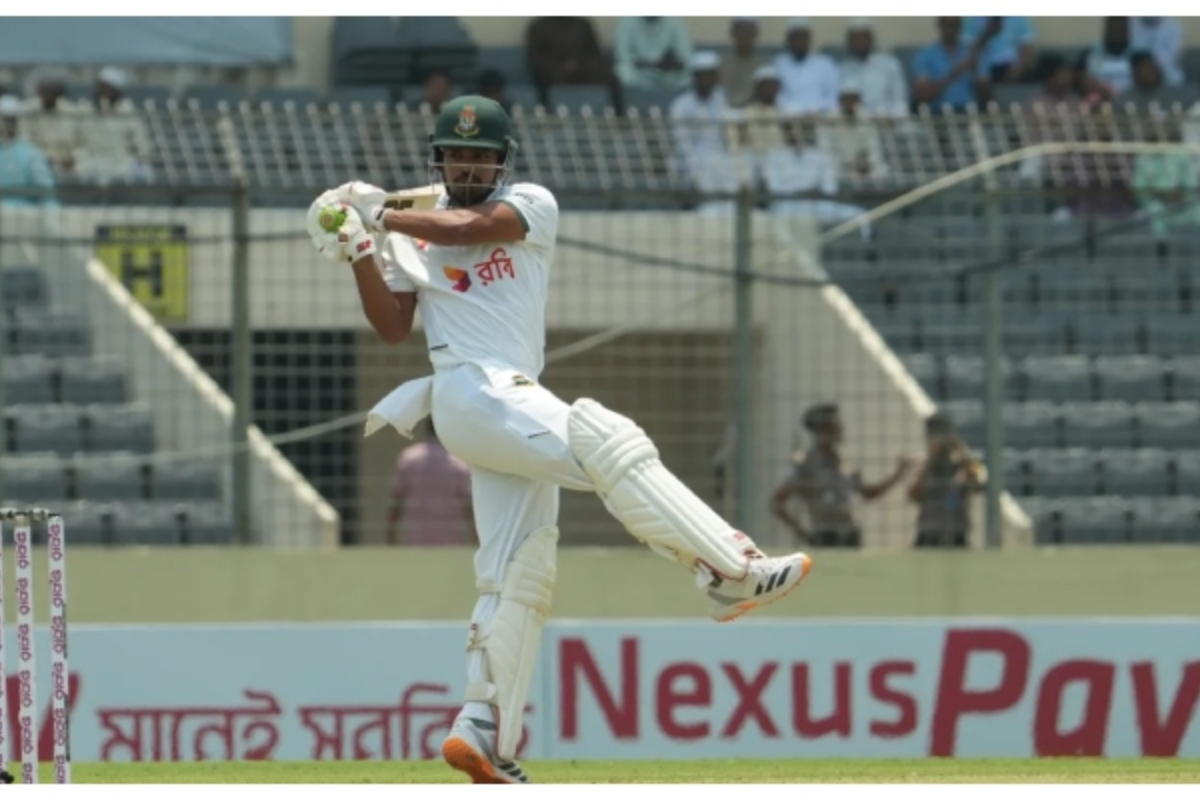
Tanzid Hasan played a brilliant unbeaten knock of 67 runs, while Najmul Hossain Shanto contributed 27 runs to guide the hosts to victory with ease.

For Pakistan, Shaheen Shah Afridi and Mohammad Wasim Jr. picked up one wicket each.

Pakistan Bowled Out for Record-Low Total

Earlier, Bangladesh captain Mehidy Hasan Miraz won the toss and elected to field first — a decision that proved decisive as Bangladesh bowlers dismantled Pakistan’s batting line-up.

Pakistan were bowled out for just 114 runs in 30.1 overs, their lowest ODI total against Bangladesh.

Openers Sahibzada Farhan and debutant Maaz Sadaqat started the innings, but Pakistan failed to build momentum. Farhan scored 27 runs, while Shamil Hussain managed only 4 runs. Maaz Sadaqat scored 18 runs in his debut ODI.

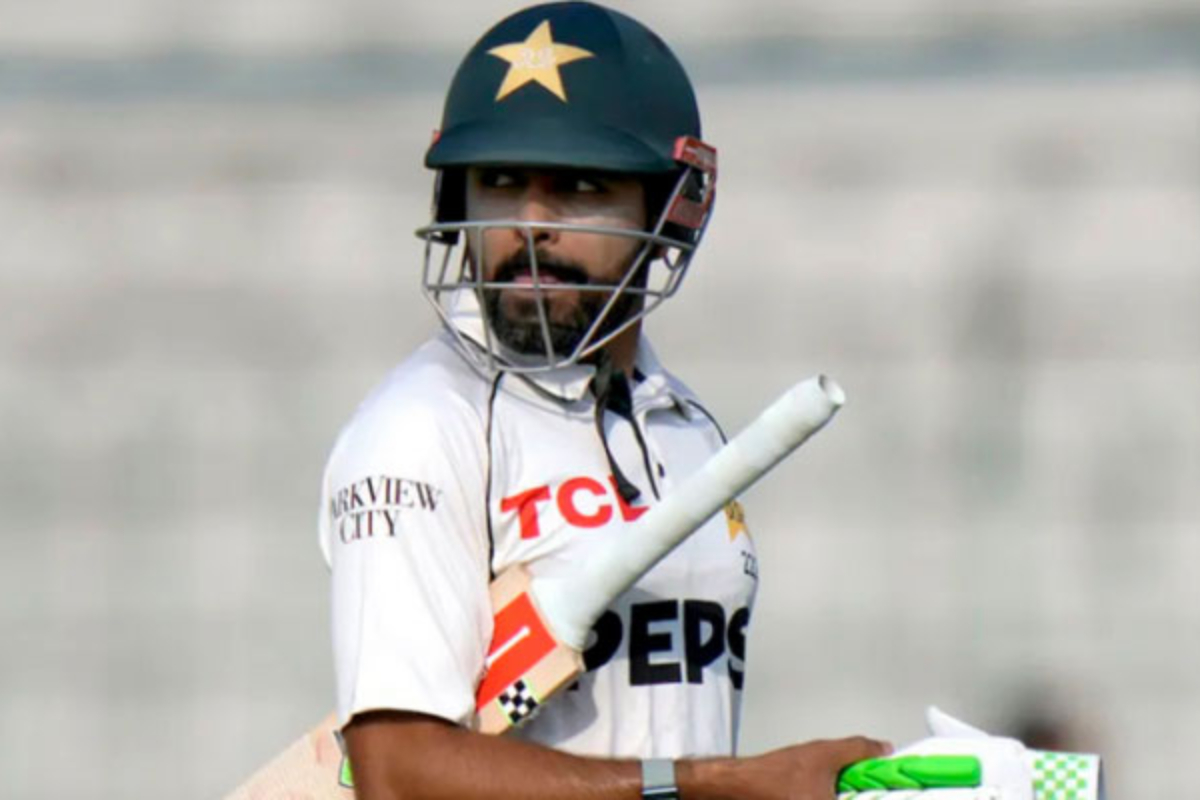
Faheem Ashraf was the top scorer for Pakistan with 37 runs, while Mohammad Rizwan made 10, Salman Agha scored 5, Hussain Talat added 4, and Abdul Samad was dismissed without scoring. Shaheen Afridi scored 4, Mohammad Wasim Jr. was out for 0, while Abrar Ahmed remained unbeaten on 0.

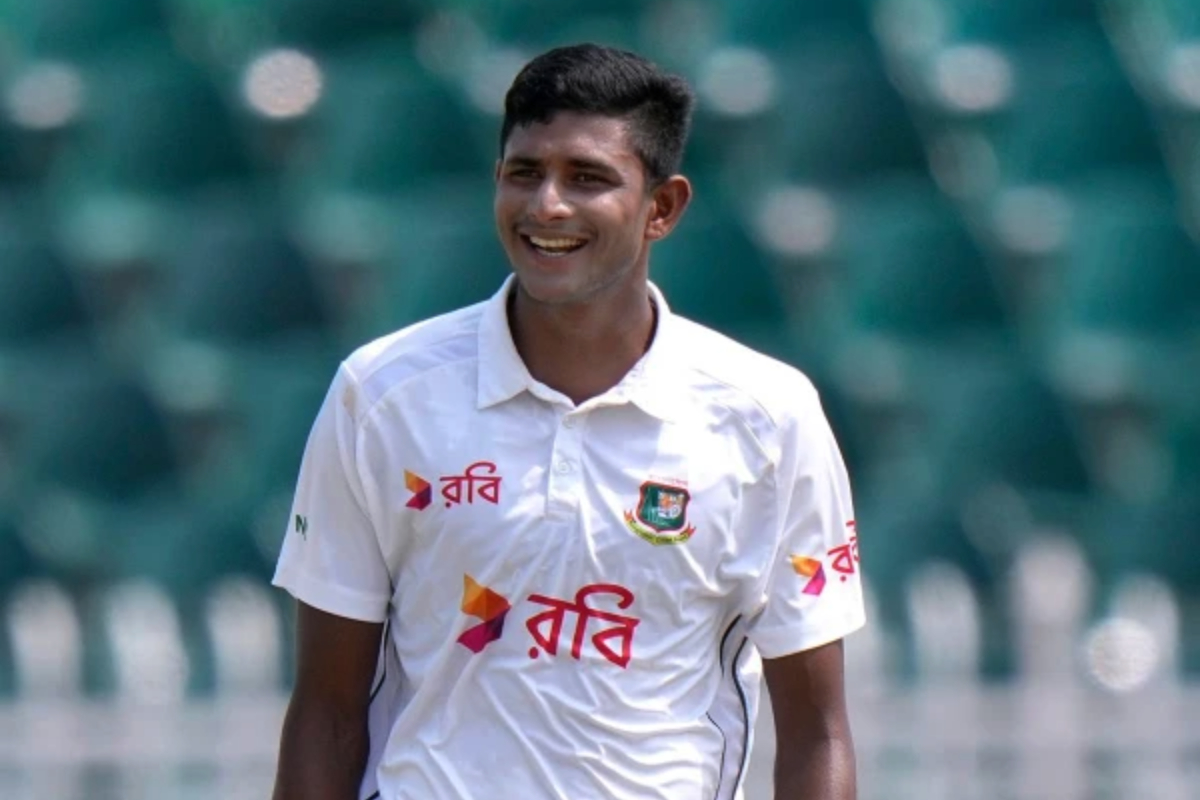
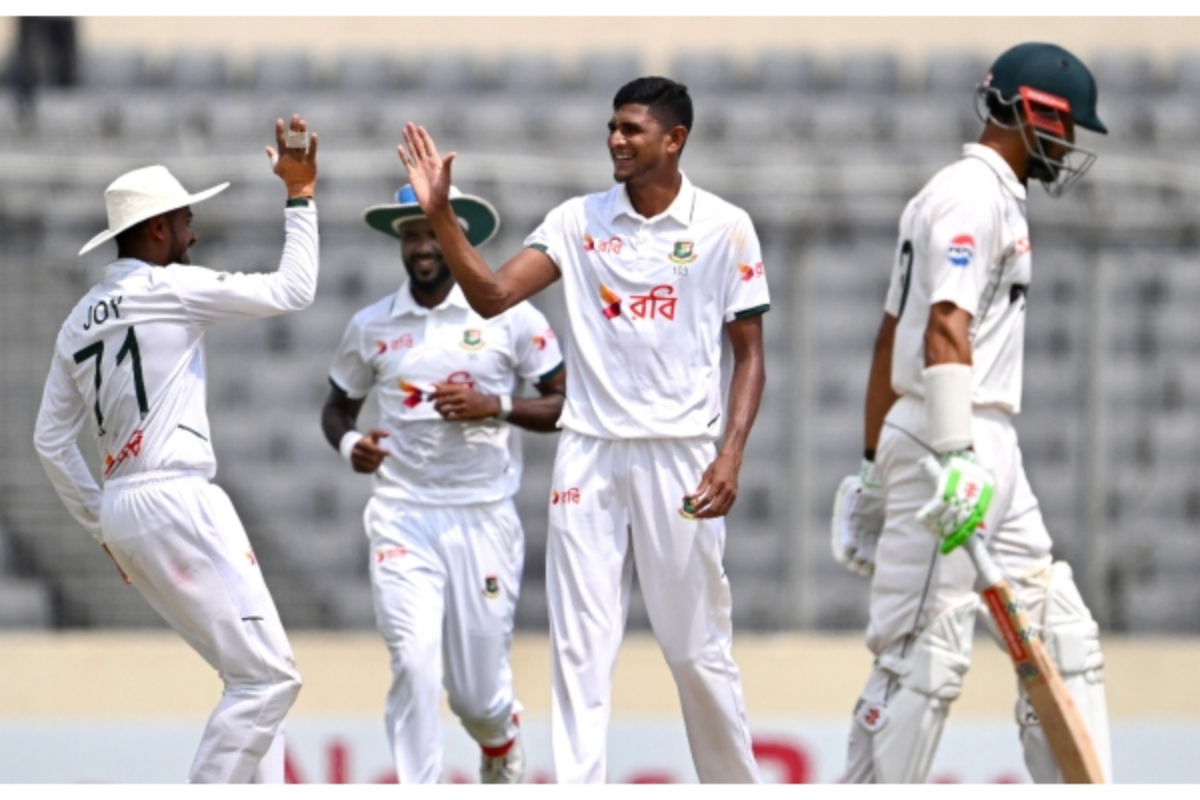
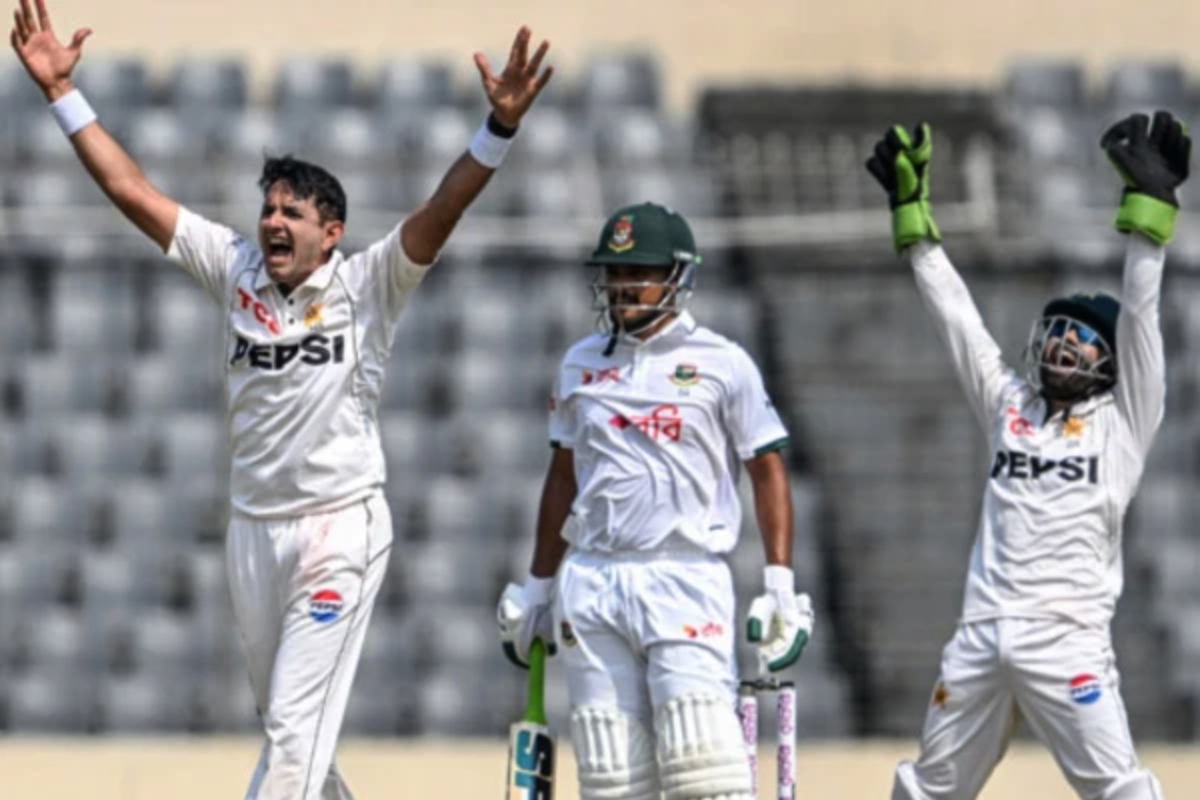
Bangladesh pacer Nahid Rana delivered the best bowling performance of his ODI career, taking 5 wickets for 24 runs, while captain Mehidy Hasan Miraz claimed 3 wickets for 29 runs.

Four Pakistan Players Make ODI Debut

Notably, four Pakistani players made their ODI debut in the match — Sahibzada Farhan, Maaz Sadaqat, Abdul Samad, and Shamil Hussain — marking the first time since 2008 that Pakistan fielded four debutants in a single ODI.

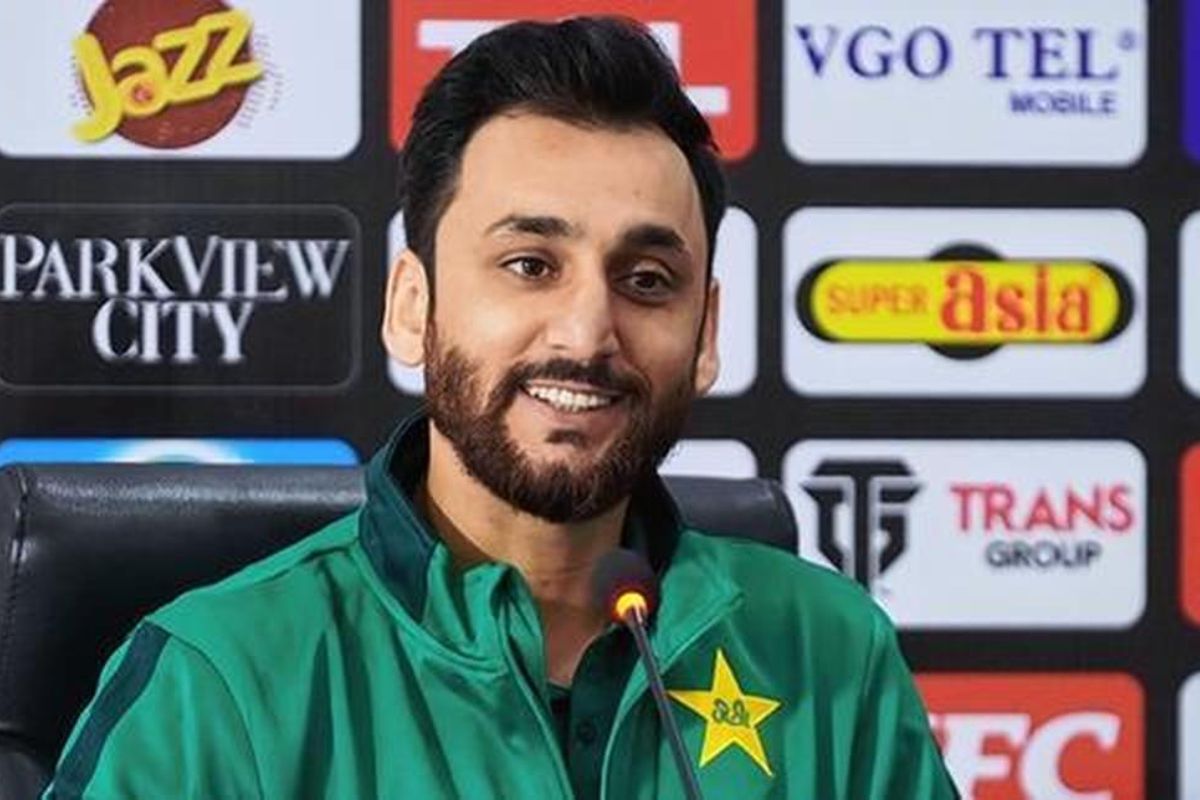
Before the match, Pakistan captain Shaheen Afridi had said that if Pakistan had won the toss, they would also have opted to bat first, adding that a score of 270 to 280 runs would have been a competitive total on the pitch.

Bangladesh Jamaat-e-Islami accepts election results

Bangladesh Jamaat-e-Islami

Dhaka: Bangladesh Jamaat-e-Islami has accepted the results of the 13th national parliamentary elections and announced its commitment to act as a responsible opposition party.

According to the Dhaka Tribune, party chief Dr. Shafiqur Rahman stated on social media that the party respects the rule of law and is dedicated to a stable and effective democratic system.

Dr. Rahman expressed gratitude to party volunteers and supporters, noting that while some may feel disappointed, their efforts were not in vain. “Winning 77 seats has nearly quadrupled our parliamentary presence and strengthened us as a robust opposition. This is not a defeat but a foundation,” he said.

He emphasized that political fortunes can change, citing the example of the Bangladesh National Party, which held only 30 seats in 2008 but returned to power 18 years later. “Democratic politics is a long journey aimed at earning public trust, ensuring accountability, and preparing responsibly for the future,” he added.

Highlighting the party’s approach, Dr. Shafiqur Rahman said, “True leadership is tested not just by participation in elections, but by accepting the people’s decision. Our movement is not for a single election; it is to strengthen democracy, safeguard citizens’ rights, and build a responsible state. Jamaat-e-Islami will work as a principled and peaceful opposition for national progress.”

Nationwide polling concludes in Bangladesh, vote count begins

Nationwide polling


Dhaka: Vote counting is underway across Bangladesh following the conclusion of polling for the country’s 13th National Parliamentary Elections, marking a significant political milestone.

The elections are being held 18 months after a student-led movement that brought an end to Sheikh Hasina’s two-decade rule, reshaping the nation’s political landscape.

A fierce contest is expected between alliances led by the Bangladesh Nationalist Party (BNP) and Bangladesh Jamaat-e-Islami, both vying to secure the largest share of seats in the Jatiya Sangsad.

In previous elections, unofficial results typically began emerging by the following morning. However, officials from the Bangladesh Election Commission have indicated that the counting process may take longer this time.

In addition to the standard white parliamentary ballot papers, pink ballots are also being counted for a referendum on the July National Charter. Moreover, a higher number of political parties and candidates is contributing to the extended counting process.

The Election Commission has appealed for special prayers for peace, prosperity, and continued development to be offered in mosques across the country after Friday prayers.

Similar requests have been made to places of worship of other faiths to organize prayer gatherings at appropriate times.

In its statement, the Commission expressed gratitude to political parties, candidates, law enforcement agencies, election officials, observers, journalists, and voters for their cooperation in maintaining a free, fair, and impartial electoral environment.

According to the Election Commission, voting was held in 299 of the 300 parliamentary constituencies at 42,761 polling stations across all 64 districts of the country. Fifty seats are reserved for women and allocated on the basis of proportional representation.

As per the final voter list issued in November 2025, Bangladesh has a total of 127,711,793 registered voters, including 64,825,361 male voters and 62,885,200 female voters.

For the first time, postal voting has been introduced, benefiting approximately 15 million overseas workers.

Bangladesh’s Parliament is unicameral, known as the Jatiya Sangsad, with a total of 350 members — 300 elected through direct voting and 50 seats reserved for women.

Bangladesh approaches pivotal elections amid political shift

Bangladesh approaches

DHAKA: Bangladesh is set to hold general elections on Thursday, February 12, 2026, widely regarded as one of the most significant polls in the country’s 55-year history.

The elections are taking place following the fall of Prime Minister Sheikh Hasina’s government in August 2024, after a student-led movement against her rule. The unrest turned violent, leaving nearly 1,400 people dead. Sheikh Hasina remained in power from 1996 to 2001 and again from 2009 until 2024.

Following her removal, Nobel Peace Prize laureate Muhammad Yunus assumed leadership of the interim government, with a mandate to ensure transparent, free and fair elections.

Bangladesh has a population of more than 173 million, making it the world’s eighth most populous country.

According to the Election Commission, around 127 million citizens are registered to vote, including approximately five million first-time voters. Nearly 44 percent of registered voters are between the ages of 18 and 37, highlighting the significant role of the country’s youth in shaping the electoral outcome.

One of the world’s most densely populated countries, Bangladesh has an average of 1,366 people per square kilometre. The capital, Dhaka, home to over 37 million residents, is expected to play a decisive role in determining election results. Muslims make up more than 90 percent of the population, while Hindus account for about 8 percent, with other religions forming the remainder.

Over the past 25 years, Bangladesh has achieved notable economic growth. However, growth slowed to 3.97 percent in the fiscal year ending June 2025, down from 4.22 percent previously. The country’s gross domestic product (GDP) stands at $461 billion, while per capita income is approximately $1,990, reflecting ongoing challenges related to poverty reduction and economic diversification.

Bangladesh operates under a parliamentary system, where executive authority rests with the prime minister, who forms the cabinet, formulates policy and oversees governance. The president serves as the ceremonial head of state and is elected by parliament for a five-year term.

Legislative authority lies with the 350-member National Parliament (Jatiya Sangsad), comprising 300 directly elected members and 50 seats reserved for women. Administratively, the country is divided into eight divisions, 64 districts and 495 sub-districts.

A total of 51 political parties are contesting 1,981 seats nationwide, alongside 249 independent candidates. Sheikh Hasina’s Awami League is currently suspended and is not participating in the elections, marking a major shift in the country’s political landscape.

The Bangladesh Nationalist Party (BNP), led by Tarique Rahman, son of former prime minister Khaleda Zia, is contesting 292 of the 300 directly elected seats, in alliance with more than half a dozen smaller parties.

The BNP’s campaign focuses on financial assistance for low-income families, limiting the prime minister’s tenure to ten years, promoting economic growth through foreign investment, and strengthening anti-corruption measures. Opinion polls suggest the alliance holds a narrow lead, reflecting public appetite for political change after years of Awami League dominance.

Jamaat-e-Islami, led by Shafiqur Rahman, has formed an alliance with the National Citizen Party (NCP), a moderate political group established by youth leaders of the 2024 movement.

The alliance is contesting 224 seats under Jamaat-e-Islami and 30 under the NCP, with remaining seats allocated to smaller parties. The bloc advocates governance based on Islamic principles, economic diversification beyond the garment sector, and stronger relations with neighbouring countries. Analysts believe the alliance could play a significant role in parliament even without securing an outright majority.

Nipah virus claims woman’s life in Bangladesh, WHO confirms

Nipah virus

DHAKA: A woman has died after contracting the Nipah virus in Bangladesh, the World Health Organization (WHO) has confirmed. The deceased, aged between 40 and 50 years, was a resident of Naogaon district.

According to details, symptoms of the virus appeared on January 21, including fever, headache, excessive salivation, confusion, and seizures.

The woman’s condition deteriorated rapidly, and she passed away about a week later. Laboratory confirmation of the Nipah virus came a day after her death.

Health officials stated that the woman had recently consumed raw date palm sap, a known risk factor for Nipah virus transmission.

She had no recent travel history. After being admitted to hospital on January 28, blood and throat samples were collected, and the virus was confirmed in laboratory tests on January 29.

The WHO said that 35 individuals who came into close contact with the patient are currently under monitoring, and so far, no symptoms have been detected among them.

This case has emerged shortly after two Nipah virus cases were reported in India’s West Bengal, prompting several South Asian countries to strengthen health screening and surveillance measures at airports.

The WHO chief described Nipah as a rare but highly serious disease, stating that authorities are actively working to enhance disease surveillance, testing, prevention strategies, and public awareness to protect communities.

According to reports, around 348 Nipah virus cases have been recorded in Bangladesh since 2001. Nearly half of these cases were linked to the consumption of raw date palm sap. The fatality rate of the virus ranges from 40 percent to as high as 75 percent.

The WHO has emphasized that no specific vaccine or treatment is currently available for Nipah virus. The disease is primarily transmitted from bats to humans, often through contaminated fruits or raw date palm juice.

In response to regional concerns, Malaysia, Thailand, Indonesia, Singapore, and Pakistan, among other countries, have initiated temperature screening at airports. Singapore has also mandated 14 days of daily temperature and symptom monitoring for workers arriving from West Bengal.

Nipah-like virus detected, experts warn of silent human transmission

Nipah-like virus

Islamabad: Scientists have identified a new bat-borne virus resembling the deadly Nipah virus, raising concerns that it may already be spreading silently among humans without being detected.

According to details, the virus was discovered in patients who initially showed symptoms similar to Nipah virus infection but later tested negative for Nipah. Researchers fear that the newly identified virus may have been circulating undiagnosed in humans.

Nipah virus is considered one of the most dangerous zoonotic diseases, known to cause severe brain inflammation, with a fatality rate of up to 75 percent.

Experts from Columbia University’s Mailman School of Public Health have named the newly discovered pathogen Pteropine Orthoreovirus (PRV). Clinically, its symptoms closely resemble those of Nipah virus, including severe respiratory and neurological complications.

Researchers believe the virus may have gone undetected for a long time due to similarities with Nipah virus symptoms and limited diagnostic surveillance.

The virus was identified in five patients in Bangladesh whose throat swab samples tested negative for Nipah virus. All patients had recently consumed raw date palm sap, which is widely known as a transmission source for bat-borne viruses such as Nipah, rabies, and Marburg.

Patients developed severe respiratory and neurological symptoms. In some cases, fatigue, breathing difficulties, and problems with mobility persisted for months after the initial illness. One patient later died, although it could not be conclusively determined whether PRV was the direct cause of death.

In a study published in the journal Emerging Infectious Diseases, researchers advised healthcare professionals to consider PRV infection in patients presenting with Nipah-like symptoms.

The study’s lead author, Dr. Nishesh Mishra, said the discovery highlights that consumption of raw date palm sap can facilitate the spread of dangerous viruses beyond Nipah, underscoring the urgent need for expanded surveillance systems.

Meanwhile, UK health authorities have confirmed that they are closely monitoring the recent Nipah virus outbreak in India’s West Bengal state, where testing of nearly 200 individuals is currently underway.

Scotland replaces Bangladesh in T20 World Cup 2026

Scotland replaces

The International Cricket Council (ICC) has decided to include Scotland in the ICC T20 World Cup 2026, replacing Bangladesh, following the latter’s refusal to play matches in India.

According to Indian media reports, the decision was taken after Bangladesh declined to tour India for the tournament. The ICC had earlier granted the Bangladesh Cricket Board (BCB) a 24-hour deadline to resolve the issue, but the matter remained unsettled within the given timeframe.

Sources revealed that the ICC Chief Executive informed the ICC Board in writing on Saturday morning that Bangladesh’s demands were not in line with ICC policies.

The letter stated that Bangladesh failed to comply with the ICC Board’s decision, prompting the council to take final action.

The same communication was also sent to BCB President Aminul Islam, who is a member of the ICC Board.

Meanwhile, the ICC has formally extended an invitation to Cricket Scotland to participate in the tournament. However, no immediate response has been issued by Cricket Scotland’s Chief Executive.

Sources said Scotland was selected based on its strong performances in previous ICC events and its current ICC men’s T20I ranking of 14th.

In the 2024 T20 World Cup, Scotland finished third in Group B, while in the 2021 edition, the Scottish side stunned the cricketing world by defeating Bangladesh — a result still remembered as one of the tournament’s biggest upsets.

ICC decides to replace Bangladesh in World Cup if team skips

ICC decides

KARACHI: The International Cricket Council (ICC) has decided to include an alternative team in the World Cup if Bangladesh opts not to travel to India.

According to cricket news sources, the decision was taken during an ICC Board Members meeting, where the situation regarding Bangladesh’s participation was discussed in detail.

The ICC reportedly informed the Bangladesh Cricket Board (BCB) to communicate with their government and confirm whether the team will participate in India. If they decide not to travel, the ICC will proceed to include a replacement team in the tournament.

During today’s board meeting, a vote was held, and the majority of members favored including a substitute team to ensure the tournament schedule is not disrupted.

Meanwhile, the ICC has granted BCB one more day to finalize its decision regarding playing in India.

Pakistan, Bangladesh launch scholarship program for 500 students

Pakistan

KARACHI: Pakistan and Bangladesh have reached an educational agreement, under which 500 Bangladeshi students will be enrolled in Pakistani universities in the first phase of the program.

According to sources from the Higher Education Commission (HEC), students will be placed across various universities in multiple cities. The scholarship program, named after Allama Iqbal, will allow Bangladeshi students to pursue fully funded undergraduate programs in Pakistan.

HEC sources added that a large number of Bangladeshi students participated in entry tests conducted under the HEC framework. The exams were held in Chattogram, Dhaka, and Rajshahi.

The sources noted that Bangladeshi students warmly welcomed Pakistani officials during the testing process and took photographs with them, reflecting strong goodwill and enthusiasm for the educational collaboration.

Bangladesh to announce national election date on Dec 11

Bangladesh

DHAKA: Bangladesh’s Election Commission will announce the date for the upcoming parliamentary elections on Thursday, a commission official confirmed.

The elections are scheduled for February 2026, following a student-led uprising in 2024 that forced Prime Minister Sheikh Hasina to flee to India.

Since August 2024, Bangladesh has been governed by an interim administration led by Nobel laureate Muhammad Yunus, after deadly street protests toppled Hasina’s long-standing government.

Chief Election Commissioner AMM Nasir Uddin will reveal the election schedule in a national broadcast at 6:00 p.m. local time (1200 GMT), Election Commission Secretary Akhtar Ahmed told reporters.

A national referendum on the so-called ‘July Charter’, a state reform plan drafted after the unrest, is also expected to be held on the same day. The charter proposes curbs on executive powers, strengthening the independence of the judiciary and election authorities, and preventing misuse of law-enforcement agencies.

The Bangladesh Nationalist Party (BNP), led by former Prime Minister Khaleda Zia, is widely considered the frontrunner in the polls. They will compete alongside Jamaat-e-Islami, Bangladesh’s largest Islamic party, which has returned to electoral politics after restrictions were eased by the interim government.

Jamaat had been barred from elections since a 2013 court ruling, which declared that its registration as a political party conflicted with Bangladesh’s secular constitution. The country has a population of 173 million, with a Muslim majority.

Meanwhile, Hasina’s Awami League, barred from contesting the upcoming election, has warned of potential unrest if the ban is not lifted.