
BREAKING NEWS
Advertise with us >

Nipah virus claims woman’s life in Bangladesh, WHO confirms

Nipah virus

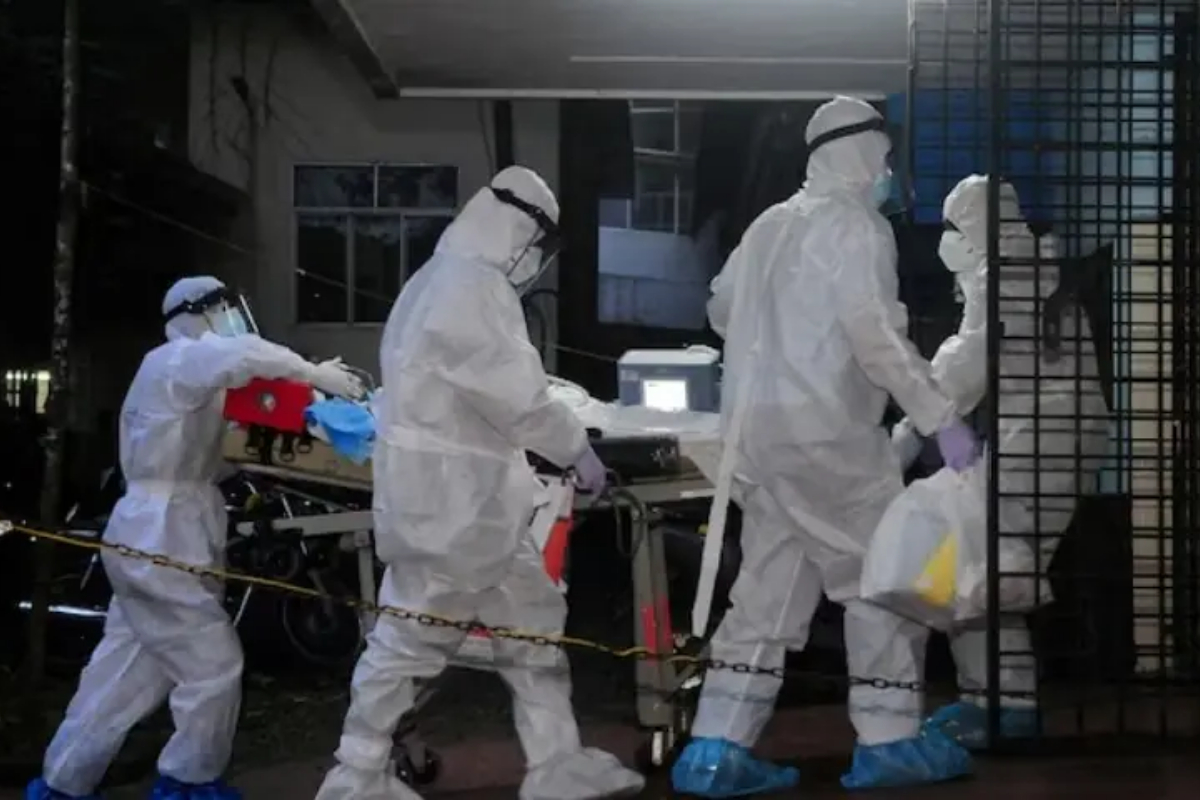
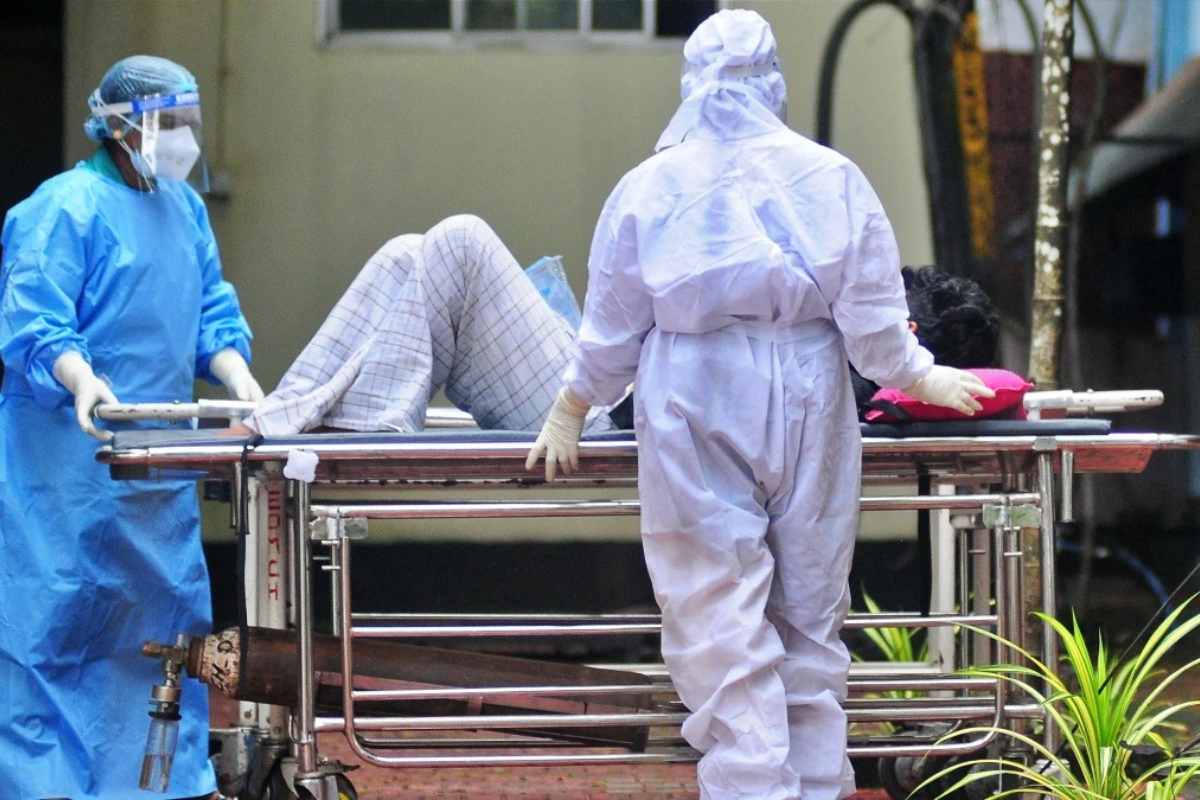
DHAKA: A woman has died after contracting the Nipah virus in Bangladesh, the World Health Organization (WHO) has confirmed. The deceased, aged between 40 and 50 years, was a resident of Naogaon district.

According to details, symptoms of the virus appeared on January 21, including fever, headache, excessive salivation, confusion, and seizures.

The woman’s condition deteriorated rapidly, and she passed away about a week later. Laboratory confirmation of the Nipah virus came a day after her death.

Health officials stated that the woman had recently consumed raw date palm sap, a known risk factor for Nipah virus transmission.

She had no recent travel history. After being admitted to hospital on January 28, blood and throat samples were collected, and the virus was confirmed in laboratory tests on January 29.

The WHO said that 35 individuals who came into close contact with the patient are currently under monitoring, and so far, no symptoms have been detected among them.

This case has emerged shortly after two Nipah virus cases were reported in India’s West Bengal, prompting several South Asian countries to strengthen health screening and surveillance measures at airports.

The WHO chief described Nipah as a rare but highly serious disease, stating that authorities are actively working to enhance disease surveillance, testing, prevention strategies, and public awareness to protect communities.

According to reports, around 348 Nipah virus cases have been recorded in Bangladesh since 2001. Nearly half of these cases were linked to the consumption of raw date palm sap. The fatality rate of the virus ranges from 40 percent to as high as 75 percent.

The WHO has emphasized that no specific vaccine or treatment is currently available for Nipah virus. The disease is primarily transmitted from bats to humans, often through contaminated fruits or raw date palm juice.

In response to regional concerns, Malaysia, Thailand, Indonesia, Singapore, and Pakistan, among other countries, have initiated temperature screening at airports. Singapore has also mandated 14 days of daily temperature and symptom monitoring for workers arriving from West Bengal.

Tobacco, diet, and pollution linked to 40% of preventable cancer cases: WHO

Tobacco

According to a study released by the World Health Organization (WHO) on the occasion of World Cancer Day, nearly 40 percent of cancer cases worldwide could be prevented by avoiding known risk factors that contribute to the disease.

The research highlights that behaviors and exposures such as tobacco use, alcohol consumption, air pollution, and certain infections account for a significant portion of cancer risk. In 2022 alone, the study estimates that 37 percent—or roughly 7.1 million—new cancer cases could have been prevented.

Key Risk Factors and Preventable Cancers

The WHO’s International Agency for Research on Cancer (IARC) analyzed 30 factors that increase cancer risk. Findings include:

Tobacco use is linked to 15 percent of all cancer cases.

Other major contributors include infectious agents (10 percent) and alcohol consumption (3 percent).

Additional risk factors include obesity, physical inactivity, ultraviolet (UV) exposure from sunlight, and air pollution.

The study emphasizes that cancers with the highest potential for prevention—nearly 50 percent of cases—include lung, stomach, and cervical cancers. Lung cancer is primarily associated with tobacco use and air pollution, stomach cancer is linked to Helicobacter pylori infection, and cervical cancer is mostly caused by HPV, against which vaccines are effective.

Gender Differences in Preventable Cancer Cases

The research indicates that men have a higher proportion of preventable cancer cases compared to women—45 percent versus 30 percent. Among these, about one-quarter of preventable cancers in men are due to tobacco, compared with 11 percent in women.

WHO experts called on governments worldwide to implement strict tobacco control measures, ensure access to vaccines for preventable infections such as HPV, improve air quality, promote healthy diets, and encourage physical activity.

The study concludes that reducing the global cancer burden requires addressing other non-communicable disease risk factors as well, including tobacco, alcohol, ultra-processed foods, and environmental pollutants.

This research represents the first global analysis demonstrating that a significant portion of cancer cases could be avoided through targeted prevention strategies.

Five Nipah virus cases confirmed in West Bengal, India

Five Nipah virus

Authorities in West Bengal, India have confirmed five cases of Nipah virus, including infections among doctors and nurses, local media reported. One patient’s condition is reportedly critical.

According to international news agencies, affected individuals are receiving treatment in Kolkata and nearby hospitals, while approximately 100 people have been placed under precautionary home quarantine. The health department has intensified monitoring to contain the situation.

The World Health Organization (WHO) classifies Nipah virus as a high-risk pathogen. Experts note that the virus is primarily transmitted from bats to humans, often through contaminated fruits. Currently, no vaccine or specific treatment exists for the infection.

The U.S. Centers for Disease Control and Prevention (CDC) warns that early symptoms of Nipah virus, such as fever, headache, and weakness, are nonspecific, making timely diagnosis challenging. The virus has an incubation period ranging from 4 to 21 days.

Health authorities have urged residents to take precautionary measures and report any symptoms immediately to prevent further spread.

Hospitals overwhelmed as ‘Super Flu’ cases rise globally

Super Flu

LONDON/ ISLAMABD: A wave of super flu has led to a worrying increase in hospital admissions across various regions worldwide.

According to the World Health Organization (WHO), a new strain of influenza, A(H3N2) sub-group ‘subclade K’, has caused a rapid rise in flu cases in the UK and several European countries.

The UK Department of Health reported that hospitals are admitting an average of over 2,600 patients daily, marking a 50% increase compared to last week.

UK Health Minister described the situation as the greatest pressure on hospitals since COVID-19, while WHO noted that the new strain is not more dangerous, though its spread began earlier than usual.

Children and the elderly are among the most affected, prompting some schools to temporarily close or reduce operational hours to curb transmission.