
BREAKING NEWS
Advertise with us >

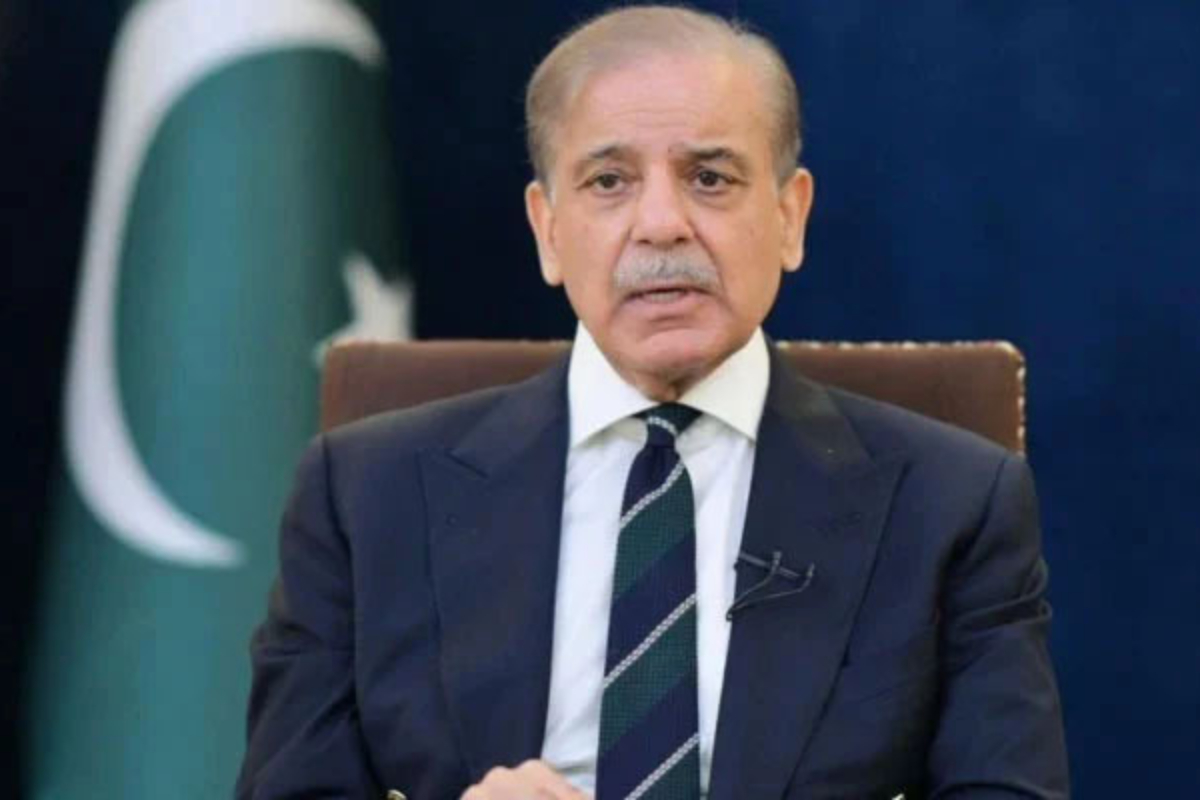
PM Shehbaz says budget brings relief as economic stability achieved

PM Shehbaz

ISLAMABAD: Prime Minister Shehbaz Sharif on Friday said Pakistan has achieved economic stability with the grace of Allah and the prayers of the nation, adding that this stability has enabled the government to provide relief to the public in the federal budget.

In a statement after the budget session, the prime minister thanked citizens for their patience and resilience during challenging economic conditions, saying they played a key role in supporting national recovery.

He said the government had promised that once economic stability was achieved, its benefits would be passed on directly to the people. “Alhamdulillah, the era of prosperity has now begun,” he said.

Shehbaz Sharif described the budget as one of relief and public welfare, adding that it reduces the burden on the salaried class and promotes exports, agriculture, industrial growth, investment, and overall economic development.

He said the main objective of the budget was to ensure that the benefits of economic stability reach ordinary citizens directly.
Pakistan proposes sharp tax hike on solar, electric and hybrid vehicles in budget

Pakistan proposes

ISLAMABAD: The federal government is considering significant tax increases on solar panels and electric and hybrid vehicles in the upcoming fiscal year 2026–27 budget, according to official sources.

Under the proposed measures, the General Sales Tax (GST) on solar panels is expected to be raised from 10% to 18%. Similarly, the GST on electric vehicles may be increased from 1% to 18%, while hybrid vehicles could see tax rates rise from 8% to 18%.

Officials said the proposals also include higher taxation on motorcycles, rickshaws, trucks, buses, electric pickups, tractors, and double-cabin vehicles, which could result in a broad increase in transportation and renewable energy costs.

Sources indicated that the planned tax hikes are likely to make solar panels and electric and hybrid vehicles more expensive for consumers if approved.

The International Monetary Fund (IMF), according to sources, has opposed granting tax exemptions. However, the government is still attempting to persuade the lender to allow relief for the renewable energy sector.

The IMF has reportedly maintained that any tax exemptions must be offset through alternative revenue measures to ensure fiscal balance.

Officials further said that, based on current proposals, prices across the electric mobility and solar energy sectors are expected to rise if the new tax structure is implemented.

The IMF has also reportedly suggested increasing GST on electric vehicles to 18% and raising tax rates on hybrid vehicles to the same level.

In addition, industry stakeholders have urged the government to release Rs327 billion in pending tax refunds to the textile sector and have called for reductions in electricity and gas tariffs. Exporters could potentially receive relief of up to Rs100 billion, although officials say prospects for a large-scale relief package remain limited.