
BREAKING NEWS
Advertise with us >

Trump claims Iran halted execution of 8 women after his appeal

Trump claims

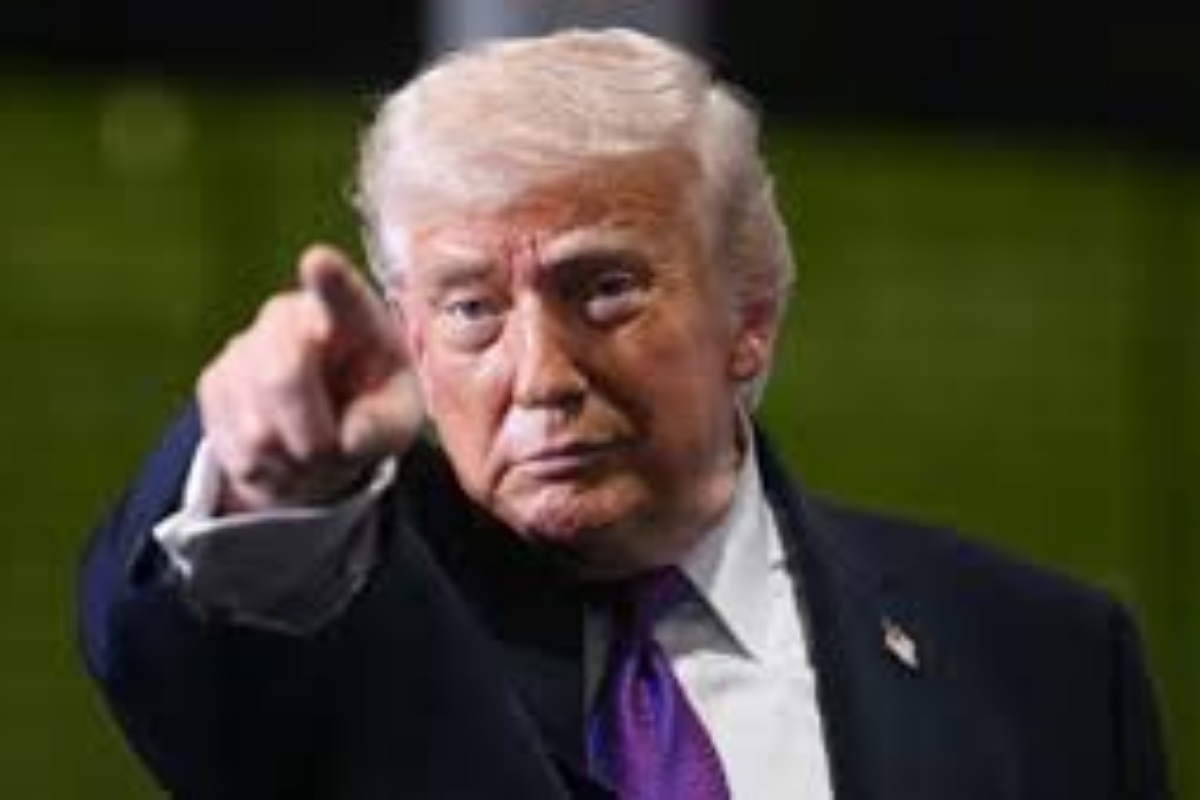
WASHINGTON: US President Donald Trump has claimed that Iran has halted the execution of eight women following his request, according to a statement shared on his social media platform.

In a post on Truth Social, Trump said he had been informed that the eight women, who were reportedly scheduled to be executed, would no longer face the death penalty.

He added that four of the women would be released immediately, while the remaining four would be freed after serving one month in detention.

Trump expressed appreciation toward the Iranian leadership for, as he stated, respecting his appeal and deciding to stop the executions.

It is noteworthy that a day earlier, Trump had shared images of the women on social media and called for their release, urging Iranian authorities to ensure their safety and describing their act as a positive step toward upcoming negotiations.

However, according to U.S. media reports, the detention of these eight women in Iran could not be independently verified. Meanwhile, Iran’s judiciary has denied reports that eight women were sentenced to death.

A statement from Iranian judicial authorities, cited by international media, said the U.S. president had once again been misled by “fake news,” adding that some of the women mentioned had already been released, while others if convicted would face imprisonment rather than capital punishment.
Iran signals naval readiness as tensions rise with US over maritime restrictions

Iran signals naval

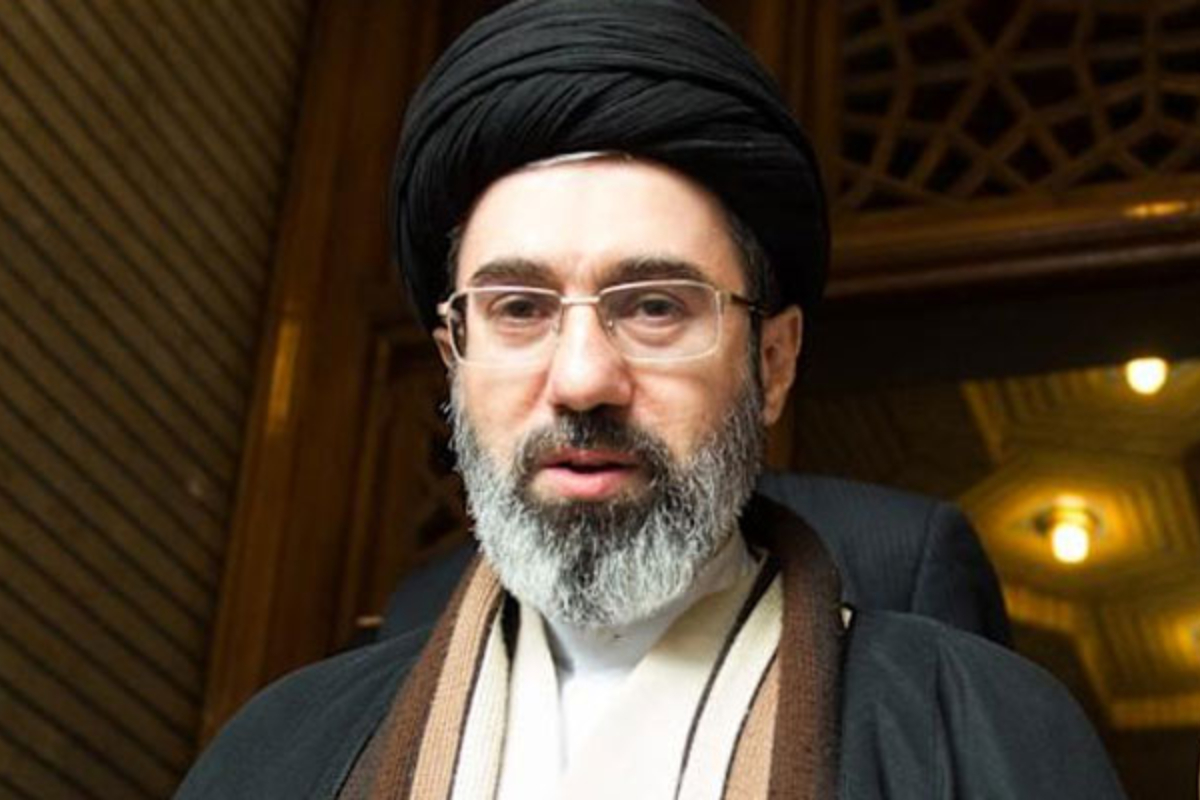
TEHRAN: Supreme Leader of Iran Mojtaba Hosseini Khamenei has stated on social media that Iran’s naval forces are fully prepared to inflict new setbacks on its adversaries, saying the navy stands ready to deliver “fresh and bitter defeats” to enemy forces.

In a separate development, Iran’s Deputy Foreign Minister Saeed Khatibzadeh told a media briefing that the United States’ alleged blockade of Iranian ports is illegal and argued that Iran’s defensive measures are aimed at protecting the wider region.

Khatibzadeh also commented on statements attributed to US President Donald Trump regarding deadlines for a potential agreement, accusing Washington of presenting contradictory positions on military action and diplomacy.

He said Iran must continue strengthening its defense capabilities and suggested that the country would persist in its stance amid ongoing tensions, adding that conflict cannot produce positive outcomes.

Field Marshal Asim Munir concludes 3-day official visit to Iran

Field Marshal Asim

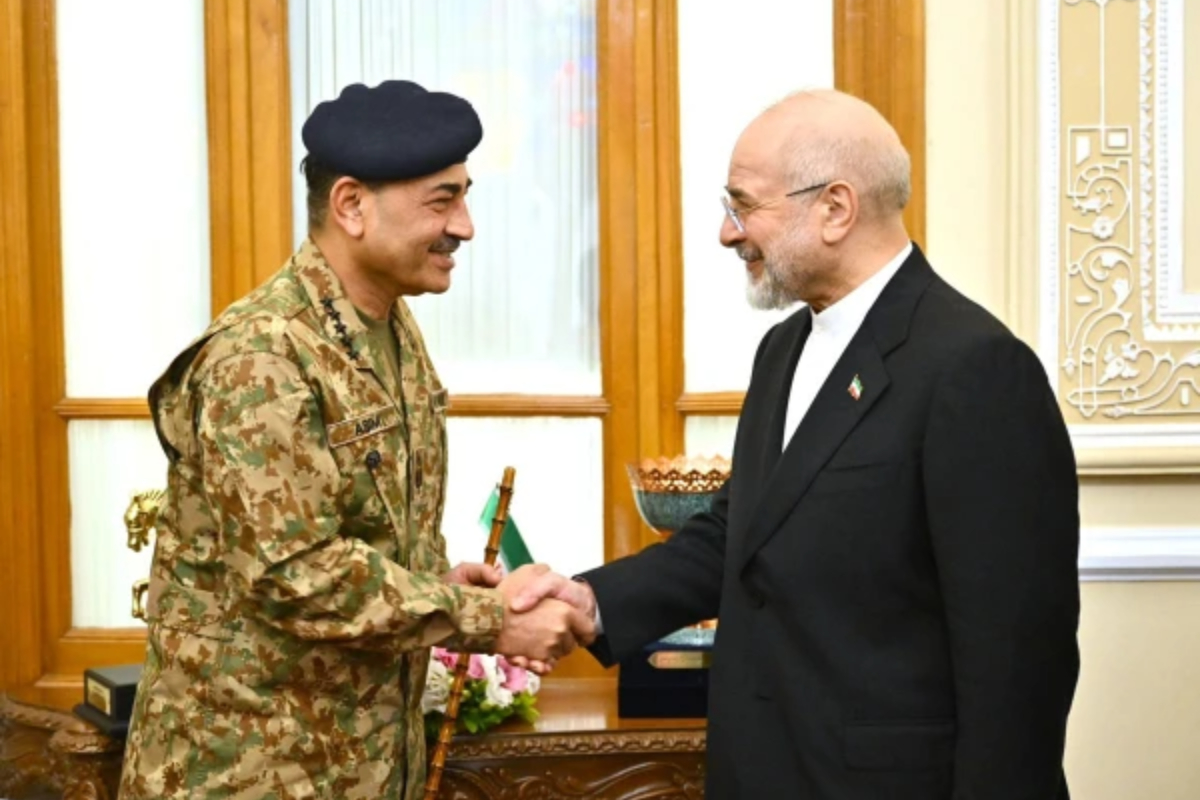
RAWALPINDI: Field Marshal Asim Munir and Mohsin Naqvi have concluded a three-day official visit to Iran along with a high-level delegation, according to the Inter-Services Public Relations (ISPR).

In a statement, Inter-Services Public Relations confirmed that during the visit, Field Marshal Asim Munir met Iranian President Masoud Pezeshkian and held separate meetings with Speaker of the National Assembly Mohammad Bagher Ghalibaf, Foreign Minister Abbas Araghchi, and Major General Ali Abdollahi, Commander of the Khatam al-Anbia Headquarters.

During the meetings, Field Marshal Munir emphasized the importance of dialogue, de-escalation, and sustained diplomatic engagement for resolving regional issues.

He also expressed gratitude to the Iranian leadership and people for their warm hospitality.

According to ISPR, the army chief conveyed best wishes from the President, Prime Minister, and people of Pakistan, and reiterated the commitment to further strengthen the longstanding and brotherly relations between Pakistan and Iran.

Iran restores tight control over Strait of Hormuz, blames US blockade

Iran restores tight

Tehran: Islamic Revolutionary Guard Corps of Iran has announced that control over the Strait of Hormuz has returned to its previous status following continued US restrictions on Iranian ports.

According to a report by Al Jazeera, the IRGC stated that no changes have been made to the Strait’s operational status, emphasizing that it is now fully under the strict control of Iran’s armed forces.

In an official statement, the IRGC criticized the United States, accusing it of engaging in “maritime piracy” under the guise of enforcing a blockade.

 The statement further asserted that the Strait of Hormuz remains under tight surveillance and control by Iranian forces.

An IRGC commander warned that stringent monitoring of the waterway will continue until the United States restores complete freedom of navigation for vessels in the region.

Iranian authorities also said that security and oversight of regional sea routes have been further intensified to prevent any illegal activities.

The move is being viewed as a reassertion of Iran’s influence over one of the world’s most critical global trade corridors.

Iran reopens Strait of Hormuz, Trump thanks Tehran as oil prices fall

Iran reopens

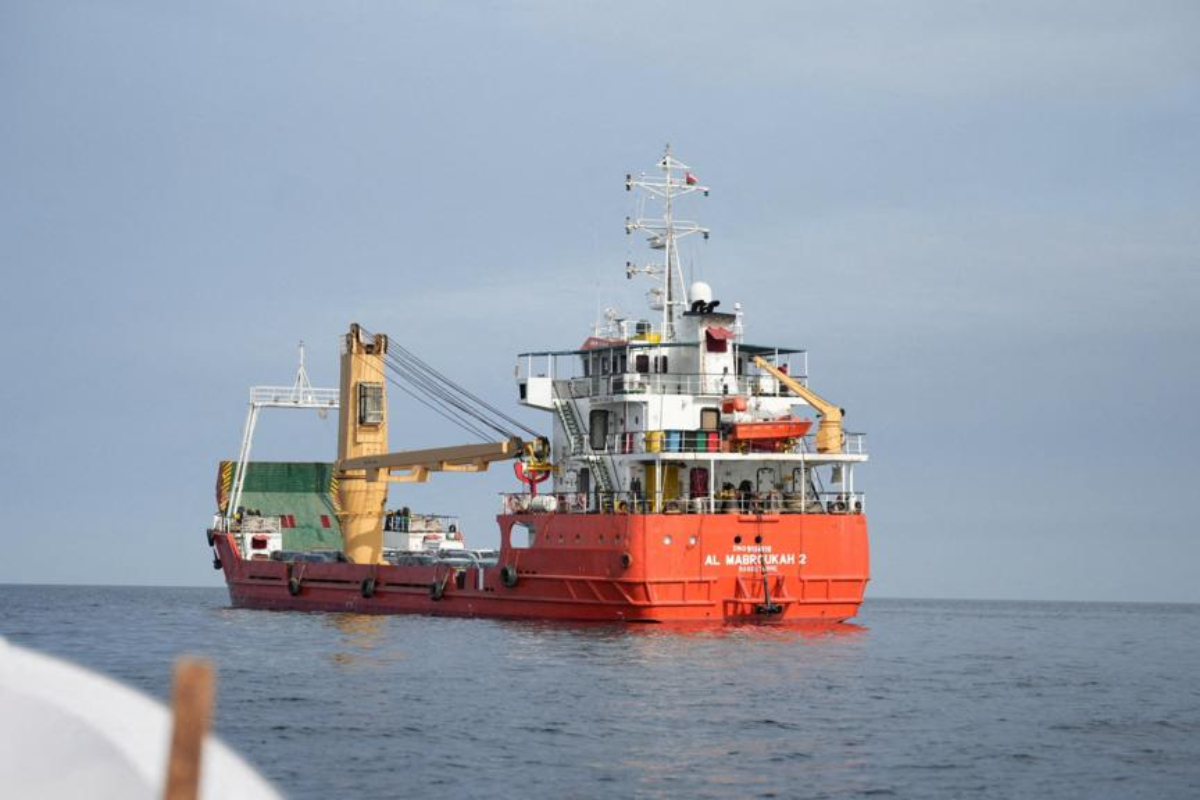
TEHRAN: Iran has announced the reopening of the Strait of Hormuz for commercial vessels following a ceasefire in Lebanon, allowing maritime trade to resume through one of the world’s most critical shipping routes.

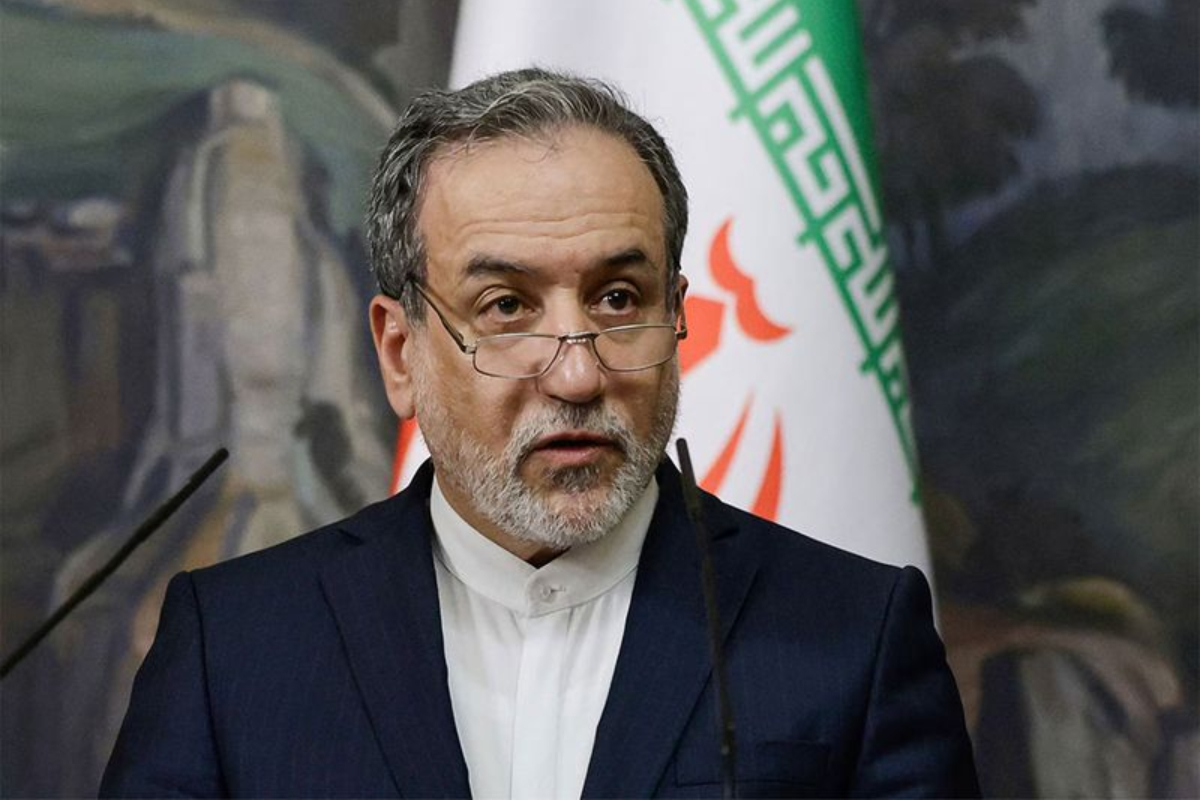
Iranian Foreign Minister Abbas Araghchi said in a post on social media platform X that the strait has been fully reopened for all commercial shipping and will remain operational during the remaining period of the ceasefire.

He added that vessels will pass through designated maritime corridors managed by Iran’s Ports and Maritime Organization to ensure coordinated and regulated navigation.

According to the Iranian foreign minister, the move is aimed at easing regional tensions and supporting the restoration of global trade flows.

The Strait of Hormuz is a vital energy corridor through which a significant share of the world’s oil shipments passes, making it highly sensitive for global markets.

Following the announcement, U.S. President Donald Trump expressed gratitude to Iran, posting “Thank you Iran” on social media in response to the reopening of the strategic waterway.

Meanwhile, global oil prices declined sharply after the development. U.S. crude oil fell by around 8 percent to 86 dollars per barrel, while Brent crude dropped by 6 percent to 93 dollars per barrel as concerns over supply disruptions eased.

Market analysts say the reopening has reduced geopolitical risk premiums, leading to a broad decline in energy prices worldwide.

US delegation to arrive in Islamabad for Iran talks

US delegation

Washington: The United States will send a high-level delegation to Islamabad for talks with Iran, White House spokesperson Karoline Leavitt confirmed.

She said the team, which includes Vice President JD Vance, Steve Witkoff and Jared Kushner, is scheduled to arrive in Islamabad, with the first round of negotiations expected on Saturday morning.

Leavitt noted that Iran had initially proposed a ceasefire and later agreed to workable terms, including reopening the Strait of Hormuz, after earlier proposals were rejected as unacceptable.

She emphasized that President Donald Trump’s red lines remain unchanged, particularly regarding freedom of navigation in the vital waterway.

She also revealed that Trump held a recent conversation with Israeli Prime Minister Benjamin Netanyahu, adding that Lebanon is not part of the current ceasefire framework and discussions on that front will continue.

Earlier, Prime Minister Shehbaz Sharif and Iranian President Masoud Pezeshkian held a telephone conversation, during which the Iranian leader thanked Pakistan for its efforts in facilitating the ceasefire and confirmed that an Iranian delegation would visit Islamabad for talks.

Diplomatic sources said the negotiations will focus on formalizing ceasefire arrangements, with senior officials from both sides expected to participate.

US Vice President JD Vance is expected to arrive in Pakistan late tonight along with a high-level delegation for dialogue with Iran, according to sources.

Sources said the delegation will include Steve Witkoff and Jared Kushner, who will participate in talks with the Iranian side.

A 23-member support team from the United States has already reached Islamabad, including security experts and other officials assisting the.

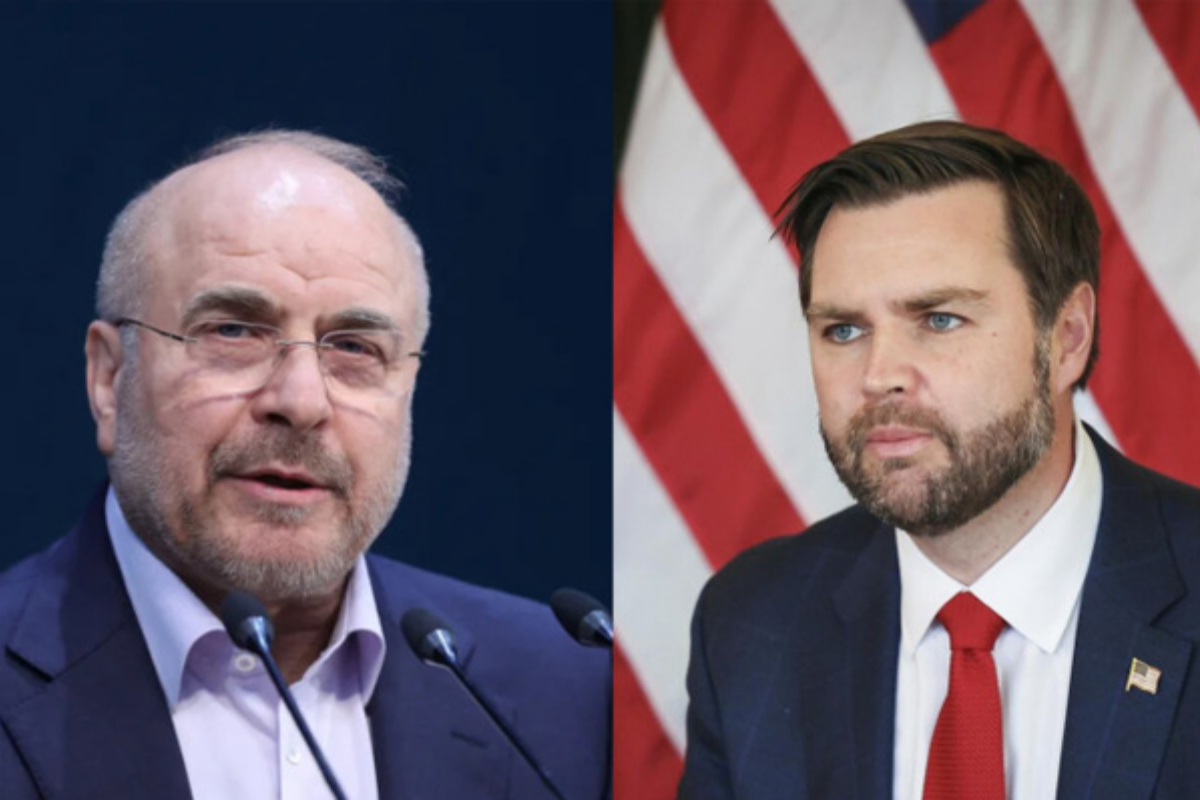
On the Iranian side, Parliament Speaker Mohammad Bagher Ghalibaf and Foreign Minister Abbas Araghchi are also expected to arrive in Islamabad later tonight for the negotiations.

Israel’s strikes in Lebanon put ceasefire under threat, says Iran

Israel’s strikes

TEHRAN:  Iran may reconsider its commitment to the ceasefire agreement if Israel continues military operations in Lebanon, according to reports.

As reported by Tasnim News Agency, sources said Tehran is weighing the option of withdrawing from the truce if the “Zionist regime” persists with attacks against Lebanon.

The report stated that under the two-week ceasefire plan, the United States had agreed to halt hostilities on all fronts, including actions against Hezbollah.

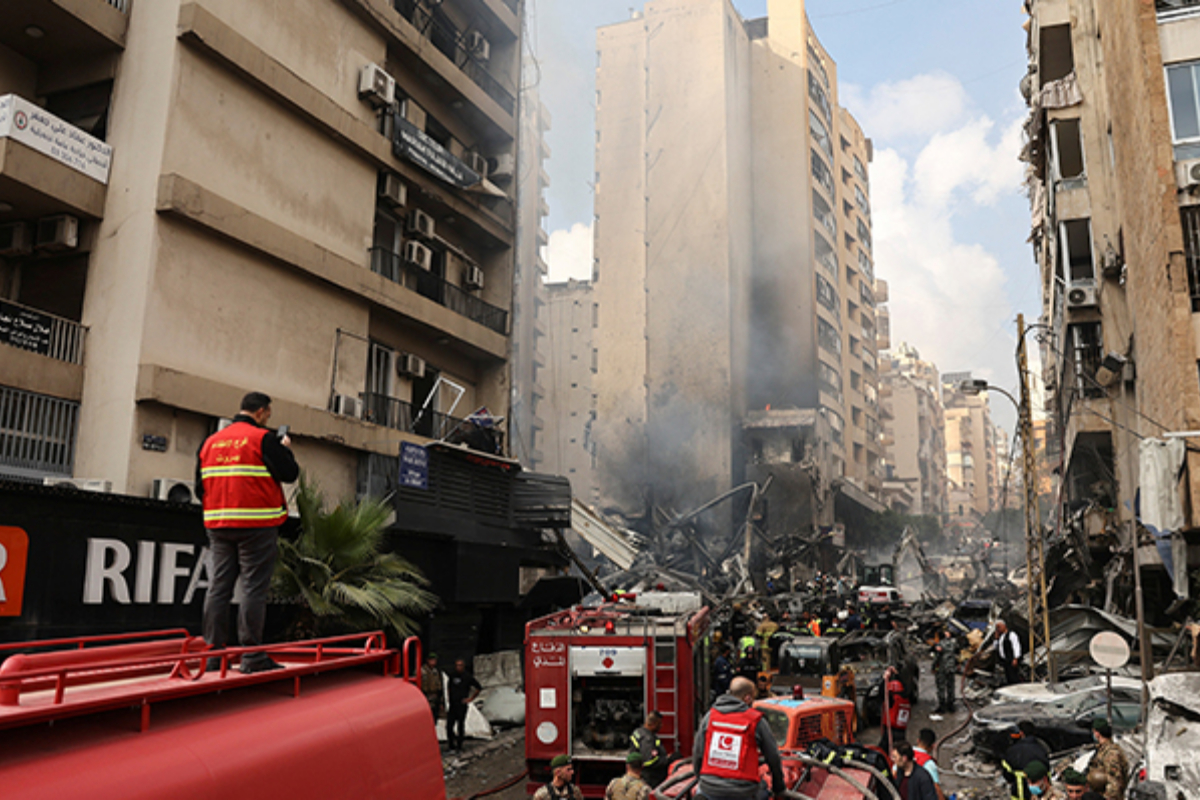
However, Israel’s renewed strikes on Lebanon were described as a clear violation of the agreement.

Sources further indicated that while Iran is reviewing its position on the ceasefire, its armed forces are simultaneously identifying potential targets in response to Israeli actions.

They warned that if the United States fails to restrain its regional ally, Iran may take matters into its own hands and respond with force.

Trump issues ultimatum to Iran over Strait of Hormuz

Trump issues

Washington: US President Donald Trump has once again issued a stark warning to Iran, stating that the country has just 48 hours to reach a deal or reopen the Strait of Hormuz, warning that failure to act could trigger catastrophic consequences.

Trump posted on his social media platform, Truth Social, recalling that he had previously given Iran 10 days to negotiate an agreement or open the Strait.

He added that the 10-day period is now ending, leaving only 48 hours, and reiterated that if no deal is reached, Iran would face severe repercussions.

 US report claims Pakistan-led peace efforts between Iran and America stall

 US report claims

Islamabad/Washington: A recent report by The Washington Post claims that the latest round of Pakistan-led regional efforts to broker a ceasefire between Iran and the United States has come to a halt.

According to the report, Iran is unwilling to meet US officials in Islamabad in the coming days, formally stating that America’s demands are unacceptable.

Despite the setback, diplomatic sources indicate that Turkey and Egypt are still attempting to make progress. Alternative venues for negotiations, including Doha, Qatar, and Istanbul, Turkey, are under consideration, along with new proposals to break the current deadlock.

Earlier, US President Donald Trump claimed on social media that Iran had requested a ceasefire, which Iran subsequently denied. Sources familiar with the matter said Trump had suggested that the US might consider a ceasefire if Iran reopened the Strait of Hormuz.

According to mediators, Iran initially stated that it would only consider ending hostilities if the US agreed to pay reparations, withdraw military bases from the Middle East, and provide guarantees against future attacks.

US legal experts call strikes on Iran ‘war crimes,’ raise serious concerns

US legal experts

WASHINGTON: Around 100 American experts in international law have described recent U.S. and Israeli strikes on Iran as potential war crimes, expressing deep concern over the nature and legality of the attacks.

According to reports, the legal experts, in an open letter, highlighted that targeting hospitals, schools, and critical infrastructure such as water and energy facilities in Iran is alarming and may violate international law.

They also criticized remarks attributed to U.S. President Donald Trump, who allegedly suggested that attacks on Iran could be carried out “for entertainment,” calling such statements dangerous and irresponsible.

The experts further stated that the ongoing conflict is costing American taxpayers approximately $2 billion per day.

In their letter, the legal scholars raised concerns over the legal basis for initiating the war against Iran, the conduct of military operations, threatening rhetoric, and what they described as a “blank check” policy.