BREAKING NEWS
Advertise with us >

Sustainable Fashion 2.0: How Asia Is Leading the Eco-Style Movement

Sustainable Fashion, Eco Style, Asia Trends, Circular Design, Lifestyle 2025


From Karachi to Kyoto, designers across Asia are reshaping the fashion industry with innovation, ethics, and sustainability — proving that style can also save the planet.
Sustainable Fashion, Eco Style, Asia Trends, Circular Design, Lifestyle 2025

A Revolution in the Making

The fashion industry, long criticized for its environmental footprint, is entering a new era — and Asia is at the forefront. In 2025, sustainability is no longer a niche. It’s a necessity.

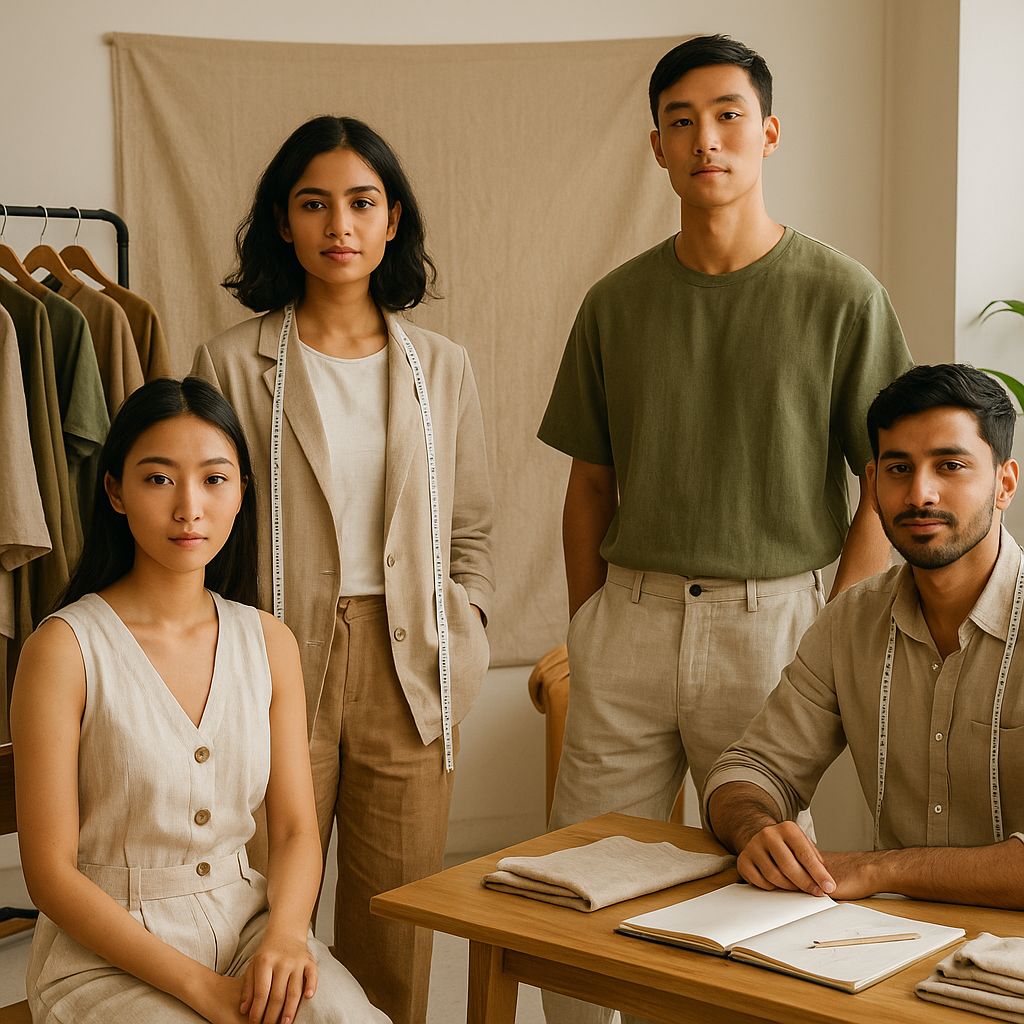
The shift is being led by young designers, textile innovators, and eco-conscious consumers who want to look good without hurting the planet. From Pakistan’s emerging fashion startups to Japan’s tech-infused fabrics, the region is redefining what responsible luxury means.

According to the Asia Fashion Sustainability Index 2025, over 40% of brands in South and East Asia have integrated some form of circular production — from recycled materials to zero-waste tailoring.


Pakistan’s Emerging Eco-Fashion Scene

Pakistan’s fashion industry — traditionally driven by luxury lawns and bridal couture — is seeing a quiet green revolution. Young designers are experimenting with organic cotton, plant-based dyes, and recycled denim.

Brands like Generation, Khaadi, and Sana Safinaz are incorporating sustainability into their supply chains, while emerging labels like Craft Stories and Zeenat EcoWear promote slow fashion and ethical sourcing.

In Karachi and Lahore, eco-markets and thrift pop-ups have become regular weekend events, where conscious consumers exchange, upcycle, and repair clothing.

“Our goal is to create pieces that last — not trends that fade,” says Hira Afzal, a Lahore-based designer who uses handwoven khaddar dyed with natural indigo.


Circular Design: The Future of Fashion

Globally, the next frontier in sustainable fashion is circularity — designing clothes that can be reused, recycled, or composted.

Asian innovators are leading the charge. In Japan, engineers are developing biodegradable fabrics from bamboo and algae. In India, startups are turning textile waste into accessories. In China, 3D knitting technology reduces material waste by nearly 80%.

Meanwhile, Pakistan’s cottage industries — long focused on handloom and natural fibers — are gaining recognition for their low-carbon, high-skill approach. The world is finally realizing that ancient craft was the original sustainable design.


Fashion Meets Technology

The intersection of fashion and technology is making sustainability scalable. Blockchain is now being used to trace the origins of fabric, while AI tools analyze consumer behavior to reduce overproduction.

Virtual try-on apps are helping shoppers make informed choices, cutting down returns and waste. Even global giants like Zara, Nike, and H&M are collaborating with Asian startups to incorporate smarter production and repair models.

In 2025, digital fashion — virtual outfits worn in the metaverse — has also emerged as an eco-friendly alternative to fast fashion.


The Rise of “Made Local” Culture

One of the most powerful aspects of the sustainable fashion movement is the revival of local craft. Across Asia, artisans are reclaiming traditional weaving, embroidery, and dyeing techniques that have been overshadowed by industrial production.

From the Ajrak makers of Sindh to batik artists in Indonesia and shibori dyers in Japan, small communities are now exporting their craftsmanship globally under fair trade partnerships.

This return to roots not only sustains livelihoods but also preserves cultural identity — a key aspect of sustainability often overlooked in the West.


Gen Z: The Driving Force

Today’s consumers are not passive buyers — they’re activists with wallets. Gen Z, which makes up nearly 30% of Asia’s population, demands transparency from brands.

A Deloitte Global Survey in 2025 revealed that 70% of young Asian consumers are willing to pay more for ethically produced clothing. This shift in mindset is reshaping fashion education, retail, and marketing across the continent.

Social media campaigns like #WearWhatMatters, #SlowMade, and #EcoStyleAsia are pushing brands to move beyond greenwashing and make measurable impact.


The Future Is Wearable Responsibility

Sustainable fashion is no longer a fringe idea — it’s the foundation of the future industry. Asia’s fusion of ancient craftsmanship and modern innovation is creating a blueprint for global change.

Pakistan, with its rich textile heritage and growing awareness, stands at the edge of a creative renaissance — one where designers, consumers, and artisans work together for a greener tomorrow.

In a world obsessed with newness, the real trend for 2025 is timelessness — where every thread tells a story of care, culture, and consciousness.
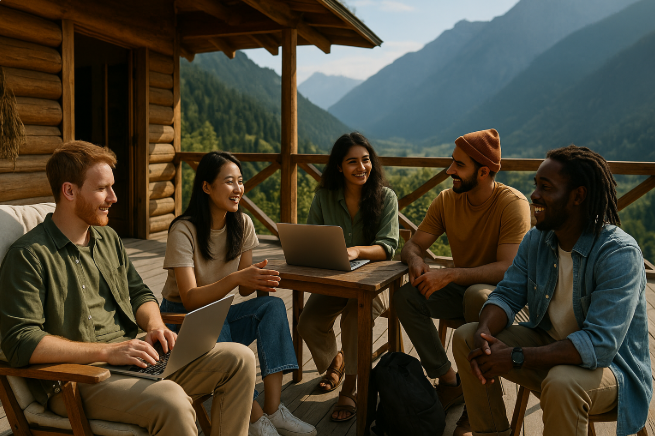

The Rise of Conscious Travel: How Global Nomads Are Redefining Freedom

Conscious Travel, Digital Nomads, Sustainable Tourism, Lifestyle 2025, Future Soch Global


From Lisbon to Lahore, a new generation of travelers is moving away from luxury tourism and embracing slow, mindful, and meaningful journeys.


The End of the “Check-in and Leave” Era

Travel is changing — not just how people move, but why. For decades, tourism was about ticking destinations off a bucket list. But in 2025, a global shift is underway: travelers are seeking connection over collection.

Enter conscious travel — a movement built around sustainability, local culture, and self-discovery. It’s led by digital nomads, young explorers, and eco-conscious adventurers who want to leave a positive impact wherever they go.

According to the World Travel Index 2025, 68% of travelers under 35 prefer “experience-based travel” over sightseeing tours. The rise of remote work and location independence has turned travel from a vacation into a lifestyle.


What Is Conscious Travel?

Conscious travel isn’t about giving up luxury — it’s about traveling with awareness. It means asking:

  • How does my trip affect the environment?
  • Who benefits from my spending?
  • Am I learning something meaningful?

For many global nomads, this mindset has redefined freedom. They’re staying longer in fewer places, volunteering with local communities, and choosing eco-friendly accommodations.

In Pakistan, eco-lodges in Hunza and Skardu now attract global travelers who want to combine work with adventure — often staying for weeks, not days.


Digital Nomads: Living Everywhere, Belonging Nowhere

The global nomad community is growing faster than ever. According to Forbes 2025, there are now over 40 million digital nomads worldwide, working remotely from destinations in Southeast Asia, Europe, Africa — and increasingly, South Asia.

Cities like Lisbon, Bali, Tbilisi, and Chiang Mai have become hubs for creatives, freelancers, and entrepreneurs seeking cultural immersion and slower living. But now, lesser-known destinations — like Lahore, Kathmandu, Colombo, and Tashkent — are joining the global map.

“Conscious travel means being part of a place, not just passing through,” says Fatima Khan, a Pakistani filmmaker working remotely in Georgia. “I spend on local businesses, avoid chain hotels, and learn basic phrases of the local language — it changes everything.”


The Sustainability Mindset

The climate crisis has made travelers rethink their footprint. Carbon-neutral flights, solar-powered stays, and “plastic-free itineraries” are the new benchmarks for responsible travel.

In 2025, airlines are offering eco-offset options, and booking platforms like Airbnb Green highlight sustainable homes. Tour operators now collaborate with conservation NGOs to ensure tourism supports rather than harms local ecosystems.

Pakistan’s northern regions, for instance, have launched the “Clean Travel Pakistan Initiative,” which encourages waste-free tourism and reforestation programs supported by visiting travelers.


Slow Living, Local Impact

One of the biggest shifts in global travel is the return to slow living. Instead of rushing through 10 cities in 10 days, people now choose one location to stay for a month — cooking local food, working remotely, and connecting with communities.

From coffee farms in Colombia to villages in Hunza, travelers are helping locals develop homestays, market crafts, and promote cultural exchange. This kind of tourism builds empathy, reduces stress, and creates sustainable economic cycles.

“It’s about realizing that travel isn’t an escape — it’s an education,” says Emily Zhao, a Singaporean travel blogger based in Portugal.


The Role of Technology

Ironically, technology — once blamed for detachment — is enabling connection. Apps like WorkFrom, NomadList, and Remote Year now help global citizens find workspaces, meetups, and eco-stays that match conscious values.

Even Pakistani startups are entering the scene. StayCation.pk and Nomadistan promote flexible travel options for freelancers seeking remote-friendly destinations in Asia.

With Wi-Fi now available in mountain towns and coastal villages, “living anywhere” has become a real possibility — and living meaningfully everywhere is the next evolution.


Pakistan’s Role in the New Travel Map

With its dramatic landscapes, affordable living, and emerging coworking culture, Pakistan has the potential to become South Asia’s next conscious travel hub. The new generation of travelers isn’t afraid to go off the beaten path — and they value authenticity more than comfort.

Eco-friendly lodges in Gilgit, Hunza, and Swat are already attracting international guests who want to volunteer, teach, or document their journey. With better connectivity and safety reforms, Pakistan could become a top pick for global nomads within the next five years.


The Future of Travel Is Purpose

Conscious travel isn’t just about seeing the world — it’s about changing it, one trip at a time. The future of tourism belongs to those who travel lightly, thoughtfully, and responsibly.

As the world redefines freedom after years of digital burnout and consumer fatigue, this generation of travelers is proving that real wealth lies not in what you own, but in what you experience.

Digital Burnout: Why Gen Z Around the World Is Taking a Step Back from Screens

Digital Burnout, Lifestyle 2025, Gen Z Trends, Mindfulness, Future Soch Global


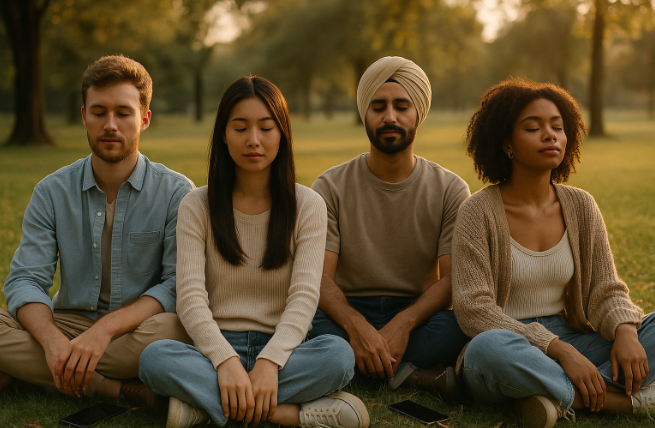
From Karachi to California, a silent rebellion is growing — Gen Z is turning off notifications, logging off social media, and redefining what it means to truly “connect.”


The Generation That Grew Up Online — and Now Wants Out

For more than a decade, Gen Z has lived, studied, and worked online. They are the first generation to have grown up fully connected — shaped by smartphones, social media, and streaming. But in 2025, something remarkable is happening: they’re stepping back.

Across continents, young people are deleting apps, reducing screen time, and taking digital detox breaks. A movement once seen as temporary is now becoming a global lifestyle shift — from university students in London to influencers in Lahore, everyone’s realizing that constant connectivity has a cost.

“I realized I was living for likes, not life,” says Hannah Kim, a 23-year-old student from Seoul. “Now I only check Instagram once a week — and my anxiety is gone.”


The Cost of Constant Connection

The digital world has blurred the line between rest and work, leisure and labor. Studies show that Gen Z spends over 8 hours a day on screens, often juggling multiple platforms. Notifications, algorithmic feeds, and endless scrolling create a cycle of dopamine highs and emotional fatigue — what experts now call “digital burnout.”

According to a 2025 Global Wellness Report, more than 60% of young adults say their mental health is negatively affected by overexposure to digital media. Symptoms include anxiety, distraction, poor sleep, and loss of motivation.

Psychologist Dr. Ayesha Malik from Pakistan’s Aga Khan University explains:

“Digital burnout is not just about technology — it’s about attention. When our attention is constantly divided, our creativity and emotional resilience decline.”


Digital Detox Becomes a Global Lifestyle

In response, Gen Z isn’t abandoning technology — they’re redefining their relationship with it.

In the U.S. and Europe, “Digital Sabbaths” — one day per week offline — have become popular. In Japan and South Korea, minimalist phones and distraction-free apps are trending. Meanwhile, in South Asia, influencers and students are creating online communities focused on slow living, mindfulness, and intentional use.

On TikTok, hashtags like #DigitalDetox, #OfflineIsTheNewLuxury, and #UnplugToRecharge are trending worldwide — with billions of views.

In Pakistan, content creator Hira Zainab shared her journey of deleting social media for a month:

“I gained more focus, read three books, and felt human again. Sometimes the best post is the one you never upload.”


Workplaces Are Catching Up

Employers are beginning to take note. Startups and corporations are introducing “digital wellness policies”, encouraging employees to disconnect after hours. The four-day workweek, hybrid offices, and flexible schedules are now part of a broader mental health revolution.

Tech companies themselves are innovating toward wellness. Apple’s “Screen Time Insights” and Google’s “Focus Mode” are now joined by apps like Opal and One Sec, which block impulsive social media use.

In Europe, a growing number of firms now practice “Right to Disconnect” laws — giving employees legal permission to ignore work messages after hours.


The Mindful Internet Generation

Paradoxically, it’s technology itself helping people escape its grip. Meditation apps, wellness podcasts, and mindfulness influencers are leading a counterculture movement — turning screens into tools for self-awareness, not addiction.

Online communities are also encouraging meaningful connection — smaller, private groups where users share personal reflections rather than performative content. The new goal isn’t virality — it’s authenticity.

Gen Z, once seen as “chronically online,” is now becoming consciously online.


Relearning How to Be Human

Experts say this movement is about more than apps — it’s about a cultural realignment.
For years, productivity culture equated constant activity with success. Now, young people across the world are asking a deeper question: What does it mean to feel alive in the digital age?

From Karachi’s youth cafes to Berlin’s mindfulness collectives, a new philosophy is taking root — one that blends connection with consciousness.

As one London-based psychologist notes:

“Gen Z is not anti-technology. They just want tech that serves humanity — not the other way around.”


The Future Is Slower — and Happier

Looking ahead, digital detox is not a passing trend; it’s the foundation of a new global lifestyle. Schools are teaching digital literacy and emotional intelligence; brands are promoting “tech-free experiences”; and urban planners are designing wellness parks and screen-free spaces.

Pakistan, India, and the broader South Asian region are poised to lead this change — with a young, aware, and creative generation balancing global ambition with emotional well-being.

In a hyperconnected world, logging off has become the new luxury.

The Rise of Minimalist Living in Pakistan: Why Less Is the New Luxury

Minimalism Pakistan, Lifestyle 2025, Sustainable Living, Mental Health, Future Soch


As consumerism loses its charm, a quiet revolution is taking root across Pakistan — one that values simplicity, space, and sustainability over status.


A Shift in Mindset

In a world obsessed with more — more possessions, more upgrades, more distractions — a growing number of Pakistanis are choosing less. From Karachi’s urban professionals to Lahore’s creative freelancers, the concept of minimalist living is redefining how people view comfort and success in 2025.

Minimalism, once seen as a Western aesthetic, is now being reinterpreted within Pakistani culture. It’s not just about decluttering homes — it’s about decluttering life. People are questioning consumer habits, rethinking waste, and seeking fulfillment through experiences rather than material possessions.

“I realized my apartment was full of things I never used,” says 30-year-old interior designer Sana Iqbal. “Once I let go of unnecessary stuff, I felt lighter — mentally and financially.”


Minimalism in Pakistani Homes

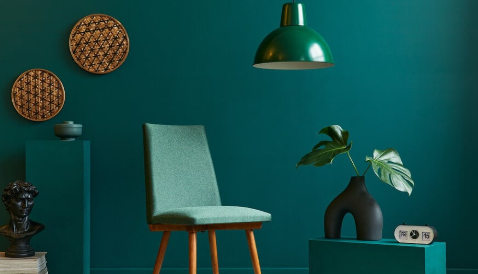
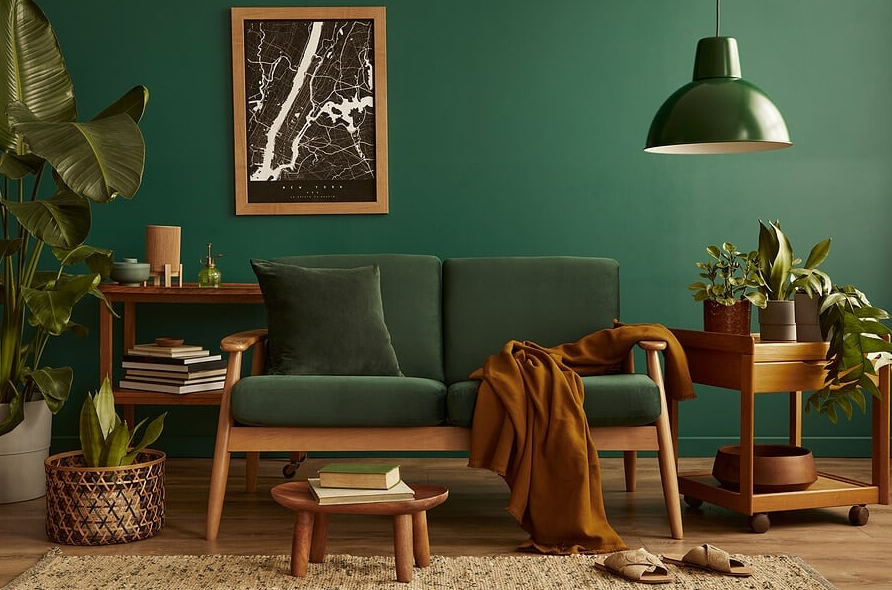
The trend has begun to reshape interior design. Clean lines, open spaces, and neutral tones are replacing heavy furniture and ornate decor. Designers are focusing on functionality — each object has a purpose.

Minimalism Pakistan, Lifestyle 2025, Sustainable Living, Mental Health, Future Soch

Architectural firms in major cities report increased demand for compact, multi-functional spaces. “Clients want homes that breathe,” explains architect Ahmed Shah from Islamabad. “They prefer natural light, fewer partitions, and sustainable materials like wood and clay.”

Even small apartments are becoming models of mindful living. Instead of filling rooms with furniture, people are investing in quality over quantity — a single handcrafted chair rather than a full, mismatched set.


Minimalism Meets Sustainability

Minimalism in Pakistan isn’t just aesthetic — it’s also environmental. With climate awareness growing, consumers are turning toward sustainable fashion, reusable products, and eco-friendly brands.

Platforms like Daachi Foundation and Polly & Other Stories are promoting local craftsmanship and upcycled design. The younger generation, especially Gen Z, is driving the “buy less, buy better” movement. Thrift stores and pre-loved clothing markets are thriving on Instagram, giving new life to what was once seen as waste.

This mindset is also influencing weddings and events — once known for extravagance. More couples are opting for intimate, minimalist ceremonies, emphasizing experience and meaning over scale and spectacle.


The Mental Freedom of Having Less

Psychologists note a direct link between clutter and stress. In Pakistan’s fast-paced cities, minimalism is becoming a form of mental wellness.

Decluttering spaces — both digital and physical — helps reduce anxiety and decision fatigue. “It’s about controlling your environment instead of being controlled by it,” explains therapist Dr. Huma Asif.

Digital minimalism is also on the rise. Many professionals are limiting screen time, curating social media, and switching to minimalist phone setups to focus on priorities. Apps like Notion and Forest are helping users stay organized and intentional.


Influencers and the Minimalist Aesthetic

Social media, ironically, has helped spread the minimalist lifestyle. Instagram accounts like Minimalist Pakistan and YouTube channels by Pakistani vloggers living abroad are inspiring thousands to adopt simplicity.

Content creators are promoting slow fashion, decluttering tips, and minimalist meal prep ideas that resonate with urban youth. The aesthetic of clean photography, neutral tones, and thoughtful design aligns perfectly with Gen Z’s craving for authenticity.


Minimalism as Freedom, Not Restriction

Critics often misunderstand minimalism as deprivation — but in truth, it’s liberation. It’s not about owning nothing; it’s about owning what matters.

For many Pakistanis, especially young families and freelancers, the shift toward minimalist living is also practical. With rising inflation and limited urban space, simplicity brings stability and peace. It allows individuals to focus on financial independence, creativity, and experiences rather than constant consumption.

“Luxury today isn’t having more,” says entrepreneur Bilal Hasan. “It’s about having time — time to think, to rest, and to live.”


A Global Trend, A Local Heart

While minimalism has roots in global design philosophy, Pakistan’s version carries a local spirit — blending simplicity with culture. Traditional homes in rural Punjab or Gilgit already embody this lifestyle — modest, functional, and connected to nature.

Now, that ethos is returning to urban life. The minimalist movement is inspiring Pakistanis to live consciously, create mindfully, and build spaces that reflect balance.

As the world rushes toward excess, Pakistan’s youth are quietly embracing a timeless truth: happiness doesn’t come from having everything — it comes from needing less.

Work-from-Anywhere: The Rise of Remote Living Among Pakistani Professionals

Remote Work, Lifestyle 2025, Pakistan Professionals, Freelancing, Work-Life Balance


From Gilgit’s mountain cafés to Karachi’s coworking hubs, a new class of Pakistani professionals is redefining work-life balance through flexible, location-free careers.


As the global workplace continues to evolve in 2025, Pakistan is witnessing its own version of the “remote living” revolution. The pandemic-era trend of working from home has matured into something bigger — work from anywhere.

Remote Work, Lifestyle 2025, Pakistan Professionals, Freelancing, Work-Life Balance

Thousands of Pakistani freelancers, tech workers, and entrepreneurs are now choosing mobility and freedom over traditional 9-to-5 routines. Many are relocating temporarily to scenic destinations like Hunza, Swat, and Skardu — turning cafés and guest houses into part-time offices. “All I need is my laptop and good Wi-Fi,” says Umar Zaman, a digital marketer from Lahore. “I’ve worked from three cities this year — and productivity hasn’t dropped.”

The rise of coworking spaces across Pakistan’s major cities has further fueled the trend. Startups like Daftarkhwan, Kickstart, and The Hive offer flexible memberships, allowing professionals to work from multiple locations with reliable connectivity and creative networking.

Experts believe this shift will reshape urban planning and employment patterns in the coming decade. With global companies increasingly hiring remote talent from Pakistan, the future workforce is more mobile, self-directed, and mentally balanced.

As one HR consultant put it, “Work-life balance in 2025 is not about less work — it’s about choosing where and how to work.”

Digital Detox: Why Pakistan’s Youth Are Logging Off for Mental Peace

Digital Detox, Lifestyle 2025, Mental Health, Pakistan Youth, Social Media


Constant notifications, digital pressure, and screen fatigue are pushing young Pakistanis to take a break from social media — rediscovering mindfulness and real-life connection.


In 2025, a quiet movement is spreading among Pakistan’s youth — the digital detox. Overwhelmed by endless scrolling, online comparisons, and algorithmic stress, many young people are intentionally logging off for days or weeks to regain focus, creativity, and peace of mind.

From Karachi to Islamabad, university students and young professionals are practicing “screen-free weekends” and attending wellness retreats focused on mental reset. “Social media made me feel like I was constantly behind in life,” says Zara Malik, a 24-year-old designer. “Disconnecting for a week helped me sleep better and think clearer.”

Experts say this shift reflects a global trend. A recent study by We Are Social found that nearly 40% of Gen Z users plan to reduce their screen time in 2025. In Pakistan, digital fatigue is amplified by the pressure to appear productive and successful online — a side effect of influencer culture and competitive workplaces.

Therapists and educators are now encouraging young people to balance online engagement with mindfulness, outdoor time, and community-based hobbies. Apps like “Forest” and “One Sec” are also gaining popularity for helping users manage screen time.

As one psychologist put it, “Logging off isn’t rejection — it’s recovery.”