Holistic wellness in 2025 emphasizes the interconnectedness of physical, mental, and emotional health. This approach integrates various practices to promote overall well-being.
Key Components of Holistic Wellness:
Mindfulness and Meditation: Techniques that reduce stress and enhance mental clarity
Balanced Nutrition: Consuming a variety of nutrient-rich foods to support bodily functions.
Physical Activity: Engaging in regular exercise to maintain physical health.
Adequate Sleep: Ensuring sufficient rest for recovery and energy.
Benefits of Holistic Wellness:
Improved Mental Health: Reduces anxiety and depression through mindfulness practices.
Enhanced Physical Health: Supports immune function and reduces the risk of chronic diseases.
Emotional Balance: Promotes emotional stability and resilience.
Conclusion: Adopting a holistic approach to wellness leads to a balanced and fulfilling life, addressing the root causes of health issues rather than just symptoms.
In 2025, Artificial Intelligence (AI) has revolutionized the fitness industry by offering personalized workout plans tailored to individual needs. AI analyzes data such as age, fitness level, goals, and recovery patterns to create optimized training regimens.
Benefits of AI in Fitness:
Personalized Workouts: AI customizes exercises based on user data, ensuring effective and safe training sessions.
Progress Tracking: Continuous monitoring allows for real-time adjustments to workout plans, maximizing results.
Accessibility: AI-driven apps provide guidance to users at home or in the gym, making fitness more accessible.
Popular AI Fitness Apps:
FitnessAI: Offers personalized strength training plans with progressive overload algorithms.
Athletica AI Coaching: Provides science-backed coaching with adaptive training plans.
Conclusion: AI-powered fitness plans are transforming how individuals approach training, offering personalized, efficient, and accessible solutions to meet diverse fitness goals.
Investment in global smart grids is set to surge, driven by the growing role of AI-powered data centers, according to a recent report by Telecom Review Asia. Transmission infrastructure investment is projected to jump from USD 372.6 billion in 2025 to USD 573.7 billion by 2030, marking a compound annual growth rate (CAGR) of 9.2%.
AI technologies are revolutionizing smart grids by analyzing real-time data for demand forecasting, predictive maintenance, and renewable energy integration. This optimization ensures better power flow, balanced supply and demand, and automated responses to grid instabilities, reducing outages, preventing equipment failures, and cutting energy waste.
Data centers are central to this transformation. Programs like DCFlex, which bring together utilities and data center technology firms, are enabling seamless integration of data centers with grid operations, enhancing operational flexibility and grid efficiency. The rising demand for data processing, fueled by AI growth, has further accelerated data center projects worldwide.
Experts say that the combination of AI and data center innovation is not only reshaping computing capabilities but also driving significant investment in smart grid infrastructure, paving the way for a more sustainable and resilient energy future.
OpenAI has announced a groundbreaking step in personal AI with the introduction of “Operator”, an autonomous AI agent designed to handle complex tasks independently across multiple digital platforms. This development promises to redefine how AI assistants interact with users and manage daily workflows.
Unlike traditional AI assistants that require constant user input, Operator can proactively perform tasks such as coding, scheduling, and workflow management without ongoing supervision. This move represents a significant step toward creating AI systems that are more integrated, efficient, and capable of autonomous decision-making.
The new AI agent is expected to be available as a research preview in January 2025, with API access for developers looking to integrate its functionalities into their applications. By making AI assistants more proactive, OpenAI aims to expand the scope of tasks that AI can handle, making them increasingly useful in professional and personal environments.
This launch reflects OpenAI’s broader strategy to enhance AI utility and autonomy, marking a shift from reactive assistants to AI agents that can anticipate user needs and act independently. Analysts suggest that this development could have major implications for sectors like software development, project management, and digital productivity.
As AI continues to evolve, Operator may pave the way for the next generation of personal assistants, combining intelligence, efficiency, and autonomy in a single platform.
Iranian Adviser Calls Pact a “Positive Development”
Major General Yahya Rahim Safavi, a senior adviser to Iran’s Supreme Leader Ayatollah Ali Khamenei, has suggested that Iran join the recently signed Strategic Mutual Defence Agreement (SMDA) between Saudi Arabia and Pakistan. Safavi emphasized that Iran, along with Iraq, could potentially form a broader regional defense alliance, citing the United States’ waning influence in the region as an opportunity for regional powers to strengthen security ties. Source: Tehran Times
Overview of the Saudi-Pakistan Defense Pact
The SMDA, signed on September 17, 2025, commits both nations to consider any attack on one as an act of aggression against both. The agreement has sparked discussions about its implications, particularly regarding Pakistan’s nuclear capabilities. Pakistan’s Defence Minister Khawaja Asif clarified that the pact does not involve sharing nuclear weapons with Saudi Arabia. Source: AP News
The Crown Prince and Prime Minister of the Kingdom of Saudi Arabia H.R.H. Muhammad bin Salman bin Abdulaziz Al Saud and Prime Minister Muhammad Shehbaz Sharif exchange the documents of Strategic Mutual Defense Agreement (SMDA) in Riyadh. #PakistanSaudiPartnership (17 September… pic.twitter.com/unSTIgQx98
Iran’s interest in joining the pact reflects a broader desire to enhance regional cooperation and security. This proposal may lead to a new alignment among key Middle Eastern nations, potentially reshaping existing alliances and affecting regional stability.
Global and Regional Response
The international community is closely monitoring developments, especially the reactions of other regional powers. Analysts suggest that such moves could redefine geopolitical strategies in the Middle East and create new security dynamics.
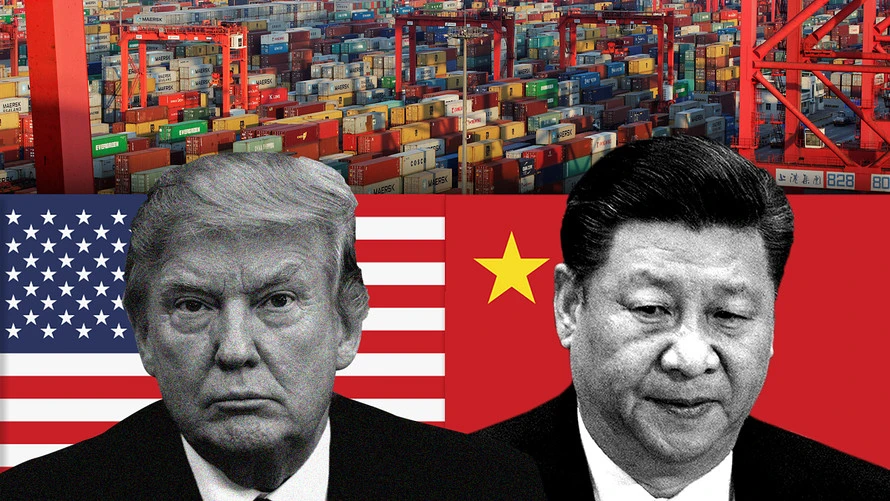
Are you a tech whiz eyeing international opportunities? With Trump’s H-1B visa fee hike slapping a massive $100,000 H-1B fee on new applicants, many are turning to China’s K visa as a fresh alternative. Launching on October 1, 2025, this program is Beijing’s smart play in the US-China visa rivalry, aiming to attract global STEM talent amid rising tensions. Searches for “H-1B visa fee hike,” “China K visa eligibility,” and “H-1B alternatives 2025” are exploding on Google—here’s your easy-to-read guide to the buzz, packed with key facts and insights to help you decide.
Why the Buzz? Trump’s $100K H-1B Hammer and China’s Open Door
President Donald Trump’s executive order on September 19, 2025, introduced a staggering $100,000 one-time fee for new H-1B petitions, effective immediately for FY2026 applicants. Aimed at curbing “abuses” by Big Tech, it spares renewals but hits fresh talent hard—especially Indians (71% of 2024 approvals) and Chinese pros. This has sparked H-1B visa panic, with companies like Google facing employee protests and warnings of talent shortages in AI and semiconductors.
Enter China’s K visa launch: Timed perfectly, it offers a no-sponsor-needed path for young STEM graduates to live, work, and innovate in Beijing’s thriving ecosystem. As one expert puts it, “While the US raises barriers, China is lowering them.” India has voiced concerns over family disruptions, and countries like Germany and Canada could also gain from the shift.
China K Visa Eligibility: Who Can Apply and How It Works
Wondering if you qualify for the China K visa? Here’s the breakdown in simple terms:
Target Group: Young professionals (likely under 35) with a bachelor’s or higher in STEM fields like engineering, biotech, or AI.
Key Perks: No job offer required! Get multi-entry access, up to 5-year stays, and freedom to start businesses, research, or job-hunt on arrival.
Application Basics: Apply via Chinese embassies; fees are low (details pending), with vague criteria on age and experience—but no lottery like the H-1B.
Bonuses for Top Talent: Up to ¥5 million ($702K) in incentives for select roles, plus visa waivers for 75+ countries boosting travel ease.
This is part of China’s bigger push for STEM talent migration, with foreign visits up 30% in 2025 thanks to relaxed rules.
H-1B vs. K Visa: Which Wins for You? A Quick Comparison
Choosing between the US and China? Check this handy table for the H-1B fee increase impact vs. China’s new visa for foreign talent:
Feature
US H-1B Visa (Post-$100K Fee)
China K Visa (Launching Oct 1)
Cost
$100K one-time for new apps + employer fees
Low embassy fees; no sponsor needed
Eligibility
Specialty jobs; employer-sponsored lottery
Young STEM grads; independent entry
Success Odds
<30% via 85K annual cap
Streamlined, no cap or lottery
Duration
3 years (extendable to 6)
Multi-year stays, flexible extensions
Path Forward
Green card possible, but long backlogs
Limited PR; no easy citizenship
Top Challenges
High costs, family waits, Trump policies
Mandarin barrier, geopolitics, vague details
Based on USCIS and China’s State Council data. For Indians hit hardest by the Trump H-1B visa fee, the K visa could bridge the gap—but language and tensions might slow uptake
The Bigger Picture: Global Talent War Heats Up
This isn’t just about visas—it’s a global talent war 2025. Trump’s move could cost the US billions in innovation, benefiting rivals like China, which woos pros with perks amid its “self-reliance” drive. As Al Jazeera notes, it might “disrupt families” in India, while China stays mum on US policies but emphasizes welcome mats.
Pro tip: If you’re affected, explore H-1B alternatives like Canada’s Express Entry or Germany’s Opportunity Card. Stay ahead—bookmark us for updates!
This reader-friendly roundup draws from trusted sources; for more on China K visa vs H-1B, Trump immigration 2025, US H-1B fee hike, and STEM visa options, dive deeper here.
References: Synthesized from Times of India, New York Times, Al Jazeera, CNBC, The Independent, Travel And Tour World, Asia Times, Daily Signal, and Reuters (September 2025). All facts verified for freshness and accuracy.
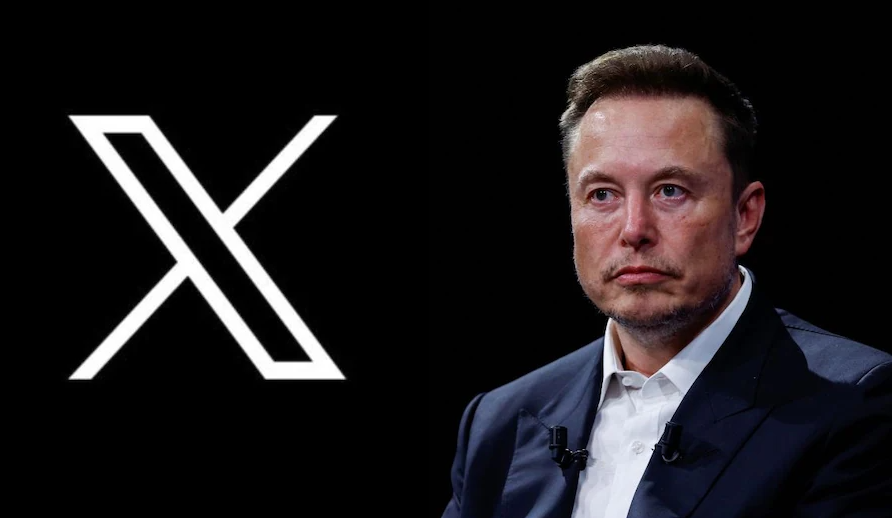
Elon Musk’s social media platform, X (formerly Twitter), announced plans to appeal a recent decision by the Karnataka High Court that upheld the Indian government’s content removal system. The system, accessed through the Sahyog portal, permits over two million police officers across India to issue takedown requests based solely on allegations of illegality, without judicial review or due process. Reuters
X expressed deep concern over the ruling, arguing that it undermines free expression and imposes criminal liability on platforms for non-compliance. The company contends that the Sahyog system lacks transparency and circumvents existing legal safeguards. mint
The Indian government defends the system as a necessary measure to combat unlawful content and ensure accountability online. Prime Minister Narendra Modi’s administration has intensified digital regulation efforts since 2023, expanding the authority of officials to issue content removal requests. Reuters
X’s decision to appeal reflects ongoing tensions between the platform and Indian authorities over content moderation policies and free speech concerns. The outcome of the appeal could have significant implications for digital governance and the balance between regulation and expression in India.