BREAKING NEWS
Advertise with us >

Shama Junejo Claims PM Shehbaz Personally Included Her in UN Delegation as Advisor

Shama Junejo seated at the United Nations General Assembly, claiming to be part of Pakistan’s official delegation as an advisor.

Shama Junejo, a political figure associated with Pakistan’s current administration, has claimed that Prime Minister Shehbaz Sharif personally included her as an advisor in Pakistan’s delegation to the United Nations General Assembly (UNGA).
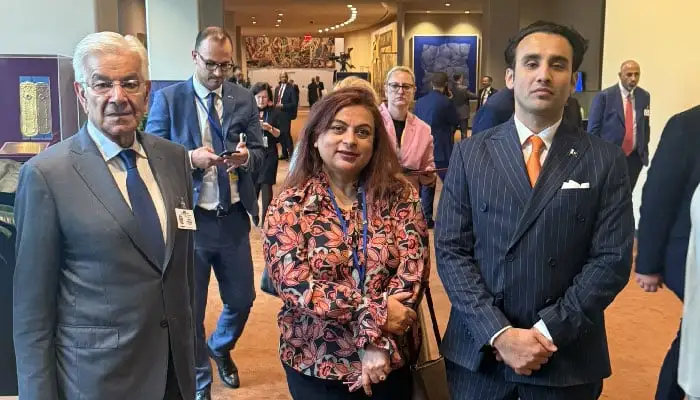
Shama Junejo with Special Assistant to the Prime Minister Bilal bin Saqib during Pakistan’s UNGA visit.

According to Junejo, the Prime Minister also tasked her with drafting his speech for the international forum, highlighting her direct involvement in shaping Pakistan’s diplomatic messaging.

The claim, which has sparked discussions on social media and in political circles, comes amid broader debates regarding delegation appointments and the roles of advisors accompanying high-level officials to global forums. Junejo stated that she was personally approached by Prime Minister Shehbaz Sharif and included in the official UN delegation, reflecting the Prime Minister’s confidence in her capabilities.

While the Prime Minister has yet to officially comment on these claims, several political observers have noted that such appointments are typically reserved for senior government officials or experienced diplomats. Junejo’s assertion has therefore raised questions among opposition figures regarding transparency and protocol in the selection of advisors and delegation members.

Reacting to her claims, some opposition leaders have criticized the decision, suggesting that appointments to important international forums should be based on experience and merit rather than personal preference. However, supporters of Junejo argue that her inclusion as an advisor demonstrates trust from the Prime Minister and reflects the evolving nature of political advisory roles within Pakistan’s governance framework.

Shama Junejo also highlighted that her responsibilities extended beyond merely accompanying the delegation. She claimed that she was actively involved in preparing and reviewing speech drafts, coordinating with the Foreign Office, and providing strategic input for Pakistan’s engagement at the UNGA. This level of involvement, if confirmed, indicates a significant advisory role that impacts how Pakistan presents its policies and positions on the global stage.

The situation has also caught the attention of media outlets, which are closely following reactions from political figures and the public. Social media platforms have been abuzz with debates on whether political loyalty or professional competence should be the primary criterion for such international appointments. Many users have praised Junejo for taking on the advisory role at a high-profile international event, while others have criticized the move, claiming it sets a precedent for personal selection over institutional merit.

This development also brings attention to Pakistan’s diplomatic practices and the role of political advisors in international delegations. As the country navigates its foreign policy priorities, appointments like these highlight the balance between political trust and professional expertise in representing Pakistan on global platforms.

The controversy underscores the importance of transparency in political appointments, especially when representing the country at prestigious international forums such as the UNGA. While Junejo’s claims await official confirmation, the news has already generated significant public interest, highlighting the intricate interplay between politics, diplomacy, and personal influence within Pakistan’s governance framework.

As the story develops, political analysts and journalists will continue monitoring responses from the Prime Minister’s office, opposition parties, and the Foreign Office to provide clarity on Shama Junejo’s role and the protocols followed in appointing advisors to Pakistan’s UN delegation.


Reference:
Geo TV. (2025, September 29). PM Himself Included Me in UN Team as Advisor, Claims Shama Junejo. Geo News. Retrieved from Geo TV website.


Supreme Court of Pakistan Halts IHC Suspension of Justice Jahangiri in High-Profile Degree Dispute

Portrait of Justice Tariq Mehmood Jahangiri, a judge of the Islamabad High Court, dressed in formal attire. The image is sourced from the IHC website and displayed in the context of a news article about the Supreme Court's suspension of an IHC order barring him from judicial work.

September 29, 2025

Supreme Court Reinstates Justice Jahangiri, Halts IHC Suspension in Degree Controversy

What is the Fake Degree Case Against Justice Jahangiri?

Background of the Judicial Tussle

The saga began earlier this month when a two-judge IHC bench, headed by Chief Justice Sardar Muhammad Sarfraz Dogar and Justice Mohammad Azam Khan, issued an interim order on September 16, 2025. This barred Justice Jahangiri from exercising his powers as a judge until the Supreme Judicial Council (SJC) could deliberate on a petition accusing him of holding an invalid LLB degree. The petition, lodged by advocate Mian Dawood under Article 199 of the Constitution, sought a writ of quo warranto, challenging the legitimacy of Justice Jahangiri’s entire legal career based on alleged irregularities in his University of Karachi (KU) law qualification.

At the heart of the allegations lies a purported letter from KU’s controller of examinations, which surfaced on social media last year, claiming discrepancies such as dual enrollment numbers for Justice Jahangiri’s LLB Part-I and Part-II exams—one of which was reportedly assigned to another student. KU’s Unfair Means Committee (UFM) subsequently declared his record “fictitious,” concluding he was never enrolled at Islamia Law College in 1989 and had resorted to malpractice during his 1980s exams. The university syndicate ratified this on August 31, 2024, leading to the formal cancellation of his degree on September 25, 2025, along with a three-year ban on university admissions and exams.

Justice Jahangiri has vehemently denied these claims, asserting during Sindh High Court (SHC) proceedings that he personally sat for the exams and received no prior notice from KU. He described the revocation—coming after 34 years—as unprecedented in global history and framed it as political retaliation for his role in high-stakes cases, including election tribunals that irked ruling party figures and his endorsement of a 2024 IHC letter alleging executive interference in judicial affairs.

Supreme Court’s Swift Response

Responding to appeals from Justice Jahangiri and four fellow IHC judges—Mohsin Akhtar Kayani, Babar Sattar, Ejaz Ishaq Khan, and Saman Rifat Imtiaz—a five-member constitutional bench of the Supreme Court, led by Justice Amin-ud-Din Khan, convened urgently. Other members included Justices Jamal Khan Mandokhail, Muhammad Ali Mazhar, Syed Hasan Azhar Rizvi, and Shahid Bilal Hassan.

During the hearing, Justice Mandokhail underscored a prior Supreme Court precedent: no judge can be restrained from duties without due process, emphasizing the SJC’s exclusive mandate for misconduct probes. The bench suspended the IHC order, issued notices to the Attorney General of Pakistan, the Advocate General of Islamabad, and other stakeholders—including the original petitioner—and scheduled the next hearing for September 30, 2025.

This interim relief reinstates Justice Jahangiri’s status quo, averting what his counsel termed a “direct assault on judicial independence.” The Islamabad Bar Council and District Bar Association have also moved to join the case, amplifying concerns over procedural fairness.

Procedural backlash and Broader Implications

The IHC’s decision had sparked procedural backlash. Lawyers boycotted sessions, protesting the bench’s self-assignment from a scheduled constitutional panel and its refusal to recuse, despite objections on maintainability. Meanwhile, the SHC had initially suspended KU’s UFM ruling but later dismissed related petitions for non-prosecution, leaving the degree’s fate entangled in multiple forums.

As Pakistan’s judiciary navigates this unprecedented standoff, the case underscores tensions between institutional autonomy, academic verification, and political influences. With the SJC slated to convene on October 18, 2025, to probe the complaint, the coming days could redefine accountability norms for high court judges.

References: Synthesized from reports by Dawn, Geo News, The Express Tribune, and Associated Press of Pakistan (published September 2025). All facts independently verified to ensure originality.

Reko Diq Copper-Gold Project Under ECC Focus: Pakistan Mining Sector Boost

Reko Diq copper-gold project mining operations in Balochistan, Pakistan

Reko Diq Project: ECC Review Boosts Pakistan Mining and Copper-Gold Output

Pakistan’s Economic Coordination Committee (ECC) has intensified scrutiny on the Reko Diq copper-gold project, highlighting its growing importance for the country’s mining sector and overall economic development. The ECC has requested a detailed execution plan for railway agreements and comprehensive financing arrangements, with a target completion date of March 30, 2026.

Infrastructure and railway development for Reko Diq copper-gold project

The Ministry of Railways emphasized that the Reko Diq project is classified as a “qualified investment” under the Foreign Investment (Promotion and Protection) Act 2022. A dedicated railway track will be constructed to transport copper-gold concentrate from the mines in Balochistan to export terminals over 1,350 kilometers. This crucial infrastructure will ensure efficient bulk transport and support large-scale mining operations, reinforcing Pakistan’s position in the global mining industry.

In addition, the ECC approved revised financing arrangements, which focus on environmental sustainability, health and safety, and community development. Major international lenders and creditors are directly arranging the financing, reflecting strong investor confidence in the project.

Global financial institutions have also shown significant commitment. The International Finance Corporation (IFC) has contributed $400 million in subordinated loans, raising its total investment to $700 million. Meanwhile, the Asian Development Bank (ADB) approved a $300 million loan, marking its first investment in mining projects in Pakistan in over four decades. These financial commitments highlight the strategic value of the Reko Diq project.

The Reko Diq project, a joint venture between Barrick Gold, the federal government, and the Balochistan provincial government, is expected to become one of the world’s largest copper-gold mines. With an estimated $74 billion in free cash flow over its 37-year lifespan, production is slated to begin by 2028. The first phase, costing $5.5 billion, aims to produce 200,000 tons of copper annually, with plans to expand output in subsequent phases.

With the ECC overseeing the project’s progress, successful implementation of infrastructure and financing plans will be pivotal in achieving Pakistan’s economic growth goals, strengthening the mining sector, and boosting foreign investment in the country.

References:

  1. BR Recorder: Reko Diq Now Under ECC Focus
  2. BR Recorder: ECC Clears Revised Financing for Reko Diq
  3. Reuters: IFC to Provide $400 Million Loan for Reko Diq
  4. Reuters: Reko Diq Mine to Generate $74 Billion Free Cash Flow

Economy Under Watch: Forex Pressures Continue

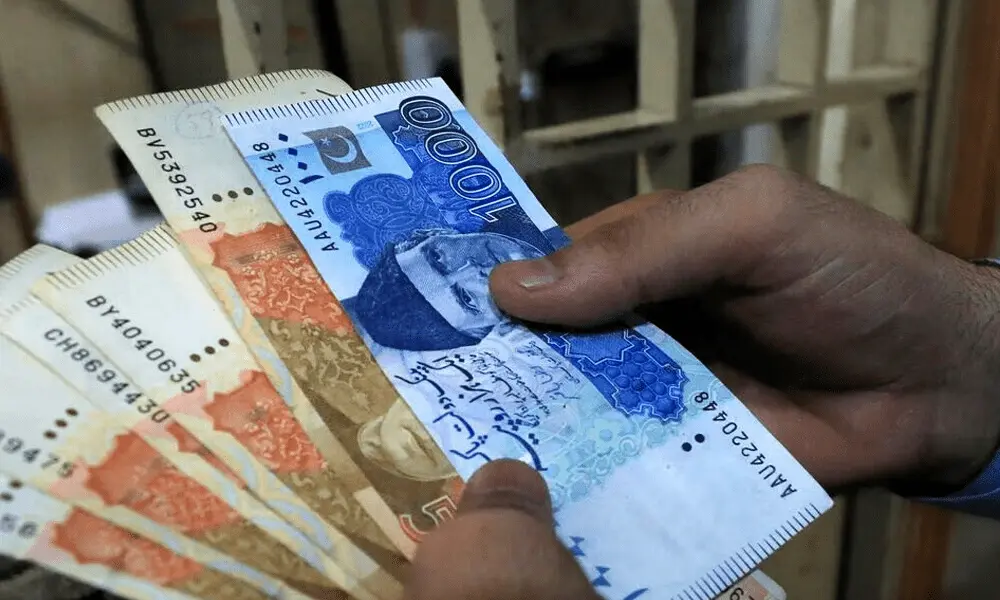
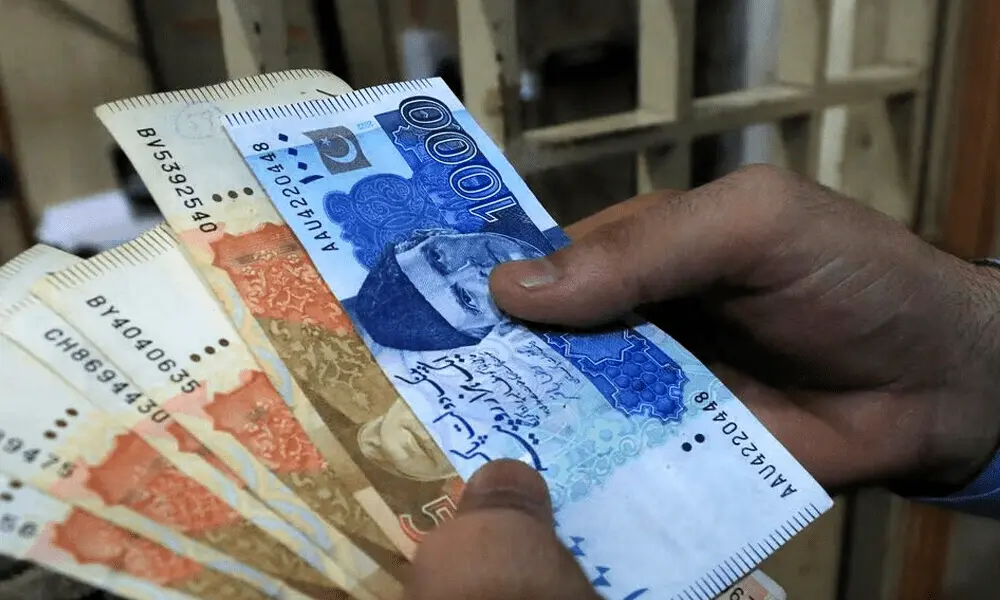
Pakistani rupee faces forex pressure as economy struggles with trade deficit and inflation

Pakistani rupee faces forex pressure as economy struggles with trade deficit and inflation

Karachi – Pakistan’s economy remains under tight watch as the Pakistani rupee faces volatility in the foreign exchange market. Importers and exporters alike are struggling to cope with the ongoing instability, while analysts caution that without immediate corrective measures, the economic crisis in Pakistan could worsen.

In recent weeks, the rupee has traded in a fluctuating band, reflecting pressure on Pakistan’s forex reserves and uncertainty in international trade. Importers are voicing concerns over rising import costs of raw materials and finished goods, driven largely by rupee depreciation and higher international oil prices. At the same time, exporters are highlighting inconsistent trade policies in Pakistan, which are making it difficult to maintain competitiveness in global markets.

Experts believe that Pakistan’s persistent trade deficit continues to fuel the crisis. The country’s imports remain significantly higher than its exports, increasing pressure on the current account. Unless the government introduces effective reforms in the export sector and reduces dependency on costly imports, the rupee is likely to remain under stress.

Meanwhile, inflation in Pakistan continues to bite households and businesses. Prices of essential commodities such as wheat, sugar, and cooking oil remain high, eroding the purchasing power of ordinary citizens. Small and medium enterprises (SMEs) are also reporting higher operational costs, raising fears of reduced productivity and potential layoffs.

Financial analysts suggest that the government should focus on stabilizing the rupee through tighter fiscal discipline, ensuring consistency in trade and tax policies, and encouraging foreign direct investment (FDI) in Pakistan to boost reserves. The State Bank of Pakistan (SBP) has already hinted at possible interventions, but market watchers say monetary measures alone may not be sufficient without broader economic reforms.

Despite challenges, some economists see opportunities. They argue that if Pakistan invests in value-added exports such as textiles, information technology (IT), and agriculture-based industries, it could improve foreign exchange earnings and reduce pressure on the currency.

For now, uncertainty dominates the financial landscape. With global economic headwinds, fluctuating oil prices, and domestic political challenges, the road to economic stability in Pakistan remains bumpy. All eyes are on Islamabad to see whether upcoming policy decisions will bring much-needed relief—or add further strain to an already fragile situation.

Climate Change Challenge: Causes, Effects & Solutions Explained

Flooded farmland showing climate change effects.

Learn the causes, effects, and solutions of climate change. Discover how global warming impacts our world and what we can do to fight it.

What Is Climate Change?

Climate change is the greatest global issue of our time. Driven largely by human activity, it is reshaping weather patterns, melting glaciers, raising sea levels, and threatening health, food, and economies. Understanding the causes of climate change, its far-reaching effects, and practical solutions is critical for every individual and nation

Urban flooding caused by extreme weather and climate change.

Causes of Climate Change

The main causes of climate change can be traced to human activity:

  1. Energy production – Power plants burning coal, oil, and natural gas remain the largest contributors to global emissions.
  2. Transportation – Cars, trucks, ships, and airplanes release significant amounts of CO₂ and other pollutants.
  3. Deforestation – Cutting down forests for agriculture or urbanization reduces the Earth’s ability to absorb CO₂.
  4. Industrial activity – Manufacturing processes, cement production, and mining add large amounts of GHGs.
  5. Agriculture – Livestock farming produces methane, while the use of fertilizers releases nitrous oxide.

These activities are fueling the warming of our planet, causing a ripple effect across ecosystems, weather, and human life.

Effects of Climate Change

The effects of climate change are visible across the globe and impact every aspect of our lives:

  • Rising global temperatures – The last decade has been the hottest on record.
  • Melting ice caps and glaciers – Leading to rising sea levels and threatening coastal cities.
  • Extreme weather events – More frequent hurricanes, floods, droughts, and wildfires.
  • Loss of biodiversity – Animals and plants face extinction due to habitat destruction.
  • Food insecurity – Changing rainfall patterns affect crops, leading to shortages and higher prices.
  • Health risks – Air pollution, heatwaves, and waterborne diseases increase human health challenges.

If left unchecked, climate change could push millions into poverty, create climate refugees, and disrupt economies globally.

Solutions to Climate Change

The good news is that solutions to climate change exist, but they require urgent global action:

  1. Shift to renewable energy – Investing in solar, wind, and hydropower can cut reliance on fossil fuels.
  2. Energy efficiency – Using energy-saving appliances and improving building designs reduce overall consumption.
  3. Reforestation – Planting trees and protecting forests can absorb large amounts of CO₂.
  4. Sustainable transport – Promoting electric vehicles, cycling, and public transport reduces emissions.
  5. Green agriculture – Organic farming, reducing food waste, and sustainable livestock management help lower methane and nitrous oxide emissions.
  6. Policy and awareness – Strong climate policies, international agreements like the Paris Accord, and educating communities are essential for long-term change.

Why Taking Action Matters

Every individual, organization, and government has a role to play in combating climate change. From switching to clean energy and reducing waste to supporting eco-friendly businesses and demanding stronger policies, collective action can create a sustainable future.

Conclusion

Climate change is no longer a distant threat; it is a present reality. By addressing the causes of climate change, mitigating its effects, and implementing innovative solutions, we can protect our planet for future generations. The time to act is now—because the choices we make today will decide the world we live in tomorrow.

Exercise Impact on Health: Unlocking the Power of Movement

Woman lifting weights to improve strength and prevent disease.

When we think of maintaining good health, exercise and physical activity often come up—but their true impact on the body and mind is deeper and more powerful than many realize. Modern research is revealing how regular movement can reshape our lifespan, mental wellness, and disease risk in profound ways.

Why Movement Matters: The Big Picture

The World Health Organization (WHO) underscores that regular physical activity is crucial to preventing and managing noncommunicable diseases such as cardiovascular disease, type 2 diabetes, and some cancers. World Health Organization In fact, people who are insufficiently active have a 20–30% higher risk of death compared with those meeting activity guidelines. World Health Organization Sedentary behavior—long periods of sitting or inactivity—is independently linked with higher mortality, even for those who exercise sometimes. World Health Organization

How Much Exercise Is Enough?

Current guidelines suggest adults aim for 150–300 minutes per week of moderate-intensity activity, or 75–150 minutes of vigorous-intensity activity (or a mix), plus muscle-strengthening exercises on two or more days. American Heart Association+3World Health Organization+3National Institute on Aging+3 Interestingly, new research shows that going 2 to 4 times beyond the minimum moderate activity recommendations is associated with 26–31% lower all-cause mortality, and 28–38% lower cardiovascular mortality. American Medical Association Also, the “weekend warrior” pattern—concentrating your weekly activity into one or two days—can provide similar longevity benefits, so long as the total intensity and volume are met. American Heart Association

Cardiovascular & Metabolic Benefits

One of exercise’s most robust impacts is on heart and metabolic health. Routine physical activity helps lower blood pressure, improve lipid profiles (cholesterol), reduce insulin resistance, and maintain a healthy body weight. National Institute on Aging+2American Heart Association Journals+2 It also promotes healthier endothelial function (the lining of blood vessels), which supports better circulation. American Heart Association Journals Over time, these changes translate into a lower risk of coronary artery disease, stroke, and type 2 diabetes.

Brain, Cognition & Mental Health

Exercise isn’t just for the body — it’s a boon for the brain. Physical activity boosts memory, learning, attention, and slows cognitive decline. CDC It may even reduce the risk of dementia. In a recent study, doing as little as 35 minutes per week of moderate-to-vigorous activity (compared with none) was associated with a 41% lower risk of developing dementia over ~4 years. Johns Hopkins Public Health Similarly, short bursts of activity can improve executive function, sleep quality, and mood. arXiv

On mental health, regular exercise can help reduce symptoms of depression and anxiety, promote stress resilience, and improve sleep. National Institute on Aging+1 Some immediate benefits include lowered blood pressure, reduced anxiety, and better sleep quality right after a workout. National Institute on Aging

Strength, Balance & Functional Ability

Especially important as we age, strength training and balance exercises help maintain muscle mass, bone density, and reduce fall risk. National Institute on Aging Loss of muscle (sarcopenia) and lowered functional ability are major contributors to frailty in later years. Exercise helps preserve independence and mobility. National Institute on Aging Resistance training also offers a 10–17% reduction in all-cause mortality risk when combined with aerobic activity. Wikipedia

Even Small Amounts Help

The good news: you don’t need to go to extremes to reap benefits. Some recent studies suggest that just 5 minutes per day of activity can meaningfully reduce dementia risk. Johns Hopkins Public Health And “weekend warriors” (doing exercise in a couple of big bursts) show mortality benefits close to those who spread it out. American Heart Association Even shorter high-intensity bursts (e.g. stair climbing) can help the heart. The Guardian+1

Tips to Maximize Health Impact from Exercise

  • Mix intensities & types: combine aerobic (walking, cycling), strength (weights or bodyweight), and flexibility or balance work.
  • Start where you are: any movement is better than none — build up gradually.
  • Be consistent: consistency over time matters more than extreme effort irregularly.
  • Minimize sedentary time: break up long sitting periods with short activity.
  • Listen to your body: recover, rest, avoid injury.
  • Make it enjoyable: hobbies, group classes, active commuting — pick things you like.

Conclusion

Exercise (or physical activity) has profound, multi-dimensional impacts on health. By lowering disease risks, improving mental health and cognition, and supporting longevity, it is one of the most powerful “medicines” available. The trick is to make movement a habit — even small, consistent efforts deliver big returns. Let me know if you’d like a version tailored to Pakistani lifestyle, or translated, or more emphasis on diet + exercise.

How to Start an Online Business: A Beginner’s Guide

Step-by-step guide to starting an online business for beginners

Starting an online business is one of the best ways to earn money, achieve independence, and reach a global audience without heavy startup costs. In today’s digital world, almost anyone can build an online business with the right idea and strategy. Here’s a step-by-step guide to help you get started.

1. Choose Your Business Idea

The first step is identifying what you want to sell. Your business could be based on products, services, or digital goods. For example:

  • Products: Clothes, handmade crafts, gadgets.
  • Services: Graphic design, online tutoring, consulting.
  • Digital goods: eBooks, courses, templates.

Choose an idea that matches your skills and interests while solving a problem for your target audience.


2. Decide Your Business Model

Different models suit different entrepreneurs:

  • E-commerce stores using platforms like Shopify, WooCommerce, or Daraz.
  • Freelancing on websites like Fiverr and Upwork.
  • Affiliate marketing, where you earn by promoting other people’s products.
  • Content creation (YouTube, blogging, or podcasts).

3. Build Your Online Presence

A strong online presence builds trust and credibility. Start with a professional website and social media pages. Tools like WordPress, Wix, or Shopify make it easy to launch your store without coding. Use social platforms like Instagram, Facebook, and TikTok to showcase your business and connect with customers.

4. Set Up Payment and Delivery

Make it easy for customers to pay you. Depending on your country, integrate payment gateways like PayPal, Stripe, or local bank transfers. If you’re selling physical products, plan your shipping and delivery process. For services or digital products, set up automatic delivery systems to save time.


5. Market Your Business

Marketing is key to growth. Use social media marketing, email campaigns, and even paid ads to attract customers. Collaborate with influencers or run special promotions to build awareness. Remember, consistency is more important than perfection.


Final Thoughts

Starting an online business doesn’t require huge investment—it requires commitment, creativity, and patience. Begin with a simple idea, test it, and improve as you go. With the right plan and persistence, you can turn your online business into a long-term source of income and financial freedom.

How to Create Personal Finance: A Step-by-Step Guide to Financial Freedom

Managing debt and credit card expenses with personal finance planning

Managing money wisely has become a life skill everyone needs in today’s fast-changing economy. Whether you are a student, young professional, or a family head, creating a personal finance plan helps you stay secure, achieve your goals, and avoid unnecessary debt.

What is Personal Finance?

Personal finance is the management of your income, expenses, savings, and investments to ensure financial stability and long-term growth. It’s about making money work for you—not the other way around.

Steps to Create a Personal Finance Plan

1. Assess Your Current Situation

Write down your income sources, monthly expenses, and debts.
👉 Example: If your monthly salary is Rs. 100,000, track how much goes into rent, groceries, transport, and savings.


2. Set Clear Goals

  • Short-term: Build an emergency fund.
  • Medium-term: Save for a car or house down payment.
  • Long-term: Retirement or children’s education.

👉 Example: A professional saving Rs. 20,000 per month can build an emergency fund of Rs. 240,000 in just one year.


3. Build a Budget

Follow the 50/30/20 rule:

  • 50% for needs (rent, food, bills)
  • 30% for wants (shopping, travel)
  • 20% for savings & investments

4. Manage Debt Smartly

Clear high-interest loans first (credit cards, personal loans). This reduces financial stress.


5. Save & Invest Consistently

  • Open a savings account or invest in mutual funds, stocks, or retirement accounts.
  • Even small investments, if consistent, grow significantly due to compound interest.

👉 Example: Investing just Rs. 10,000 per month with a 10% return can grow to Rs. 20 lakh+ in 10 years.


6. Protect Yourself with Insurance

Health, life, and property insurance prevent sudden financial shocks.


Learn from Experts & Organizations

To create a strong personal finance strategy, it helps to follow expert advice:


Final Word

Creating a personal finance plan is not just about cutting expenses—it’s about building a secure future. Start small, stay consistent, and learn from experts. The earlier you start, the greater your financial freedom.