BREAKING NEWS
Advertise with us >

Clip of Usman Khawaja praying with his daughters goes viral

Usman Khawaja

A video of Australian cricketer Usman Khawaja offering prayers alongside his two young daughters has gone viral across social media platforms.

The clip shows Khawaja praying with his daughters standing beside him, a moment that has resonated widely with viewers. The video has garnered significant appreciation, with users praising the cricketer for setting a positive example.

Social media users have also expressed admiration for Khawaja’s humility and values, extending prayers and well-wishes for him and his family.

One social media user commented on the viral video, saying, “Children follow in their parents’ footsteps.” Another user simply wrote, “Legend and role model.”

According to media reports, Usman Khawaja married Rachel in 2017 after she embraced Islam prior to their Nikah. Later, on April 6, 2018, the couple held a cultural and traditional wedding ceremony.

Usman and Rachel Khawaja are parents to two daughters, Aisha Raheel and Ayla Fozia.

Actor Zahid Ahmed issues clarification after backlash over podcast remarks

Actor Zahid Ahmed

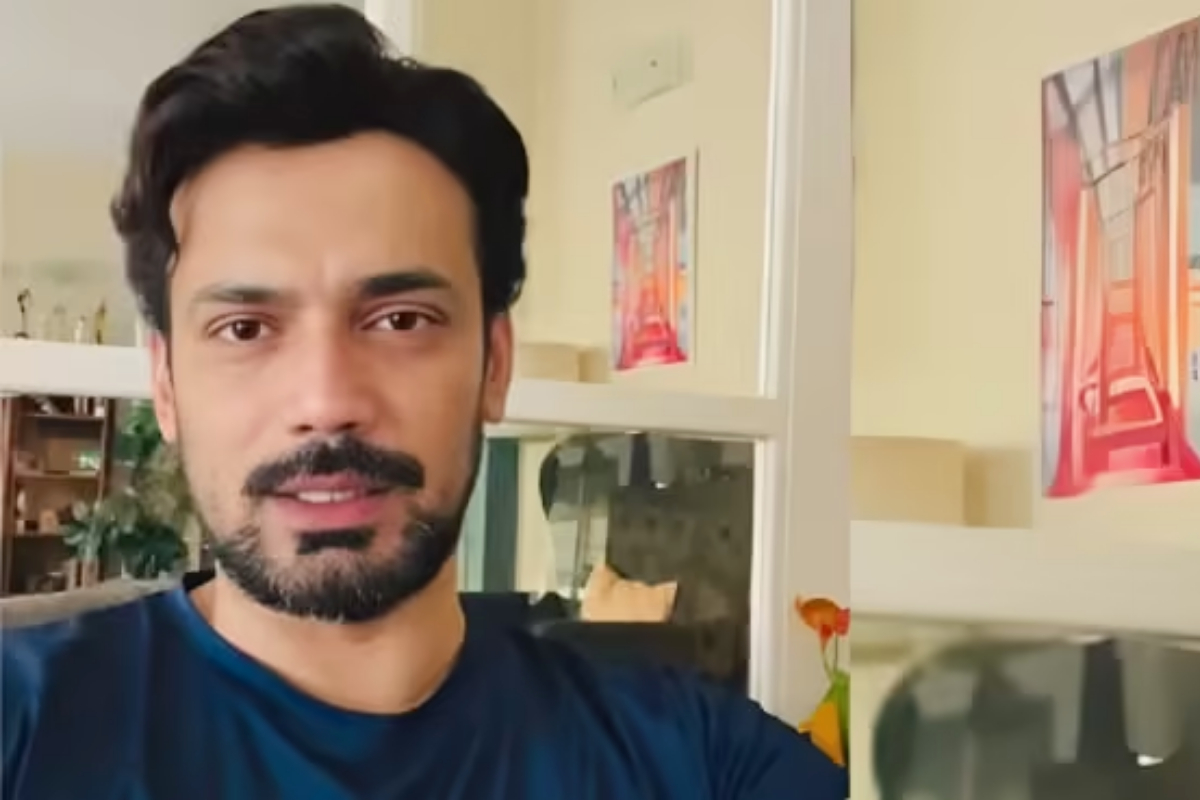
KARACHI: Pakistani actor Zahid Ahmed has issued a clarification on social media following backlash over his recent controversial remarks, saying that his words were taken out of context.

The controversy began after Zahid’s comments in a podcast went viral, where he appeared to use harsh language about social media and digital creators.

In a clarification video posted on Instagram, Zahid explained that his statement was misunderstood.

View this post on Instagram

A post shared by Zahid Ahmed (@zahid.ahmed.official)

“I was talking about content makers on social media, not digital creators,” he said. “I wrongly called them people destined for hell — that was my mistake. I spoke in the heat of the moment and regret saying that because it’s not my place to judge anyone’s fate.”

Pakistani actor Zahid Ahmed has said that only Allah has the authority to judge people, adding that he wanted to correct his statement because many young people look up to him and he did not wish to send a wrong message about religion.

“I wanted to clarify my words because many youngsters are influenced by me,” Zahid said in his video message. “It is Allah’s job to decide anyone’s fate, not mine.”

His clarification drew mixed reactions on social media.

Many users praised Zahid for showing humility and courage by admitting his mistake, calling it a sign of maturity.

However, others mocked his change of stance, sarcastically commenting that “Zahid Ahmed’s software has been updated,” implying that he altered his statement in response to public backlash.


Digital Detox: Why Pakistan’s Youth Are Logging Off for Mental Peace

Digital Detox, Lifestyle 2025, Mental Health, Pakistan Youth, Social Media


Constant notifications, digital pressure, and screen fatigue are pushing young Pakistanis to take a break from social media — rediscovering mindfulness and real-life connection.


In 2025, a quiet movement is spreading among Pakistan’s youth — the digital detox. Overwhelmed by endless scrolling, online comparisons, and algorithmic stress, many young people are intentionally logging off for days or weeks to regain focus, creativity, and peace of mind.

From Karachi to Islamabad, university students and young professionals are practicing “screen-free weekends” and attending wellness retreats focused on mental reset. “Social media made me feel like I was constantly behind in life,” says Zara Malik, a 24-year-old designer. “Disconnecting for a week helped me sleep better and think clearer.”

Experts say this shift reflects a global trend. A recent study by We Are Social found that nearly 40% of Gen Z users plan to reduce their screen time in 2025. In Pakistan, digital fatigue is amplified by the pressure to appear productive and successful online — a side effect of influencer culture and competitive workplaces.

Therapists and educators are now encouraging young people to balance online engagement with mindfulness, outdoor time, and community-based hobbies. Apps like “Forest” and “One Sec” are also gaining popularity for helping users manage screen time.

As one psychologist put it, “Logging off isn’t rejection — it’s recovery.”