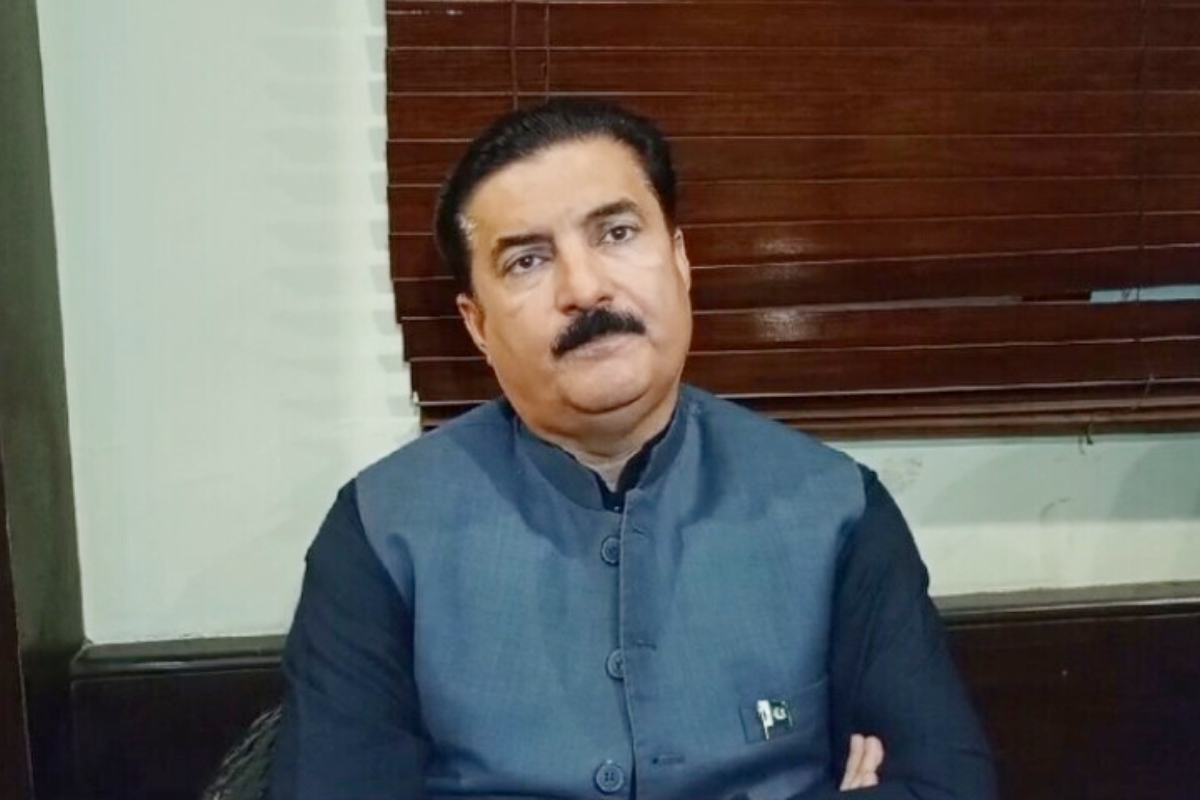
PESHAWAR: Amid political uncertainty in Khyber Pakhtunkhwa, Governor Faisal Karim Kundi has called on Chief Minister Ali Amin Khan Gandapur to appear before him on October 15 to confirm the authenticity of two purported resignation letters.
According to the Governor’s letter, two separate sets of resignation documents dated October 8 and October 11, were received at the Governor’s House, both allegedly bearing different and inconsistent signatures.
The Governor said that, as he is currently out of the city and will return to Peshawar on the evening of October 15, the Chief Minister has been advised to meet him at 3:00 p.m. the same day to verify the authenticity of the documents.
Governor Kundi emphasized that the matter would be settled strictly in accordance with the Constitution of the Islamic Republic of Pakistan.
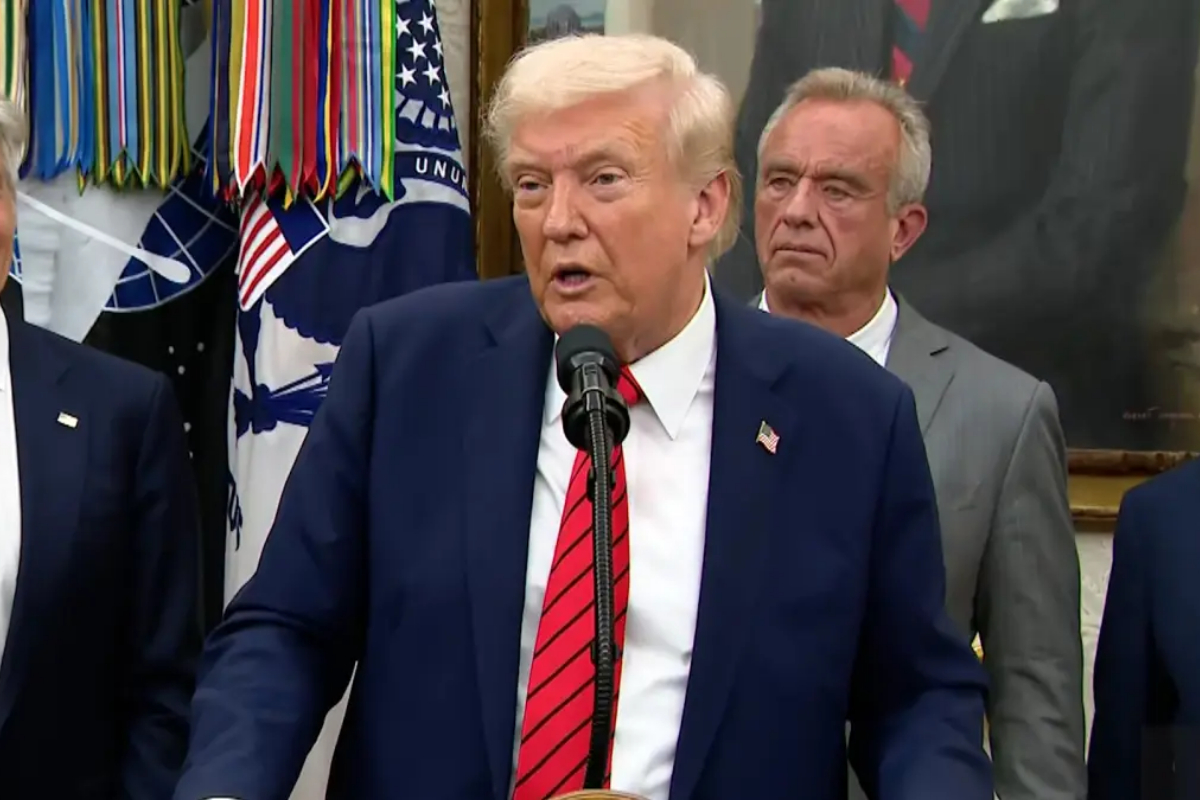
WASHINGTON: U.S. President Donald Trump said on Friday that Nobel Prize winner Maria Corina Machado called him and said she accepted the prize in his honor, after the White House said earlier in the day that the Nobel Committee had chosen “politics over peace.”
The White House had criticized the Nobel Committee’s decision to grant the peace prize to the Venezuelan opposition leader instead of Trump, who aggressively lobbied for the award and touted his role in brokering international ceasefire deals.
The Norwegian Nobel Committee announced that Machado had been selected for the 2025 Nobel Peace Prize in recognition of her efforts to promote democracy and freedom in Venezuela.
During a White House press conference, when asked about the award, Trump said:
“The person who won the Nobel Peace Prize called me and said, ‘I’m dedicating this to you — you were the one who truly deserved it.’”
Trump has often asserted that his administration’s diplomatic achievements, particularly in the Middle East, made him more deserving of the prestigious peace award.
US President Donald Trump said he respects the Nobel Committee’s decision to award the Nobel Peace Prize to Venezuelan opposition leader Maria Corina Machado, adding that he never sought the award for himself.
“I respect the committee’s decision. I never said the Nobel Prize should be given to me,” Trump told reporters. “But I’m proud that during my tenure, I helped prevent eight potential wars — including between Pakistan and India — and saved billions of lives.”
Meanwhile, Maria Corina Machado said she was dedicating the award to the people of Venezuela who have endured years of suffering, as well as to President Trump for his “decisive support” of their cause for democracy and freedom.
LAHORE: A high-profile Lahore gangster, Taifi Butt, was shot dead early Saturday when his accomplices ambushed a police convoy transporting him to Lahore.
According to initial reports, Taifi Butt, whose real name was Khawaja Tareef Gulshan, had been arrested in Dubai and brought to Pakistan by Punjab Police for investigation in the Ameer Balaj murder case.
The incident occurred on Ahmedpur Lamma Road near Rahim Yar Khan, when two of Butt’s associates opened fire on the police convoy. Taifi Butt was fatally shot on the spot, while the attackers managed to flee the scene.
Police took custody of the body and launched an initial investigation.
Officials said Taifi Butt was linked to a notorious Lahore-based gang network and had been wanted in multiple cases, including land grabbing, extortion, and illegal possession of weapons.
Law enforcement sources described his death as a major setback for organized criminal networks operating in Punjab.
A case has been registered in Rahim Yar Khan against accomplices of Taifi Butt, who was killed in a police encounter in Lahore.
According to police, the FIR was lodged on the complaint of DSP CCD Model Town Lahore Syed Hussain Haider.
The FIR states that Taifi Butt was being transported to Lahore after arrest when armed men in two vehicles opened fire on the police convoy. As a result, Constable Noor sustained a gunshot wound, the report added.
The attackers allegedly forcibly took Taifi Butt along with his handcuffs into their vehicle and fled the scene, according to the FIR.
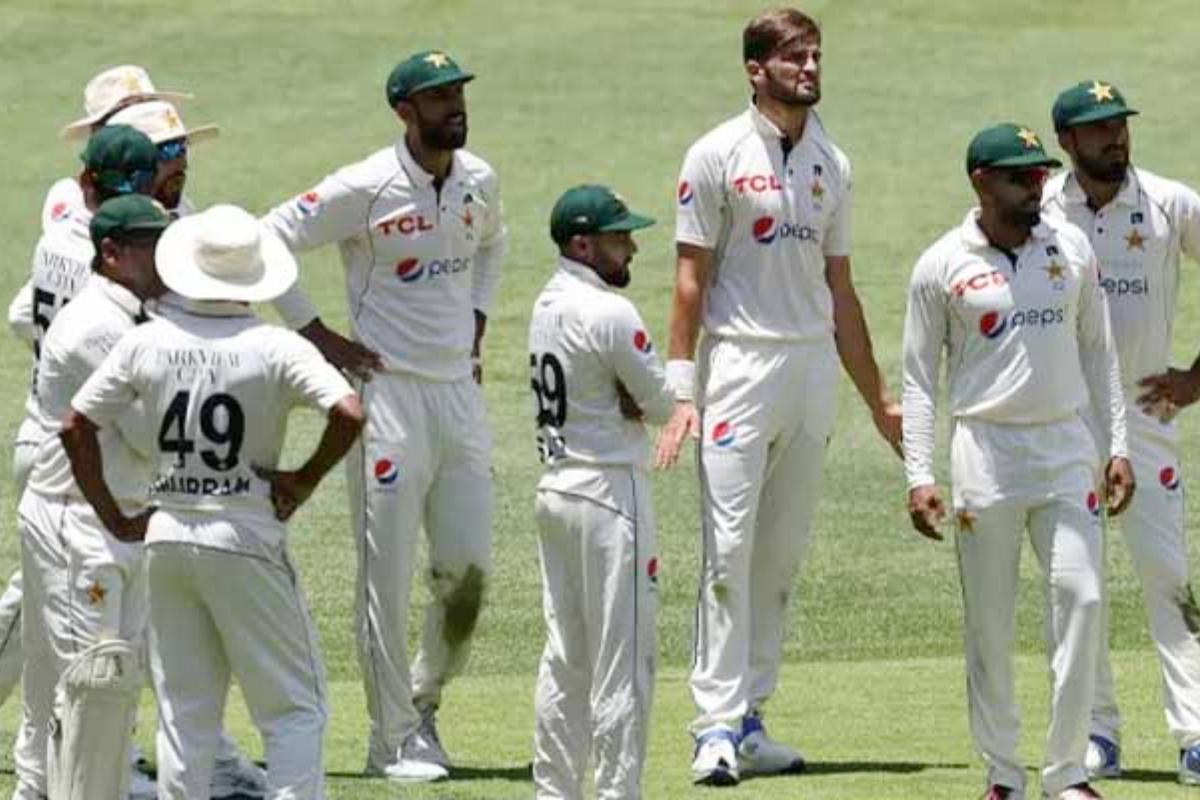
LAHORE: Pakistan, under the leadership of Shan Masood, will take on defending champions South Africa in a two-match Test series as part of the fourth cycle of the ICC World Test Championship 2025–27.
The first Test begins on Sunday at Gaddafi Stadium, Lahore, where Pakistan is expected to field seven batters, two fast bowlers, and two spinners.
Right-arm spinner Sajid Khan has been ruled out due to viral fever and will be replaced by Asif Afridi, who earns a place in the playing XI. The 38-year-old left-arm spinner has taken 198 wickets in 57 first-class matches at an average of 25.49. Asif will partner with experienced spinner Nauman Ali in Pakistan’s bowling attack.
The 39-year-old Nauman Ali has claimed 83 wickets in 19 Tests at an average of 24.75. In fast bowling, Shaheen Shah Afridi makes his return to Test cricket after a year-long absence.
The left-arm pacer, who has taken 116 wickets in 31 Tests, will share the new ball with Hasan Ali. Hasan, a right-arm fast bowler with 80 wickets in 24 Tests, last played a Test in January 2024 against Australia in Sydney.
Pakistan’s opening pair will feature Imam-ul-Haq and Abdullah Shafique, while Babar Azam, Saud Shakeel, and Salman Ali Agha will strengthen the middle order. Mohammad Rizwan will keep wickets.
Pakistan’s Playing XI for the first Test:
Imam-ul-Haq, Abdullah Shafique, Shan Masood (captain), Babar Azam, Saud Shakeel, Mohammad Rizwan (wicketkeeper), Salman Ali Agha, Shaheen Shah Afridi, Hasan Ali, Nauman Ali, and Asif Afridi.
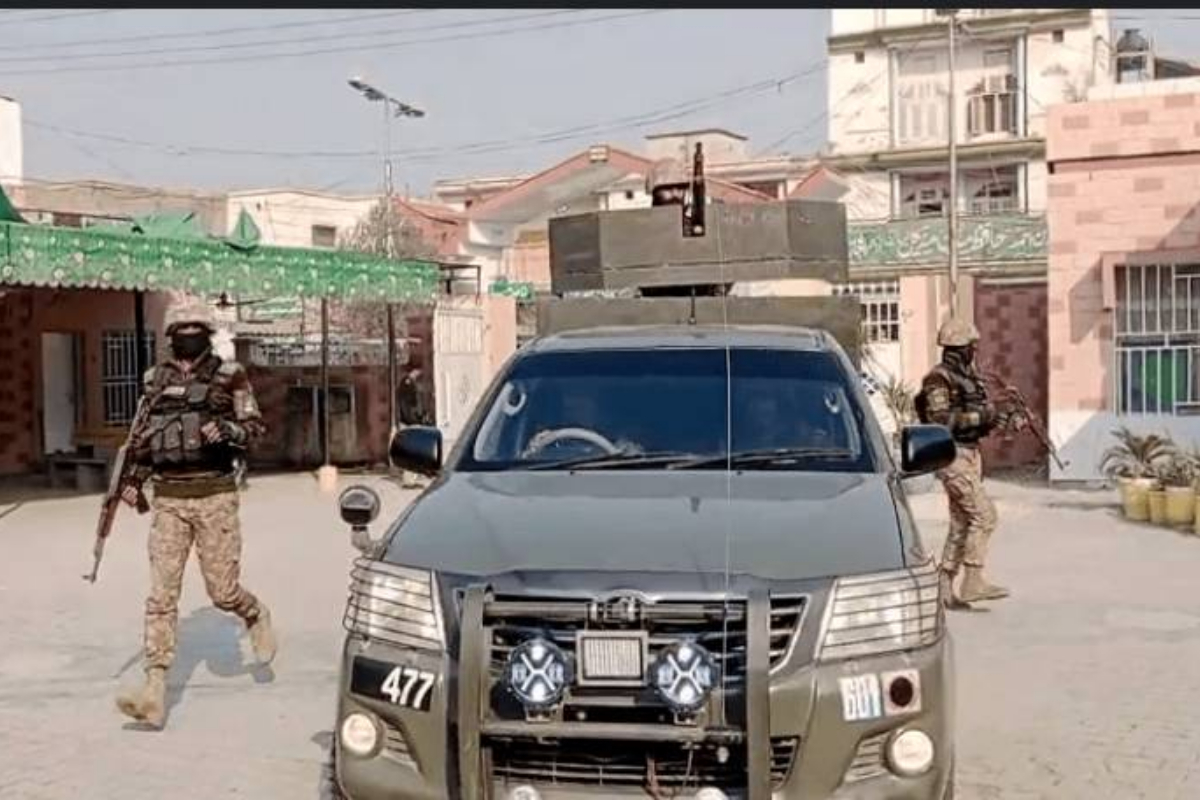
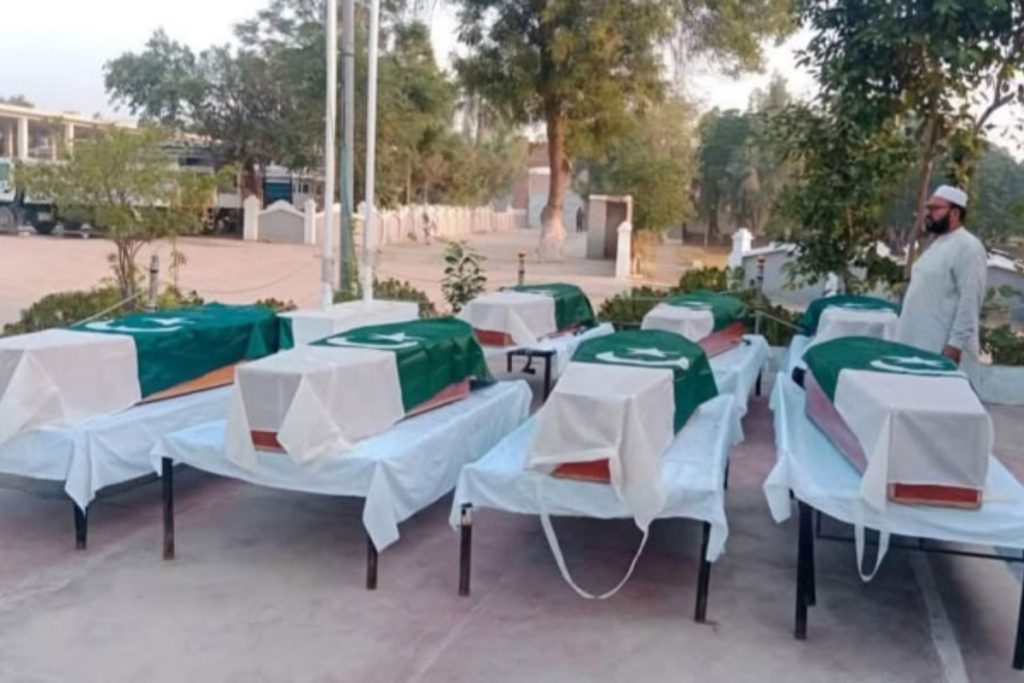
DERA ISMAIL KHAN: At least six terrorists, including a suicide bomber, were killed while seven policemen embraced martyrdom during a terrorist attack on the Police Training School in Dera Ismail Khan on Friday night.
According to DSP Hafiz Muhammad Adnan, the terrorists launched a suicide attack on the Police Training School at around 8:30 p.m. on Thursday night.
Security forces and police personnel swiftly responded, and a joint operation continued late into the night to clear the premises.
The DSP confirmed that all five terrorists, including one suicide bomber, were killed during the exchange of fire, while seven police personnel lost their lives in the line of duty.
The Hospital Director said that 13 injured personnel were brought to the DHQ Trauma Centre for medical treatment.
According to the DG Public Relations Khyber Pakhtunkhwa, around 200 police officers and recruits were successfully rescued during the operation. The training school and the nearby NADRA office were also cleared by the security forces.
On the other hand, Federal Interior Minister Mohsin Naqvi strongly condemned the terrorist attack carried out by Khawarij militants on the Police Training Centre in Dera Ismail Khan and paid rich tribute to the seven police personnel who embraced martyrdom while valiantly resisting the attackers.
Expressing heartfelt sympathy and condolences to the families of the martyrs, the Interior Minister prayed for the early recovery of the injured officials.
“The brave police personnel sacrificed their lives to foil the cowardly attack of the Khawarij terrorists,” Mohsin Naqvi said, lauding their courage and professionalism.
He commended the security forces and police for killing three Khawarij terrorists during the operation and preventing a larger tragedy.
“The police fought with exceptional bravery and thwarted the nefarious designs of the terrorists,” the minister added.
Mohsin Naqvi further said that the Khyber Pakhtunkhwa Police have rendered unforgettable sacrifices in the nation’s ongoing fight against terrorism.
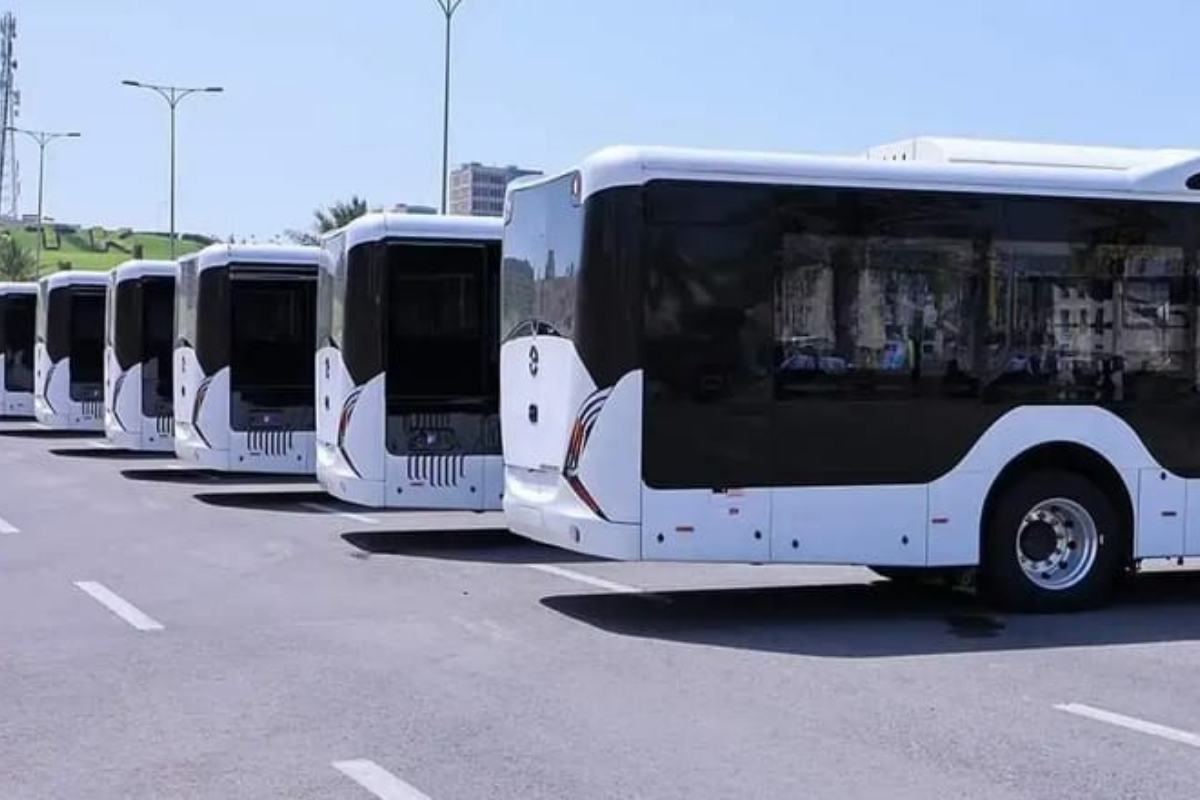
KARACHI: To modernize urban mobility and reduce environmental pollution, the Sindh government has approved the introduction of 500 electric buses across Karachi and Hyderabad..
The decision was made during a meeting of the Public-Private Partnership (PPP) Policy Board, chaired by Sindh Chief Minister Syed Murad Ali Shah.
The meeting was attended by provincial ministers Sharjeel Inam Memon and Syed Nasir Hussain Shah, along with board members and relevant officials.
The PPP Policy Board approved the Peoples Green Transport Project under the Public-Private Partnership mode to introduce a large fleet of electric buses in Karachi and Hyderabad. The Board endorsed the project’s scope, structure and risk matrix, and accepted the amended unsolicited proposal submitted by a private firm, granting it the Right of First Refusal and exemption from the prequalification process. It also authorised the initiation of the investor solicitation process to engage a private partner.
Under the project, 500 electric buses will be deployed in phases along with depots, charging infrastructure, bus shelters, and an automatic fare collection and intelligent transport system. The project, to be executed on a DBFMOT model with a 12-year concession period, is expected to serve over 200,000 passengers daily, integrate with the Green Line BRT, and significantly improve urban mobility. The Board termed the initiative a major step toward clean, modern, and efficient public transport in Sindh.
On the other hand, the meeting also decided to outsource the Radiology and Diagnostic Labs Services of Chandaka Hospital and Jinnah Postgraduate Medical Centre (JPMC)Karachi.
During the session, the board approved several key projects, including the construction of an elevated expressway from Karachi Port to Qayyumabad, the plantation of riverine forests on 41,000 hectares in Jamshoro and Matiari, and the implementation of a concession agreement for the Science and Technology Park at NED University.
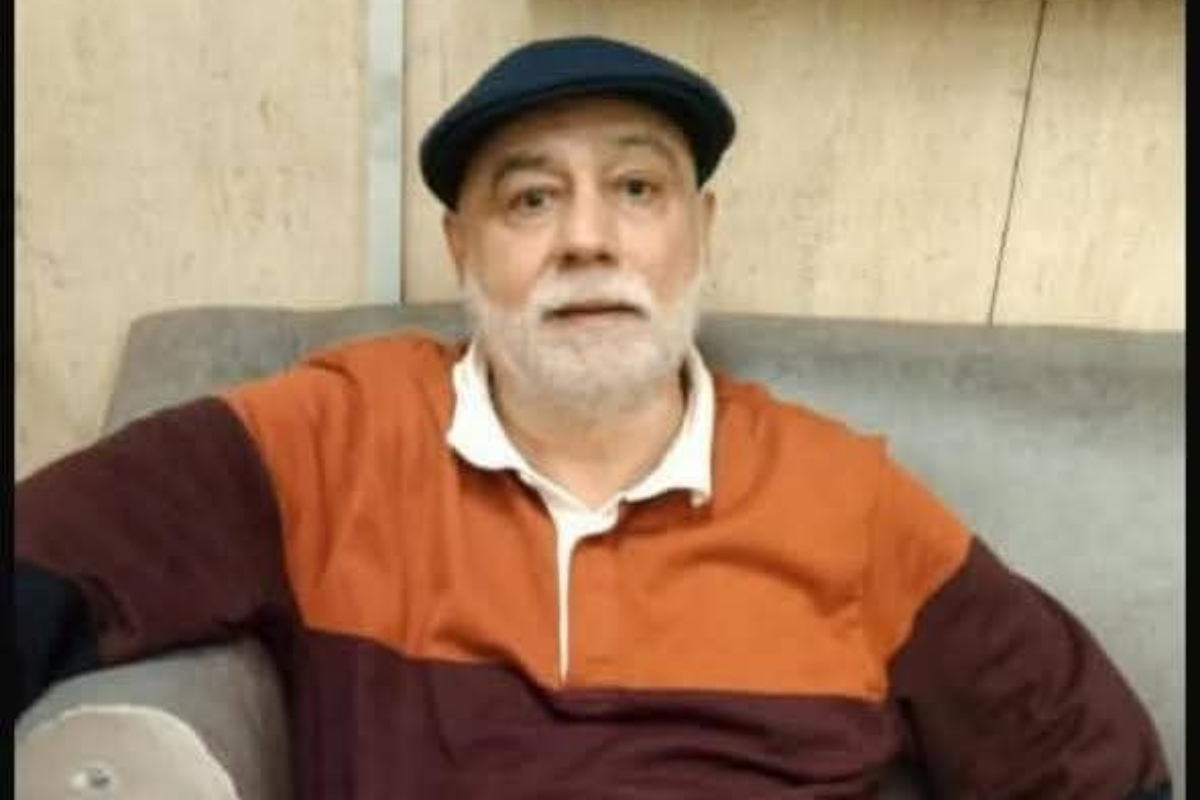
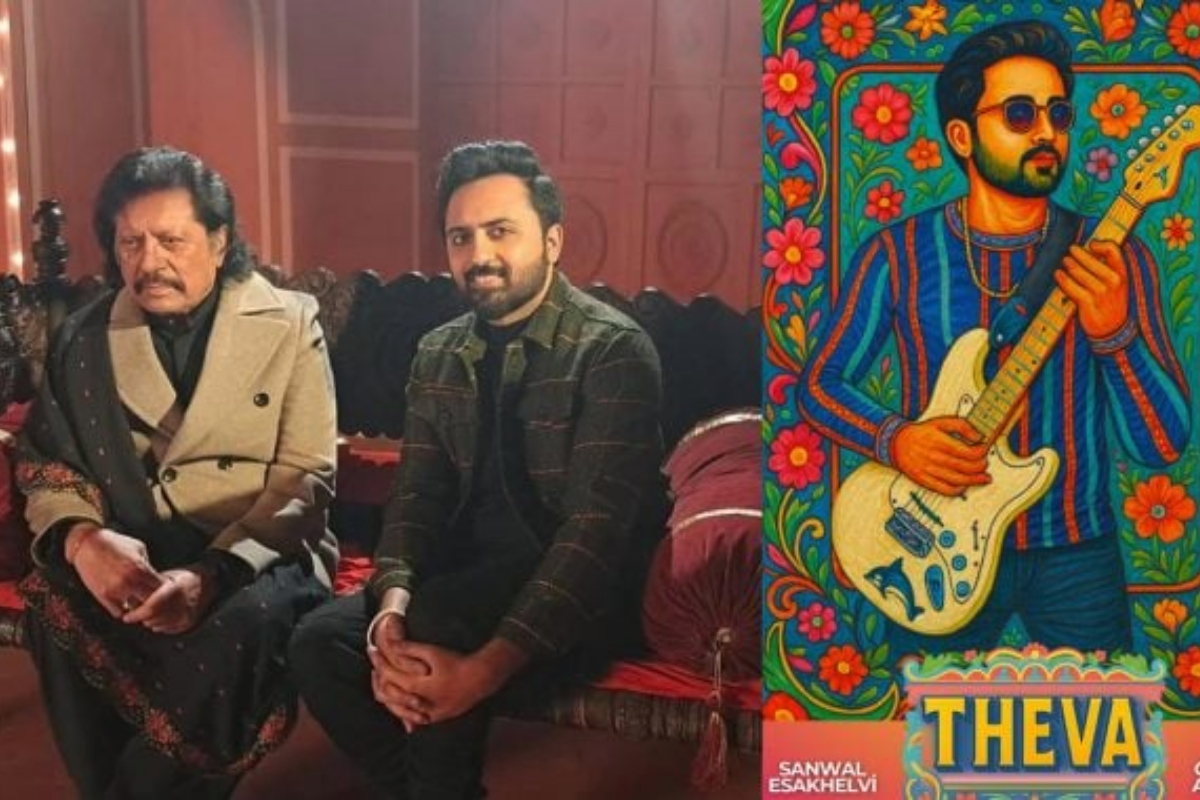
KARACHI: Renowned Sareiki Singer Attaullah Khan Esakhelvi’s timeless hit “Theva” has been reimagined in a new version jointly performed by the legendary artist and his son, Sanwal Esakhelvi.
Blending the traditional folk essence with modern instrumentation, the father-son duo’s rendition has captured the attention of audiences nationwide.
The song is not just a musical collaboration but also a beautiful fusion of two generations — their voices, emotions, and shared cultural heritage.
The original “Theva” was the song that catapulted Attaullah Khan Esakhelvi to nationwide fame, establishing him as the undisputed king of Pakistani folk music. In this latest version, Sanwal Esakhelvi joins his father to breathe new life into that enduring legacy.
Speaking on the release, Sanwal Esakhelvi said the song represents more than just a remake — it is a symbolic bridge connecting generations through art, emotion, and family heritage.
He said his father had passed down not just the microphone, but also his emotions and centuries-old traditions. “It is my sincere effort to preserve and protect my father’s artistic legacy,” Sanwal remarked.
The music for the new version has been composed by Qasim Azhar, while the song has been released under the banner of S Records. The modern rendition of “Theva” is also available on Sanwal Esakhelvi’s official YouTube channel.
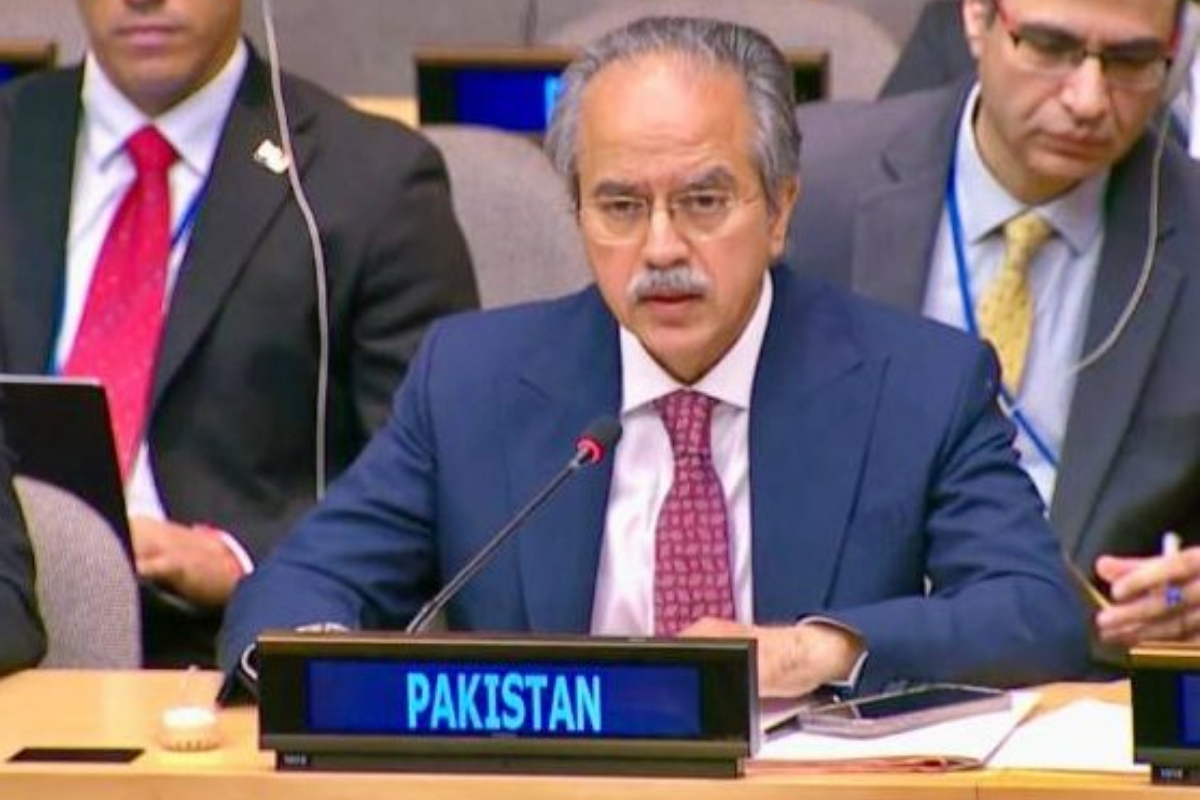
UNITED NATIONS: Pakistan has urged the international community to ensure its application in Palestine and Kashmir, stressing that justice and legality must guide efforts to end their prolonged occupations.
In this regard, Ambassador Asim Iftikhar Ahmad, permanent representative of Pakistan to the UN, regretted flagrant violations of international law and established international norms on part of some countries.
“Peace and security are under threat from military provocations, aggressive designs and illegal actions, including holding in abeyance of international treaties hitherto regarded sacrosanct,” he told UN General Assembly’s Legal Committee.
“We are seeing the disturbing rise of territorial aggrandizement and unilateralism,” the Pakistani envoy said during a debate on ‘The Rule of Law at the National and International Level’.
Highlighting the oppressive occupation of Palestine and Kashmir, he said that an end to impunity and decades-long occupations must begin with true adherence to international law – warning that without accountability, peace remains elusive.
In May this year, Ambassador Asim Ahmad drew attention to India’s aggression against Pakistan, calling the unprovoked attack “a grave breach of international law” that violated its sovereignty.
“Pakistan’s decisive, yet proportionate, incisive and befitting response was in exercise of the right of self-defence, in accordance with Article 51 of the UN Charter,” resulting in downing of several Indian aircraft and inflicting damage on those Indian military bases and targets that were involved in aggressive acts.
“India attempted to establish a ‘new normal’, Pakistan’s response ensured that the only normal is the respect for international law and sovereignty of states, in line with the UN Charter.”
In the Middle East, Ambassador Asim Ahmad said Palestine has bled for long – from the inhuman, indiscriminate and illegal use of force by Israel against the civilian population of Gaza and beyond.
Noting that peace and development are inextricably linked to the rule of law, he reiterated Pakistan’s commitment to the pacific settlement of disputes – a principle advanced through Security Council Resolution 2788, adopted unanimously under Pakistan’s presidency earlier this year.
“Security Council resolutions are themselves a part of international law and impose binding obligations on member states,” he said, adding that preserving its integrity through consistent implementation must be ensured in all cases.”
As the UN marks its 80th anniversary, the Pakistani envoy called for the democratization of international law to ensure that emerging norms remain inclusive and equitable, rather than “exclusive, restrictive, or discriminatory.”
In conclusion, Ambassador Asim Ahmad remarked, “The commitment we make to strengthen and advance the international rule of law will be a lasting legacy for posterity. It would help wean our world off anarchy, strife and conflict, and move us towards cooperation for maximizing global peace, development and stability.”
The Nobel Committee recognized Machado for “her unwavering commitment to non-violent political reform and her courage in the face of persecution.”
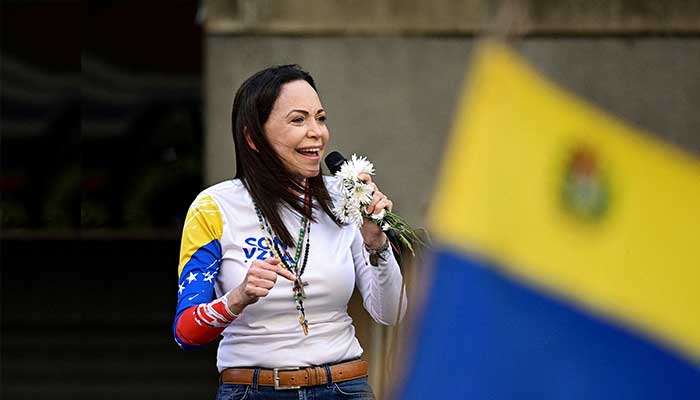
Venezuelan opposition leader Maria Corina Machado has been awarded the 2025 Nobel Peace Prize for her decades-long struggle to restore democracy, defend human rights, and promote political freedom in Venezuela — a nation suffering under years of authoritarian rule and economic crisis.
Who Is Maria Corina Machado?
Born on October 7, 1967, in Caracas, Maria Corina Machado is a 58-year-old industrial engineer and one of the most influential figures in Venezuela’s pro-democracy movement.
Coming from an upper-class family with deep ties to Venezuela’s industrial sector, she co-founded Súmate, a civil organization promoting electoral transparency. Over the years, she became one of the fiercest critics of the late Hugo Chávez and his successor, President Nicolás Maduro.
Her liberal economic stance — advocating privatization of state enterprises like PDVSA, along with strong social welfare for the poor — made her both a popular and polarizing figure.
Political Persecution and Defiance
Machado’s political journey has been marked by constant threats, arrests, and political bans. In 2023, she won Venezuela’s opposition primary with overwhelming support and was widely seen as the leading challenger to Maduro in the 2024 presidential elections.
However, the government banned her from holding public office, effectively blocking her candidacy. Despite the ban, her campaign inspired mass rallies and renewed hope among opposition supporters.
Facing repeated harassment, Machado went into hiding for safety. She briefly resurfaced to join a protest before Maduro’s controversial inauguration, where she was arrested and later released after international condemnation.
Her Message: “Our Struggle Is Collective”
In her Nobel acceptance message, Machado said the award “belongs to every Venezuelan who refuses to surrender their dignity.”
She emphasized that her mission is to “rebuild democratic institutions, restore economic freedom, and give voice to millions silenced by fear.”
Her campaign slogan — “Vamos con todo” (We go all in) — has become a rallying cry for citizens demanding change.
Global Reactions
World leaders, human rights organizations, and activists worldwide have praised the Nobel Committee’s decision.
European Union officials hailed Machado as “a symbol of democratic resistance in Latin America.”
Human Rights Watch said the award highlights “the urgent need for global solidarity with Venezuela’s political prisoners.”
In Latin America, opposition leaders from Brazil, Colombia, and Argentina celebrated her recognition as a victory for all who fight against authoritarianism.
Meanwhile, the Venezuelan government condemned the award, calling it “a political interference by Western powers.” State media described the decision as “an insult to the sovereignty of Venezuela.”
Why It Matters
Machado’s Nobel win is more than a personal triumph — it’s a political statement that puts Venezuela’s human rights situation back in the global spotlight.
Over the past decade, millions of Venezuelans have fled economic collapse, hyperinflation, and repression. International observers see Machado’s recognition as a turning point that may pressure the Maduro government to open dialogue and allow free elections.
Venezuela’s Human Rights Context
Over 7 million Venezuelans have fled the country since 2015 (UNHCR).
Inflation peaked at 400% in 2024, according to IMF estimates.
The UN Human Rights Office has reported hundreds of cases of arbitrary detention and torture linked to political dissent.
The International Criminal Court (ICC) is investigating alleged crimes against humanity committed by Venezuelan authorities.
A Nobel That Rekindles Hope
Maria Corina Machado’s Nobel Peace Prize marks a rare global acknowledgment of Latin America’s democratic struggles.
For many Venezuelans, it revives faith that their decades-long fight for freedom is not forgotten.
Sindh is experiencing one of Pakistan’s worst water crises. With declining river inflows and unsustainable groundwater extraction, water scarcity is deepening both in rural and urban regions.
Causes of Water Shortage
According to a study published on arXiv (2020), groundwater storage across the Indus Basin declined significantly between 2005–2015, beyond normal seasonal variation. The Pakistan Council of Research in Water Resources (PCRWR) report (2024) found that out of 1,247 water supply schemes surveyed in Sindh, only 42% were operational, and 75% of water samples were unsafe for drinking.
Impact on Agriculture
As Dawn (2023) reported, soil salinity and waterlogging have reduced productivity in Thatta and Badin, forcing many farmers to abandon agriculture and migrate to urban centers.
Urban Water Challenges
In Karachi, The Express Tribune (Feb 2024) highlighted how illegal water tanker mafias control distribution, charging up to 10 times the normal rate — deepening inequality between poor and wealthy areas.
Sustainable Solutions
Modernize canal irrigation systems to reduce leakage.
Encourage drip irrigation and rainwater harvesting.
Enforce groundwater extraction laws.
Recycle treated wastewater for industrial use.
Conclusion
Sindh’s water future depends on urgent reforms and cooperation between provinces. Without sustainable water governance, the crisis could soon become Pakistan’s largest human security challenge.