
BREAKING NEWS
Advertise with us >

Climate Finance Gap: Pakistan’s Vulnerability and Global Inaction

Climate ,finance , Pakistan, Germanwatch, Climate ,Risk, Index, UNDP ,report, World Bank ,CCDR, Pakistan ,vulnerability


Pakistan remains one of the world’s most climate-vulnerable nations yet receives less than 0.5% of global climate finance, according to the UNDP Climate Finance Report (2024).

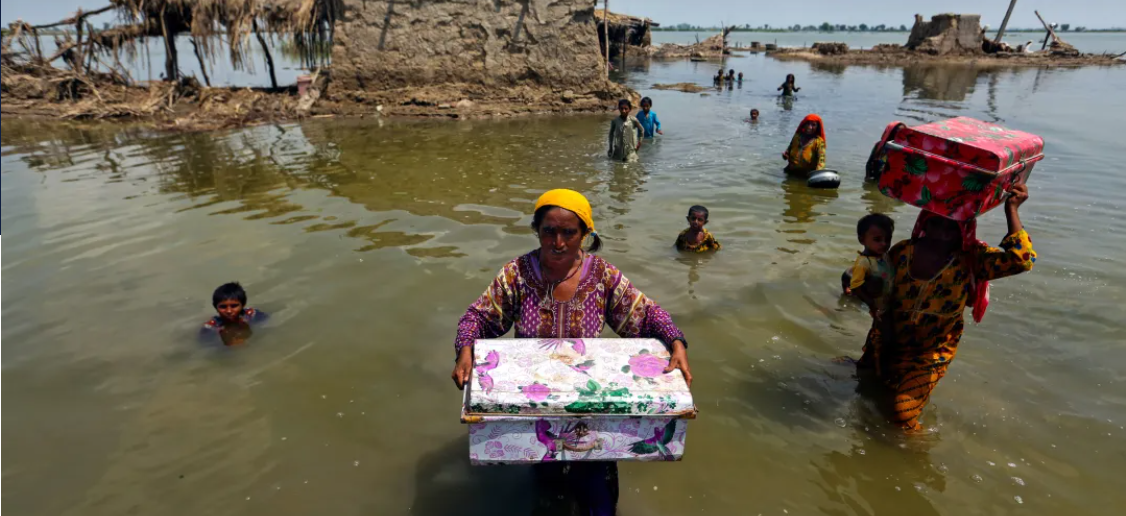
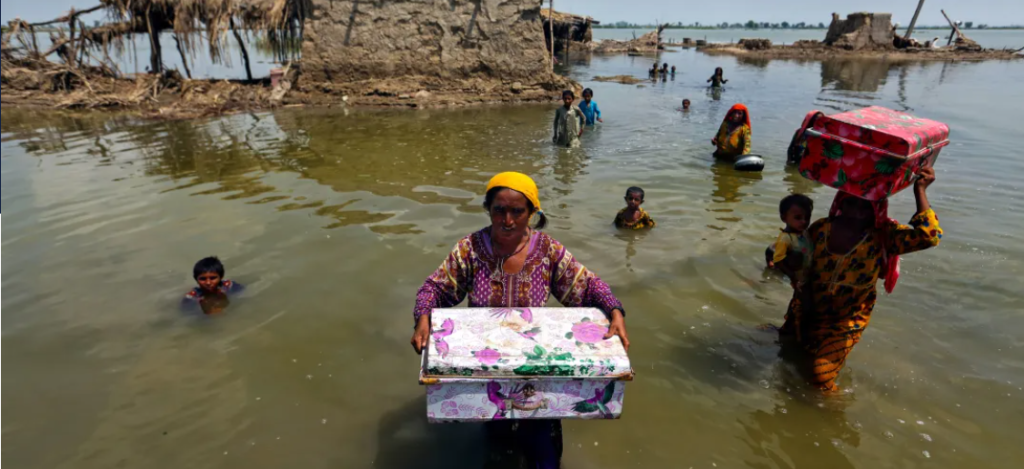
The Germanwatch Climate Risk Index 2023 ranked Pakistan as the eighth most affected country by climate disasters, largely due to the 2022 floods and recurring heatwaves.

“Despite contributing less than 1% of global emissions, Pakistan pays a disproportionate price for global inaction,” said Inger Andersen, Executive Director of the UN Environment Programme (UNEP).

The World Bank Country Climate and Development Report (CCDR) estimates that Pakistan requires $348 billion by 2030 to meet adaptation and mitigation needs, yet available funding is less than 10% of that target.

The Ministry of Climate Change has proposed the Pakistan Climate Investment Fund (PCIF) to attract both public and private capital into renewable energy, water conservation, and green transport projects.

“We need predictable and accessible climate finance, not promises that never materialize,” stated Ali Tauqeer Sheikh, climate policy expert.

Analysts warn that Pakistan’s limited fiscal space and rising debt burden constrain domestic investment in climate adaptation. International donors are calling for better transparency and project readiness to attract concessional funding.

University of Karachi Observes World Food Day 2025

Karachi, University, Food, Nutrition, Health, Agriculture, Sustainability, Technology, Research, Innovation, Education, Awareness, Seminar, Climate, Environment, Students, Science, Safety, FoodDay, Pakistan

The Department of Food Science & Technology at the University of Karachi organized a seminar on Thursday to commemorate World Food Day 2025.


The event was held to raise awareness about the global challenges of hunger, food insecurity, and the importance of sustainable food systems in ensuring a healthy future for all.

Faculty members, students, and guests from academia and the food industry attended the event. The speakers highlighted that World Food Day serves as an important reminder to adopt responsible consumption habits, reduce food waste, and promote sustainable agricultural and food processing practices.

Addressing the participants, the faculty emphasized that Pakistan, being an agriculture-based country, has immense potential to strengthen its food system through innovation, research, and modern technology. They also stressed the role of youth and researchers in developing new methods to improve food preservation, enhance nutritional value, and ensure food safety standards.

The seminar provided an opportunity for students to engage in discussions on global and national food issues. Participants shared their views on how climate change, population growth, and water scarcity are impacting food production and access.

World Food Day is observed annually on October 16 to commemorate the founding of the Food and Agriculture Organization (FAO) of the United Nations. The University of Karachi’s Department of Food Science & Technology continues to play a key role in promoting education, research, and awareness on issues related to food quality, safety, and sustainability.

The event concluded with a note of appreciation for the organizers and participants, reaffirming the department’s commitment to advancing food science education and contributing to a food-secure and sustainable Pakistan.

Running Dry: Sindh’s Deepening Water Crisis

Dry riverbed in Sindh showing water scarcity and drought.

Sindh is experiencing one of Pakistan’s worst water crises. With declining river inflows and unsustainable groundwater extraction, water scarcity is deepening both in rural and urban regions.

Causes of Water Shortage

According to a study published on arXiv (2020), groundwater storage across the Indus Basin declined significantly between 2005–2015, beyond normal seasonal variation.
The Pakistan Council of Research in Water Resources (PCRWR) report (2024) found that out of 1,247 water supply schemes surveyed in Sindh, only 42% were operational, and 75% of water samples were unsafe for drinking.

Impact on Agriculture

As Dawn (2023) reported, soil salinity and waterlogging have reduced productivity in Thatta and Badin, forcing many farmers to abandon agriculture and migrate to urban centers.

Urban Water Challenges

In Karachi, The Express Tribune (Feb 2024) highlighted how illegal water tanker mafias control distribution, charging up to 10 times the normal rate — deepening inequality between poor and wealthy areas.

Sustainable Solutions

  • Modernize canal irrigation systems to reduce leakage.
  • Encourage drip irrigation and rainwater harvesting.
  • Enforce groundwater extraction laws.
  • Recycle treated wastewater for industrial use.

Conclusion

Sindh’s water future depends on urgent reforms and cooperation between provinces. Without sustainable water governance, the crisis could soon become Pakistan’s largest human security challenge.