
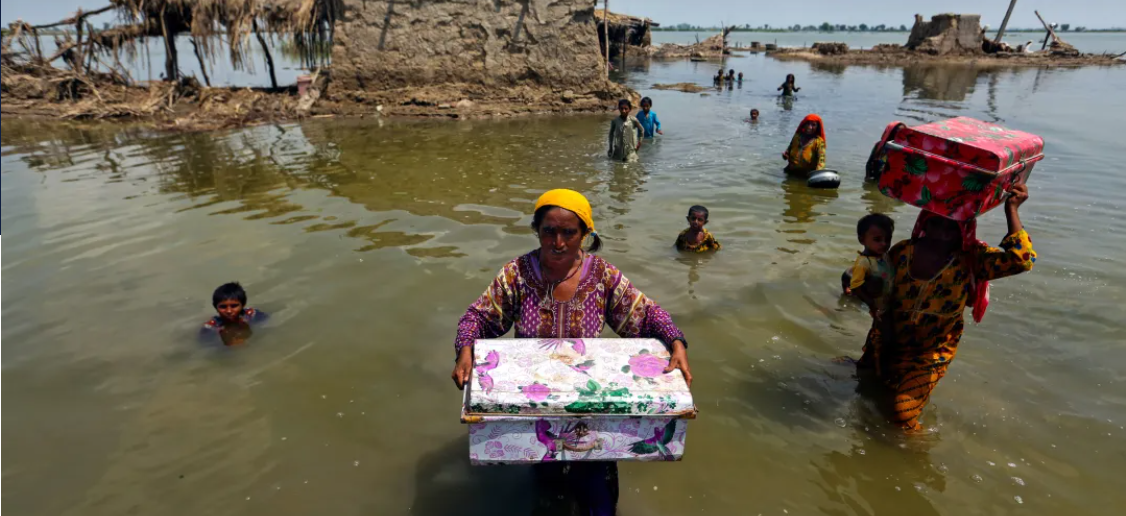
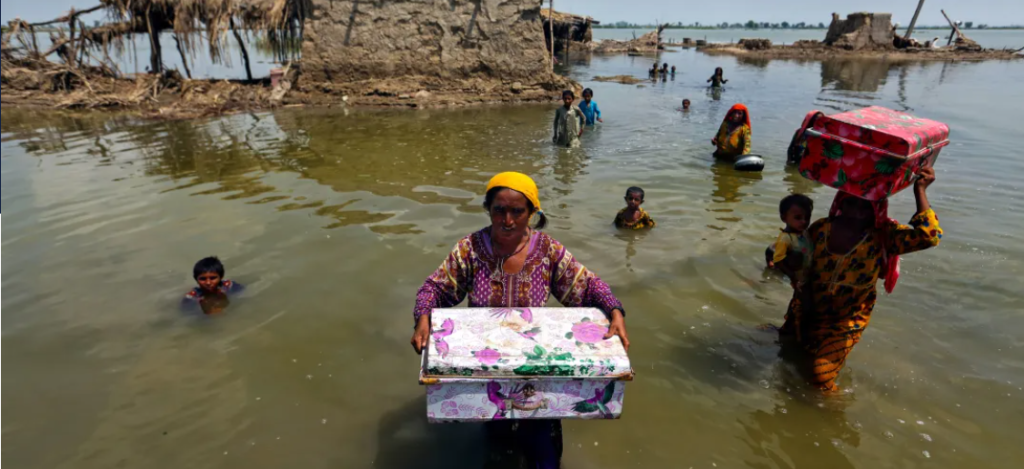
Pakistan remains one of the world’s most climate-vulnerable nations yet receives less than 0.5% of global climate finance, according to the UNDP Climate Finance Report (2024).
The Germanwatch Climate Risk Index 2023 ranked Pakistan as the eighth most affected country by climate disasters, largely due to the 2022 floods and recurring heatwaves.
“Despite contributing less than 1% of global emissions, Pakistan pays a disproportionate price for global inaction,” said Inger Andersen, Executive Director of the UN Environment Programme (UNEP).
The World Bank Country Climate and Development Report (CCDR) estimates that Pakistan requires $348 billion by 2030 to meet adaptation and mitigation needs, yet available funding is less than 10% of that target.
The Ministry of Climate Change has proposed the Pakistan Climate Investment Fund (PCIF) to attract both public and private capital into renewable energy, water conservation, and green transport projects.
“We need predictable and accessible climate finance, not promises that never materialize,” stated Ali Tauqeer Sheikh, climate policy expert.
Analysts warn that Pakistan’s limited fiscal space and rising debt burden constrain domestic investment in climate adaptation. International donors are calling for better transparency and project readiness to attract concessional funding.