BREAKING NEWS
Advertise with us >

The Rise of Minimalist Living in Pakistan: Why Less Is the New Luxury

Minimalism Pakistan, Lifestyle 2025, Sustainable Living, Mental Health, Future Soch


As consumerism loses its charm, a quiet revolution is taking root across Pakistan — one that values simplicity, space, and sustainability over status.

A Shift in Mindset

In a world obsessed with more — more possessions, more upgrades, more distractions — a growing number of Pakistanis are choosing less. From Karachi’s urban professionals to Lahore’s creative freelancers, the concept of minimalist living is redefining how people view comfort and success in 2025.

Minimalism, once seen as a Western aesthetic, is now being reinterpreted within Pakistani culture. It’s not just about decluttering homes — it’s about decluttering life. People are questioning consumer habits, rethinking waste, and seeking fulfillment through experiences rather than material possessions.

“I realized my apartment was full of things I never used,” says 30-year-old interior designer Sana Iqbal. “Once I let go of unnecessary stuff, I felt lighter — mentally and financially.”


Minimalism in Pakistani Homes

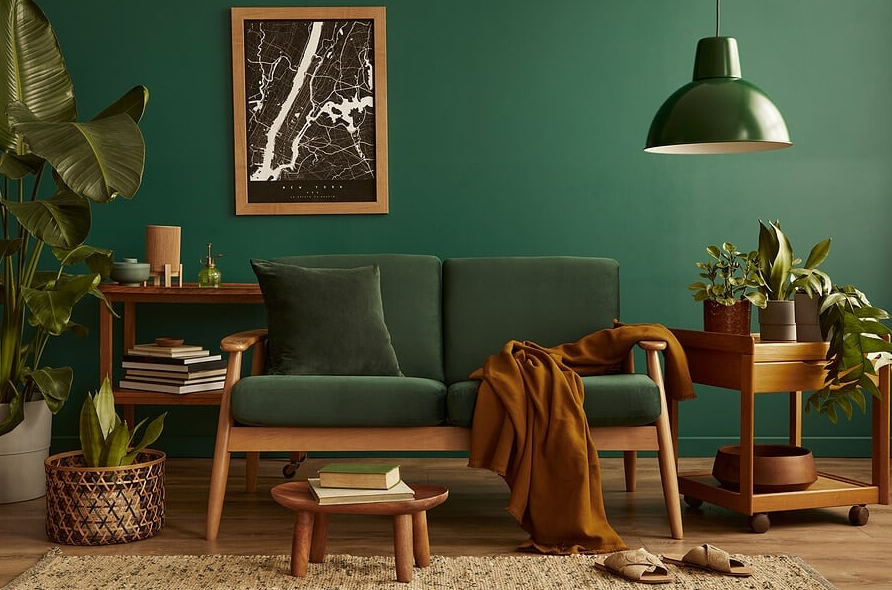
The trend has begun to reshape interior design. Clean lines, open spaces, and neutral tones are replacing heavy furniture and ornate decor. Designers are focusing on functionality — each object has a purpose.

Minimalism Pakistan, Lifestyle 2025, Sustainable Living, Mental Health, Future Soch

Architectural firms in major cities report increased demand for compact, multi-functional spaces. “Clients want homes that breathe,” explains architect Ahmed Shah from Islamabad. “They prefer natural light, fewer partitions, and sustainable materials like wood and clay.”

Even small apartments are becoming models of mindful living. Instead of filling rooms with furniture, people are investing in quality over quantity — a single handcrafted chair rather than a full, mismatched set.


Minimalism Meets Sustainability

Minimalism in Pakistan isn’t just aesthetic — it’s also environmental. With climate awareness growing, consumers are turning toward sustainable fashion, reusable products, and eco-friendly brands.

Platforms like Daachi Foundation and Polly & Other Stories are promoting local craftsmanship and upcycled design. The younger generation, especially Gen Z, is driving the “buy less, buy better” movement. Thrift stores and pre-loved clothing markets are thriving on Instagram, giving new life to what was once seen as waste.

This mindset is also influencing weddings and events — once known for extravagance. More couples are opting for intimate, minimalist ceremonies, emphasizing experience and meaning over scale and spectacle.


The Mental Freedom of Having Less

Psychologists note a direct link between clutter and stress. In Pakistan’s fast-paced cities, minimalism is becoming a form of mental wellness.

Decluttering spaces — both digital and physical — helps reduce anxiety and decision fatigue. “It’s about controlling your environment instead of being controlled by it,” explains therapist Dr. Huma Asif.

Digital minimalism is also on the rise. Many professionals are limiting screen time, curating social media, and switching to minimalist phone setups to focus on priorities. Apps like Notion and Forest are helping users stay organized and intentional.


Influencers and the Minimalist Aesthetic

Social media, ironically, has helped spread the minimalist lifestyle. Instagram accounts like Minimalist Pakistan and YouTube channels by Pakistani vloggers living abroad are inspiring thousands to adopt simplicity.

Content creators are promoting slow fashion, decluttering tips, and minimalist meal prep ideas that resonate with urban youth. The aesthetic of clean photography, neutral tones, and thoughtful design aligns perfectly with Gen Z’s craving for authenticity.


Minimalism as Freedom, Not Restriction

Critics often misunderstand minimalism as deprivation — but in truth, it’s liberation. It’s not about owning nothing; it’s about owning what matters.

For many Pakistanis, especially young families and freelancers, the shift toward minimalist living is also practical. With rising inflation and limited urban space, simplicity brings stability and peace. It allows individuals to focus on financial independence, creativity, and experiences rather than constant consumption.

“Luxury today isn’t having more,” says entrepreneur Bilal Hasan. “It’s about having time — time to think, to rest, and to live.”


A Global Trend, A Local Heart

While minimalism has roots in global design philosophy, Pakistan’s version carries a local spirit — blending simplicity with culture. Traditional homes in rural Punjab or Gilgit already embody this lifestyle — modest, functional, and connected to nature.

Now, that ethos is returning to urban life. The minimalist movement is inspiring Pakistanis to live consciously, create mindfully, and build spaces that reflect balance.

As the world rushes toward excess, Pakistan’s youth are quietly embracing a timeless truth: happiness doesn’t come from having everything — it comes from needing less.

Fashion Meets Tech: How Smart Wearables Are Redefining Pakistani Style

Fashion Tech, Smart Wearables, Pakistan Lifestyle, Innovation, 2025 Trends


From fitness bands to AI-powered watches, Pakistan’s fashion scene is evolving as technology merges with everyday accessories, bringing a new era of functional style.


Fashion and technology are no longer separate worlds — and Pakistan’s urban youth are proving it. In 2025, the trend of smart wearables is reshaping how people define personal style. Fitness trackers, smartwatches, and even sensor-embedded clothing are now part of the country’s fast-changing fashion landscape.

Fashion Tech, Smart Wearables, Pakistan Lifestyle, Innovation, 2025 Trends

Brands such as Samsung, Xiaomi, and Fitbit have seen rising sales in Pakistan, while local designers are experimenting with digital fabrics and tech-inspired aesthetics. “Wearables are now about identity,” says Karachi-based designer Sadaf Riaz. “They’re not just gadgets — they’re expressions of lifestyle and innovation.”

The growing popularity of fitness apps, step counters, and heart-rate monitors has also made tech accessories a part of wellness culture. With rising health awareness among millennials and Gen Z, these devices symbolize discipline, productivity, and smart living.

Fashion Tech, Smart Wearables, Pakistan Lifestyle, Innovation, 2025 Trends

Experts believe the next phase will bring locally manufactured wearables — affordable, stylish, and tuned to Pakistan’s consumer needs. As fashion and functionality converge, the country’s design industry is quietly entering the global conversation about tech couture.

Work-from-Anywhere: The Rise of Remote Living Among Pakistani Professionals

Remote Work, Lifestyle 2025, Pakistan Professionals, Freelancing, Work-Life Balance


From Gilgit’s mountain cafés to Karachi’s coworking hubs, a new class of Pakistani professionals is redefining work-life balance through flexible, location-free careers.


As the global workplace continues to evolve in 2025, Pakistan is witnessing its own version of the “remote living” revolution. The pandemic-era trend of working from home has matured into something bigger — work from anywhere.

Remote Work, Lifestyle 2025, Pakistan Professionals, Freelancing, Work-Life Balance

Thousands of Pakistani freelancers, tech workers, and entrepreneurs are now choosing mobility and freedom over traditional 9-to-5 routines. Many are relocating temporarily to scenic destinations like Hunza, Swat, and Skardu — turning cafés and guest houses into part-time offices. “All I need is my laptop and good Wi-Fi,” says Umar Zaman, a digital marketer from Lahore. “I’ve worked from three cities this year — and productivity hasn’t dropped.”

The rise of coworking spaces across Pakistan’s major cities has further fueled the trend. Startups like Daftarkhwan, Kickstart, and The Hive offer flexible memberships, allowing professionals to work from multiple locations with reliable connectivity and creative networking.

Experts believe this shift will reshape urban planning and employment patterns in the coming decade. With global companies increasingly hiring remote talent from Pakistan, the future workforce is more mobile, self-directed, and mentally balanced.

As one HR consultant put it, “Work-life balance in 2025 is not about less work — it’s about choosing where and how to work.”

Digital Detox: Why Pakistan’s Youth Are Logging Off for Mental Peace

Digital Detox, Lifestyle 2025, Mental Health, Pakistan Youth, Social Media


Constant notifications, digital pressure, and screen fatigue are pushing young Pakistanis to take a break from social media — rediscovering mindfulness and real-life connection.


In 2025, a quiet movement is spreading among Pakistan’s youth — the digital detox. Overwhelmed by endless scrolling, online comparisons, and algorithmic stress, many young people are intentionally logging off for days or weeks to regain focus, creativity, and peace of mind.

From Karachi to Islamabad, university students and young professionals are practicing “screen-free weekends” and attending wellness retreats focused on mental reset. “Social media made me feel like I was constantly behind in life,” says Zara Malik, a 24-year-old designer. “Disconnecting for a week helped me sleep better and think clearer.”

Experts say this shift reflects a global trend. A recent study by We Are Social found that nearly 40% of Gen Z users plan to reduce their screen time in 2025. In Pakistan, digital fatigue is amplified by the pressure to appear productive and successful online — a side effect of influencer culture and competitive workplaces.

Therapists and educators are now encouraging young people to balance online engagement with mindfulness, outdoor time, and community-based hobbies. Apps like “Forest” and “One Sec” are also gaining popularity for helping users manage screen time.

As one psychologist put it, “Logging off isn’t rejection — it’s recovery.”

Wearable Fitness Technology: Tracking Progress in Real-Time

Wearable Fitness Technology: Tracking Progress in Real-Time

Wearable technology in 2025 offers real-time data on various health metrics, aiding in personalized fitness tracking.

Wearable Fitness Technology: Tracking Progress in Real-Time

Popular Wearable Devices:

  • Apple AirPods Pro 3: Earbuds with heart-rate tracking capabilities.
  • Oura Ring 4: A smart ring that monitors sleep and activity levels.
  • Smartwatches: Devices that track steps, calories, and other health metrics.

Benefits of Wearable Technology:

  • Real-Time Feedback: Immediate data to adjust workouts and lifestyle choices.
  • Goal Tracking: Helps users stay motivated and on track with fitness objectives.
  • Health Monitoring: Detects early signs of health issues for proactive care.

Conclusion:
Integrating wearable technology into daily routines enhances fitness outcomes and overall health awareness.

Inclusive Fitness: Making Health Accessible for All

Diverse group of people participating in adaptive fitness class

Inclusive fitness programs in 2025 focus on providing accessible training for individuals of all abilities, promoting health equity.

Inclusive Fitness: Making Health Accessible for All

Key Features of Inclusive Fitness:

  • Adaptive Workouts: Customized exercises catering to various physical and cognitive abilities.
  • Specialized Trainers: Professionals trained to work with diverse populations.
  • Supportive Environments: Gyms and studios designed to be accessible and welcoming.

Benefits of Inclusive Fitness:

  • Improved Physical Health: Enhances strength, mobility, and overall fitness.
  • Boosted Confidence: Empowers individuals through achievement and progress.
  • Community Building: Fosters a sense of belonging and support.

Conclusion:
Inclusive fitness programs are essential in creating a health-conscious society where everyone has the opportunity to thrive.

Top Recovery Tools in 2025: Enhancing Performance and Wellness

Fitness enthusiast using percussive massage device post-workout

Recovery is a critical aspect of fitness in 2025, with advanced tools aiding in muscle repair and overall wellness.

Popular Recovery Tools:

  • Theragun PRO: A percussive therapy device that alleviates muscle soreness.
  • Eight Sleep Pod 5 Ultra: A smart mattress that regulates temperature for optimal sleep.
  • Compression Therapy Boots: Enhance circulation and reduce muscle fatigue.

Benefits of Recovery Tools:

  • Faster Muscle Repair: Accelerates healing and reduces downtime.
  • Improved Sleep Quality: Devices like smart mattresses promote restful sleep.
  • Enhanced Performance: Regular use leads to better training outcomes.

Conclusion:
Incorporating advanced recovery tools into fitness routines ensures sustained performance and long-term health benefits.

Embracing Holistic Wellness: A Comprehensive Approach to Health

Woman meditating outdoors with healthy meal and yoga mat nearby

Holistic wellness in 2025 emphasizes the interconnectedness of physical, mental, and emotional health. This approach integrates various practices to promote overall well-being.

Embracing Holistic Wellness: A Comprehensive Approach to Health

Key Components of Holistic Wellness:

Mindfulness and Meditation: Techniques that reduce stress and enhance mental clarity

Balanced Nutrition: Consuming a variety of nutrient-rich foods to support bodily functions.

Physical Activity: Engaging in regular exercise to maintain physical health.

Adequate Sleep: Ensuring sufficient rest for recovery and energy.

Benefits of Holistic Wellness:

  • Improved Mental Health: Reduces anxiety and depression through mindfulness practices.
  • Enhanced Physical Health: Supports immune function and reduces the risk of chronic diseases.
  • Emotional Balance: Promotes emotional stability and resilience.

Conclusion:
Adopting a holistic approach to wellness leads to a balanced and fulfilling life, addressing the root causes of health issues rather than just symptoms.

AI-Powered Personalized Fitness Plans: The Future of Training

Person using AI fitness app on smartphone while exercising at home

In 2025, Artificial Intelligence (AI) has revolutionized the fitness industry by offering personalized workout plans tailored to individual needs. AI analyzes data such as age, fitness level, goals, and recovery patterns to create optimized training regimens.

AI-Powered Personalized Fitness Plans: The Future of Training

Benefits of AI in Fitness:

  • Personalized Workouts: AI customizes exercises based on user data, ensuring effective and safe training sessions.
  • Progress Tracking: Continuous monitoring allows for real-time adjustments to workout plans, maximizing results.
  • Accessibility: AI-driven apps provide guidance to users at home or in the gym, making fitness more accessible.

Popular AI Fitness Apps:

  • FitnessAI: Offers personalized strength training plans with progressive overload algorithms.
  • Athletica AI Coaching: Provides science-backed coaching with adaptive training plans.

Conclusion:
AI-powered fitness plans are transforming how individuals approach training, offering personalized, efficient, and accessible solutions to meet diverse fitness goals.