BREAKING NEWS
Advertise with us >

Trump urges senate to pass crypto clarity act to keep US ahead of China

Trump urges

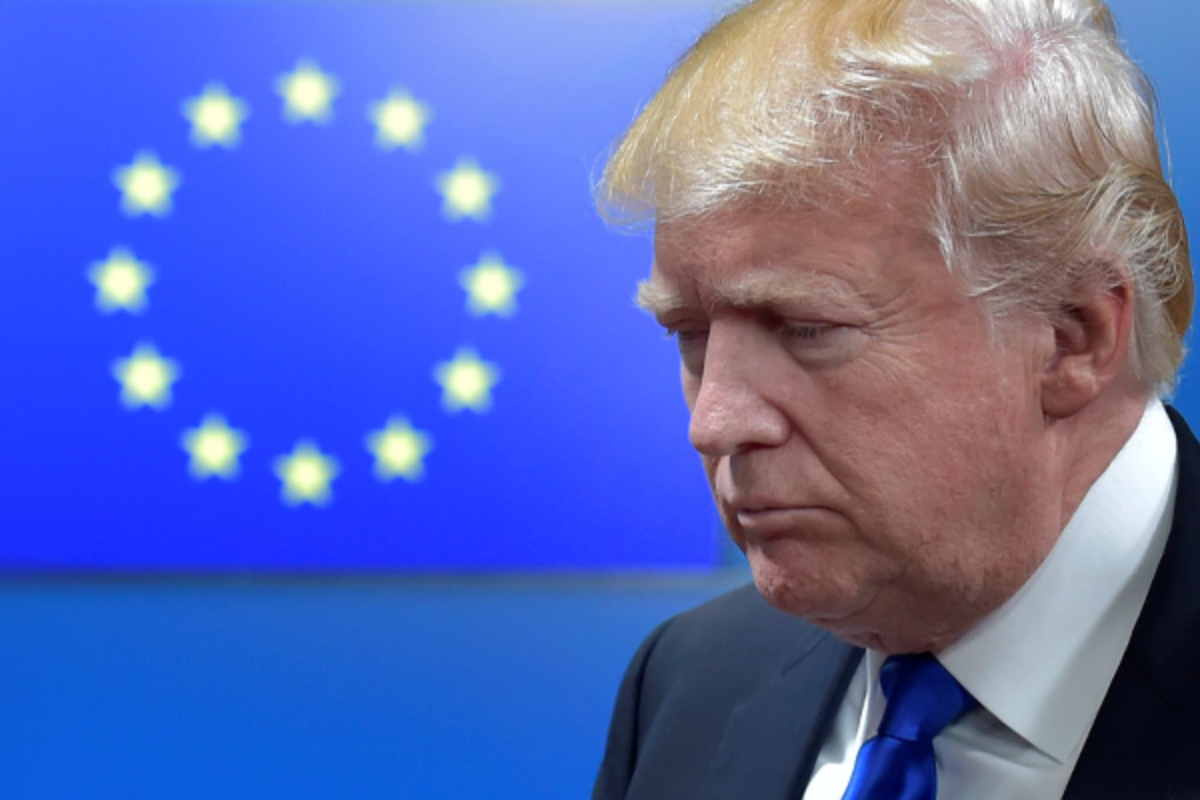
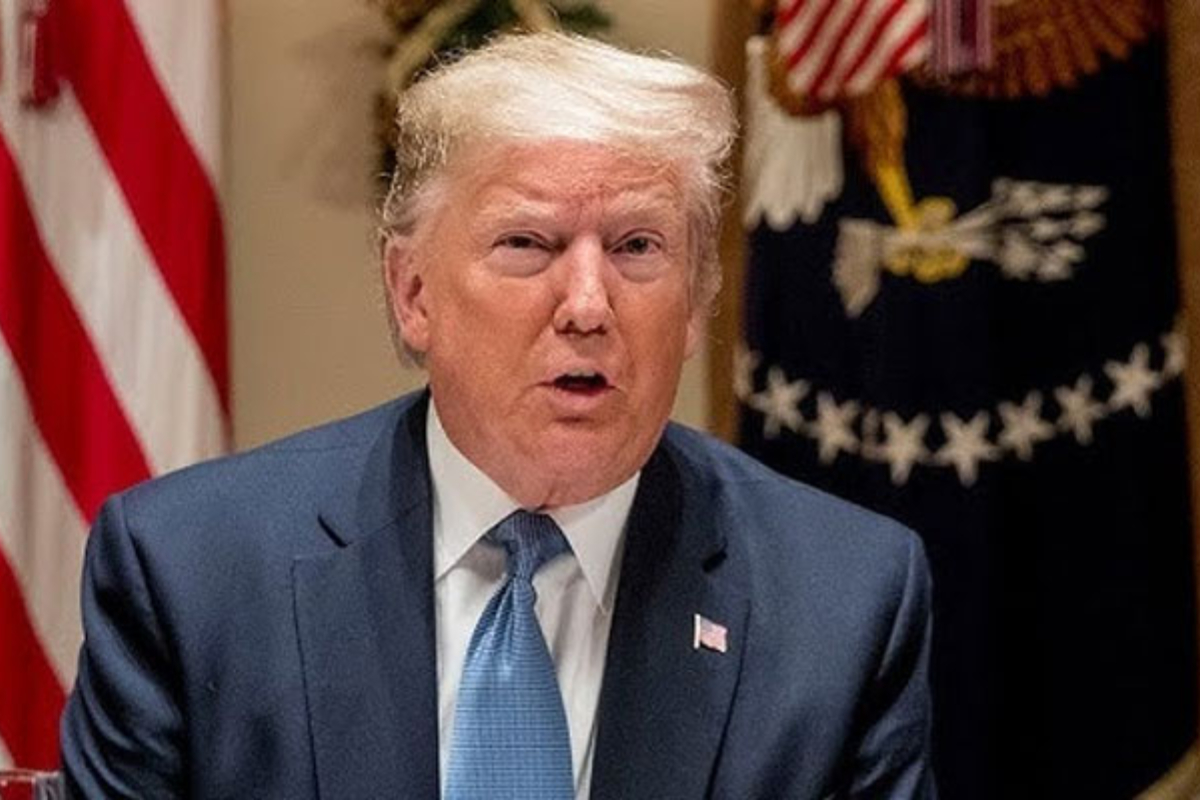
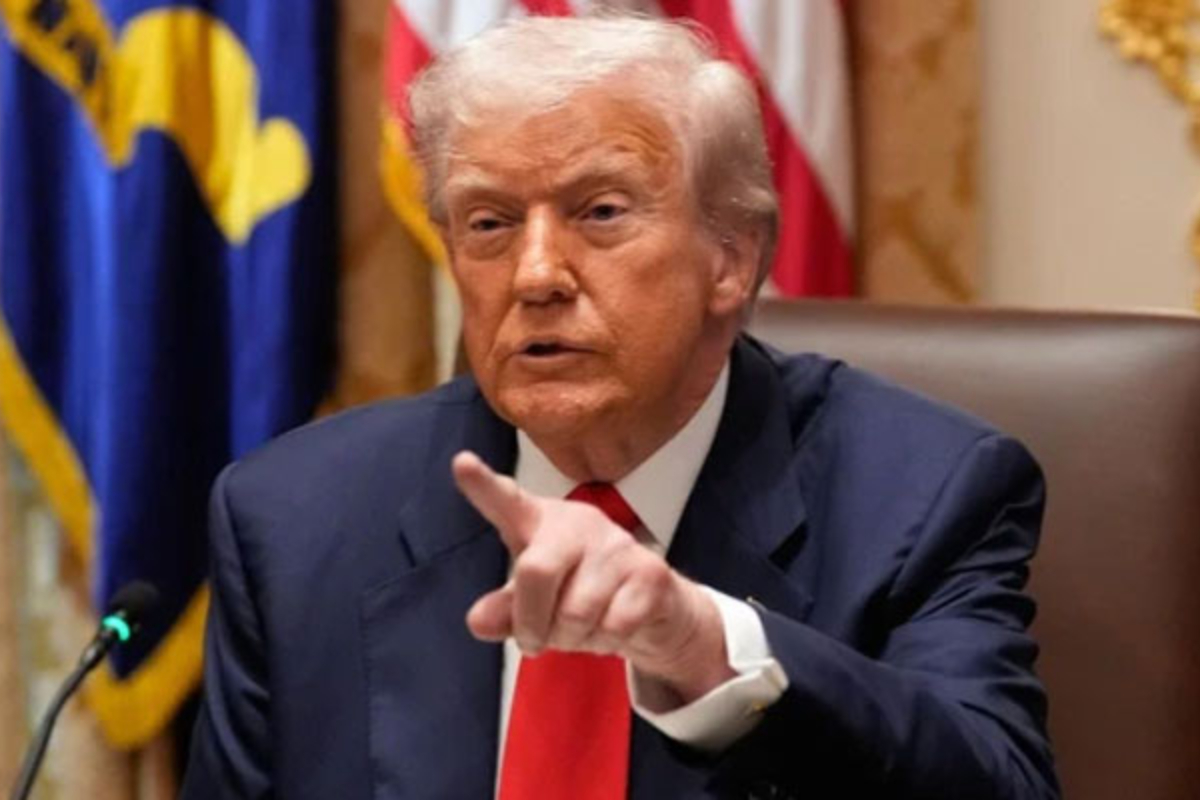
WASHINGTON: President Donald Trump urged the US Senate to pass the Clarity Act, saying the proposed cryptocurrency legislation is essential to maintaining America’s technological and financial edge over China.

In a post on his Truth Social platform, Trump called on senators to approve the bill, saying it would serve as a tribute to the late Sen. Lindsey Graham, whom he described as a strong supporter.

Trump argued that China and other countries are seeking to dominate the cryptocurrency industry and are also competing aggressively with the United States in the field of artificial intelligence.

“We must not let China succeed in either of these sectors,” Trump said, urging lawmakers to move the legislation forward.

The appeal comes after the death of Graham, a Republican ally of Trump, which could complicate the bill’s prospects in the Senate by reducing the Republican majority. The legislation would require 60 votes to pass the Senate before it could become law.

The Clarity Act is among the first comprehensive proposals to establish a federal regulatory framework for the cryptocurrency industry. It has received support from major U.S. crypto companies and the White House, with backers arguing that clear regulations would strengthen investor confidence and encourage further investment.

Some Democratic lawmakers, however, have called for stricter ethics provisions in the bill, including additional restrictions on elected officials, arguing that public officeholders should face tighter oversight over their involvement in digital assets.
Pakistan, China reaffirm support for peaceful resolution of disputes through dialogue

Pakistan

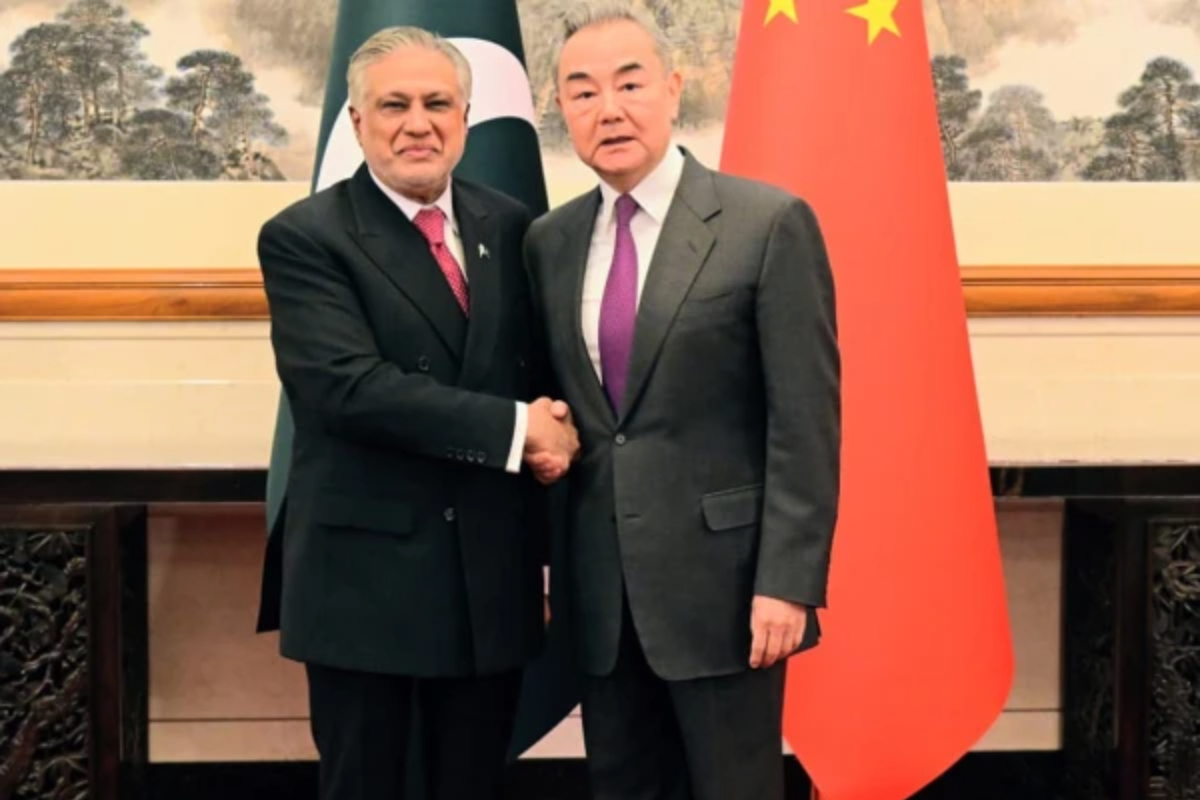
ISLAMABAD: Pakistan and China have reaffirmed their commitment to the peaceful resolution of disputes in accordance with the United Nations Charter and pledged to continue close cooperation in support of dialogue aimed at reducing tensions and promoting lasting peace.

According to Pakistan’s Foreign Office, Deputy Prime Minister and Foreign Minister Ishaq Dar held a telephone conversation with Chinese Foreign Minister Wang Yi, during which he congratulated China on the 105th anniversary of the founding of the Communist Party of China.

The two leaders discussed the Iran-U.S. peace process, including the first round of high-level talks held in the Swiss city of Bürgenstock with the mediation of Pakistan and Qatar.

Dar briefed Wang on the outcomes of the talks, saying that a high-level committee had been established in Islamabad to oversee the mediation process under a recently signed memorandum of understanding.

He said three working groups had also been formed to address issues related to the nuclear program, sanctions, monitoring mechanisms and dispute resolution, with the goal of facilitating a final agreement between the parties within 60 days.

Dar praised China’s continued support for the peace process and highlighted the importance of Chinese President Xi Jinping’s four-point peace proposal and the joint Pakistan-China five-point peace initiative.

Wang congratulated Pakistan on the successful facilitation of the talks and the signing of the memorandum of understanding, commending Islamabad’s diplomatic efforts, mediation role and continued engagement in support of regional peace and stability.

Reaffirming China’s support for Pakistan’s mediation efforts, Wang said disputes must be resolved peacefully in line with the principles of the United Nations Charter.

Both ministers pledged to maintain close coordination in encouraging a negotiated settlement between the parties, with the aim of achieving a lasting reduction in tensions, sustainable peace, shared development and mutual prosperity.

Trump urges Iran and Israel to halt attacks as China calls for restraint

Trump urges

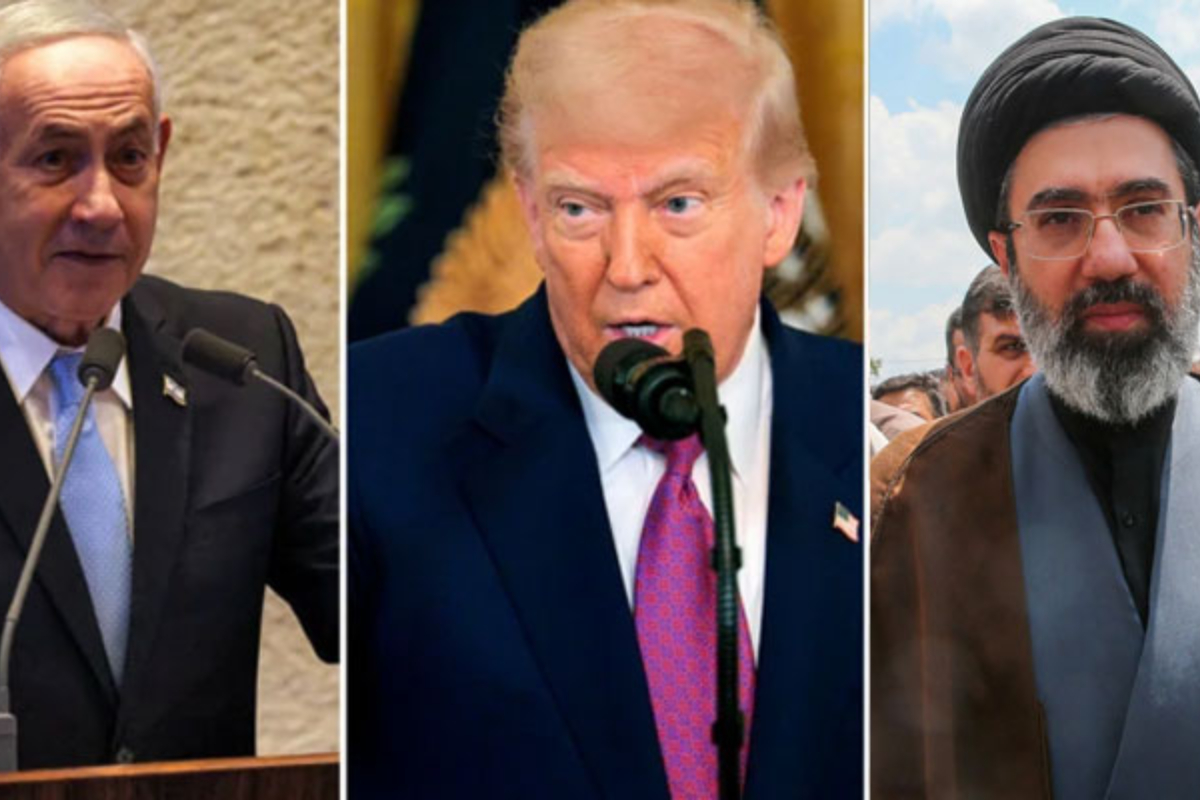
WASHINGTON: US President Donald Trump on Monday called on Iran and Israel to immediately stop attacking each other, amid escalating hostilities in the Middle East.

In a post on social media, Trump wrote: “Iran and Israel should stop the attacks immediately,” urging both sides to de-escalate rising tensions.

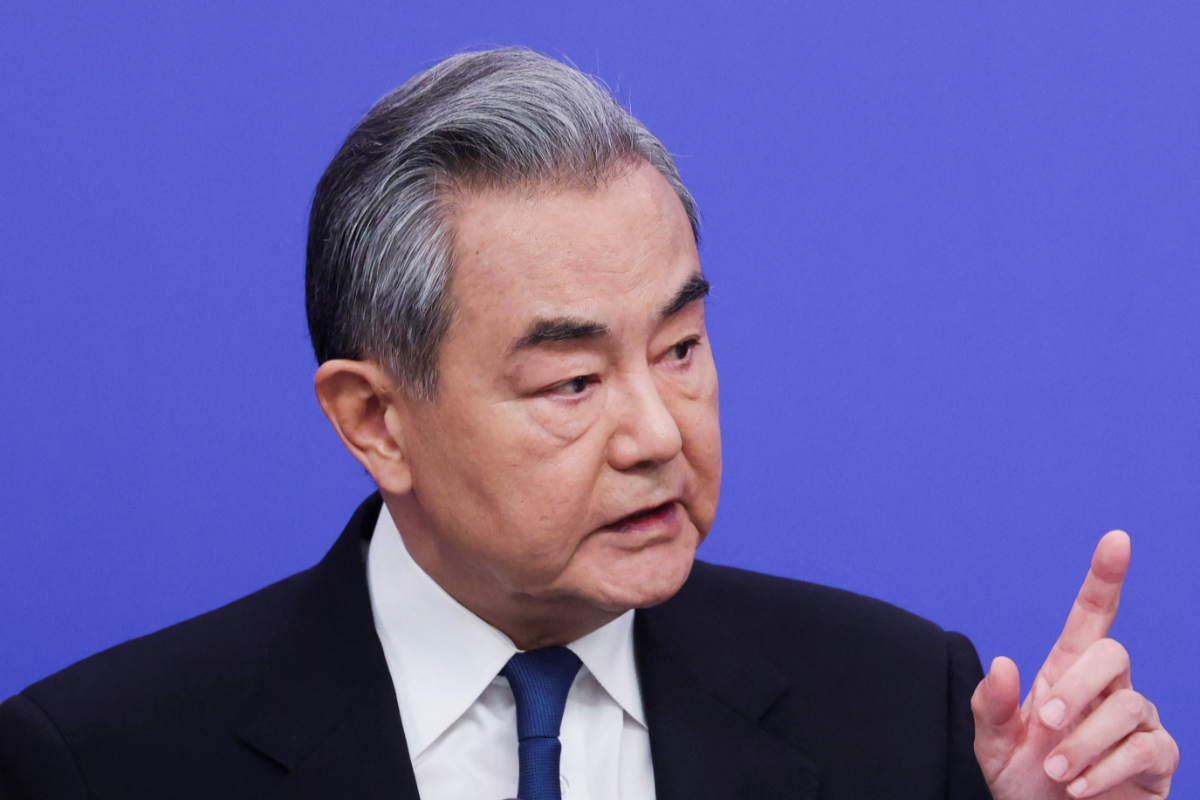
Meanwhile, China expressed deep concern over the latest situation in the region. A spokesperson for the Chinese Foreign Ministry said renewed hostilities would serve no party’s interests and called for both Iran and Israel to maintain a ceasefire.

The developments come as both countries have exchanged multiple strikes since the previous day, raising fears of further escalation.

According to earlier reports, Trump had also spoken by phone with Israeli Prime Minister Benjamin Netanyahu, warning against further escalation. However, shortly after the call, Israel reportedly launched missile strikes on Iran, prompting retaliatory attacks from Tehran.

Tensions between Iran and Israel have sharply intensified, with both sides continuing military actions despite growing international calls for restraint.

China pledges to buy $17b in US agricultural products over three years

China pledges

WASHINGTON: China has pledged to purchase $17 billion worth of agricultural products from the United States over the next three years, according to a fact sheet released by the White House.

The commitment was made during a meeting last week between Chinese President Xi Jinping and U.S. President Donald Trump.

The White House said the new $17 billion pledge does not include a previous commitment made in October 2025 to purchase U.S. soybeans.

The fact sheet also confirmed remarks by China’s foreign minister regarding plans to establish a U.S.-China Board of Trade and a U.S.-China Board of Investment to strengthen economic cooperation between the two countries.

Trump had earlier told reporters at the White House following his trip to China that major trade agreements had been reached and that relations between Washington and Beijing were “excellent.”

The announcement marks another sign of improving trade ties between the world’s two largest economies after years of tariff disputes and economic tensions.

Pakistan Navy commissions first Hangor-class submarine in China

Pakistan Navy

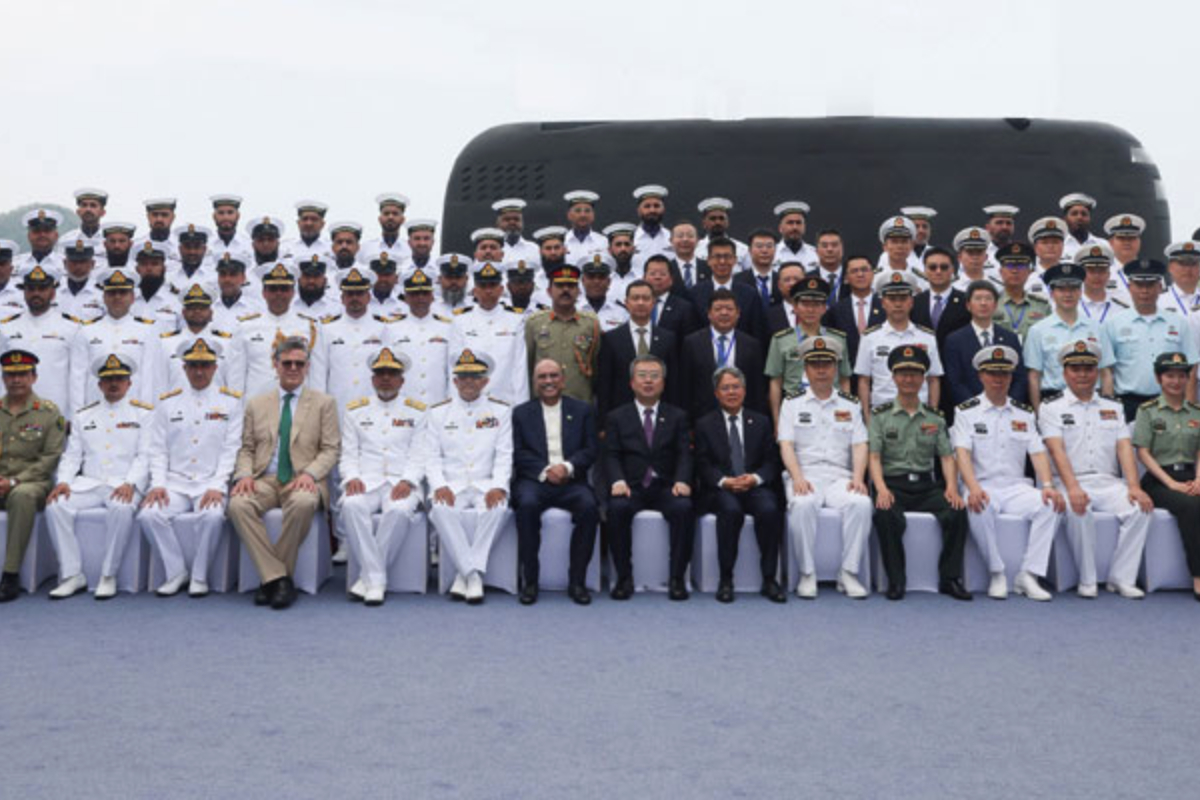
The Pakistan Navy marked a major milestone with the commissioning of its first Hangor-class submarine in China, in a ceremony attended by Asif Ali Zardari, President of Pakistan, as the chief guest.

According to Inter-Services Public Relations (ISPR), Chief of the Naval Staff Admiral Naveed Ashraf was also present on the occasion.

Addressing the ceremony, President Zardari described the commissioning of the Hangor submarine as a historic step in the Pakistan Navy’s modernization journey.

He emphasized that Pakistan possesses the full capability to defend its sovereignty, safeguard maritime interests, and protect vital economic corridors.

Speaking at the event, Admiral Naveed Ashraf highlighted that disruptions to key sea lanes pose serious risks to global trade and energy supply.

He noted that the Hangor-class submarines will play a crucial role in deterring aggression and ensuring the security of critical maritime trade routes in the Arabian Sea.

The Naval Chief also recalled that during the Indo-Pakistani War of 1971, the earlier Hangor submarine made history by becoming the first submarine since World War II to sink a naval vessel.

He added that the new Hangor-class submarines are equipped with state-of-the-art air-independent propulsion systems, advanced sonar technologies, stealth features, and extended underwater endurance.

ISPR stated that the commissioning of the first Hangor-class submarine represents a new chapter in the longstanding and deep-rooted friendship between Pakistan and China.

The Prime Minister of Pakistan and the country’s top military leadership extended congratulations to the nation and the Pakistan Navy on achieving this significant milestone.

Pakistan, China discuss Middle East situation and peace efforts in high-level meeting

Pakistan

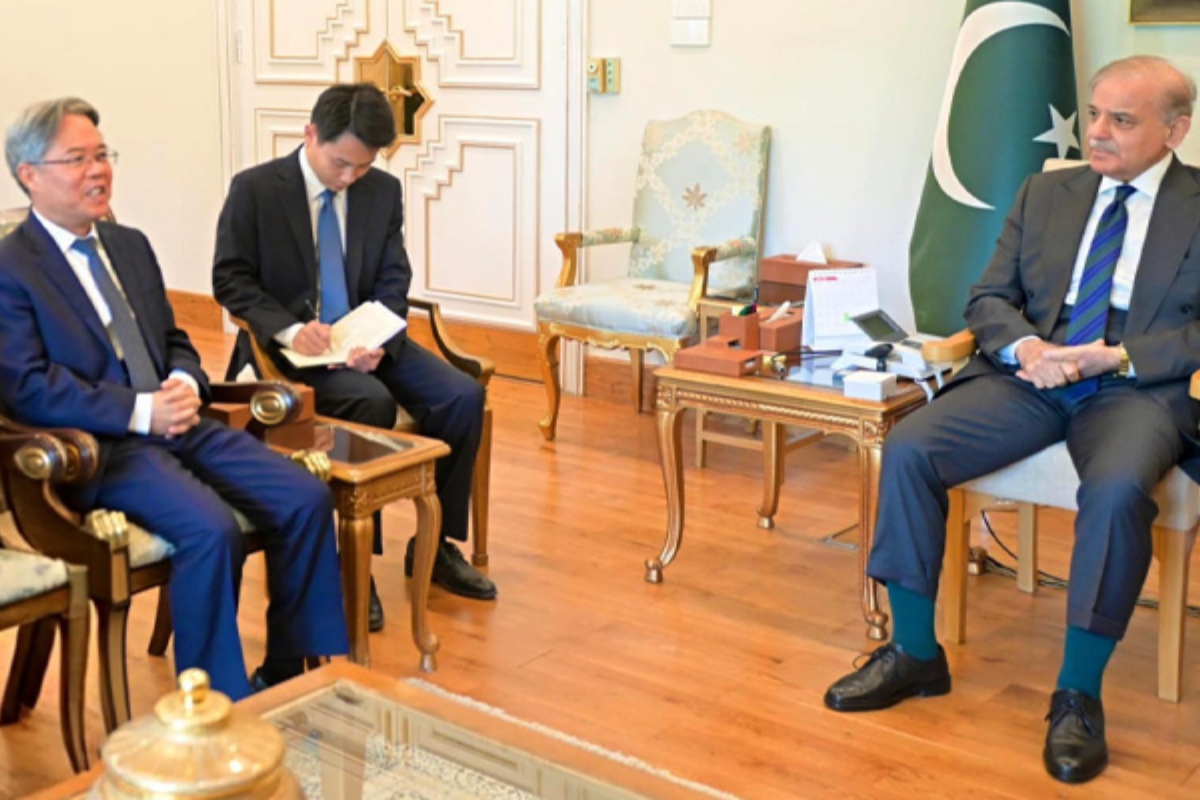
Islamabad: Prime Minister Shehbaz Sharif held a meeting with Chinese Ambassador to Pakistan Jiang Zaidong, during which discussions were held on the situation in the Middle East and Pakistan’s ongoing diplomatic efforts for peace.

The meeting in Islamabad focused on bilateral relations and regional developments. The prime minister expressed pride in Pakistan’s strategic partnership with China and said that close cooperation with Chinese leadership would continue to further strengthen ties between the two countries.

Shehbaz Sharif also conveyed good wishes for the Chinese President and Premier, reaffirming Pakistan’s commitment to deepening bilateral relations.

The Chinese ambassador appreciated Pakistan’s diplomatic initiatives aimed at promoting lasting peace in the region and reiterated the commitment of both countries to further strengthen their longstanding friendship.

Survey: 36% Europeans view US as greater threat than China

Survey

BRUSSELS: A new survey has revealed that 36% of Europeans consider the United States a bigger threat than China, amid criticism of anti-Europe statements by US President Donald Trump.

The poll, conducted across six European countries including Germany, found that 36% of respondents identified the US as a threat, compared to 29% who viewed China as a greater concern.

According to the “EuroPulse” survey, the perception was particularly strong in Spain, where 51% of respondents considered the US a threat. Similar views were recorded in Italy (46%), Belgium (42%), and Germany (30%).

In France, 37% of participants saw the US as a threat, while a higher 43% viewed China in that light.

Meanwhile, in Poland, only 13% of respondents identified the US as a threat, compared to 37% who pointed to China.

The findings highlight shifting geopolitical perceptions in Europe amid evolving global political dynamics.

China passes legislation authorizing response to foreign economic actions

China passes

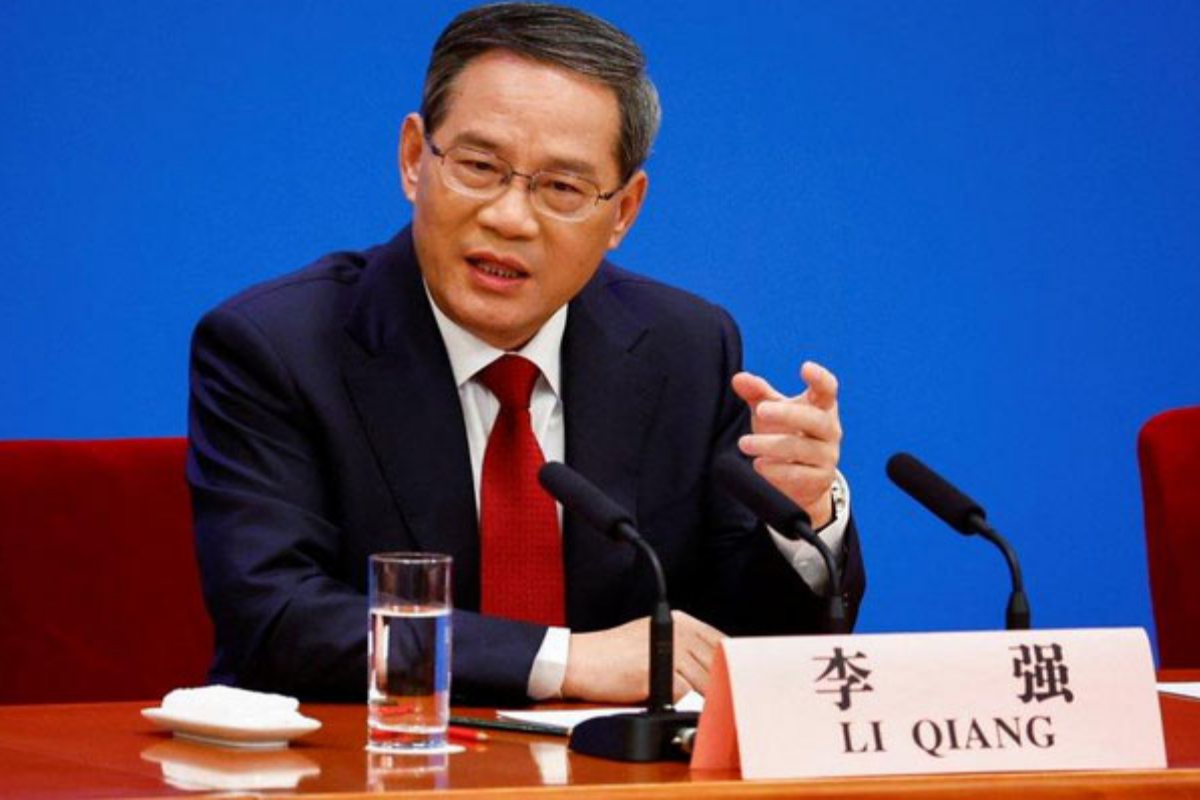
Beijing: Chinese Premier Li Qiang has signed a new law aimed at strengthening the country’s sovereignty, national security, and economic interests, according to state media reports.

The legislation, which consists of 20 provisions, has come into immediate effect.

Under the new law, China will take retaliatory measures against any country or entity that takes actions targeting its economic interests, citizens, or institutions.

The law is designed to formalize countermeasures in response to perceived external pressure.

It also provides for the creation of a list identifying foreign individuals and organizations involved in actions deemed harmful to China.

The Chinese government will be authorized to implement countermeasures against those included in the list.

Officials say the law is intended to protect national interests and ensure a structured response to external economic and political challenges.

Trump urges China, Japan to help secure Strait of Hormuz

Trump urges China

US President Donald Trump has once again called on China, Japan and other countries to help ensure the reopening and security of the Strait of Hormuz amid ongoing tensions with Iran.

Speaking at a press conference in Washington, D.C., Trump said US forces were rapidly dismantling Iran’s defense systems and had sunk boats allegedly involved in laying naval mines in the Strait of Hormuz. He noted that only about one percent of US oil shipments pass through the strait, while a much larger share of oil for countries like China and Japan travels through the strategic waterway.

Trump said around 90 percent of China’s oil imports and 95 percent of Japan’s oil imports pass through the Strait of Hormuz, along with about 35 percent of South Korea’s oil, urging these countries to send naval fleets to help secure the route.

The US president claimed that Iranian ballistic missile and drone attacks had dropped by about 90 percent, adding that more than 100 Iranian naval vessels had been destroyed and the country’s naval forces severely weakened. He said over 7,000 commercial and military targets had been struck in Iran.

Trump also stated that US forces had destroyed 30 vessels allegedly used to deploy mines in the Strait of Hormuz, though he acknowledged it could not be confirmed with certainty whether Iran had actually laid mines there.

He further claimed that Iran’s naval and air defenses had been effectively neutralized, including the destruction of multiple military targets on Kharg Island. However, he added that Iranian oil facilities had not yet been targeted, though “all options remain open.”

Trump criticized some countries for not showing enough enthusiasm in assisting US efforts in the strait, saying the United States had protected many of them from external threats for decades.

The US president also said Iran had expressed interest in negotiations but that Washington was not ready for talks at the moment. He added that Iran’s nuclear program had suffered a “decisive blow” through an operation he referred to as “Operation Midnight Hammer.”

Trump also claimed that he had warned about Osama bin Laden before the September 11 attacks, suggesting the tragedy might have been prevented if his warnings had been heeded.

China urges Pakistan and Afghanistan to pursue ceasefire

China

BEIJING: China has called on Pakistan and Afghanistan to move toward an immediate ceasefire and resolve their differences through dialogue.

According to a spokesperson for the Chinese Ministry of Foreign Affairs, Chinese Foreign Minister Wang Yi spoke via telephone with Afghan counterpart Amir Khan Muttaqi.

Wang highlighted that China’s Special Envoy for Afghan Affairs is actively engaged in mediation efforts between the two countries.

The Chinese minister expressed hope that both Pakistan and Afghanistan would exercise restraint and avoid escalating tensions.

The spokesperson added that China has urged both sides to hold bilateral talks promptly and emphasized the importance of dialogue to resolve disputes.

China reaffirmed its commitment to continue playing an active role in reducing tensions between the two nations.