BREAKING NEWS
Advertise with us >

Colombo weather poses risk to Pakistan vs India T20 World Cup showdown

Colombo weather

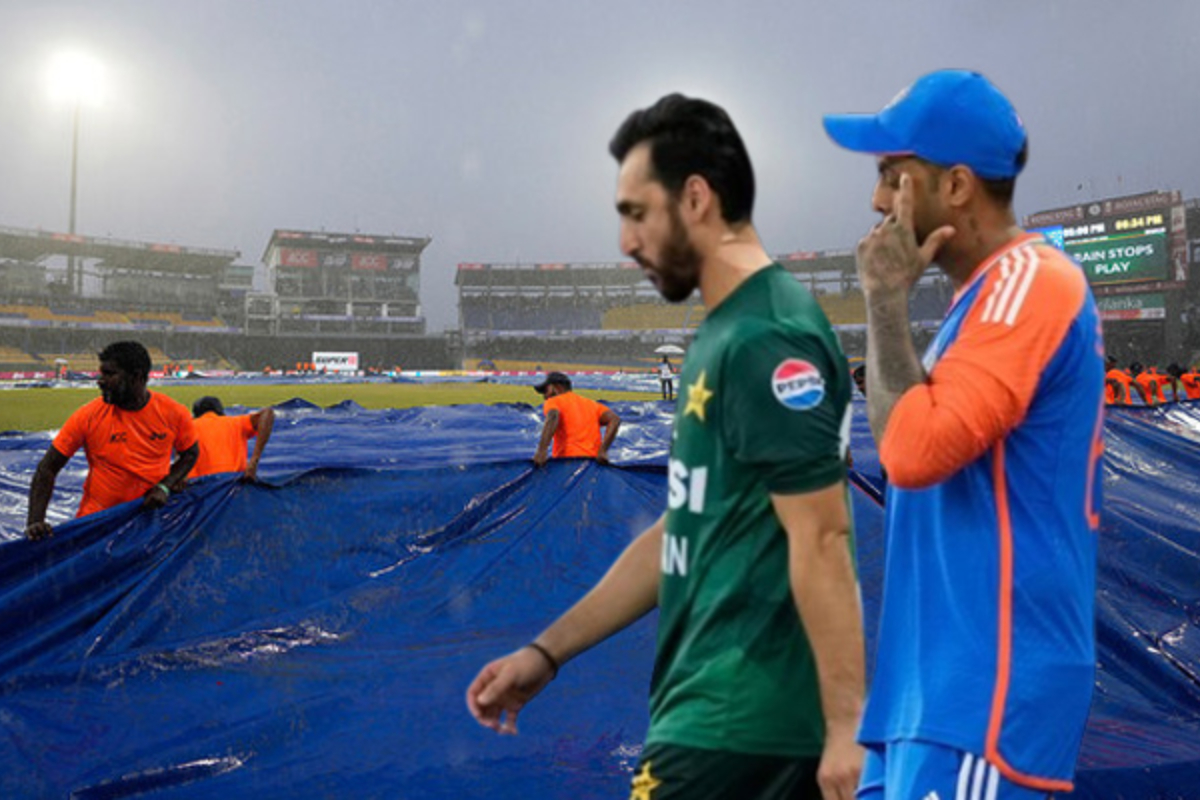
Colombo: The highly anticipated Group A clash between Pakistan and India in the ICC Men’s T20 World Cup 2026, scheduled for tomorrow in Colombo, may be affected by rain.

Meteorologists from the Sri Lanka Department of Meteorology have warned that a low-pressure system forming over the Bay of Bengal could bring heavy showers during the evening match.

The weather is expected to start warm and humid, with temperatures reaching 30–31°C during the day. However, thunderstorms and intermittent rainfall are predicted in the afternoon, with a 50–70% chance of precipitation.

The match is set to begin at 7:00 PM local time, but some weather models indicate that heavy rain could occur before the toss, potentially causing delays or a reduction in overs. While forecasts suggest slight improvement after 8:00 PM, intermittent rain is likely throughout the night.

In case the match is washed out, both Pakistan and India will be awarded one point each. Fans are eagerly hoping that weather does not dampen this high-voltage encounter.

Indian cricket team had to cut short their training session in Colombo due to a light drizzle, ahead of the much-anticipated T20 World Cup clash against Pakistan.

The unexpected rain forced the players to leave the ground earlier than planned, as preparation ramps up for the high-profile Group A encounter scheduled for February 15. Officials confirmed that the team will monitor the weather conditions closely and adjust training sessions accordingly.

Fans and analysts are keeping a close watch on Colombo’s unpredictable weather, as showers could impact match timing or even reduce overs for the Pakistan-India showdown.
Pakistan to play India in T20 World Cup after Sri Lanka President’s appeal

Pakistan to play

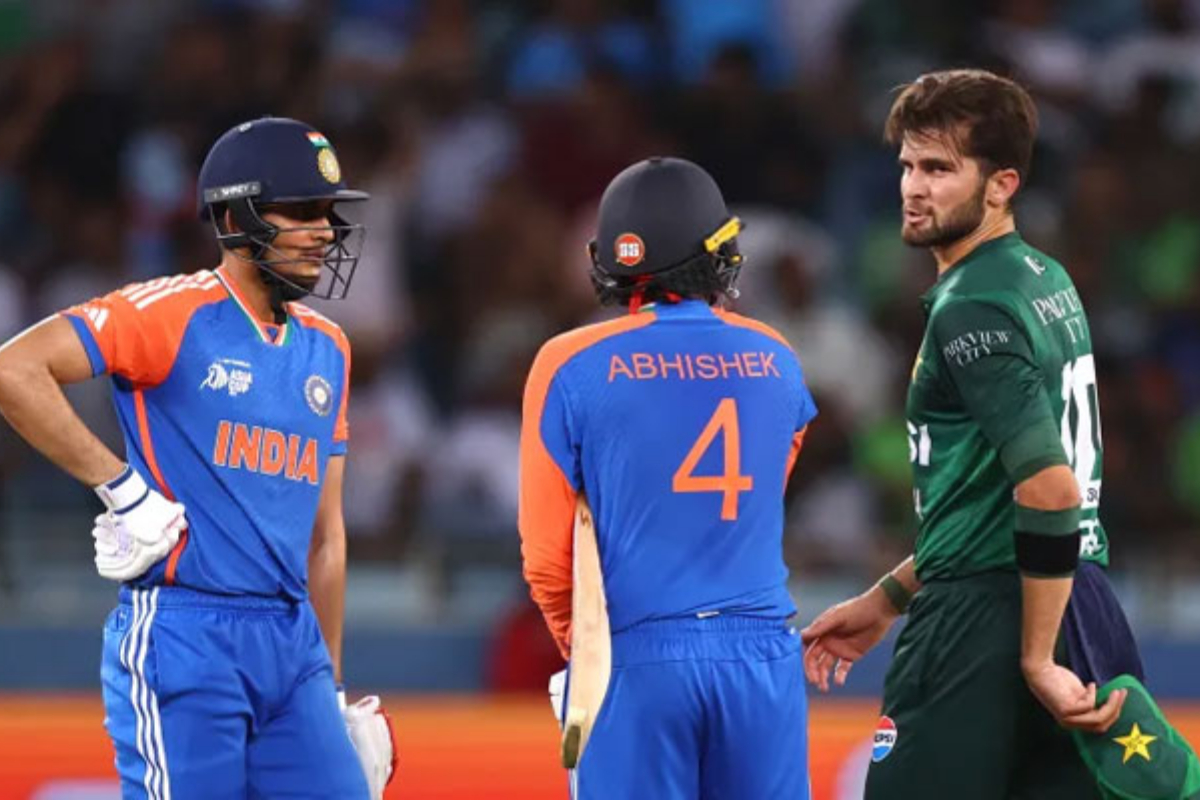
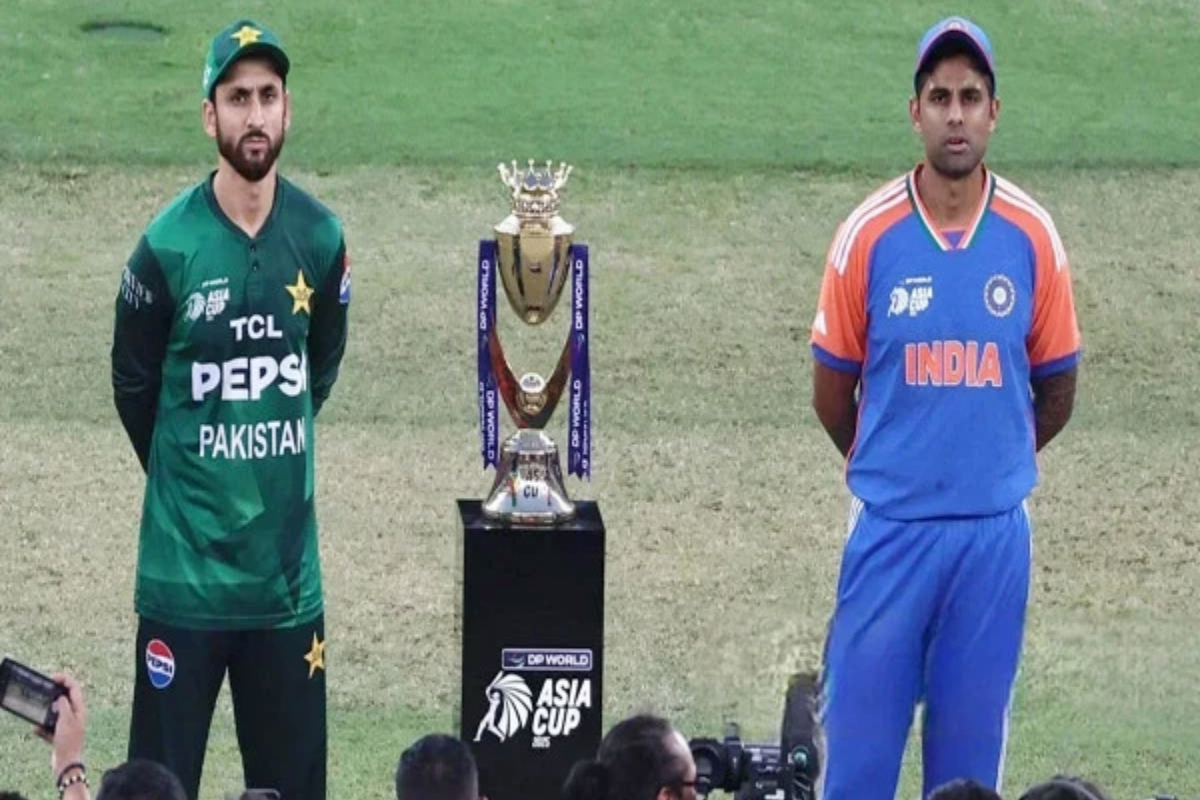
ISLAMABAD: Pakistan has decided to play its scheduled ICC T20 World Cup match against India on February 15.

According to sources, both Pakistan and India will participate in the T20 World Cup fixture as per the original schedule.

The decision comes following a request from the President of Sri Lanka, after which Prime Minister Shehbaz Sharif approved holding the match against India.

In a telephonic conversation between Prime Minister Shehbaz Sharif and Sri Lankan President Anura Kumara, the Sri Lankan President requested that Pakistan play its scheduled T20 World Cup match against India in Sri Lanka.

According to the Prime Minister’s Office, President Kumara emphasized the importance of the match and requested Pakistan’s participation. Prime Minister Shehbaz Sharif welcomed the sentiments, recalling Sri Lanka’s strong support for Pakistan during challenging times, including ensuring cricket continued in Pakistan.

The Prime Minister also noted Sri Lanka’s recent commendable gesture of not canceling their team’s tour of Pakistan, calling it an unforgettable action.

PM Shehbaz Sharif informed the Sri Lankan President that Pakistan would finalize its decision regarding the Pakistan-India match after consultations and provide updates accordingly.

President Kumara highlighted that even during times of terrorism, Pakistan supported Sri Lankan cricket and prioritized the long-standing bilateral relations by continuing cricket tours in Sri Lanka despite security challenges.

On the other hand,  Bangladesh Cricket Board (BCB) has formally requested Pakistan to participate in the scheduled T20 World Cup match against India on February 15.

The request comes amid ongoing preparations for the tournament, emphasizing the importance of honoring the original match schedule to ensure a smooth and competitive event.

India faces $1.4 billion loss as Pakistan skips T20 World Cup clash

India faces $1.4 billion

KARACHI: Pakistan’s announcement to not play against India in the ICC T20 World Cup has caused a stir in India and across the cricketing world, largely due to the massive commercial value associated with the high-profile clash.

In modern cricket, certain matches outweigh the tournament itself in significance, and a Pakistan-India T20 match is not just a game—it is a major commercial event.

Reports indicate that the match generates roughly $50 million (around PKR 140 billion) in revenue, including broadcast rights, advertising premiums, sponsorship activations, ticket sales, and legal betting activities.

The fixture injects energy into the tournament, with broadcasters paying premium prices for rights, while the ICC financially supports boards that may otherwise not generate such revenue.

The match is often referred to as the “golden goose” for broadcasters. A 10-second ad slot during a Pakistan-India T20 match can cost between INR 2.5–4 million (PKR 7.6–12.2 lakh), significantly higher than ad rates for India’s other matches.

According to Indian media, the primary financial loss from the cancellation will fall on the rights holders. During a Pakistan-India match, advertising alone typically generates an estimated INR 300 crore (PKR 9.2 billion).

If the match does not take place, broadcasters may seek compensation from the ICC, creating a ripple effect that impacts payments not only to Pakistan and India but also to other full and associate member boards, posing significant challenges for the ICC’s financial framework.

Sunil Gavaskar breaks silence on Pakistan–India group draw

Sunil Gavaskar

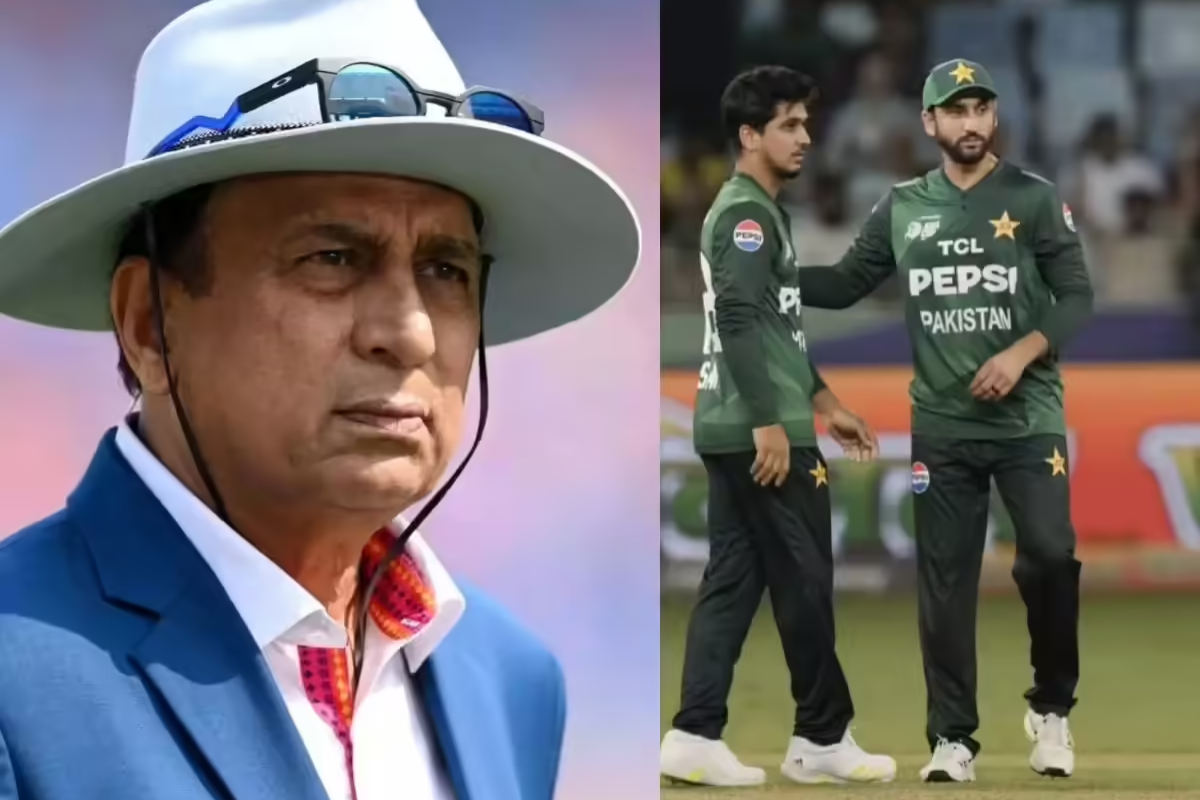
Indian cricket legend Sunil Gavaskar has revealed the reason behind placing Pakistan and India in the same group for major international tournaments.

In a column written for a digital platform, Gavaskar said the primary objective of grouping the two arch-rivals together is to ensure at least one high-profile clash between them during the event.

He explained that, similar to previous mega tournaments, Pakistan and India have not only been placed in the same group but also in a comparatively easier pool to increase the likelihood of both teams progressing to the next round — setting the stage for further high-intensity encounters.

In the upcoming T20 World Cup, scheduled to begin next month, Pakistan and India have been drawn in Group A alongside Namibia, the Netherlands, and the United States.

Gavaskar further noted that the United States could emerge as a competitive side in the tournament, having gained valuable experience through participation in Major League Cricket (MLC).

Pakistan enforces strict entry screening after Nipah outbreak in India

Pakistan enforces

ISLAMABAD: Pakistan has been placed on high alert over the threat of the Nipah virus, though no confirmed case has been reported in the country so far.

In response to the spread of the virus in India, the Border Health Services (BHS) under the Federal Ministry of National Health Services has issued a formal warning and health advisory.

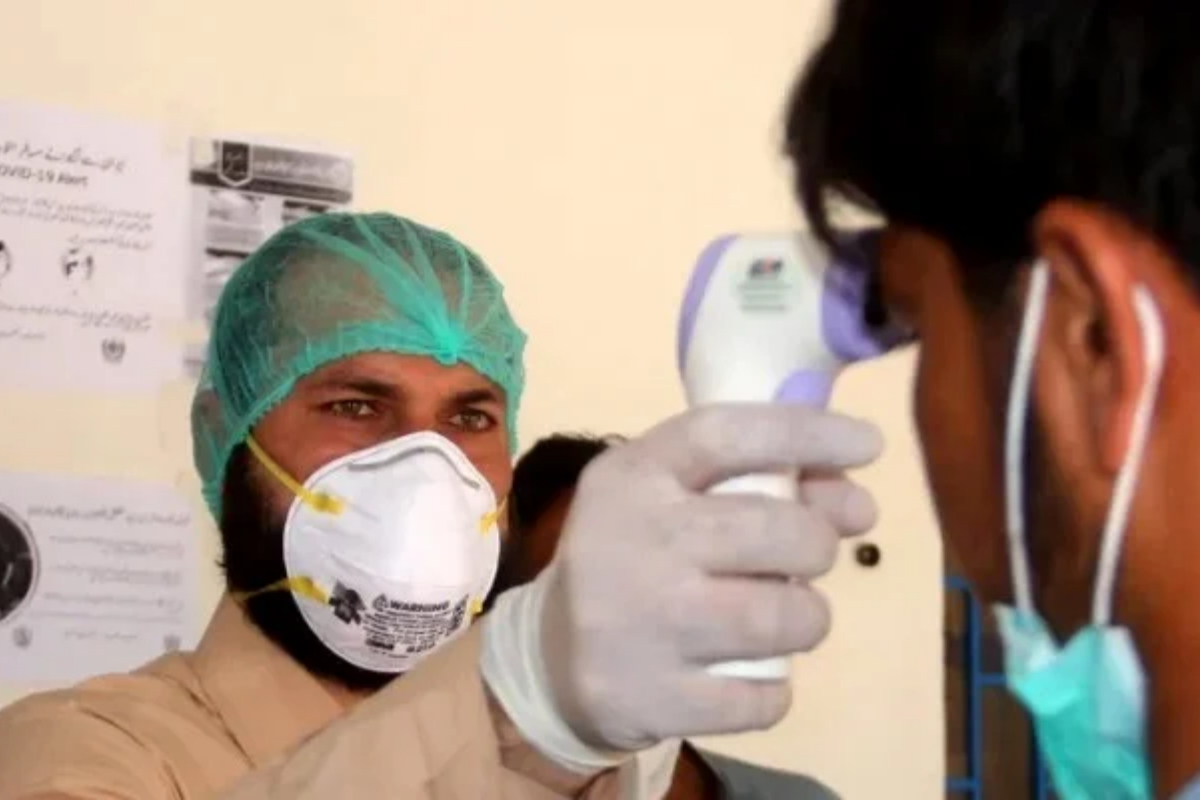
According to the health ministry, strict screening measures have been ordered at all airports, seaports, and land border crossings nationwide.

Authorities have made 100 percent screening mandatory for all incoming and transit passengers, along with thermal screening and clinical assessment.

Passengers have been directed to provide complete travel histories for the previous 21 days. Special monitoring has been ordered for travellers arriving from Nipah-affected or high-risk areas.

In case of suspicious symptoms, immediate isolation of the passenger has been made mandatory.

Officials further stated that no traveller will be allowed to enter Pakistan without formal health clearance.

The authorities confirmed that Pakistan has not reported any verified Nipah virus case to date. However, five cases have been confirmed in India’s West Bengal, prompting heightened vigilance.

Due to fears of cross-border transmission, countries including Thailand, Malaysia, Hong Kong, Singapore, and Nepal have also initiated enhanced screening procedures at their entry points.

India, EU agree on landmark trade deal termed ‘Mother of All Deals’

India, EU agree

New Delhi: India and the European Union have reached a major trade agreement, described by both sides as the “mother of all deals,” marking a significant milestone in bilateral economic relations.

According to the European Union, the agreement will reduce or eliminate tariffs on nearly 97 percent of European exports to India, potentially saving up to €4 billion annually in customs duties.

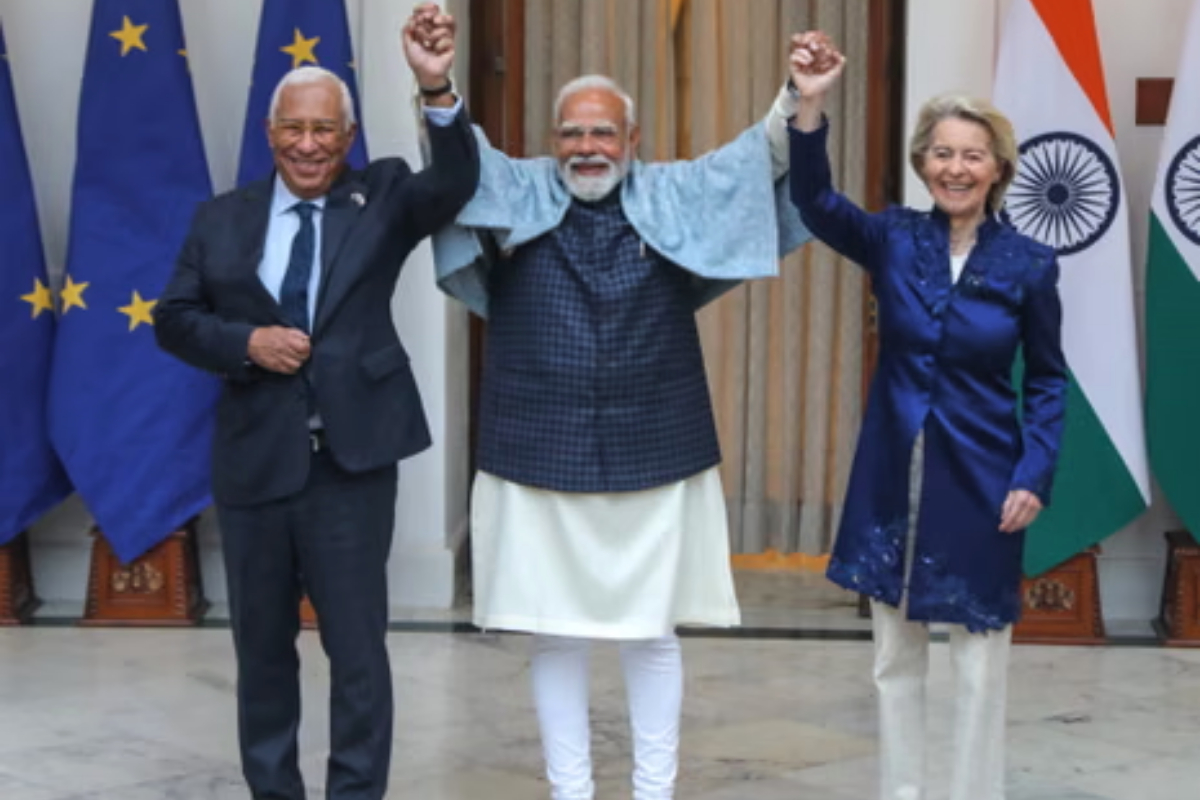
Following high-level talks in New Delhi with European Commission President Ursula von der Leyen and European Council President Antonio Costa, Indian Prime Minister Narendra Modi hailed the agreement as historic.

“This is the mother of all deals,” Modi said, adding that the pact would create vast opportunities for India’s 1.4 billion people as well as millions across the European Union.

EU officials stated that this is India’s most comprehensive and wide-ranging trade agreement to date, expected to significantly benefit key European sectors including agriculture, automobiles, and services.

Foreign news agencies reported that the agreement also includes a security partnership component, opening new avenues for defense-related cooperation and business opportunities.

Prime Minister Modi noted that the deal would equally boost India’s textile industry, gems and jewellery sector, leather products, and services industry.

According to a senior Indian official quoted by international media, the formal signing of the agreement is expected within the next five to six months, once all legal and procedural requirements are completed.

Nipah virus cases emerge in India ahead of ICC T20 World Cup

Nipah virus

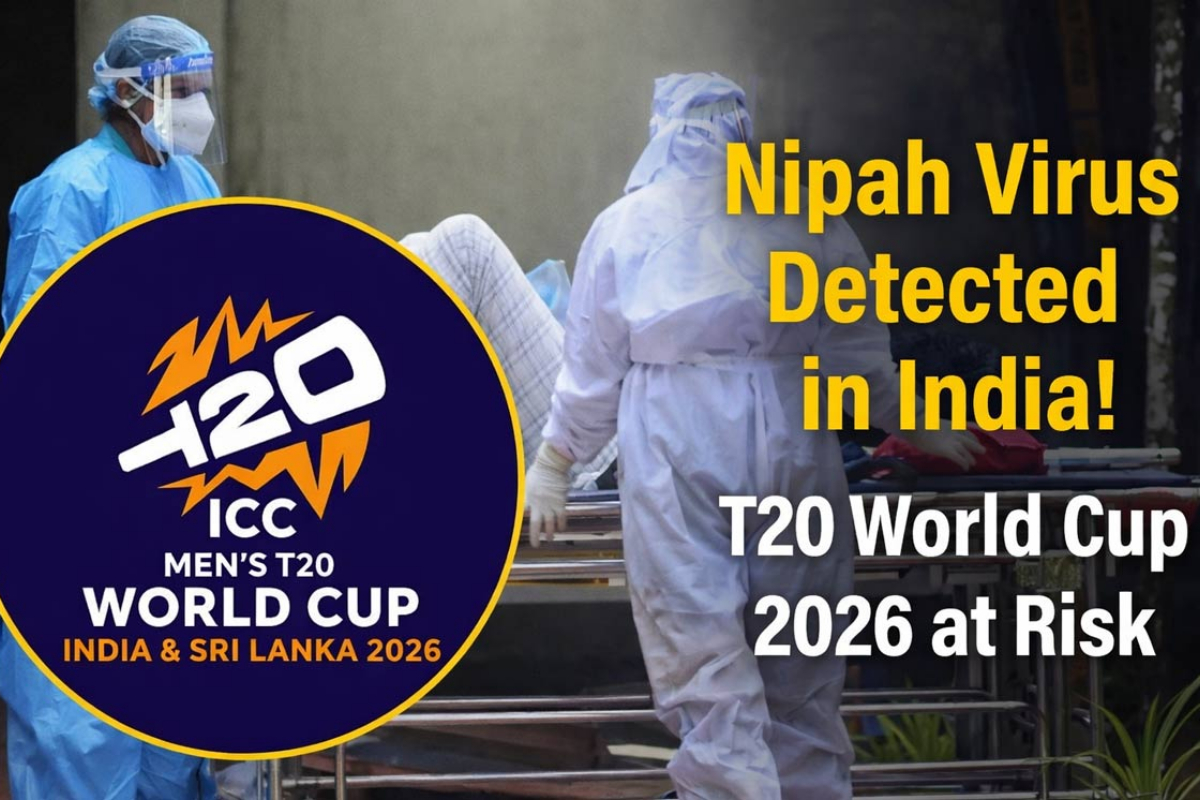
MUMBAI: As the ICC Men’s T20 World Cup approaches, reports of Nipah virus cases have emerged in India, raising health concerns just weeks before the event. The tournament is scheduled to be jointly hosted by India and Sri Lanka from February 7 to March 8.

According to Indian media, at least five Nipah virus cases have been reported in West Bengal, prompting authorities to place approximately 100 individuals under quarantine as part of emergency medical measures.

The infected individuals include healthcare personnel, with two nurses from Kolkata reportedly in serious condition.

The outbreak comes at a time when international teams and large numbers of cricket fans are expected to arrive in India for the T20 World Cup.

Nipah virus is a highly dangerous zoonotic disease transmitted primarily by fruit bats. It can also spread through contaminated food and close contact with infected individuals. The virus is considered deadly, with reported fatality rates reaching up to 75 percent in some cases.

India’s Kerala state has previously reported dozens of deaths due to Nipah virus since 2018. The World Health Organization (WHO) has classified Nipah virus as a “Priority Pathogen” due to its potential to cause a global outbreak.

Authorities are monitoring the situation closely and have urged caution as the World Cup draws near.

Five Nipah virus cases confirmed in West Bengal, India

Five Nipah virus

Authorities in West Bengal, India have confirmed five cases of Nipah virus, including infections among doctors and nurses, local media reported. One patient’s condition is reportedly critical.

According to international news agencies, affected individuals are receiving treatment in Kolkata and nearby hospitals, while approximately 100 people have been placed under precautionary home quarantine. The health department has intensified monitoring to contain the situation.

The World Health Organization (WHO) classifies Nipah virus as a high-risk pathogen. Experts note that the virus is primarily transmitted from bats to humans, often through contaminated fruits. Currently, no vaccine or specific treatment exists for the infection.

The U.S. Centers for Disease Control and Prevention (CDC) warns that early symptoms of Nipah virus, such as fever, headache, and weakness, are nonspecific, making timely diagnosis challenging. The virus has an incubation period ranging from 4 to 21 days.

Health authorities have urged residents to take precautionary measures and report any symptoms immediately to prevent further spread.

PCB’s Pakistan vs Australia T20 promo takes subtle dig at India, goes viral

PCB’s Pakistan

LAHORE: The Pakistan Cricket Board (PCB) has released a promotional video for the upcoming Pakistan vs Australia T20 series, featuring a subtle satirical reference to India that has quickly gone viral on social media.

The video highlights Pakistan’s hospitality and passion for cricket, showing an Australian passenger thanking a taxi driver who refuses payment.

When the passenger forgets to shake hands, the driver jokes, “Looks like you also visited the neighbors.” This lighthearted jab was widely interpreted as a playful reference to India.

In the promo, a character named Aga Ji says, “We are hospitable by nature, but when it comes to cricket, we are ready to compete.”

The three-match T20 series will kick off on January 29, with the second and third games scheduled for January 31 and February 1, all taking place at Gaddafi Stadium, Lahore.

BCB stands firm on not sending team to India for T20 World Cup

BCB stands firm

DHAKA: The Bangladesh Cricket Board (BCB) has reaffirmed its decision not to send its team to India for the upcoming T20 World Cup, citing security concerns and government instructions. The BCB issued a statement following a meeting with an ICC delegation in Dhaka.

During the discussions, the BCB reiterated its formal request to move Bangladesh’s matches to a neutral venue, citing safety and logistical considerations.

The meeting was described as constructive, cordial, and professional, with both sides openly exchanging views on relevant issues.

The ICC delegation included Gururav Sixena, General Manager of Events and Corporate Communications, and Andrew Effergrove, General Manager of the Integrity Unit. Sixena participated online due to visa delays.

The BCB also highlighted recent incidents, including India’s behavior during the Under-19 World Cup, where the Indian captain refused to shake hands with the Bangladeshi captain, as part of the ongoing tensions influencing their stance.

Both the BCB and ICC agreed to continue negotiations on the matter, including the possibility of transferring Bangladesh to another group for logistical reasons.