BREAKING NEWS
Advertise with us >

PM directs continuous monitoring of oil consumption amid regional tensions

PM directs

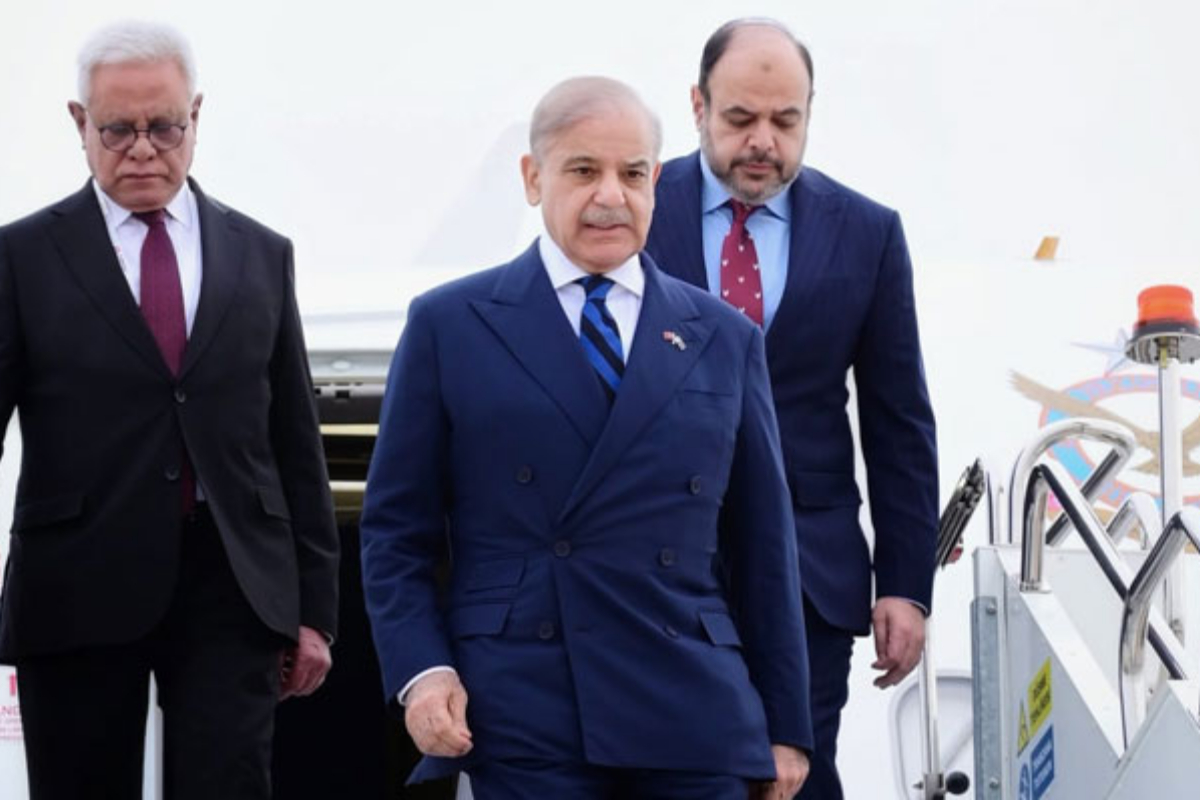
Islamabad: Prime Minister Shehbaz Sharif has directed authorities to ensure continuous monitoring of oil consumption in the country in view of rising regional tensions.

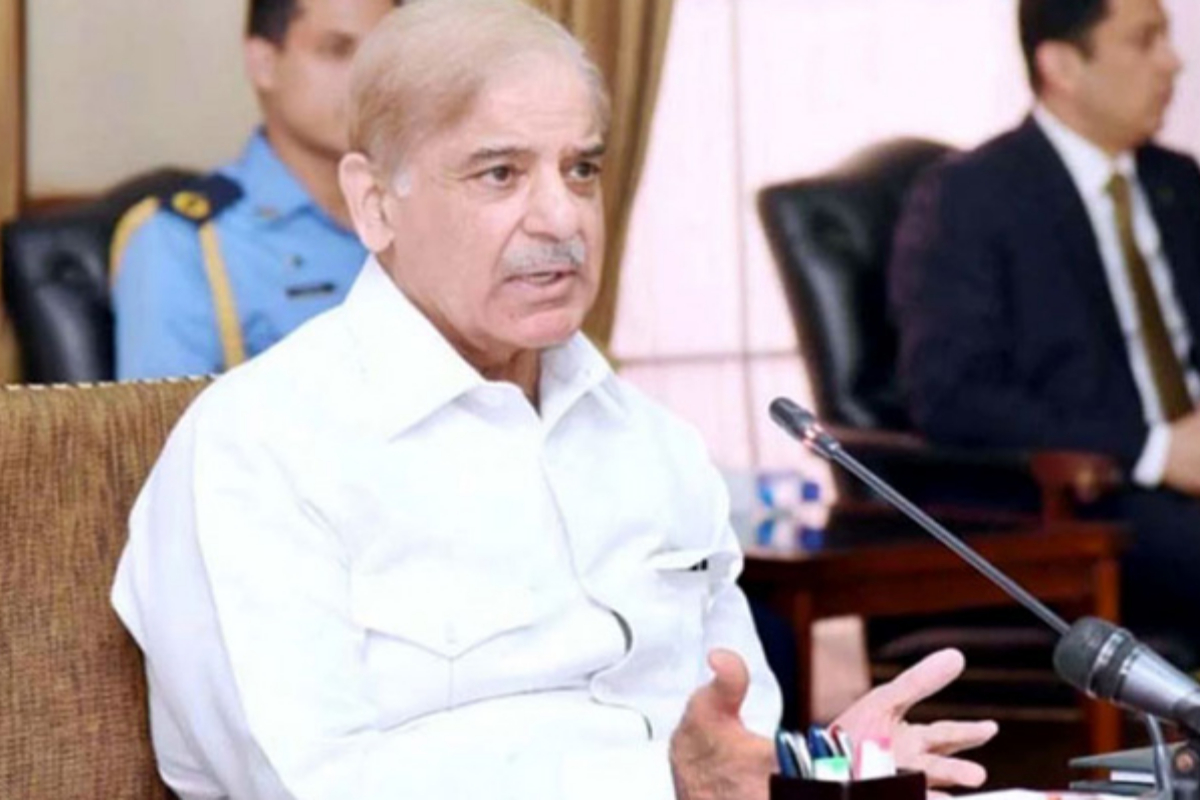
The directive was issued during a high-level meeting chaired by the prime minister to review petroleum reserves and supply. The meeting was attended by Deputy Prime Minister Ishaq Dar, Federal Minister Ahsan Iqbal Cheema, Petroleum Minister Ali Pervaiz Malik, Information Minister Attaullah Tarar, and senior officials.

During the briefing, the prime minister was informed that the country currently has sufficient petroleum reserves and that arrangements have already been made to meet future demand. Officials also stressed the need to maintain austerity measures to ensure efficient use of resources.

Shehbaz Sharif noted that consistent monitoring of oil consumption and reserves has helped avert any crisis so far, adding that government efforts to provide relief to the public will continue.

Fuel price relief announced as diesel drops by Rs135 per litre

Fuel price relief

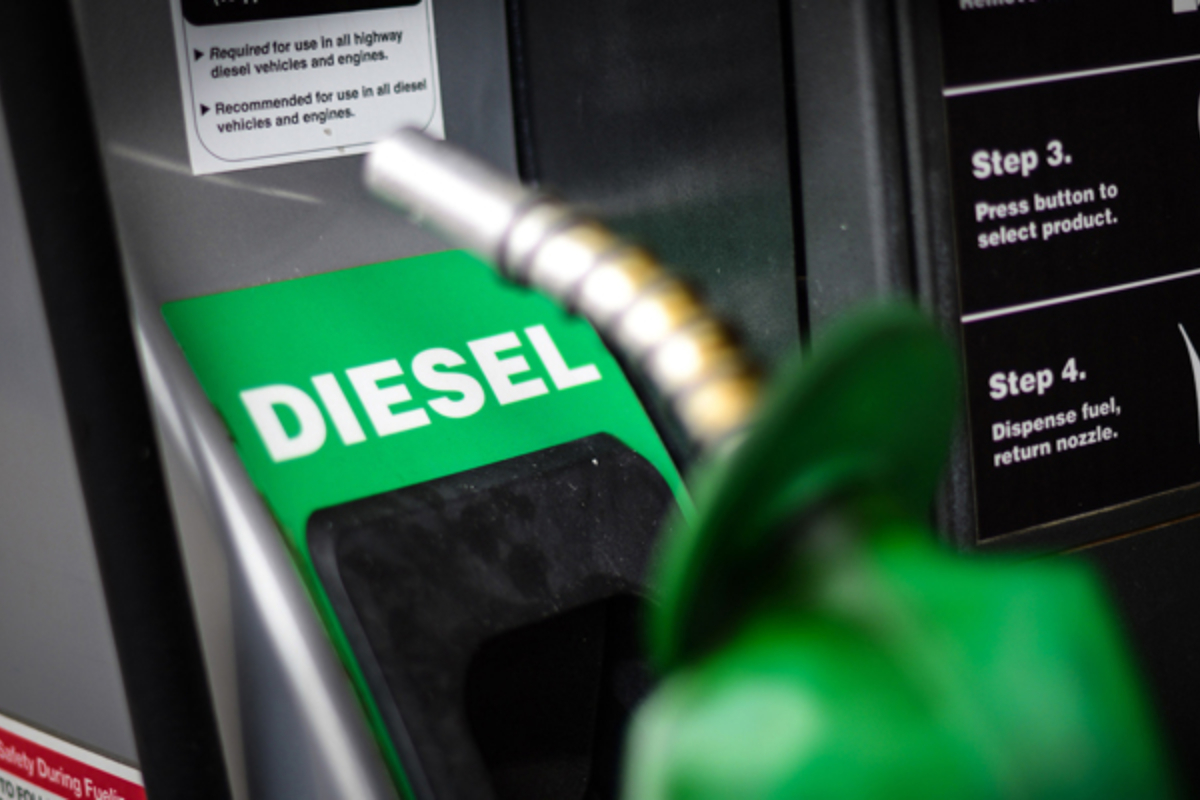
ISLAMABAD: Prime Minister Shehbaz Sharif has announced a significant reduction in fuel prices, cutting diesel by Rs135 per litre and petrol by Rs12 per litre, providing major relief to consumers.

In address to the nation, the premier said the new price of diesel will be Rs385 per litre, while petrol will be available at Rs366 per litre. He added that the revised prices will take effect from midnight.

The prime minister termed the moment historic, noting that the situation in the Gulf has shifted from conflict to dialogue. He thanked the leadership of Iran and the United States for agreeing to negotiations, adding that both sides are set to arrive in Islamabad for talks.

He said Pakistan’s role in facilitating a ceasefire between the two countries is a matter of pride not only for the nation but for the entire Muslim world.

Shehbaz Sharif also praised Deputy Prime Minister Ishaq Dar and his team for their tireless efforts, while commending Field Marshal Syed Asim Munir for playing a key role in de-escalation and facilitating dialogue.

Reiterating his commitment, the prime minister said he had promised to pass on the benefit of lower global oil prices to the public, adding that the recent decline in international prices made the reduction possible. He noted that the government had previously spent Rs129 billion to control inflation.

He emphasized that the full benefit of the price cut would be transferred to the public, rejecting proposals to divert part of the relief toward fiscal adjustments.

He acknowledged the patience of citizens in bearing the burden of inflation and said it was now the government’s responsibility to provide relief.

The premier added that reducing costs for farmers remains a priority, while subsidies for motorcycles, public transport, and goods transport will continue.

He concluded by stating that despite challenges, the government has never left the public alone and reaffirmed that public welfare remains its top priority.

Lebanese PM seeks Pakistan’s help to end Israeli attacks

Lebanese PM

ISLAMABAD: Lebanese Prime Minister Nawaf Salam has urged Pakistan to play an active role in halting ongoing attacks on Lebanon and its people.

According to a statement from the Prime Minister’s Office, the request came during a telephone conversation between Shehbaz Sharif and his Lebanese counterpart.

During the call, Shehbaz Sharif strongly condemned Israel’s continued aggression against Lebanon and expressed deep sorrow over the loss of thousands of lives.

He reaffirmed that Pakistan is actively engaged in sincere efforts to promote regional peace, including facilitating dialogue between Iran and the United States.

The Prime Minister’s Office stated that Nawaf Salam appreciated Pakistan’s peace efforts and requested cooperation to ensure an immediate end to attacks on Lebanon. Both leaders agreed to remain in close contact.

According to international media reports, the Lebanese premier also called for confirmation that Lebanon is included in the ongoing ceasefire framework, warning that exclusion could lead to further incidents like the recent Israeli strikes.

The development comes amid escalating tensions after Israeli attacks reportedly killed more than 200 people in Lebanon. While the United States and Israel maintain that the current ceasefire does not extend to Lebanon, Israeli leadership has indicated that operations against Iran-backed Hezbollah will continue.

Meanwhile, Iran’s parliamentary leadership has warned that excluding Lebanon from the ceasefire is unacceptable, emphasizing that Tehran considers Lebanon an essential part of any agreement.

PM cuts office days, halts overseas trips for officials

PM cuts office

Prime Minister Shehbaz Sharif has announced a series of austerity measures aimed at reducing government expenditures amid the country’s challenging economic conditions, including a 50% reduction in fuel for official vehicles for two months.

Speaking in Islamabad, the prime minister warned that petroleum prices may rise further in the coming days, prompting the government to implement strict cost-cutting steps across public institutions.

Under the new measures, fuel allocation for government vehicles will be reduced by half for two months, while 60% of vehicles used by all government departments will remain off the roads during the same period.

The prime minister also announced that federal cabinet members will not receive their salaries for two months, while members of parliament will face a 25% salary reduction.

In addition, senior officers in Grade 20 and above earning more than Rs300,000 per month will have two days’ salary deducted. Government departments have also been directed to cut non-salary expenditures by 20%.

The government has imposed a ban on foreign visits by federal and provincial ministers and officials, allowing travel only in cases of urgent national interest. Authorities have been instructed to prioritise teleconferencing and online meetings instead.

Furthermore, the prime minister announced a complete ban on official dinners and iftar gatherings, while seminars and conferences will now be held in government buildings instead of hotels.

According to the new policy, 50% of staff in both public and private institutions will work from home, and government offices will operate four days a week. However, the additional weekly holiday will not apply to banks.

The prime minister also declared two weeks of holidays for public educational institutions starting next week as part of the broader measures.

PM approves weekly pricing mechanism for petroleum products

PM approves weekly

Prime Minister Shehbaz Sharif has approved a weekly pricing mechanism for petroleum products in view of the evolving regional situation and potential energy challenges.

The decision was taken during a meeting of the committee on petroleum product stocks and consumption, chaired by the prime minister in Islamabad.

 During the meeting, the finance minister briefed the premier on the current fuel supply situation and policy options.

According to sources, the committee presented recommendations regarding weekly adjustments in petroleum prices, which were approved by the prime minister.

Under the proposed framework, the Economic Coordination Committee (ECC) will review and recommend weekly petroleum price adjustments. After ECC approval, the final summary will be submitted to the federal cabinet for formal approval.

Sources added that a comprehensive plan aimed at addressing potential energy challenges—similar to measures adopted during the COVID-19 period—has been finalized and may be announced soon.

The prime minister also directed the finance minister to consult with provincial governments and present a proposal on work-from-home arrangements for offices by Monday. Additionally, a plan for virtual learning in educational institutions is also under consideration.

Officials believe these measures could help reduce fuel demand and ensure efficient use of existing petroleum stocks.

Meanwhile, the Ministry of Petroleum informed the meeting that the country currently has adequate petroleum reserves to meet national requirements.

Prime Minister Shehbaz Sharif further instructed authorities to take strict legal action against hoarders of petroleum products. He directed that petrol pumps found involved in creating artificial shortages should be immediately shut down.

The prime minister also ordered the Oil and Gas Regulatory Authority (OGRA) to cancel the licenses of petrol pumps involved in artificial shortages and initiate legal proceedings against them.

He directed the petroleum minister to visit provinces and coordinate with provincial governments to develop a strategy ensuring fuel conservation and uninterrupted supply to the public.

Furthermore, the prime minister instructed authorities to establish a digital dashboard to monitor the movement of petroleum products, allowing real-time data sharing with provincial governments to ensure transparent monitoring of fuel transportation across the country.

PM briefed on current Pakistan-Afghanistan tensions during GHQ visit

PM briefed

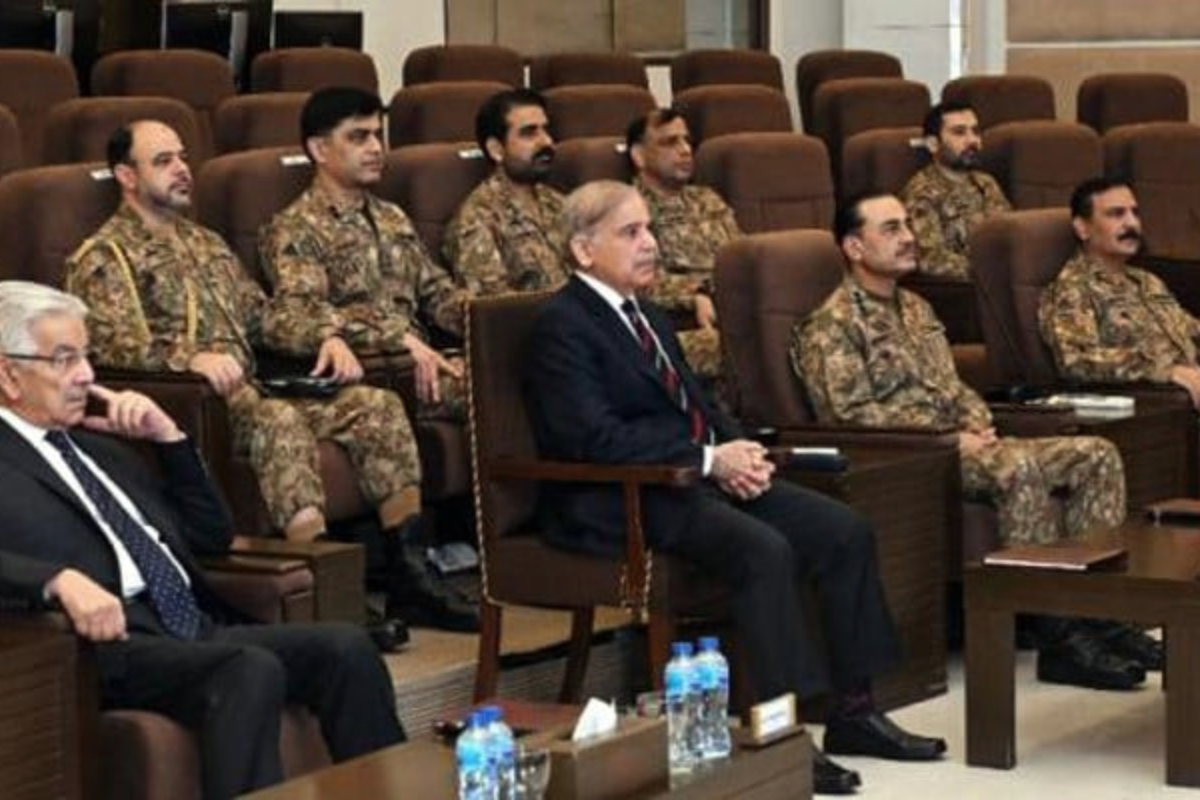
Prime Minister Shehbaz Sharif visited General Headquarters (GHQ) and met with military leadership, including Field Marshal Syed Asim Munir, Chief of Defense Forces.

During the meeting, the Prime Minister received a detailed briefing on the current Pakistan-Afghanistan border situation. He emphasized adopting a zero-tolerance approach toward collusion between Fitna‑al‑Khawarij and the Afghan Taliban regime, calling their hostile actions unacceptable.

PM Shehbaz Sharif stated that under the leadership of the Chief of Army Staff and the Chief of Defense Forces, the Pakistan Army remains fully prepared to protect the country and is well-equipped to defend against any aggression.

He commended the armed forces for repelling attacks in Afghan border areas and praised their professional capabilities in carrying out effective countermeasures.

The Prime Minister affirmed that the entire nation stands shoulder to shoulder with Pakistan’s brave armed forces, recognizing their role in safeguarding the homeland and defending the country from cross-border threats.

Sustainable peace impossible without independent Palestine, says PM

Sustainable peace

WASHINGTON: Prime Minister Shehbaz Sharif has said that achieving sustainable peace in Gaza is Pakistan’s mission, emphasizing that the establishment of a free and sovereign Palestinian state is essential for lasting stability in the region.

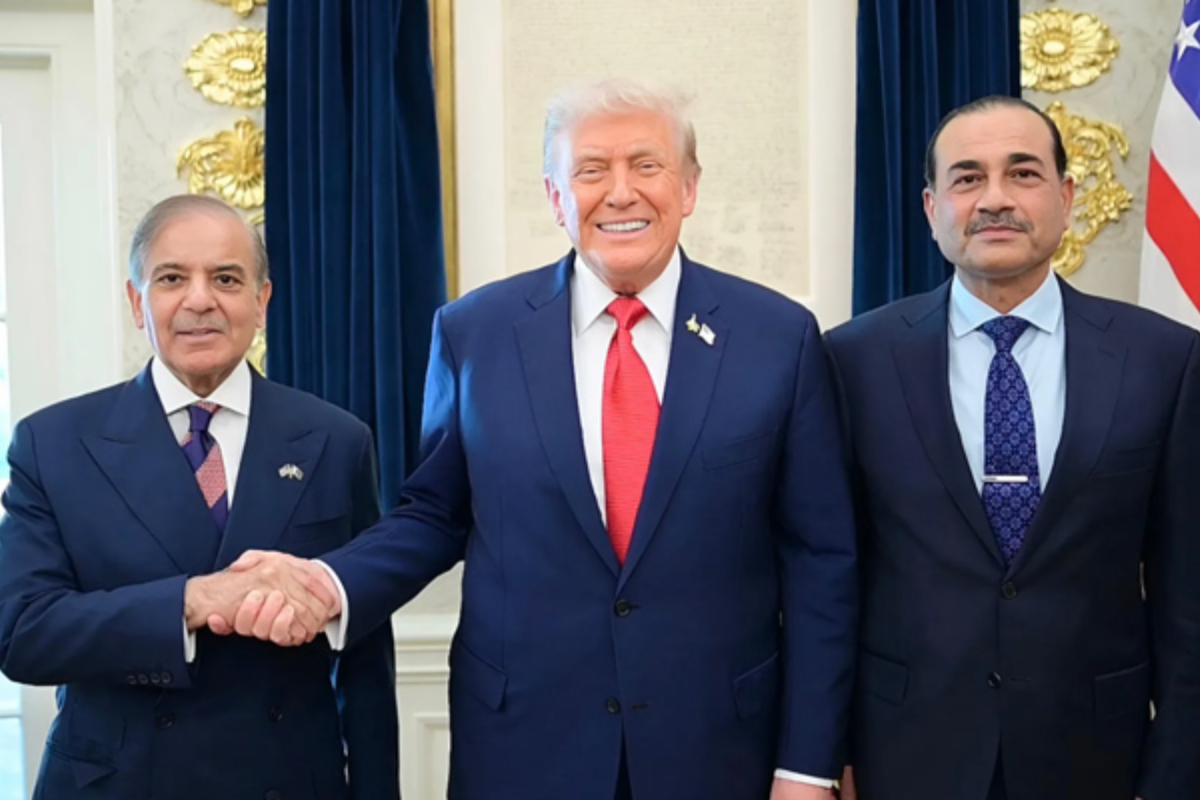
Addressing the inaugural session of the Gaza Peace Board, chaired by US President Donald Trump in Washington, the Prime Minister termed his participation in the meeting an honor and reaffirmed Pakistan’s unwavering support for the Palestinian cause.

“Sustainable peace in Gaza is our mission. We pray for success in achieving lasting peace. Today marks a golden chapter in history for peace in the Middle East,” the Prime Minister stated.

PM Shehbaz Sharif stressed that Palestinians must be granted their rights in accordance with United Nations Security Council resolutions, underscoring that an independent and sovereign Palestinian state is their legitimate right.

He further stated that ceasefire violations in Gaza must come to an end to pave the way for durable peace and long-term regional stability.

The Prime Minister also appreciated President Donald Trump’s role in conflict resolution, noting that his timely intervention helped prevent escalation during tensions between Pakistan and India.

“President Trump’s intervention prevented a major catastrophe in South Asia. The ceasefire saved thousands of precious lives,” he remarked.

The Gaza Peace Board meeting aims to discuss post-conflict reconstruction, humanitarian assistance, and mechanisms to ensure sustainable peace in the region.

PM Shehbaz to attend Gaza Peace Board meeting

PM Shehbaz

ISLAMABAD: Prime Minister Shehbaz Sharif will participate in the Gaza Peace Board meeting, accompanied by Foreign Minister Ishaq Dar, according to the Foreign Office.

Speaking at the weekly news briefing, FO spokesperson Tahir Hussain Andrabi stated that the Prime Minister will be accompanied by a high-level delegation and will meet former US President Donald Trump during his visit to the United States.

The spokesperson further noted that Pakistan has shared evidence of ISIS presence in Afghanistan with international partners, highlighting that the mastermind behind recent attacks is operating from Afghanistan. He emphasized that Pakistan reserves the right to defend itself.

Regarding India, the Foreign Office confirmed that Pakistan has requested details about the construction of new dams and urged India to avoid unilateral actions. Andrabi reiterated that India is bound to honor the Indus Waters Treaty.

On cricket, the spokesperson claimed that India intends to use the sport as a political tool against Pakistan and that the decision to avoid playing against India was aimed at preventing cricket from being weaponized.

PM orders review of newly issued solar regulations by NEPRA

PM orders review

ISLAMABAD: Prime Minister Shehbaz Sharif has taken immediate notice of the new solar regulations recently issued by the National Electric Power Regulatory Authority (NEPRA) and convened a high-level meeting to review the matter.

The special session, chaired by the prime minister, was attended by Deputy Prime Minister Ishaq Dar, Ata Tarar, Awais Leghari, Pervez Malik, Bilal Kayani, Muhammad Ali, Ahad Cheema and other senior officials.

During the meeting, the prime minister directed the Power Division to file a review appeal with NEPRA to ensure full protection of contracts signed with existing solar consumers. He emphasized that the rights of current solar users must be safeguarded under all circumstances.

Shehbaz Sharif further stated that the financial burden of 466,000 solar consumers should not be shifted onto 37.6 million national grid electricity users. He instructed the Power Division to formulate a comprehensive strategy to address the issue.

What Are the New Solar Regulations?

Under the revised regulations, NEPRA has reduced the rates at which electricity generated through solar systems can be sold to the national grid.

Existing solar consumers will continue to sell electricity to the grid at the previous rate of Rs25.32 per unit.

New solar consumers, however, will face a significant reduction of Rs17.19 per unit in the buyback rate. They will now receive Rs8.13 per unit — more than three times lower than the previous rate.

Additionally, a new net billing mechanism has been introduced for both new and existing consumers. Under this system, exported units will no longer be adjusted on a one-to-one basis against imported units. Instead, electricity drawn from the national grid will be charged according to the applicable government tariff and slab rates.

Furthermore, the license period for new net metering consumers has been reduced from seven years to five years.

The development has sparked debate over the future of rooftop solar adoption in Pakistan, as stakeholders assess the financial implications of the revised framework.

Pakistan to invest $1bn in Artificial Intelligence sector by 2030

Pakistan to invest

Prime Minister Shehbaz Sharif announced that the federal government will invest $1 billion in Pakistan’s artificial intelligence (AI) sector by 2030, aiming to build a future-ready digital economy and empower the country’s youth.

Addressing the inaugural session of Indus AI Week, the prime minister said the investment would be used to develop a strong and inclusive AI ecosystem across the country.

He revealed that AI will be introduced into the curriculum of all federally run schools, while 1,000 fully funded PhD scholarships in artificial intelligence will be offered nationwide by 2030.

In a major skills initiative, the prime minister also announced the launch of a nationwide programme to train one million non-IT professionals in AI-related skills, with the goal of improving productivity and enhancing livelihoods across various sectors.

“We are recovering lost revenues through technology and equipping our young men and women with quality skills in agriculture, commerce and trade,” Shehbaz Sharif said.

Highlighting ongoing digital reforms, the prime minister referred to initiatives such as the laptop distribution programme for high-achieving students in Punjab, establishment of e-libraries in remote areas, introduction of e-stamp papers, and digitisation of land records in collaboration with the World Bank, which he said had helped reduce corruption.

He also noted that Pakistan’s first Safe City project and first IT university were established in Lahore. “We have learned from the past, and today Pakistan is ready to join the global community in AI-driven transformation,” he added.

Minister for Information Technology Shaza Fatima Khawaja said Indus AI Week aims to strengthen collaboration between universities, government institutions and international technology companies, underscoring Pakistan’s commitment to a digital revolution.

 She added that the Pakistan Digital Authority is preparing a nationwide digital master plan to guide future transformation.

Meanwhile, Minister for Planning Ahsan Iqbal said the world has entered an era where intelligence itself has become a key factor of production, with nations now competing on ideas, talent, data and technology rather than traditional commodities.

He described artificial intelligence as a greater disruptor than electricity or the internet, noting that Pakistan’s engagement with technology began more than two decades ago through early IT policies, the establishment of NADRA, and sustained investment in advanced human capital.